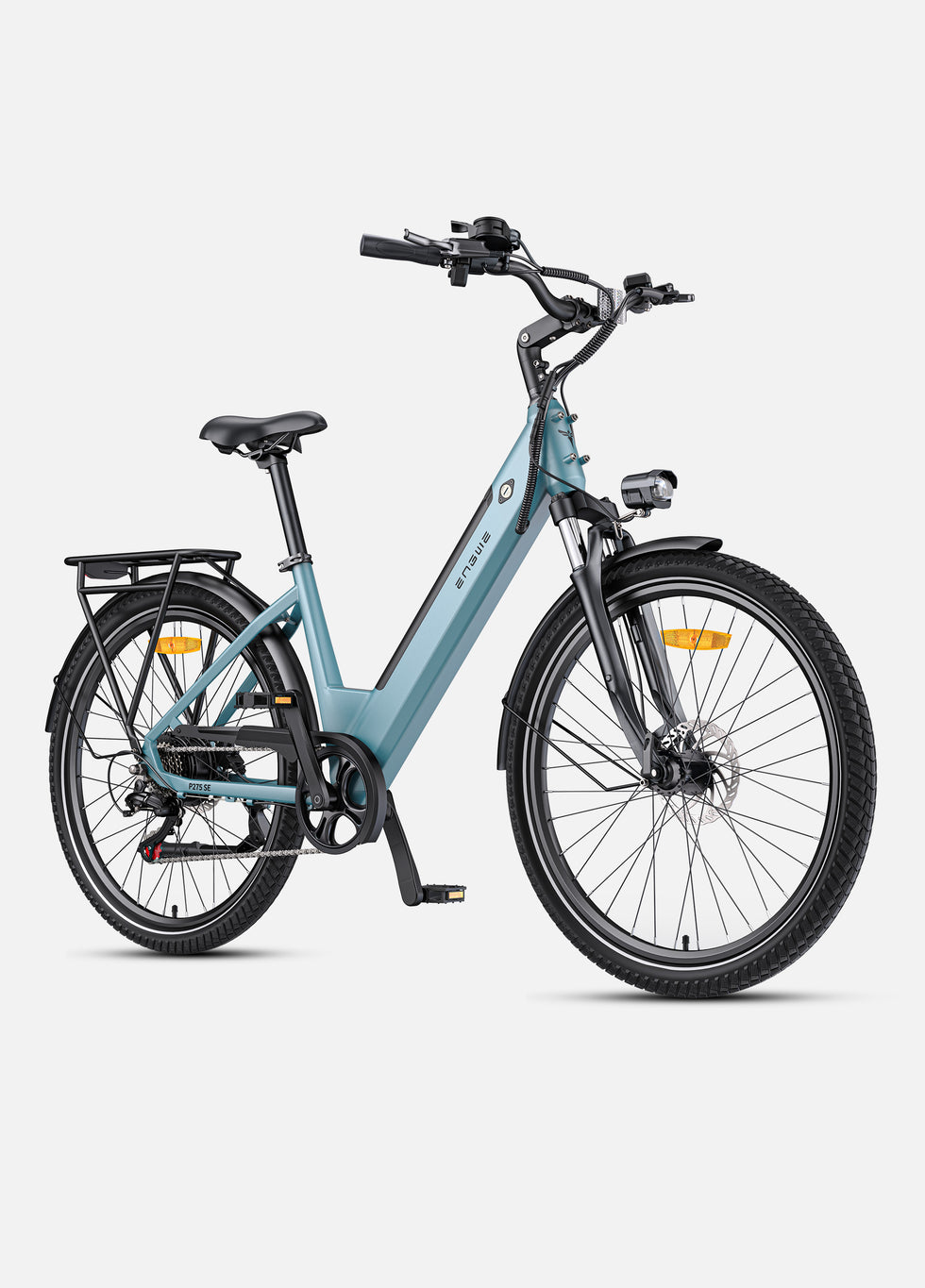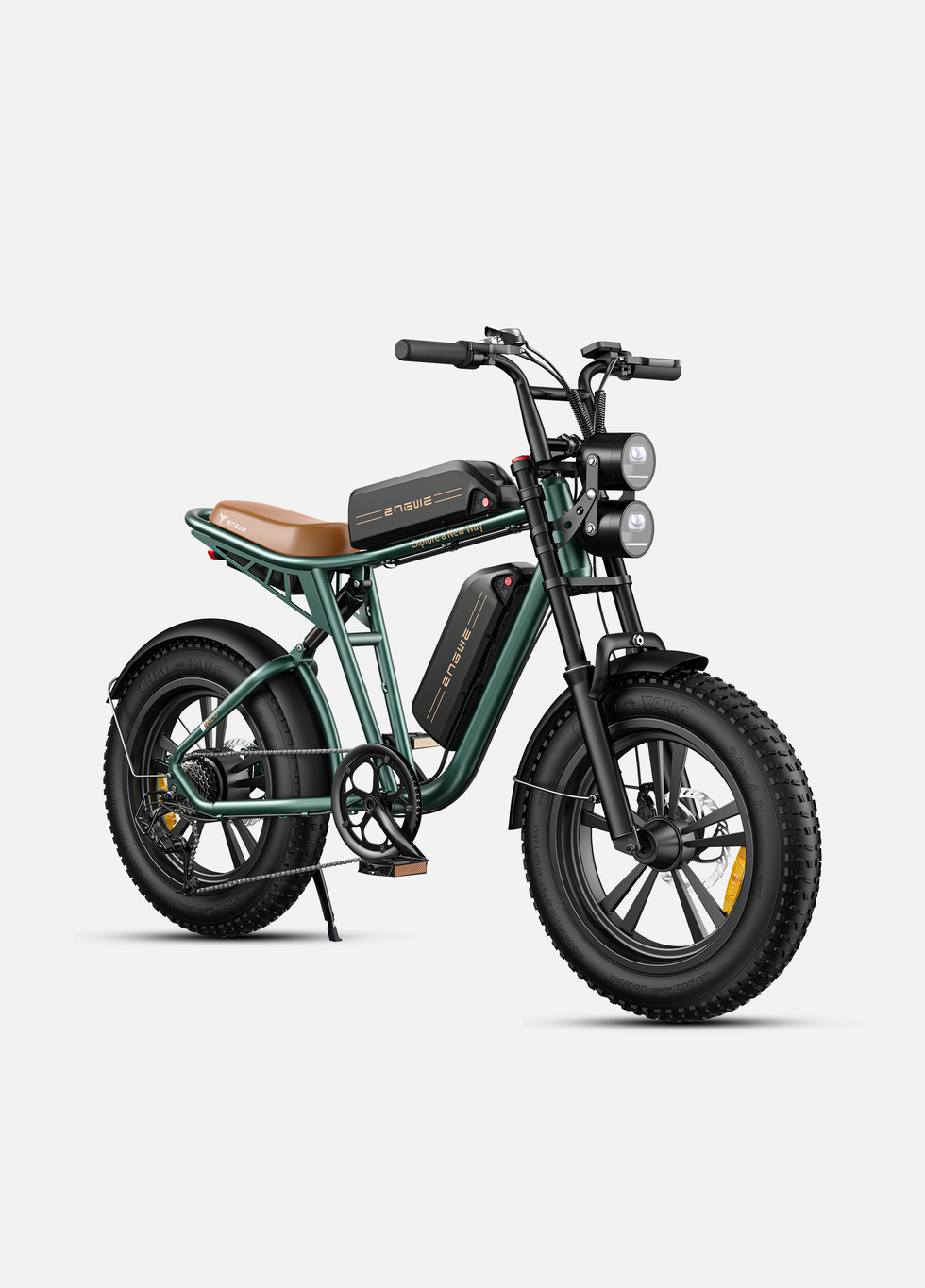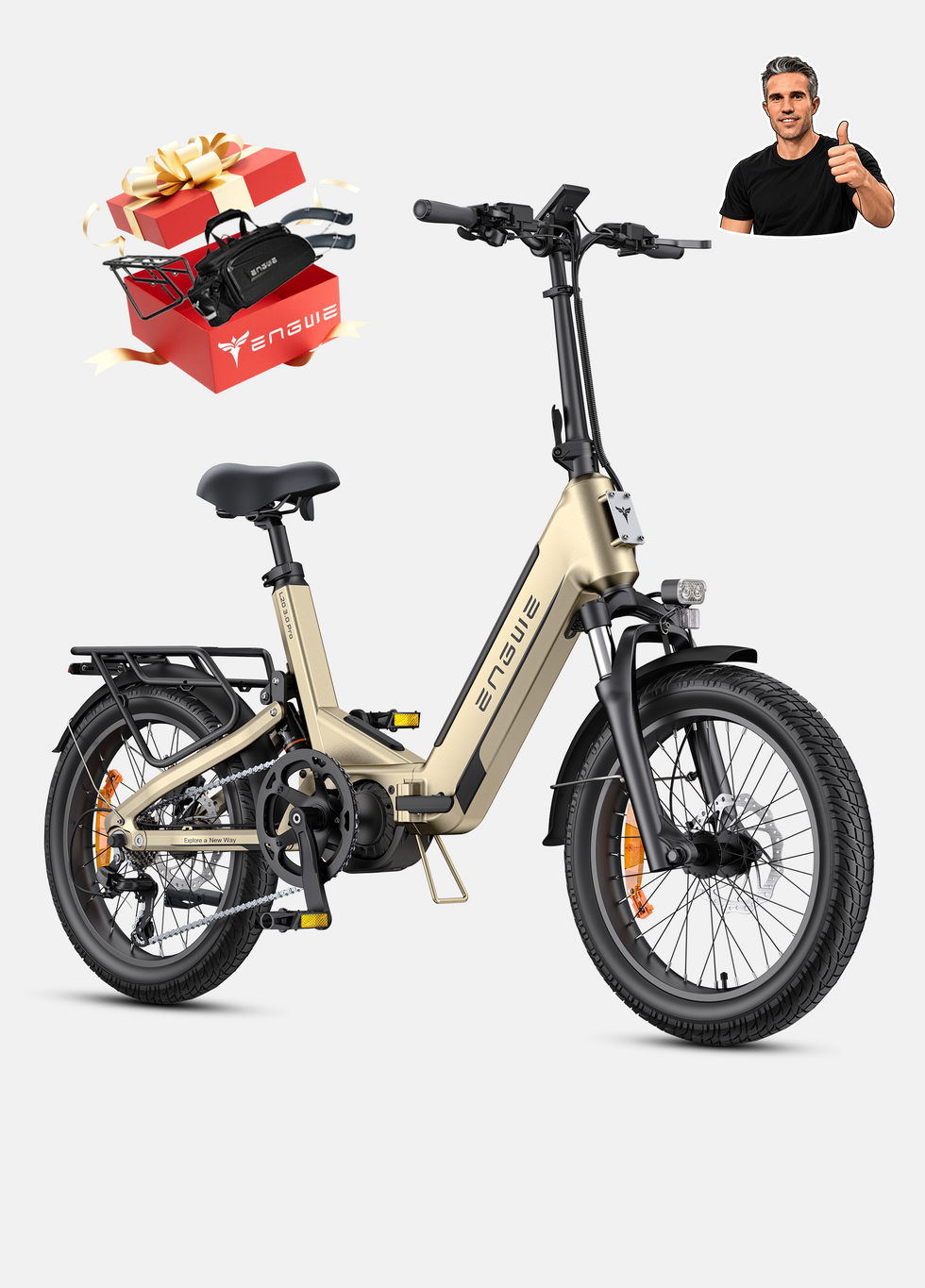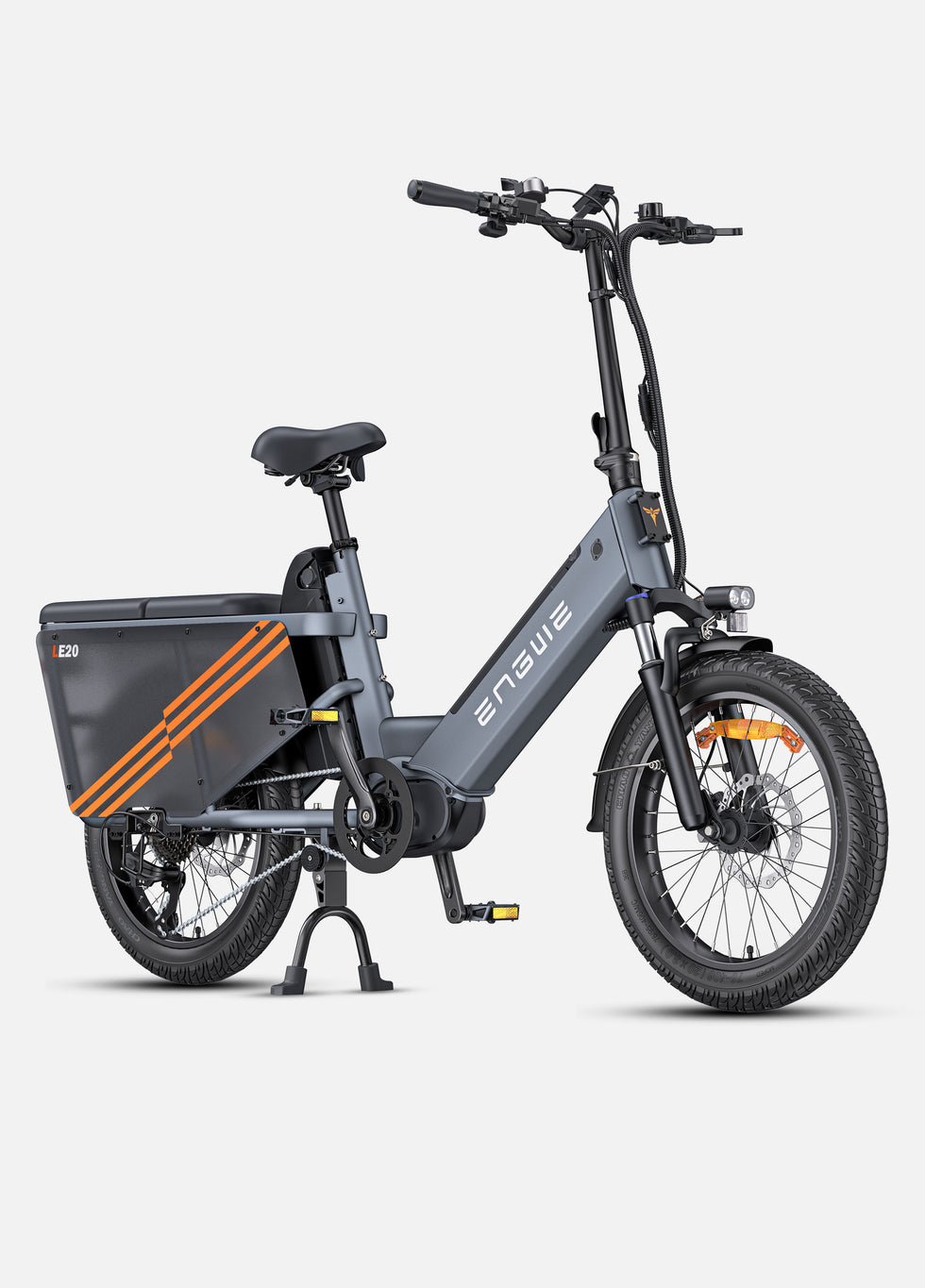


Un vélo électrique pliable offre aux voyageurs en camping-car ou en fourgon aménagé une solution pratique pour se déplacer après le stationnement. Il leur permet d'accéder aux commerces, aux sentiers bordant les lacs, aux plages, aux centres-villes, aux gares et aux campings sans avoir à déplacer leur véhicule. Le meilleur vélo n'est pas forcément le plus puissant. C'est celui qui se plie facilement, se soulève aisément, offre un confort de conduite optimal et respecte le code de la route local.
Pour la plupart des usages routiers européens, les acheteurs devraient privilégier un système d'assistance au pédalage de 250 W qui coupe l'assistance avant 25 km/h, car il s'agit de la catégorie standard traitée séparément des cyclomoteurs par le règlement européen 168/2013. vélo électrique pliable Pour les voyages, un appareil doit également présenter un poids raisonnable, une batterie amovible, des freins fiables, des pneus adaptés et une autonomie suffisante pour les courses quotidiennes et les visites touristiques en toute tranquillité.
Pourquoi un vélo électrique pliable est-il si bien adapté aux voyages en camping-car ?
UN Le vélo électrique pliable est idéal pour les voyages en camping-car car il résout le principal problème une fois arrivé à destination : les déplacements locaux sans avoir à déplacer un gros véhicule. Il transforme le camping-car stationné en un véritable point de départ, tandis que le cycliste utilise le vélo pour faire ses courses, visiter la région, se promener le long du front de mer, accéder aux installations du camping et effectuer de courts trajets dans les villes voisines.
Besoins de mobilité sur le terrain de camping
Les campings sont souvent situés en périphérie des villes, près des lacs, des routes côtières ou des villages. Un vélo électrique pliable facilite ces déplacements, surtout lorsque le supermarché, la boulangerie, la plage ou le restaurant le plus proche se trouvent à 2-8 km.
C'est important car de nombreux propriétaires de camping-cars préfèrent ne pas reprendre la route après avoir mis leur véhicule à niveau, branché l'alimentation et installé leur emplacement. Un vélo compact leur permet de laisser le véhicule stationné et de simplifier leurs déplacements quotidiens.
Courts voyages locaux
La plupart des voyageurs en camping-car n'ont pas besoin d'un vélo électrique pour les longs trajets. Ils recherchent un moyen fiable pour leurs courses locales, les visites touristiques légères et les balades tranquilles de l'après-midi.
UN Le vélo électrique compact est idéal pour ces trajets car il réduit l'effort dans les montées et face au vent sans pour autant transformer la sortie en une épreuve cycliste intense. Il convient également aux cyclistes plus âgés, aux couples et aux vacanciers qui souhaitent une plus grande autonomie sans avoir à transporter un vélo de randonnée classique.
Stationnement et accès
Il peut être difficile de garer les gros véhicules près des vieilles rues, des fronts de mer animés, des marchés du week-end et des petits villages de montagne. Un vélo électrique pliable offre aux voyageurs une solution pratique pour le dernier kilomètre après avoir garé leur camping-car sur une aire de stationnement autorisée.
C’est l’une des principales raisons de choisir un vélo électrique pliant. Le véhicule reste stable et immobile, tandis que le cycliste peut accéder à des endroits où un camping-car serait peu pratique ou inaccessible.
Qu'est-ce qui rend un vélo électrique pliable facile à ranger dans un camping-car ?
UN vélo électrique pliable Le rangement est aisé uniquement si, une fois plié, le poids, l'accès à la batterie et la position du guidon correspondent à l'espace disponible à l'intérieur du camping-car. Le pliage seul ne suffit pas. Un cadre plié encombrant ou un vélo de 30 kg peuvent rester gênants au quotidien.
Taille pliée
Les dimensions une fois pliés sont importantes car l'espace de rangement d'un camping-car est rarement un rectangle parfait. Un vélo peut devoir être rangé sous un lit, dans un casier de garage, à côté des bagages ou derrière les sièges avant.
Avant de faire leur choix, les acheteurs doivent vérifier la longueur, la hauteur et la largeur du vélo une fois plié. Ils doivent également tenir compte des pédales, du guidon, des porte-bagages, des paniers et des garde-boue, car ces éléments déterminent souvent si le vélo est bien ajusté.
Poids du vélo
Le poids influe sur tous les aspects liés à la possession d'un vélo. Un vélo électrique pliant plus léger est plus facile à charger dans un camping-car, à faire passer par une porte étroite et à attacher avant de prendre la route.
De nombreux vélos électriques compacts pèsent environ 18 à 25 kg avec la batterie installée, tandis que les vélos pliants à gros pneus peuvent atteindre 30 kg ou plus.Ce poids supplémentaire peut sembler acceptable sur la route, mais il peut devenir fatigant lorsqu'on charge le vélo deux fois par jour.
Retrait de la batterie
Une batterie amovible facilite le rangement et la recharge. Elle permet de réduire le poids à soulever, de simplifier la recharge à l'intérieur et de protéger la batterie lorsque le vélo se trouve dans un véhicule exposé à la chaleur ou au froid.
Les internautes peuvent utiliser l'expression « vélo électrique à batterie amovible », mais le terme le plus naturel pour un acheteur est « vélo électrique à batterie amovible ». Pour les voyages en camping-car, cette caractéristique est particulièrement utile car les prises de recharge peuvent se trouver à l'intérieur de l'espace de vie, et non à côté du garage.
Chargement du garage
La meilleure solution pour charger ses vélos dépend du véhicule. Certains voyageurs les rangent dans le garage arrière. D'autres utilisent un porte-vélos, le coffre ou un espace de rangement sous le lit.
Un pratique vélo électrique pliable Le vélo doit rester stable une fois plié et ne doit pas reposer sur des points de contact fragiles pendant le transport. Des pédales pliables, un loquet de cadre sécurisé et un câblage propre réduisent les risques de rayures, de vibrations et de dommages.
| Facteur de stockage | Pourquoi c'est important | Que vérifier avant d'acheter |
|---|---|---|
| Dimensions pliées | Détermine si le vélo rentre dans le véhicule | Longueur, hauteur, largeur, position des pédales |
| Poids | Affecte le levage et la manutention quotidienne | Poids avec et sans batterie |
| Accès à la batterie | Facilite la charge et le levage | Verrouillage, poignée, sens de retrait |
| stabilité du pliage | Réduit les mouvements pendant la conduite | Résistance du loquet et points d'ancrage |
| Accessoires | Les étagères et les paniers ajoutent du volume | Vérifiez la taille finale avec les accessoires installés. |
Quelles sont les caractéristiques techniques importantes pour un vélo électrique pliable sur les routes européennes ?
Un vélo électrique pliant adapté aux voyages doit être compatible avec le code de la route, le relief, les contraintes de stockage et la distance quotidienne prévue. Les caractéristiques les plus importantes sont une assistance au pédalage de 250 W, une vitesse de coupure de l'assistance à 25 km/h, un couple utile, la capacité de la batterie amovible, la qualité du freinage et une autonomie réelle, et non pas seulement une autonomie théorique.
Limite du moteur : 250 W
Pour une utilisation routière normale, un vélo électrique à assistance au pédalage de 250 W constitue le point de référence le plus sûr. Le règlement européen 168/2013 exclut les vélos à assistance au pédalage d'une puissance maximale de 250 W dont le moteur s'arrête lorsque le cycliste cesse de pédaler et se coupe avant d'atteindre 25 km/h.
Cela a son importance pour les acheteurs, car les vélos plus puissants ou à accélérateur pourraient être soumis aux mêmes exigences que les cyclomoteurs. Un vélo électrique pliable homologué doit faciliter la pratique du vélo, et non la remplacer.
Assistance à 25 km/h
La limitation de l'assistance à 25 km/h n'est pas un inconvénient pour les voyages en camping-car. Elle convient aux routes de camping, aux centres-villes, aux promenades, aux pistes cyclables en bord de rivière et aux balades tranquilles à la campagne.
Un vélo peut toujours descendre une pente plus rapidement en étant contrôlé par le cycliste, mais le moteur doit cesser d'assister le cycliste à la limite légale. Cela préserve l'expérience de conduite d'un vélo classique et réduit le risque d'acheter un engin inadapté à la circulation sur la voie publique.
Couple pour les ascensions
Sur les routes vallonnées, le couple compte plus que la vitesse de pointe. Il permet au cycliste de redémarrer en côte, de remonter des campements et de rouler avec des sacoches ou un chargement léger.
Par exemple,
Tampon de portée réelle
Les indications d'autonomie doivent être considérées comme des indications et non comme une garantie.Le poids du cycliste, la pression des pneus, le niveau d'assistance, le vent, le dénivelé, la température, les bagages et l'état de la route peuvent tous modifier l'autonomie réelle.
UN vélo électrique à grande autonomie C'est pratique en voyage, car les cyclistes ne savent pas toujours où se trouve la prochaine borne de recharge. Pour une utilisation en camping-car, choisir un vélo avec une autonomie supérieure à celle prévue pour la journée offre une plus grande sécurité.
Le poids, l'autonomie et le prix constituent les véritables critères de sélection pour l'achat.
La sélection optimale repose sur trois critères pratiques : un poids raisonnable, une autonomie satisfaisante et un prix adapté à votre utilisation. Un vélo électrique pliant, aussi performant soit-il sur le papier, peut s’avérer un mauvais choix s’il est trop lourd, trop encombrant ou trop cher pour se déplacer simplement au camping.
Moins de 20 kg
Un vélo plus léger est plus pratique lorsque le cycliste doit le porter fréquemment. C'est important pour les couples, les personnes voyageant seules et les cyclistes plus âgés qui chargent leur vélo dans une camionnette ou un garage sans aide.
Fat Bikes de 30 kg
Un vélo électrique pliant à gros pneus, plus lourd, offre une meilleure stabilité sur le gravier, l'herbe et les chemins de camping accidentés. En contrepartie, il est plus lourd et plus encombrant à ranger.
Autonomie par charge
Un bon vélo de voyage doit pouvoir couvrir plus que le trajet quotidien prévu. Si un cycliste prévoit des trajets locaux de 20 à 30 km, choisir un vélo avec une assistance au pédalage plus importante lui offrira un confort accru.
Il est toutefois conseillé aux acheteurs de comparer l'autonomie selon le mode d'assistance. L'autonomie indiquée pour le niveau d'assistance 1 (PAS 1) est généralement la plus optimiste. Des niveaux d'assistance plus élevés, les côtes, le froid et les arrêts fréquents réduisent l'autonomie.
Prix par rapport à l'utilisation
Le prix doit être proportionnel à l'usage réel du vélo. Un cycliste qui souhaite effectuer de courts trajets et se déplacer en ville n'a pas forcément besoin du modèle le plus cher. vélo électrique à grande autonomie.
Un motard qui passe des semaines sur la route, transporte des bagages ou se gare souvent en périphérie des villes bénéficiera d'un couple plus important, de meilleurs freins, d'une batterie plus performante et d'un cadre plus confortable. Le véritable avantage réside dans la réduction des compromis lors des trajets.
Un vélo électrique pliable compact est-il meilleur qu'un modèle à gros pneus ?
Un vélo électrique compact est généralement plus pratique pour le transport, les déplacements en ville, l'accès aux transports en commun et le rangement dans des espaces restreints. Un vélo pliant à gros pneus est préférable lorsque le cycliste a besoin de plus d'adhérence et de stabilité sur l'herbe, le gravier, les chemins de camping ou les sentiers accidentés. Le choix idéal dépend du terrain, et pas seulement du style.
Cadres compacts pour villes
Les cadres compacts conviennent aux routes pavées, aux centres-villes, aux pistes cyclables et aux courses quotidiennes. Ils se plient généralement de façon plus compacte, offrent une meilleure maniabilité et facilitent le rangement.
Ce profil convient aux cyclistes qui souhaitent un vélo pour les marchés, les restaurants, les sentiers autour des lacs et les courts trajets domicile-travail depuis le camping. Il convient également à ceux qui voyagent avec deux vélos et disposent d'un espace de rangement limité.
Stabilité des pneus à gros gonflage
Les pneus larges offrent une plus grande surface de contact avec le sol, ce qui améliore l'adhérence sur le gravier meuble, l'herbe, le sable, la boue et les surfaces irrégulières.
Le compromis réside dans le poids et la résistance au roulement. Les pneus larges peuvent être rassurants sur terrain accidenté, mais ils peuvent paraître plus lents et plus lourds sur route lisse.
Confort de surface mixte
De nombreux itinéraires de voyage empruntent des surfaces mixtes : asphalte, pavés, gravier de camping, sentiers compactés, aires de stationnement herbeuses et routes rurales accidentées.Des pneus plus larges et une suspension plus performante contribuent à réduire les vibrations sur ces routes.
Un vélo électrique pliant à suspension intégrale peut apporter plus de confort, notamment pour les cyclistes qui évitent les chocs violents.
Levage et manutention
Le choix des meilleurs pneus perd de son importance si la moto est difficile à manier hors route. Une moto de 30 kg peut être agréable à conduire, mais la soulever pour la rentrer au garage après chaque arrêt peut devenir le principal problème.
C’est pourquoi les acheteurs devraient tester le mécanisme de levage avant de se concentrer sur la largeur des pneus. Le mode de rangement est tout aussi important que le confort de conduite.
Lequel ENGWE Les vélos électriques pliables sont-ils les mieux adaptés aux voyages en camping-car ?
ENGWE O20 Boost
Son principal atout réside dans son équilibre. Il offre une autonomie et une capacité de franchissement supérieures à celles de nombreux petits vélos pliants, tout en privilégiant un rangement compact et une utilisation urbaine. Les retours d'expérience indépendants soulignent également sa maniabilité, ses pédales pliables, sa batterie amovible, ses freins hydrauliques et sa facilité de transport dans un camping-car.

Vélo électrique pliant avec suspension avant Boost Power de 75 Nm
Acheter maintenantENGWE EP-2 Boost

Vélo électrique tout-terrain homologué UE, 250 W, 120 km d'autonomie, capteur de couple
Acheter maintenantENGWE L20 3.0 Boost
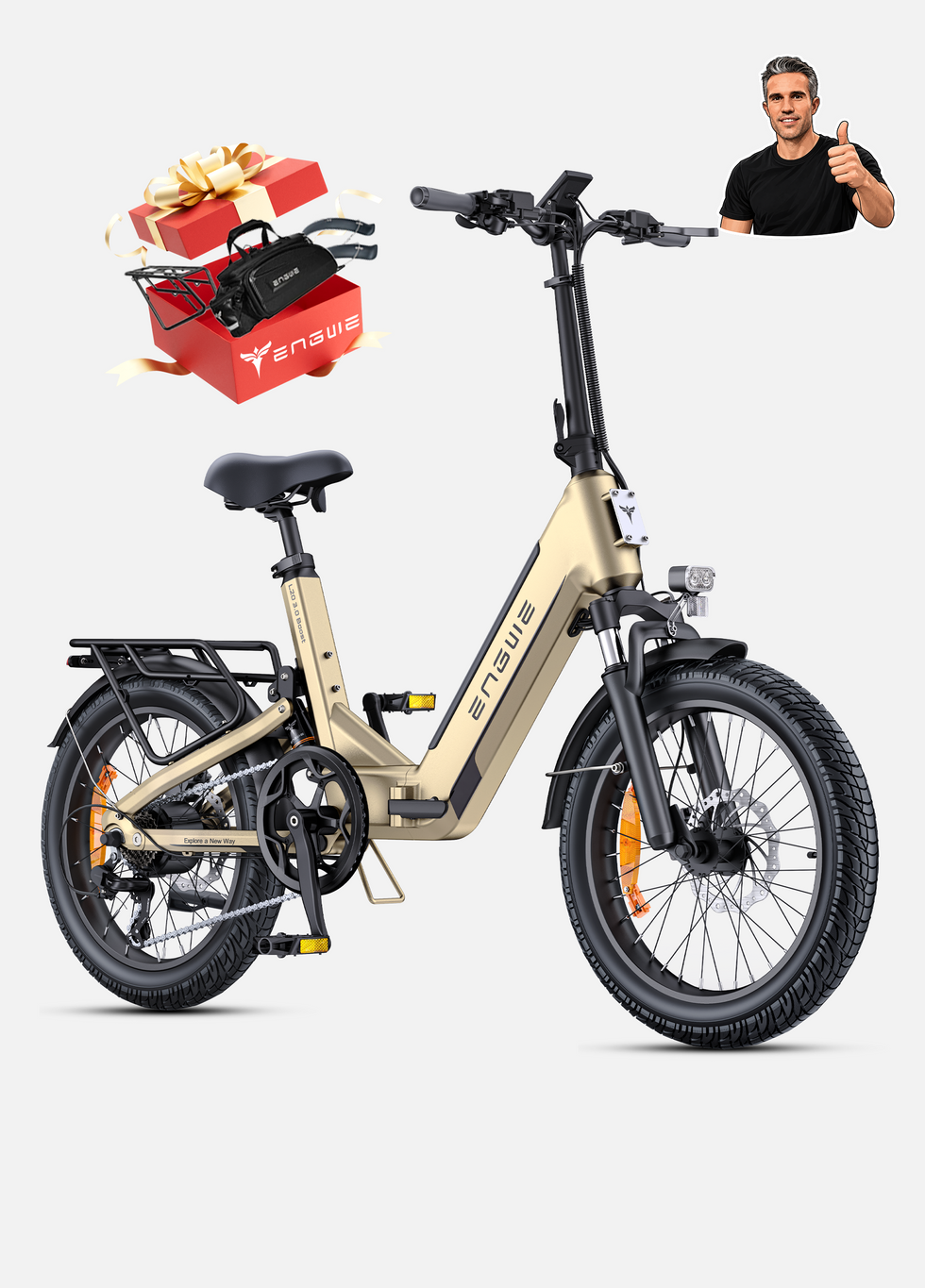
Ce vélo convient aux cyclistes qui privilégient le confort, la facilité d'enjambement, les accessoires pratiques et une utilisation quotidienne stable. Les essais réalisés en Italie confirment également que

Vélo électrique compact tout suspendu avec puissance Boost de 250 W et 75 Nm
Acheter maintenantENGWE Zip
C'est le plus approprié

ENGWE Engine X
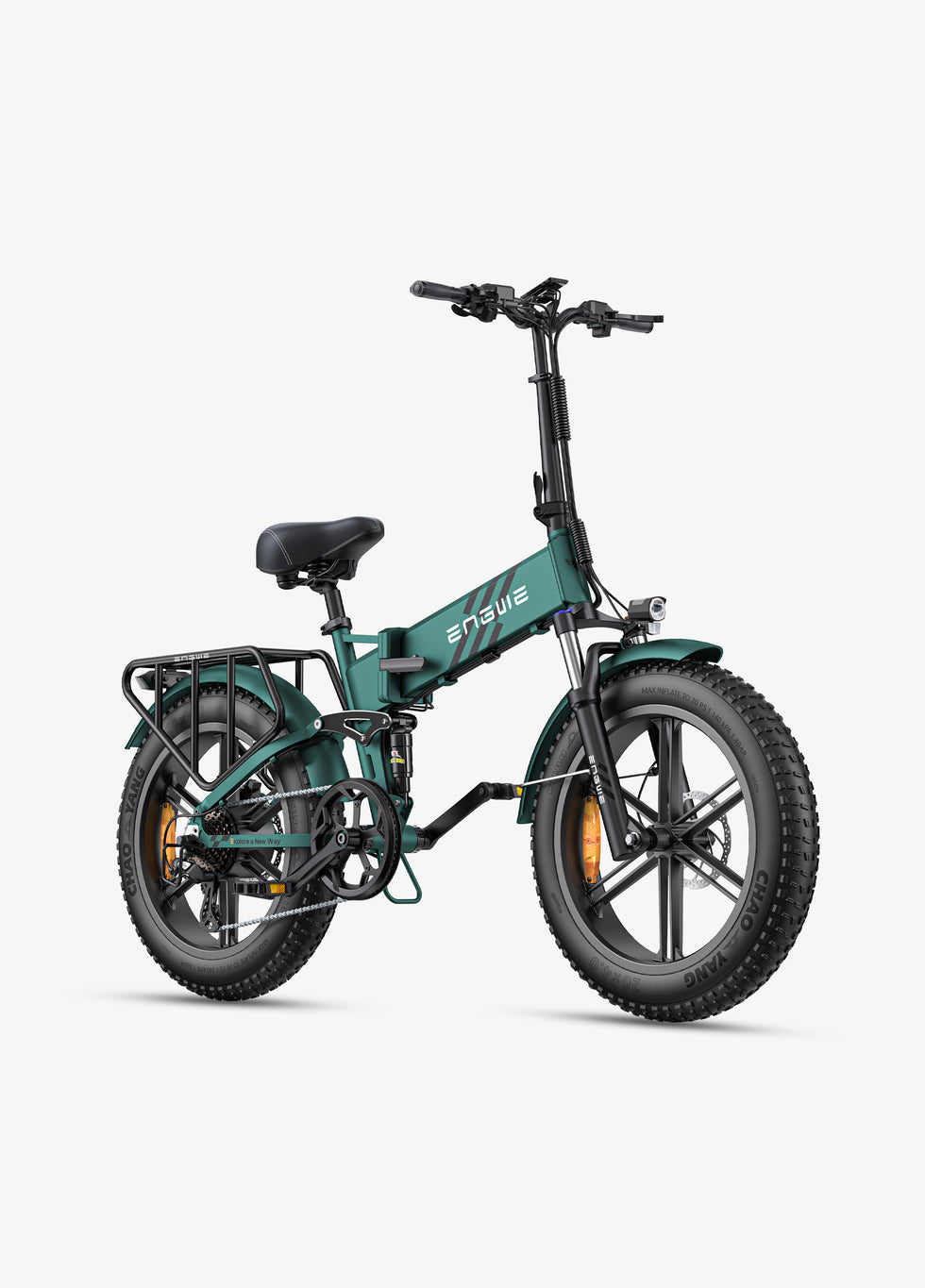
Ce vélo Il est idéal pour les camping-cars disposant d'un grand espace de rangement. Il se comporte mieux sur les chemins accidentés qu'un vélo compact à pneus étroits.

Vélo électrique pliable tout suspendu de 250 W et d'une autonomie de 100 km. Vitesse maximale : 25 km/h.
Acheter maintenant| Le cavalier a besoin | Meilleur | Raison principale |
|---|---|---|
| Meilleur équilibre global de voyage | Couple puissant, grande autonomie, format compact | |
| Terrains de camping mixtes | Pneus larges et capteur de couple | |
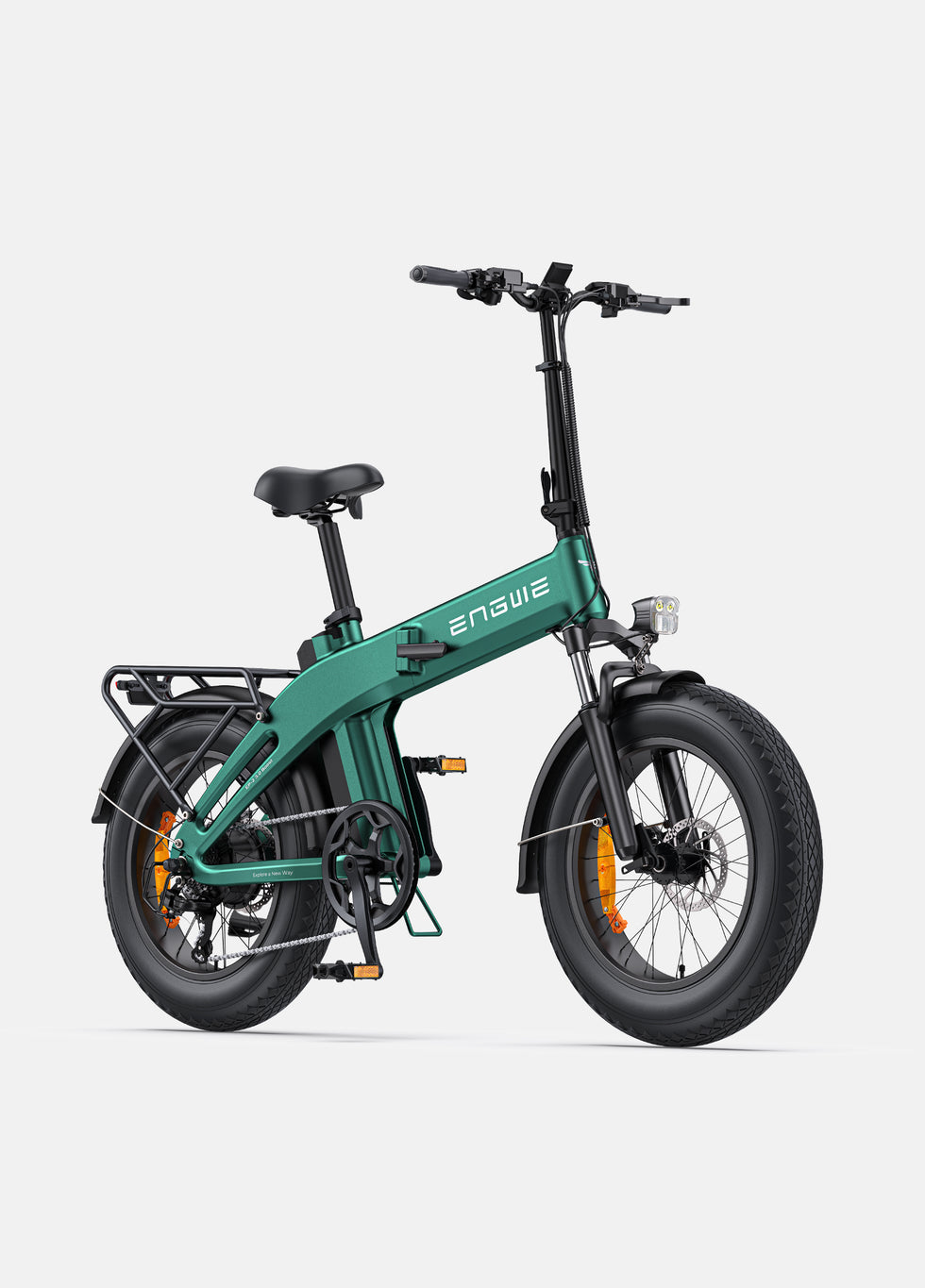
| Confort et utilité | Cadre ouvert et suspension intégrale | |
| Emballage léger | Poids réduit et pliage rapide | |
| Itinéraires de loisirs plus accidentés | Pneus larges et suspension intégrale |
Le chargement de la batterie et les packs amovibles facilitent l'utilisation quotidienne
La conception de la batterie influe davantage sur les déplacements quotidiens que beaucoup d'acheteurs ne le pensent. Un vélo électrique pliable avec batterie amovible est plus facile à recharger, à soulever et à protéger pendant le stockage. C'est un avantage non négligeable lorsque le vélo est stationné pour la nuit, branché sur une prise électrique de camping ou stocké dans un environnement à températures variables.
Batterie amovible
Une batterie amovible permet au cycliste de recharger son vélo à l'intérieur du véhicule. Elle permet également de réduire le poids du vélo à soulever avant de le charger.
Cette fonctionnalité est pratique pour les cyclistes qui se garent à l'extérieur, séjournent dans des campings ou rangent leur vélo dans un garage. Une batterie amovible est également utile lorsque la prise de charge est plus accessible à l'intérieur de l'habitation.
Recharge de camping
La plupart des cyclistes peuvent recharger leur vélo sur une prise électrique standard de camping, à condition que leur installation soit compatible avec le chargeur en toute sécurité. Ils doivent éviter de surcharger les prises et suivre les instructions du chargeur fournies avec le vélo.
La recharge rapide peut s'avérer utile les jours de voyage.
Entreposage par temps froid
Les batteries fonctionnent de préférence dans des conditions modérées. Un stockage à très basse température peut réduire leur autonomie, tandis qu'une forte chaleur à l'intérieur d'un véhicule fermé peut les endommager.
Une bonne pratique consiste à retirer la batterie lors des arrêts prolongés, à éviter de l'exposer directement au soleil et à la recharger dans un endroit sec et aéré. Cela préserve les performances et la durée de vie de la batterie.
Temps de charge
Le temps de charge influence l'adéquation du vélo à vos habitudes de voyage. Un vélo se rechargeant pendant la nuit peut convenir aux longs trajets, tandis qu'un chargeur plus rapide sera plus pratique pour les courts séjours.
Il est conseillé aux acheteurs de comparer la puissance du chargeur, la capacité de la batterie et l'utilisation réelle. Une batterie plus grande peut mettre plus de temps à se charger, mais nécessitera probablement moins de cycles de charge.
L'emballage et la sécurité nécessitent leur propre liste de contrôle d'achat
Un voyage vélo électrique pliable Il est indispensable d'établir un plan de rangement et de sécurité avant le premier voyage. Les questions essentielles concernent l'emplacement du vélo, son arrimage, le rangement de la batterie, le verrouillage du véhicule et sa protection contre la pluie, les vibrations et le vol.
Rack ou garage
Le rangement intérieur protège le vélo des intempéries et du vol, mais nécessite suffisamment d'espace et un accès dégagé pour le chargement. Les porte-vélos arrière libèrent de l'espace à l'intérieur du véhicule, mais allongent ce dernier et exposent le vélo.
Un vélo plié à l'intérieur du garage est une bonne solution si le vélo ne bouge pas pendant le trajet. Un rembourrage doux, des points d'ancrage pour les sangles et le retrait de la batterie permettent d'éviter les dommages.
Points d'arrimage
Un vélo pliant ne doit pas reposer sur son dérailleur, ses pédales, son écran ou ses câbles comme points de contact. Ces pièces peuvent être endommagées par les vibrations.
Utilisez les sangles autour des parties robustes du cadre, et non autour des composants fragiles. Vérifiez le vélo après le premier court trajet, car les mouvements ne se manifestent souvent qu'après de véritables vibrations de la route.
Stratégie de verrouillage
La sécurité ne doit pas reposer sur un seul antivol. Un système pratique comprend un antivol de cadre ou une chaîne, un rangement à l'intérieur lorsque c'est possible et le retrait de la batterie lorsqu'on laisse le vélo sans surveillance.
Les voyageurs qui se garent près des zones touristiques fréquentées devraient considérer un vélo électrique pliable comme un bien précieux. Son format compact facilite le rangement, mais le rend également plus facile à déplacer s'il n'est pas attaché.
Protection contre la pluie
Les housses de pluie sont utiles lorsqu'on utilise un porte-bagages extérieur, mais elles doivent être correctement fixées. Une housse mal fixée peut claquer au vent, retenir l'humidité ou prendre la prise du vent pendant la conduite.
Le rangement interne réduit ces problèmes. Si le vélo est utilisé à l'extérieur, vérifiez l'écran, les contacts de la batterie, les feux et la transmission après chaque sortie sous la pluie.
Le terrain, les pneus et la suspension dépendent du style de voyage.
Le choix des pneus et de la suspension dépend du terrain. Un vélo électrique compact avec des pneus étroits est idéal pour les rues et les pistes cyclables. Un vélo pliant à gros pneus ou tout-suspendu est plus adapté aux chemins de gravier, à l'herbe, aux routes de camping accidentées et aux cyclistes qui privilégient la stabilité à la facilité de transport.
Escapades citadines
En ville, un vélo électrique pliable et compact est idéal. Plus petit, il est plus facile à garer, à transporter et à manœuvrer dans les zones encombrées.
Sentiers au bord du lac
Les itinéraires longeant les lacs alternent souvent pistes cyclables lisses, chemins de gravier léger, courtes montées et zones piétonnes animées. Le confort et un freinage maîtrisé sont essentiels.
UN vélo électrique à grande autonomie Elle offre aux cyclistes une plus grande liberté pour les détours pittoresques. La configuration optimale associe des pneus stables, des freins hydrauliques et une batterie offrant une autonomie d'une journée entière avec une réserve.
Chemins de gravier
Les chemins de gravier privilégient des pneus plus larges et un cadre plus stable. Les pneus larges améliorent l'adhérence sur les surfaces meubles, tandis que la suspension contribue à réduire les vibrations.
Campings de montagne
Les bivouacs en montagne mettent à l'épreuve le couple, la transmission, les freins et la confiance du cycliste. Un vélo avec un couple utile et un capteur réactif sera plus agréable à piloter lors des redémarrages en côte.
Un moteur de 250 W peut parfaitement gérer les côtes quotidiennes s'il est associé à un couple, une transmission et un effort du cycliste adaptés. L'essentiel n'est pas la puissance brute, mais la fluidité avec laquelle le moteur assiste le pédalage.
Quel vélo électrique pliable convient à chaque conducteur de camping-car ?
Le meilleur vélo électrique pliable Cela dépend du type de déplacement du cycliste. Les couples privilégient l'espace de rangement, les cyclistes légers recherchent un vélo peu lourd, les adeptes du gravel ont besoin de pneus fiables et les acheteurs soucieux du rapport qualité-prix recherchent un équilibre optimal entre autonomie, confort, freinage et service après-vente.
Idéal pour les couples
Les couples devraient comparer l'encombrement plié de deux vélos, et non d'un seul. Deux grands vélos pliants à gros pneus peuvent nécessiter beaucoup plus d'espace de rangement qu'on ne le pense.
Idéal pour voyager léger
Un briquet Le vélo électrique pliable facilite son utilisation pour les voyageurs solitaires et les cyclistes qui doivent souvent soulever leur vélo.
Son poids réduit, son format compact une fois plié, sa batterie amovible et ses pneus adaptés à la ville en font un vélo facile à transporter. Les cyclistes ayant besoin de plus de couple et d'une plus grande autonomie préféreront peut-être le O20 Boost.
Idéal pour les sorties sur gravier
Les sorties sur gravier nécessitent adhérence et confort.
Meilleur choix en termes de rapport qualité-prix
Le meilleur choix en termes de rapport qualité-prix est le vélo qui correspond à votre quotidien. Pour la plupart des voyageurs en camping-car ou en fourgon aménagé,
Pour un emballage plus léger, choisissez
FAQ sur le choix d'un vélo électrique pliant pour un camping-car
Un vélo électrique pliant peut-il tenir dans un camping-car ?
Un vélo électrique pliant peut-il tenir dans un camping-car ?
A un vélo électrique pliant peut tenir dans de nombreux camping-cars, mais les acheteurs doivent vérifier les dimensions du vélo plié par rapport à l'espace de rangement réel. Les soutes sous le lit, les coffres arrière et les espaces de coffre varient considérablement, le cadre plié, le guidon, les pédales et le porte-bagages ont donc tous leur importance.
Pour faire le choix le plus sûr, mesurez d'abord l'espace de rangement. Comparez ensuite ces mesures avec les dimensions du vélo plié, et non seulement avec ses dimensions dépliées.
250 W est-il suffisant pour les campings en colline ?
250 W est-il suffisant pour les campings en colline ?
Un vélo à assistance électrique de 250 W peut suffire pour les campings vallonnés lorsqu'il dispose d'un couple utile, d'une transmission adaptée et d'un capteur réactif. L'assistance au pédalage de type européen est conçue pour assister le cycliste, et non pour remplacer le pédalage.
Le couple est primordial lors des démarrages et des montées lentes. Les cyclistes qui affrontent souvent des pentes raides devraient privilégier des valeurs en Nm plus élevées, des freins hydrauliques et une position de conduite stable.
Les pneus larges sont-ils utiles pour les voyages en camping ?
Les pneus larges sont-ils utiles pour les voyages en camping ?
Les pneus larges sont utiles lorsque les séjours en camping incluent des chemins de gravier, de l'herbe, de la boue, du sable ou des pistes de camping accidentées. Ils apportent de l'adhérence et de la stabilité sur les surfaces meubles.
Ils ajoutent également du poids et de la résistance au roulement. Les cyclistes qui empruntent principalement des pistes cyclables asphaltées et des rues urbaines pourraient préférer un vélo électrique compact plus léger avec des pneus plus fins.
De quelle autonomie les conducteurs de camping-cars ont-ils besoin ?
De quelle autonomie les conducteurs de camping-cars ont-ils besoin ?
De nombreux camping-caristes peuvent effectuer leurs trajets quotidiens avec une autonomie réelle de 30 à 50 km, mais une marge supplémentaire est utile. Les détours, les côtes, le vent, les bagages et des niveaux d'assistance plus élevés peuvent réduire la distance.
Un vélo électrique à grande autonomie est idéal lorsque les cyclistes résident en dehors de la ville, empruntent des itinéraires pittoresques ou se déplacent sans recharger tous les jours. Comparez toujours l'autonomie réelle selon le niveau d'assistance.
Dois-je retirer la batterie avant le stockage ?
Dois-je retirer la batterie avant le stockage ?
Retirer la batterie est une bonne habitude lors du chargement, de la recharge ou du stockage du vélo pendant des périodes prolongées. Cela permet de réduire le poids à soulever et de protéger la batterie de la chaleur, du froid ou du vol.
C'est pourquoi une batterie amovible est l'une des fonctionnalités de voyage les plus utiles. Cela rend le vélo plus facile à gérer au-delà du trajet lui-même.
Quel modèle <tc>ENGWE</tc> est le plus facile à ranger ?
Quel modèle <tc>ENGWE</tc> est le plus facile à ranger ?
<tc>ENGWE Zip</tc> est le <tc>ENGWE</tc> le plus facile à ranger car il présente le poids le plus faible et le pliage le plus compact. Il pèse 16,9 kg sans batterie et 19,4 kg avec batterie.
<tc>ENGWE O20 Boost</tc> est le meilleur choix polyvalent pour le voyage lorsque l'utilisateur recherche plus de couple, une plus grande capacité de batterie et une sensation plus robuste au quotidien. Il convient aux voyageurs en camping-car qui souhaitent un rangement compact sans sacrifier l'autonomie et l'assistance en côte.