

De lichtste elektrische fiets De fiets met het laagste gewicht op papier is niet altijd de beste keuze. Voor Duitse fietsers is de beste optie de fiets die past bij dagelijkse opslag, gebruik in de trein, stadsritten en rijstijl, met zo min mogelijk compromissen. Dit artikel vergelijkt vouwfietsen, forenzenfietsen en racefietsen en legt vervolgens uit hoe gewicht, actieradius, pasvorm en service de juiste aankoopbeslissing beïnvloeden.
11 topkeuzes voor verschillende rijbehoeften
Voor veel Duitse kopers is de lichtste elektrische fiets niet simpelweg degene met het laagste getal op de weegschaal. De betere vraag is hoe gemakkelijk hij trappen op kan, in een fietsenstalling past, geschikt is voor treinverbindingen, geschikt is voor dagelijkse kilometers in de stad en wat voor soort rit je eigenlijk wilt maken als de motor bij 25 km/u uitschakelt.
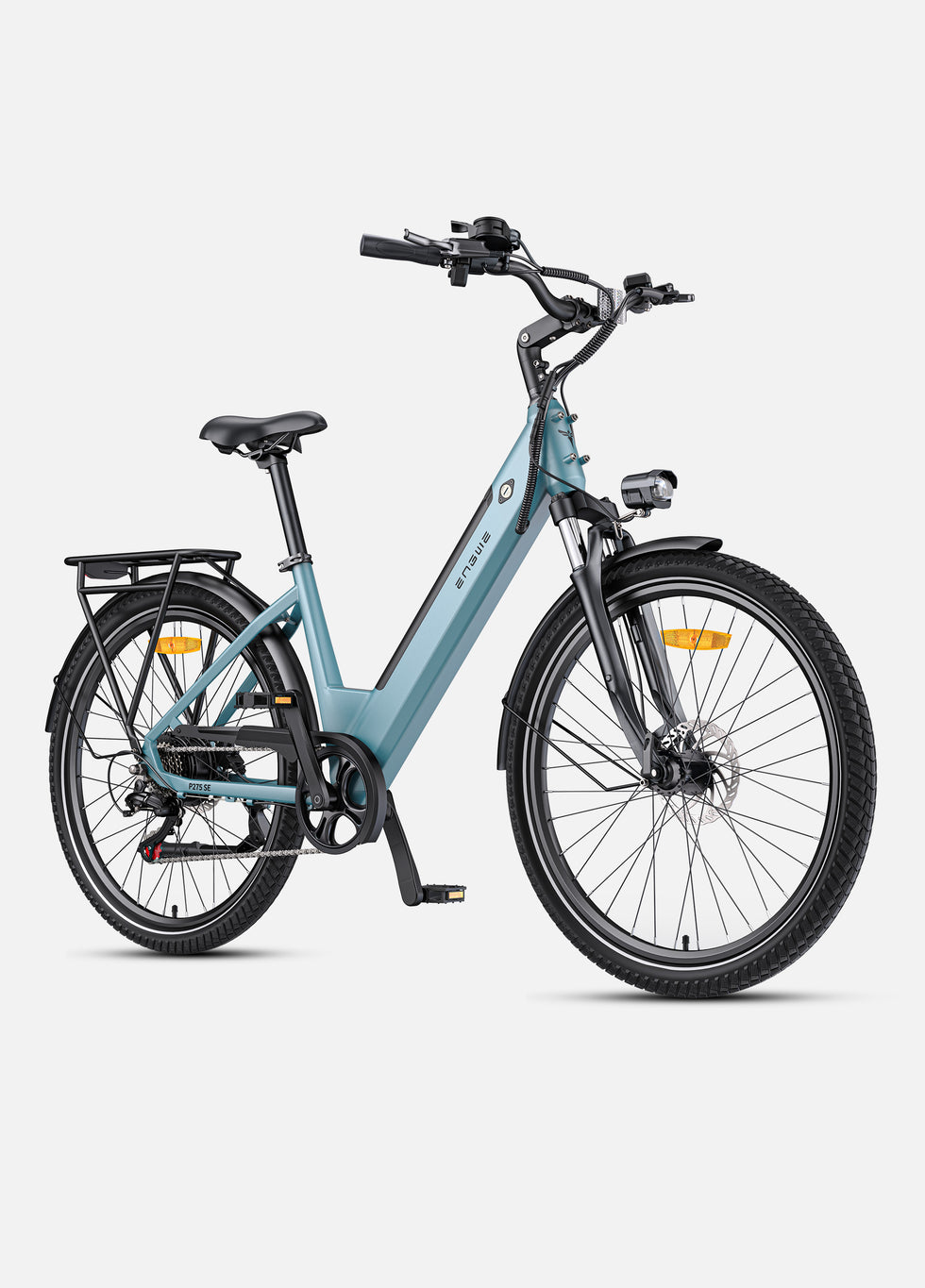
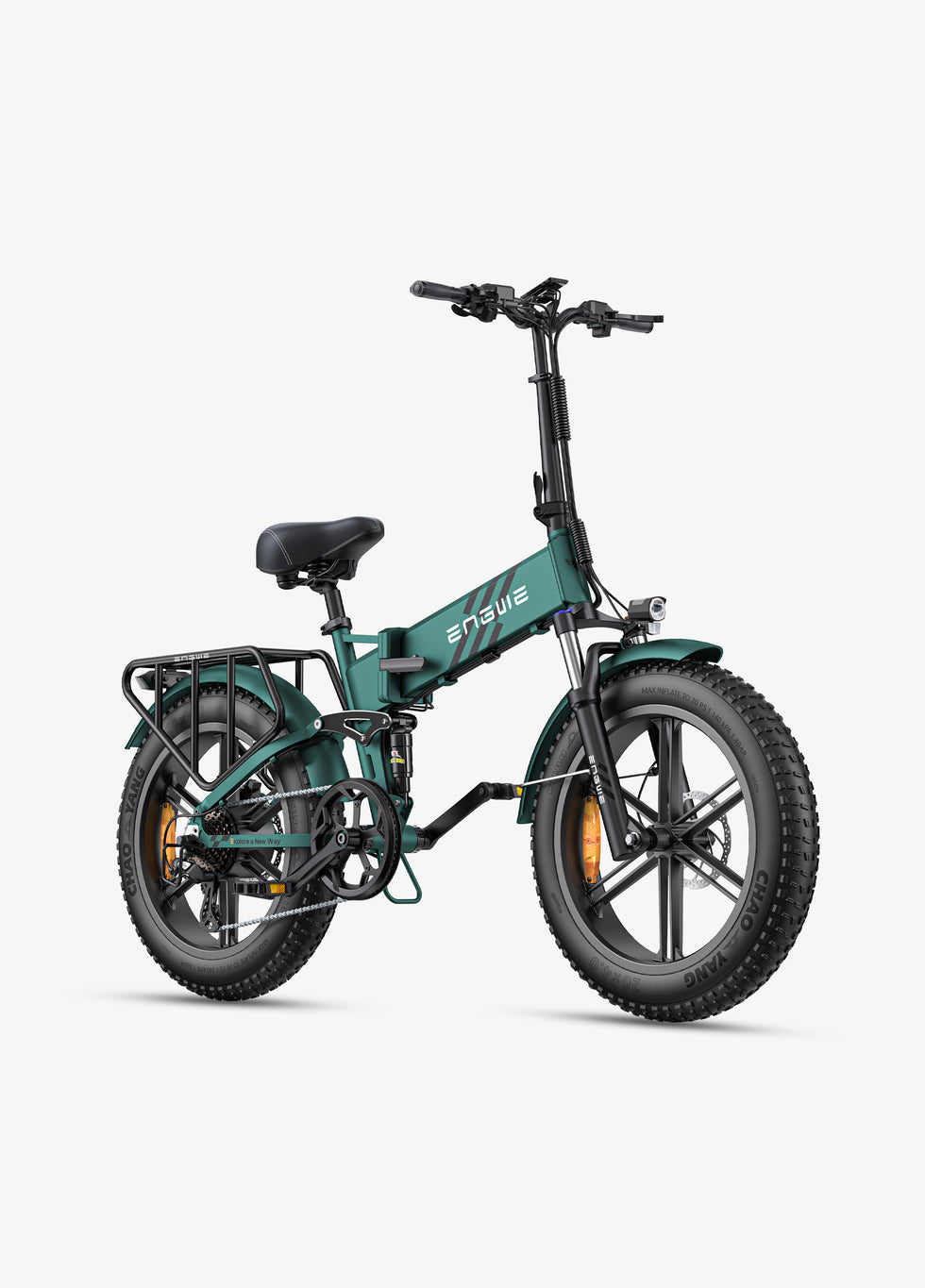
ENGWE Zip
16,9 kg zonder accu | 250W achternaafmotor | 40 Nm | tot 120 km | in 3 seconden op te vouwen

Brompton Electric P-lijn
Brompton Electric P-lijn — van €4,499. 00
vanaf 12,7 kg (alleen fiets)/15,6 kg rijklaar | 4 versnellingen | actieradius tot 90 km | opvouwbaar stadsplatform
Het meest herkenbare kenmerk van Brompton blijft het vouwmechanisme. Het voelt nog steeds als de maatstaf voor topkwaliteit wanneer het er echt om gaat een fiets door een station, een appartement of onder een bureau te dragen, en de officiële cijfers verklaren waarom: Brompton noemt het zijn lichtste elektrische model, met de Electric P Line verkrijgbaar vanaf 12,7 kg, of 15,6 kg inclusief accu. De actieradius bedraagt tot 90 kilometer, en het titanium achterframe plus gewichtsbesparende onderdelen zorgen ervoor dat hij sneller en gemakkelijker op te tillen is dan de meeste opvouwbare e-bikes. Dat gezegd hebbende, valt de aankoopbeslissing in een heel andere categorie dan die van een elektrische fiets.
Van Rysel E-EDR
Van Rysel E-EDR — van €1,989. 99
minder dan 15 kg in maat M | Mahle X35 motor | hydraulische schijfremmen | endurance racefietsgeometrie | racefietsgerichte ondersteuning
De Van Rysel E-EDR is een logische keuze wanneer snelheid op de weg met lichte trapondersteuning belangrijker is dan het gemak van een inklapbare fiets. Het sterkste punt is de prijs-kwaliteitverhouding binnen de categorie elektrische racefietsen.Decathlon Duitsland biedt momenteel meerdere E-EDR-varianten aan, waaronder uitvoeringen met Shimano 105, SRAM Apex AXS en 105 Di2. Het merk positioneert de fiets onder de 15 kg in maat M met een compacte Mahle-motor en hydraulische schijfremmen. Dat is genoeg om hem meer te laten aanvoelen als een endurance racefiets dan als een typische e-bike voor woon-werkverkeer. De variatie in uitvoeringen is handig omdat kopers kunnen kiezen tussen eenvoudigere mechanische versnellingen en duurdere elektronische uitvoeringen zonder het basisplatform te hoeven veranderen. De beperking is meer praktisch dan emotioneel: op de ondersteuningspagina staat dat de accu niet verwijderbaar is en op de fiets moet worden opgeladen, terwijl het verwijderen van de accu een klusje is dat bij een servicepunt moet worden gedaan. Voor een Duitse fietser met een overdekte fietsenstalling en een stopcontact in de buurt is dat geen probleem.
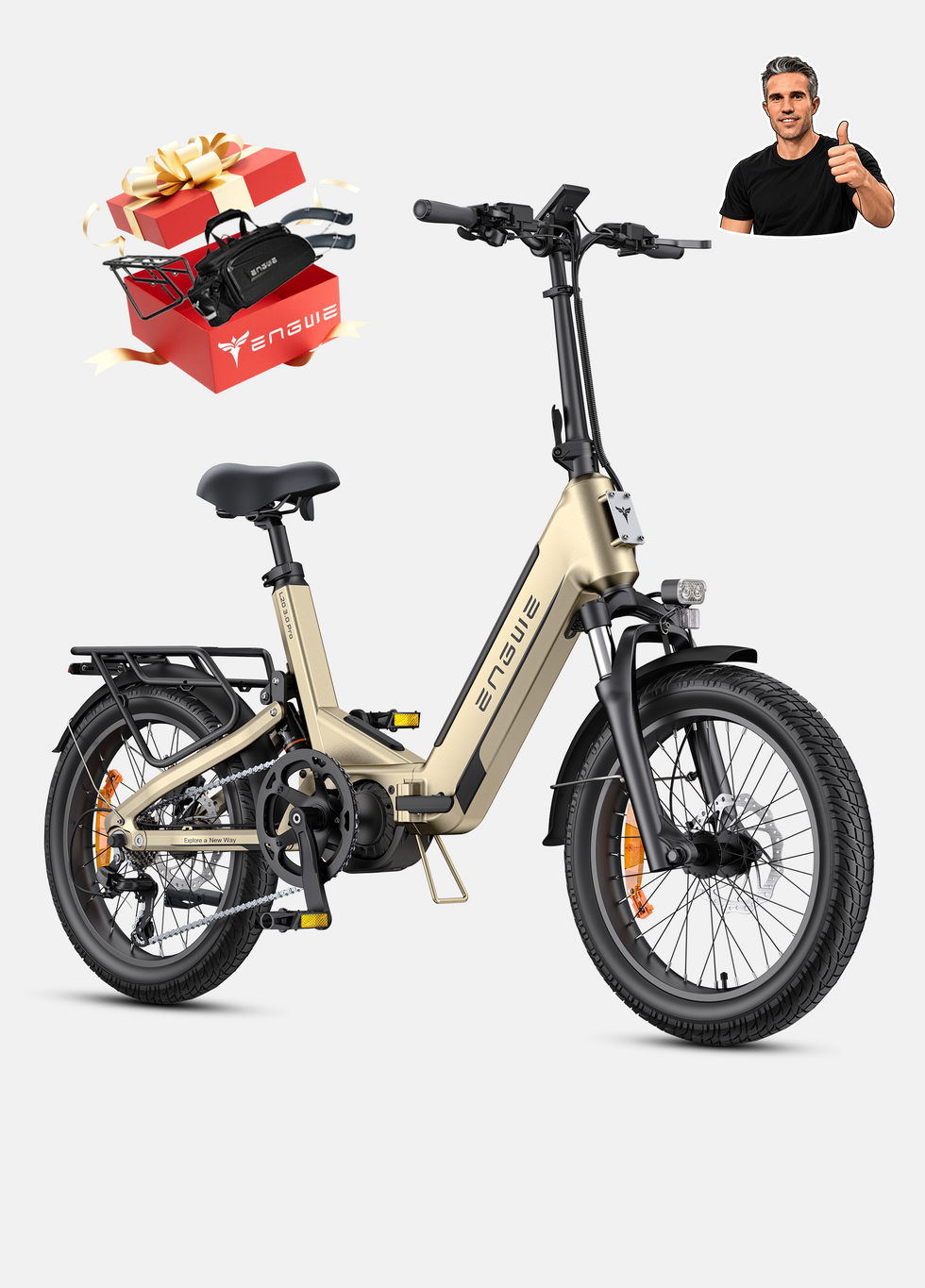
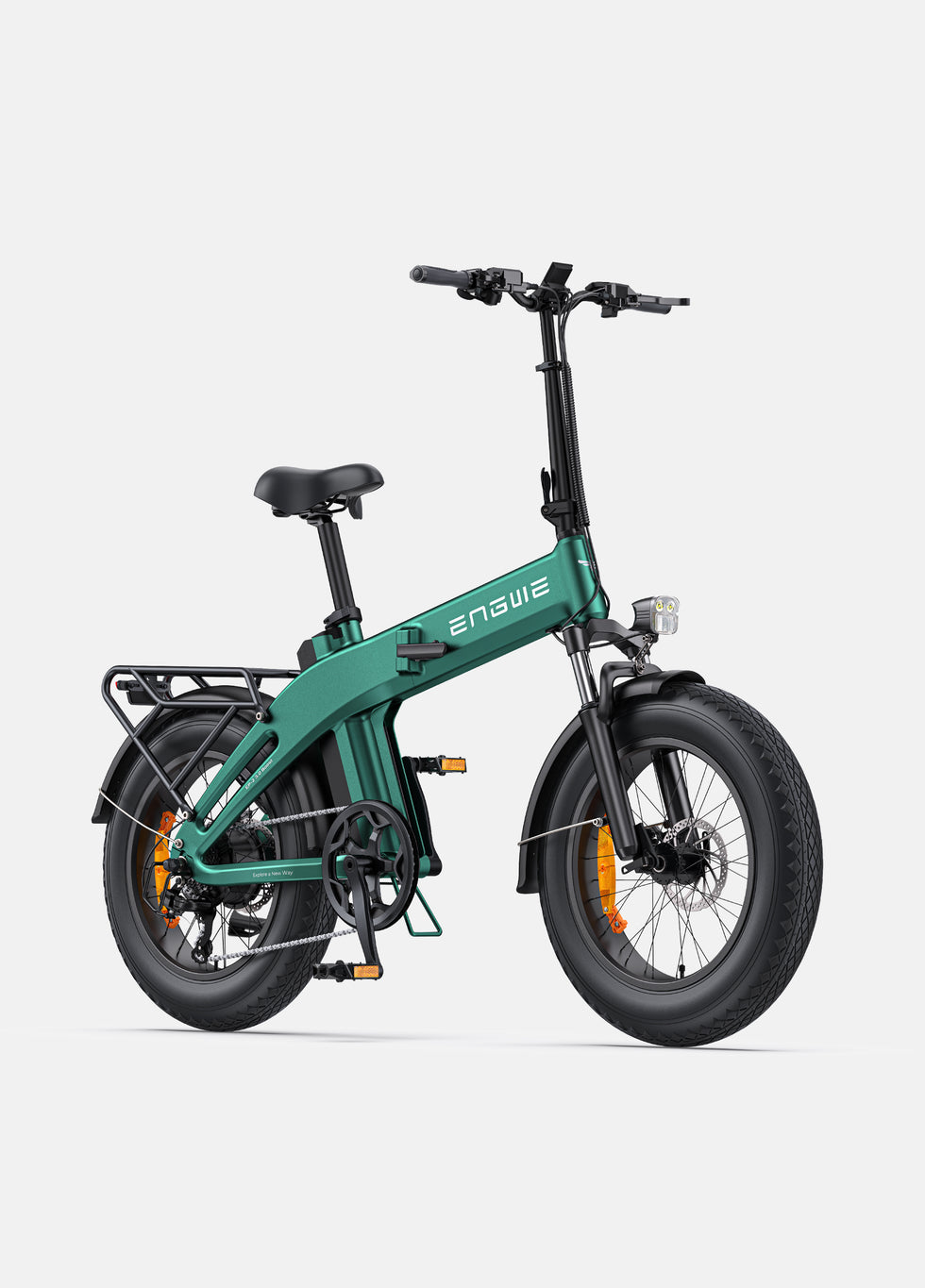
ENGWE L20 3.0 Pro
32,8 kg | 250W middenmotor | 100 Nm | 48V 15Ah/720Wh | 20 × 3.0 inch banden | volledige vering
De
Er is hier ook een belangrijk praktisch aspect. Een inklapbaar frame is minder belangrijk in de specificaties dan in een kelder, lift of kofferbak, en de lage instap maakt stadsritten met veel stoppen en starten minder ongemakkelijk, vooral als je een tas bij je hebt of gewone kleding draagt.

Trek Domane+ SLR
Trek Domane+ SLR — van €8,499. 00
vanaf 11,75 kg | TQ HPR50 | 50 Nm | 360 Wh | tot 95 km | 40 mm bandenspeling
Trek benadert de vraag naar de lichtste elektrische fiets als een hoogwaardig project voor langeafstandsracefietsen, en de Domane+ SLR voelt precies zo aan. Op de Duitse website van Trek begint het aanbod bij... €8,499, De modellenreeks is gebouwd rond het compacte TQ HPR50-systeem, een 360 Wh-accu, 40 mm bandenspeling en een opgegeven gewicht van slechts 11,75 kg. Dat is belangrijk, omdat het rijgevoel daardoor veel dichter bij dat van een akoestische racefiets ligt dan bij dat van een typische, logge e-bike, vooral wanneer de snelheid stabiel is en de trapondersteuning onopvallend op de achtergrond werkt.
De grote variatie in modellen draagt bij aan de aantrekkelijke prijs-kwaliteitverhouding. Trek biedt verschillende Domane+ SLR-uitvoeringen aan, waardoor de koper niet zozeer voor één fixed gear-fiets kiest, maar eerder voor één platform met verschillende componenten en prijsklassen. De daadwerkelijke bruikbaarheid is ook breder dan het gewicht doet vermoeden, omdat de 40 mm bodemvrijheid de fiets meer bewegingsvrijheid geeft op slecht wegdek en lichte allroad-ondergronden dan veel frames die specifiek voor de weg zijn ontworpen.De waarschuwing is simpel: dit is in de eerste plaats een hoogwaardige elektrische racefiets, geen opvouwbare of compacte forenzenfiets, en de prijs plaatst hem in een compleet andere categorie dan praktische stadsfietsen. Voor fietsers die de rijeigenschappen van een racefiets willen met subtiele ondersteuning en zonder de visuele omvang van een e-bike, blijft dit een van de meest strakke uitvoeringen in deze klasse.
Pinarello Nytro E7
Pinarello Nytro E7 — €8,550. 00 (Officiële dealervermelding voor Duitsland; de officiële Pinarello-productpagina toont geen verkoopprijs)
TQ HPR50 aandrijving | 360 Wh geïntegreerde accu | TorayCa T900 UD carbon frame | Ultegra Di2 | racefietsgeometrie
De Nytro E7 is de meest stijlvolle fiets in deze groep, maar het gaat niet alleen om het merkimago. Pinarello heeft hem gebouwd rond een TQ HPR50-aandrijving, een geïntegreerde accu van 360 Wh, een TorayCa T900 UD carbon frame en Ultegra Di2. Dit geeft hem de hardware die je van een premium racefiets met trapondersteuning mag verwachten, in plaats van een afgezwakte forenzenfiets. Het sterkste punt is hoe de fiets de kenmerkende racefietsidentiteit van Pinarello behoudt. Details zoals de ONDA-voorvork, de asymmetrische framevormgeving en de TiCR-kabelgeleiding zorgen ervoor dat de fiets aanvoelt als een verlengstuk van de prestatiegerichte racefietsen van het merk, en niet als een apart e-bike-experiment.
Dat gezegd hebbende, is de praktische interpretatie beperkter dan de visuele. De huidige indeling van het modellengamma op de officiële website van Pinarello toont de E5, E7 en E9 wegversies, dus de E7 bevindt zich in het midden van de familie, niet aan de instap- of topkant. De dealerlijst voor Duitsland vermeldt de E7 Road 2025 op... €8,550, Dit plaatst hem stevig in het premiumsegment. Hij kan het best worden gezien als een prestatiegerichte elektrische racefiets voor rijders die meer waarde hechten aan ondersteuning bij het klimmen, het gevoel van een carbon racefiets en een hoogwaardige afwerking dan aan flexibiliteit voor woon-werkverkeer. Het belangrijkste aandachtspunt is dat Duitse kopers de lokale service na verkoop en de exacte beschikbaarheid van de uitvoering via de dealer moeten controleren, omdat de officiële productpagina zelf geen directe verkoopprijs voor Duitsland vermeldt.
Specialized Turbo Creo 2
Specialized Turbo Creo 2 — van €4,599. 00
vanaf 14,99 kg (E5 Comp)/14,55 kg (Comp carbon) | SL 1.2 motor | 50 Nm | 320 W | 320 Wh | ruimte voor banden tot 47C
Specialized benadert deze categorie vanuit een tegengestelde invalshoek ten opzichte van een klassieke, puur op de weg gerichte fiets. Bij de Creo 2 gaat het niet alleen om gewichtsbesparing; het gaat erom een lichtgewicht elektrische fiets te behouden die veelzijdig genoeg is voor de weg, slecht wegdek en onverharde paden, zonder oncomfortabel of nerveus aan te voelen. Op de Duitse website begint de serie bij... €4,599 voor de Creo 2 Comp E5, terwijl de carbon Comp zich bevindt op €5,999. De meetbare verschillen zijn wel degelijk van belang: de E5 Comp weegt 14,99 kg in maat 56, terwijl de carbon Comp 14,55 kg weegt. Er is dus wel degelijk een merkbaar, maar niet dramatisch, verschil in gewicht bij het kiezen van een maat groter.
De rijeigenschappen zijn sterker dan alleen de cijfers doen vermoeden. Specialized combineert het SL 1.2-systeem met 50 Nm koppel, 320 W vermogen, een 320 Wh accu en bandenspeling tot 47C, en voegt daar, afhankelijk van de configuratie, de Future Shock-setup aan toe. Dat geeft de fiets een breder comfortbereik dan een smal platform dat alleen voor de weg is ontworpen en maakt hem veel aantrekkelijker voor Duitse fietsers die hun tijd verdelen tussen lange ritten op de weg, ruige fietspaden en lichte gravelpaden. De beperking is dat het nog steeds geen opvouwbare of ultradraagbare fiets is, en het geïntegreerde concept betekent dat je een meer premium, systeemgericht platform koopt in plaats van een simpel vervoersmiddel voor woon-werkverkeer. Desondanks blijft de Creo 2 voor fietsers die één e-bike met racestuur willen voor verschillende ondergronden, een van de meest overtuigende allround interpretaties van dit segment.
LeMond Prolog
LeMond Prolog — €5,177
11.7 kg/26 lb | Mahle X35+ achternaafmotor | 250W | 40 Nm | 250Wh accu | tot 112 km
Het sterkste punt van de Prolog is hoe weinig hij eruitziet en aanvoelt als een conventionele e-bike. LeMond heeft hem gebouwd rond een frame, vork, stuurpen en stuur van carbon, en dat gewicht van 12 kg geeft de fiets een echt voordeel bij het tillen door een gang, op een fietsendrager of door een smal trappenhuis. Het Mahle X35+ systeem en de 40 Nm koppel zijn bescheiden vergeleken met e-bikes voor vrachtvervoer of SUV's, maar dat is precies waarom de fiets geschikt is voor soepele snelheden in de stad en snel woon-werkverkeer, in plaats van zware trapondersteuning. Het gemak blijkt ook uit de geïntegreerde verlichting en de optionele Mahle range extender, die 216 Wh extra capaciteit biedt en de totale accucapaciteit met 88% verhoogt. De beperking zit hem in de regelgeving, niet in het ontwerp: LeMond geeft in de officiële documentatie nog steeds aan dat de fiets een ondersteuning van maximaal 32 km/u biedt. Kopers die naar Duitsland reizen, moeten daarom de wettelijke classificatie en de ondersteuning van de importeur controleren voordat ze de fiets als een gewone lokale aankoop beschouwen. Voor fietsers die een verfijnde, lichtgewicht elektrische fiets willen met een focus op stadsgebruik en een hoogwaardige carbonconstructie, blijft dit een van de meest doordachte ontwerpen in deze categorie.
Prodrive Electric 2.0
Prodrive Electric 2.0 — £4,495. 00
10,3 kg | 250W alles-in-één achternaafsysteem | 40 Nm | actieradius van meer dan 50 km | in 5 seconden op te vouwen | 16-inch wielen
Dit is het meest directe antwoord op de vraag naar de lichtste opvouwbare elektrische fiets. Prodrive noemt het 's werelds lichtste opvouwbare e-bike en de officiële productpagina ondersteunt die bewering met een gewicht van 10,3 kg, een opvouwproces van vijf seconden, 16-inch wielen en een alles-in-één 250W Zehus-achternaafsysteem met 40 Nm koppel en een actieradius van meer dan 50 km. Deze cijfers zijn belangrijk omdat ze de draagbaarheid meetbaar maken, in plaats van een louter decoratief aspect. Een fiets van dit gewicht is echt gemakkelijk te verplaatsen door een appartement, kantoor of treinstation, en de compacte afmetingen in opgevouwen toestand maken hem veel praktischer om op te bergen dan de meeste zwaardere opvouwbare elektrische fietsen. Volgens de officiële website zijn de EU-belastingen en -heffingen bij de prijs inbegrepen, wat een Duitse koper helpt de werkelijke kosten te bepalen. Het nadeel zit hem in de gebruikswijze. Kleine wielen, een korte wielbasis en een op de stad gerichte configuratie maken hem uitstekend geschikt voor korte ritjes in de stad, maar minder geschikt voor lange ritten op de weg of ruwe ondergrond. Het is een knap staaltje techniek, maar tegelijkertijd ook een specialistisch product.
Canyon Endurance: ONfly SUB-10
Canyon Endurance: ONfly SUB-10 — €9,999. 00
9,86 kg | TQ HPR40 motor | 290 Wh accu | Shimano Dura-Ace Di2 | Officiële modelpagina Duitsland
De Canyon SUB-10 is de puurste, op racen gerichte interpretatie van de lichtste elektrische fiets in deze lijst. Het gewicht is 9,86 kg, en Canyon stelt expliciet dat dit topmodel lichter is dan veel racefietsen zonder trapondersteuning. Dat alleen al geeft hem een heel ander gevoel dan forenzenfietsen of vouwfietsen. De TQ HPR40-motor en de 290 Wh-accu zijn afgestemd op subtiliteit in plaats van brute kracht, en Canyon beschrijft de trapondersteuning als zo natuurlijk dat het voelt alsof je op je beste dag met de wind in de rug rijdt, in plaats van door een motor vooruit getrokken te worden. In de praktijk betekent dit dat deze fiets het meest geschikt is voor sterke wielrenners die ondersteuning willen bij hoogteverschillen, vermoeidheidsbeheersing of lange, snelle ritten, zonder het karakter van een hoogwaardige endurancefiets te verliezen. De beperking is duidelijk en moet duidelijk blijven: dit is een zeer dure, maatgebonden, op de weg gerichte machine zonder vouwfunctie en met weinig voordelen qua opbergruimte voor dagelijks gebruik. Voor woon-werkverkeer is hij prachtig, maar zeer selectief. Voor sportief wielrennen op de weg is het een van de scherpste producten in het segment.
Bianchi E-Oltre
Bianchi E-Oltre — van €5,250. 00
Mahle X30 | 250Wh accu | volledig carbon frame en vork | van 105 tot Dura-Ace Di2 uitvoeringen | topmodel weegt 11 kg
Bianchi geeft deze categorie een Italiaanse aerodynamische racefiets-interpretatie in plaats van een forenzen- of vouwfiets-uitstraling. Het sterkste kenmerk is dat de E-Oltre de rijervaring van een traditionele racefiets wil behouden, maar dan met subtiele elektrische ondersteuning. De officiële specificaties bevestigen dit met een volledig carbon frame en vork, een Mahle X30 aandrijfsysteem, een 250Wh accu en een topklasse Dura-Ace Di2-uitvoering met een gewicht van 11 kg. De diverse uitvoeringen dragen bij aan de aantrekkingskracht. Bianchi biedt de fiets aan in 105, Ultegra Di2 en Dura-Ace Di2 configuraties, waardoor kopers kunnen kiezen tussen een meer betaalbaar instapmodel en een zeer hoogwaardige racefiets-uitvoering. Dit maakt de modellijn overzichtelijker dan sommige andere modellen met slechts één topuitvoering. De praktische kanttekening is eenvoudiger dan de marketingpraatjes: dit is nog steeds een premium elektrische racefiets, geen compacte e-bike, en het geïntegreerde ontwerp is geschikt voor rijders die snelheid, strakke lijnen en wegligging belangrijker vinden dan flexibele oplaadmogelijkheden of compacte opbergruimte. Voor snelle clubritten met een lichter trapondersteuningssysteem is het echter een van de aantrekkelijkere opties op de markt.
Wat zorgt ervoor dat een e-bike echt licht aanvoelt?
Een superlichte elektrische fiets voelt niet alleen licht aan vanwege dat ene getal. Hij voelt licht aan wanneer het gewicht van het frame, de accucapaciteit, het motorvermogen en de dagelijkse gebruiksvriendelijkheid perfect op elkaar zijn afgestemd, zonder dat de fiets zwak, onhandig of moeilijk op te bergen aanvoelt.

Draaggewicht
Het gewicht dat je meedraagt, beïnvloedt het dagelijks gebruik meer dan de meeste specificaties. Een lichtgewicht elektrische fiets Een e-bike in de gewichtsklasse van 14-18 kg is doorgaans veel gemakkelijker de trap op te tillen, door een gang te manoeuvreren, op een rek te plaatsen of in een klein appartement op te bergen dan een standaard e-bike in de gewichtsklasse van 20-25 kg.
Dat verschil is vooral belangrijk in het stop-and-go-leven van de stad. Lichtere fietsen accelereren met minder inspanning, zijn makkelijker te parkeren en zorgen voor minder vermoeidheid bij langere woon-werkverkeer of hellingen. Voor fietsers die fietsen combineren met het openbaar vervoer, is een lager gewicht geen bijkomstigheid, maar vaak juist de reden dat de fiets regelmatig gebruikt wordt.
| Functie | Lichtgewicht e-bikes | Standaard e-bikes |
|---|---|---|
| Gewicht | 14–18 kg | 20–25 kg |
| Behandeling | Flexibel en responsief | Zwaarder en minder wendbaar |
| Vervoer | Makkelijker mee te nemen en op te bergen | Moeilijker te verplaatsen en op te tillen |
| Batterij-efficiëntie | Hogere efficiëntie per lading | Meer energievraag |
Motor en accu
De balans tussen motor en accu bepaalt of een fiets efficiënt aanvoelt of juist zwaar is. De beste modellen in de categorie lichtste elektrische fietsen maken gebruik van compacte accu's en een efficiënte motor, omdat bruikbaar vermogen belangrijker is dan grote, zware onderdelen.
Dit is waar veel kopers de plank volledig misslaan. Een lager gewicht betekent niet automatisch zwakke prestaties. Moderne systemen kunnen krachtige ondersteuning bieden zonder overmatig gewicht, en een middelgrote accu presteert in de praktijk vaak beter dan een grotere, zwaardere accu die extra volume toevoegt. Voor dagelijks gebruik is het doel niet het minimale formaat. Het doel is een bruikbaar gewicht met voldoende actieradius en ondersteuning voor de route die je daadwerkelijk rijdt.
Frame en vork
Het materiaal van het frame is een van de duidelijkste redenen waarom sommige fietsen merkbaar lichter aanvoelen.Aluminiumlegeringen blijven gangbaar omdat ze een goede balans bieden tussen duurzaamheid, stijfheid en een laag gewicht, terwijl koolstofvezel het gewicht nog verder verlaagt wanneer merken een meer hoogwaardig resultaat willen.
Gewicht alleen is echter niet voldoende. Een goed ontworpen, lichtgewicht elektrische fiets heeft ook een stabiele geometrie en een voorvork nodig die zorgt voor een zelfverzekerde besturing. Lichtgewicht mag nooit betekenen dat de fiets fragiel, nerveus of ondermaats is. De betere fietsen voelen gecontroleerd aan in het verkeer, voorspelbaar in bochten en solide tijdens het remmen, zelfs als het gewicht indrukwekkend laag lijkt.
Banden en montage
De keuze van de banden en de afstelling van de fietser kunnen ervoor zorgen dat twee fietsen met een vergelijkbaar gewicht heel anders aanvoelen. Smalle, snellere banden geven een fiets vaak een sneller en meer op de weg gericht gevoel, terwijl bredere banden comfort en controle kunnen bieden op oneffen stadsplattegronden of bij gemengd weekendgebruik.
Pasvorm is net zo belangrijk. Een fiets die is afgestemd op de fietserpositie voelt gemakkelijker te hanteren, trapt soepeler en is na verloop van tijd minder vermoeiend. Daarom is de beste lichtgewicht e-bike niet altijd de allerlichtste op papier. Een goed afgestelde fiets met de juiste banden voelt in het dagelijks gebruik vaak prettiger aan dan een lichter model met een verkeerde afstelling.
Hoe kies je de juiste, lichtste elektrische fiets?
De juiste, lichtste elektrische fiets is degene die de dagelijkse wrijving vermindert zonder nieuwe compromissen te vereisen. De meeste kopers nemen een betere beslissing door te beginnen met de route, opbergruimte en bagagebehoeften, in plaats van te streven naar het laagst mogelijke gewicht.

Behoeften van forenzen in de stad
Stadsrijders hebben doorgaans het meeste baat bij een lager gewicht, omdat in de stad snelle acceleratie, gemakkelijke manoeuvreerbaarheid en eenvoudig parkeren belangrijk zijn. Een e-bike voor dagelijks woon-werkverkeer die wendbaar aanvoelt in het verkeer en gemakkelijk te hanteren is bij lage snelheden, zal doorgaans beter voldoen dan een zwaarder model met betere specificaties op papier.
Daarom moeten kopers die de fiets voor woon-werkverkeer gebruiken, zich richten op hoe de fiets zich in de praktijk gedraagt. Rijden met veel stoppen en starten, smalle straatjes, drukke straten en herhaaldelijk tillen zijn belangrijker dan maximale specificaties. Een goede compacte e-bike voor in de stad moet elke dag soepel, wendbaar en efficiënt aanvoelen.
Trappen en opbergruimte
De opslagruimte bepaalt vaak of een fiets na de eerste week nog praktisch aanvoelt. Fietsers die hun fiets de trap op tillen, binnen stallen of door smalle ruimtes manoeuvreren, zouden gewicht als een primaire aankoopfactor moeten beschouwen in plaats van een secundaire.
Dit is waar een opvouwbare elektrische fiets of een lichter stadsmodel gemakkelijker te rechtvaardigen is. Een lager gewicht vermindert de inspanning die nodig is om de fiets op te tillen, te draaien en op te bergen, vooral in appartementen, smalle ingangen of gedeelde gebouwen. Voor gebruikers met beperkte ruimte is draagbaarheid niet alleen een kwestie van gemak. Het heeft direct invloed op het bezit op de lange termijn.
Bereik versus gewicht
De actieradius moet worden afgemeten aan de efficiëntie, niet alleen aan de accugrootte. Grotere accu's kunnen de actieradius vergroten, maar ze voegen ook gewicht toe, wat juist de draagbaarheid kan verminderen die een lichtgewicht elektrische fiets zo aantrekkelijk maakt.
Een evenwichtigere configuratie werkt in de praktijk vaak beter. Efficiënte motorondersteuning en een accu met een verstandige capaciteit zorgen doorgaans voor een betere bruikbaarheid in de praktijk dan een zwaarder pakket dat is ontworpen voor maximale capaciteit. Kopers moeten bepalen hoeveel actieradius ze werkelijk nodig hebben voordat ze de extra gewichtskosten betalen voor energie die ze mogelijk zelden gebruiken.
Service en reserveonderdelen
Een lichter ontwerp kan ook de belasting op remmen, frames, veringsonderdelen en gewrichten op lange termijn verminderen. Dat neemt de onderhoudsbehoefte niet weg, maar het kan wel zorgen voor een lagere belasting van belangrijke onderdelen op de lange termijn, mits de fiets als geheel goed is ontworpen.
Servicebereikbaarheid blijft belangrijk. De beste lichtgewicht e-bike voor dagelijks gebruik is niet alleen gemakkelijk te besturen, maar ook realistisch in onderhoud.Voordat kopers een keuze maken, moeten ze zich vier praktische vragen stellen:
- Zal ik deze fiets vaak meenemen?
- Rijd ik voornamelijk in de stad of op gevarieerd terrein?
- Hoe belangrijk is het bereik ten opzichte van de draagbaarheid?
- Kan ik gemakkelijk service en vervangingsonderdelen verkrijgen?
Die vragen verkleinen de shortlist sneller dan een vergelijking op basis van alleen specificaties.