

Scegliere un Nel 2026, la scelta di una bici elettrica a lunga autonomia non si limita al solo confronto dell'autonomia massima dichiarata. I ciclisti devono considerare anche la capacità della batteria, il tipo di terreno, i tempi di ricarica, il peso, il comfort e la conformità alle normative stradali europee.
Questa guida esamina le bici elettriche pieghevoli da città, i modelli pratici da turismo e le mountain bike elettriche biammortizzate per diverse esigenze di guida. Analizza le prestazioni di ciascun modello negli spostamenti quotidiani, nelle gite del fine settimana, su terreni misti e sentieri tecnici, aiutando i ciclisti a identificare la migliore bici elettrica a lunga autonomia. per i loro percorsi normali.
Quali caratteristiche rendono una bici elettrica a lunga autonomia adatta al cicloturismo?
Un tour pronto bicicletta elettrica a lunga autonomia Unisce una capacità della batteria utilizzabile, un efficiente supporto del motore, una maneggevolezza stabile e una posizione di guida che rimane comoda per tutta la giornata. Una batteria capiente aiuta, ma una vestibilità inadeguata, un cambio non idoneo, un peso eccessivo o una ricarica lenta possono comunque rendere un modello ad alta autonomia scomodo nei viaggi reali.
Capacità della batteria e autonomia
L'energia della batteria, misurata in wattora, fornisce il punto di partenza più chiaro. Una batteria da 48 V e 15 Ah immagazzina 720 Wh, mentre una da 36 V e 9,6 Ah ne immagazzina circa 346 Wh. La batteria più grande in genere garantisce un'autonomia maggiore, sebbene l'efficienza del motore, la resistenza degli pneumatici, l'altitudine e il livello di assistenza influenzino la quantità di questo vantaggio teorico che si traduce effettivamente in autonomia su strada.
L'autonomia massima dichiarata si basa generalmente su condizioni ottimali. Un basso livello di assistenza alla guida, una velocità moderata, un terreno pianeggiante, la corretta pressione degli pneumatici e un ciclista relativamente leggero contribuiscono ad aumentarne l'autonomia. I rigidi inverni tedeschi riducono temporaneamente le prestazioni della batteria, mentre le lunghe salite alpine, dolomitiche o appenniniche possono consumare energia molto più rapidamente rispetto a un percorso urbano pianeggiante.
I motociclisti che intraprendono viaggi dovrebbero basare la propria pianificazione su una cifra prudente. Utilizzare il 60-70% dell'autonomia massima dichiarata dal produttore offre un margine più realistico per far fronte a vento, bagagli, errori di navigazione e invecchiamento della batteria.
Efficienza del motore e del sensore
Un'assistenza efficiente è più importante della sola potenza di picco. Un sensore di coppia misura la forza esercitata sui pedali e fornisce supporto in proporzione allo sforzo del ciclista, garantendo un'accelerazione più fluida e riducendo il consumo superfluo della batteria. I sensori di cadenza, invece, utilizzano il movimento della pedivella, che può risultare meno progressivo nelle partenze lente o nelle salite tecniche.
I motori centrali utilizzano gli ingranaggi della bicicletta e solitamente offrono buone prestazioni su pendenze costanti. I motori nel mozzo hanno una struttura più semplice e possono funzionare efficacemente su strade pianeggianti, soprattutto se abbinati a un sensore di coppia reattivo e a un rapporto di trasmissione adeguato.
Per l'uso ordinario su strade pubbliche in Germania e Italia, gli acquirenti dovrebbero concentrarsi sulla configurazione europea. Questa dovrebbe fornire assistenza alla pedalata tramite un motore con una potenza nominale continua non superiore a 250 W, con assistenza che si riduce e si arresta al di sotto dei 25 km/h.
Comfort sulle lunghe distanze
Il comfort sulle lunghe distanze inizia con una corretta assetto del telaio e una postura adeguata. Il manubrio regolabile, l'altezza appropriata della sella e una posizione neutra dei polsi riducono l'affaticamento in modo più efficace rispetto alla sola imbottitura spessa.
Le sospensioni diventano preziose su pavé, strade sterrate e strade rurali dissestate, ma aggiungono anche peso e possono assorbire l'energia della pedalata. I pneumatici larghi migliorano la stabilità e l'ammortizzazione, mentre i pneumatici urbani più stretti scorrono più efficientemente sull'asfalto. La scelta giusta dipende dal fatto che il percorso attraversi piste ciclabili tedesche, centri storici italiani, strade forestali o sentieri di montagna tecnici.
I freni a disco idraulici offrono una frenata controllata con meno sforzo manuale, il che è utile nelle discese lunghe e quando la bici trasporta bagagli. Una soluzione pratica bicicletta elettrica a lunga percorrenza Dovrebbe inoltre essere dotata di un'illuminazione affidabile, parafanghi, punti di ricarica accessibili e punti di fissaggio sicuri per borse laterali o portapacchi.
Le migliori bici elettriche a lunga autonomia del 2026
IL La scelta della migliore bici elettrica a lunga autonomia dipende dal tipo di percorso che si intende affrontare. Una bici compatta per gli spostamenti quotidiani deve rimanere maneggevole in stazione o in appartamento, mentre una e-bike da turismo necessita di una solida capacità di carico. I modelli mountain bike biammortizzati richiedono molta più energia perché pneumatici, pendenze e velocità di percorrenza comportano esigenze diverse rispetto alla guida su strada asfaltata.
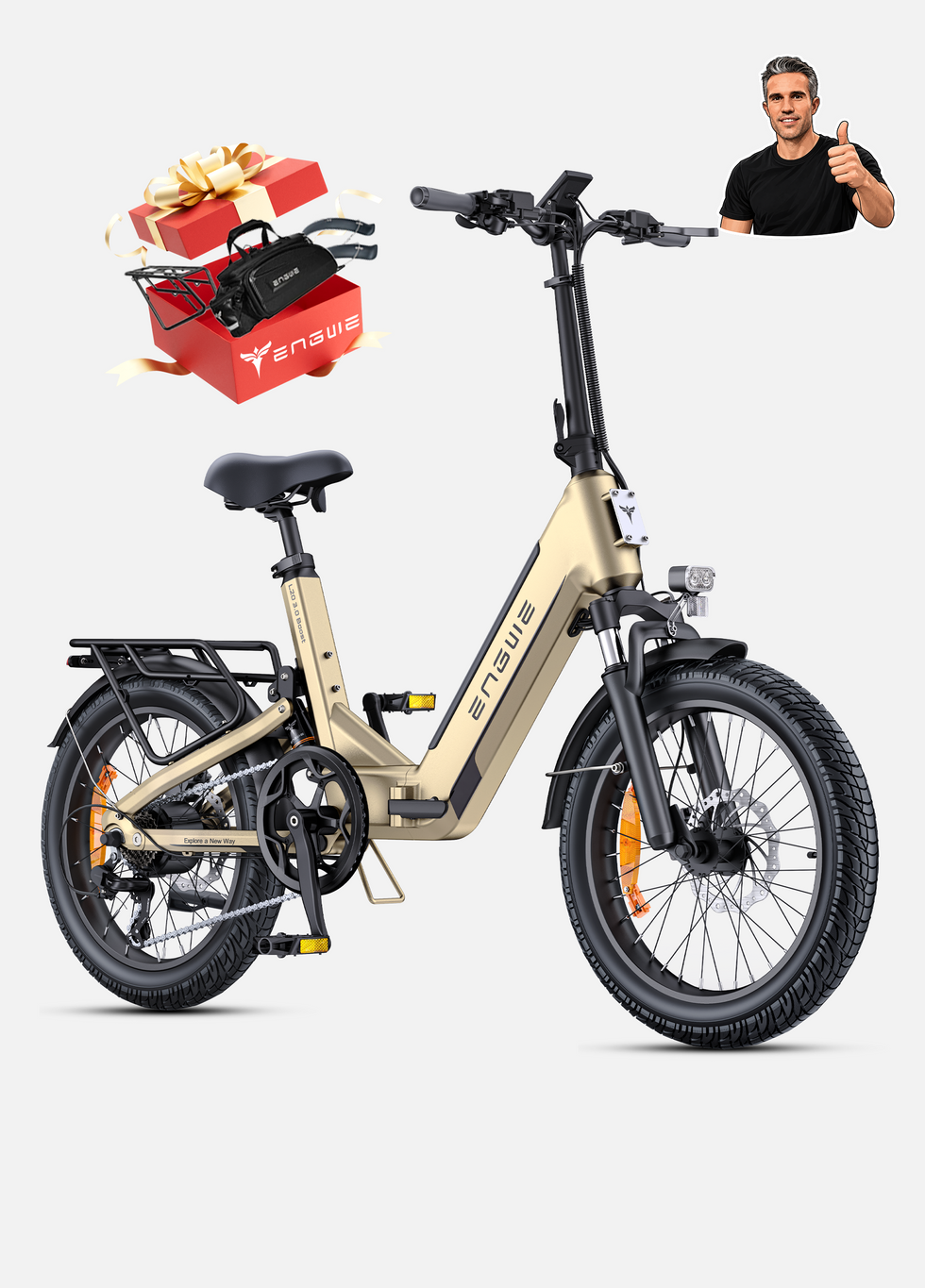
ENGWE O20 Boost
Specifiche principali: Batteria da 720 Wh | Motore nel mozzo UE da 250 W | Boost da 75 Nm | Autonomia PAS testata: 80-141 km | Peso: 26,5 kg
IL
Un sensore di coppia regola l'assistenza normale, mentre la funzione Boost aumenta la coppia disponibile fino a 75 Nm per le partenze e le brevi salite. Il caricabatterie da 4 A può ricaricare la batteria da 720 Wh in circa 3,5 ore, il che è utile per i ciclisti che ricaricano al lavoro, durante una sosta notturna o tra due giornate consecutive di viaggio.
I suoi pneumatici da 20 × 2,125 pollici e la forcella anteriore da 50 mm sono più adatti a strade urbane, sterrati ben tenuti e sentieri di campagna compatti piuttosto che a impegnativi percorsi di montagna. Con un peso di 26,5 kg, è pieghevole ma non particolarmente leggera da trasportare su per diverse rampe di scale.
Per Germania e Italia, la configurazione EU da 250W, la certificazione EN 15194 e l'illuminazione stradale rafforzano la sua posizione. La combinazione di autonomia, assistenza reattiva, carico utile massimo di 150 kg e ingombro ridotto la rende la soluzione più completa a 360 gradi. bicicletta elettrica a lunga autonomia in questa selezione.

E-bike pieghevole con sospensione anteriore e potenza di boost da 75 Nm
Acquista oraADO Air 20S
Specifiche principali: batteria da 36 V 9,6 Ah | motore CE da 250 W | 42 Nm | fino a 100 km | 18 kg
Attualmente ADO vende il modello aggiornato con il nome di Air 20S. La sua caratteristica principale è la portabilità: un peso complessivo di 18 kg la rende più adatta al trasporto su rotaia, al deposito in ufficio e agli appartamenti ai piani superiori rispetto a molte e-bike pieghevoli più pesanti.
La trasmissione a cinghia in carbonio è silenziosa e non richiede olio, si corrode e necessita di pulizia periodica, a differenza delle catene tradizionali. Un sensore di coppia conferisce al motore europeo da 250 W una risposta naturale, mentre la batteria rimovibile integrata nel reggisella semplifica la ricarica in ambienti chiusi.
L'autonomia dichiarata di 100 km deriva da una batteria modesta da 345,6 Wh, quindi i ciclisti dovrebbero aspettarsi il massimo solo in condizioni favorevoli e con scarsa assistenza. La trasmissione a velocità singola semplifica il sistema, ma offre al ciclista un minor numero di rapporti meccanici per affrontare le lunghe salite italiane.
Questa è una bicicletta elettrica raffinata, pensata per le lunghe distanze, ideale per gli spostamenti in città, i viaggi in treno e le rilassanti gite del fine settimana. Il suo utilizzo ottimale rimane su terreni asfaltati o relativamente pianeggianti, dove il peso ridotto, la pulizia e la facilità di stoccaggio sono più importanti di pneumatici di grandi dimensioni o di un cambio complesso.
E-bike pieghevole GOTRAX F3 con pneumatici larghi
Specifiche principali: Batteria da 672 Wh | Motore da 500 W | Autonomia fino a 98 km | Peso: 26,4 kg | Velocità massima di assistenza: 45 km/h
La F3 combina un telaio pieghevole in alluminio con pneumatici larghi da 4 pollici, sospensione anteriore e freni a disco idraulici. Queste caratteristiche la rendono stabile su sterrato, ghiaia e percorsi ricreativi irregolari. Il portapacchi posteriore e la portata massima di 119,7 kg offrono inoltre una capacità di carico utile per equipaggiamento da cicloturismo leggero.
Una batteria da 48 V e 14 Ah immagazzina 672 Wh, mentre cinque livelli di assistenza alla pedalata consentono al ciclista di bilanciare velocità e autonomia. Il sensore di cadenza e l'acceleratore a manopola creano un'esperienza di guida più orientata alla potenza rispetto ai sistemi con sensore di coppia utilizzati su molti modelli di bici da città europee.
Il limite principale è la classificazione di mercato. GOTRAX specifica per l'F3 un motore da 500 W, un acceleratore e una velocità assistita di 45 km/h (28 mph), collocando tale configurazione al di fuori della normale definizione di pedelec dell'UE. Gli acquirenti tedeschi e italiani non devono presumere di poterla utilizzare come una normale bicicletta su strade pubbliche.
Rimane valido per terreni privati o altri ambienti consentiti, ma solo dopo aver verificato i requisiti locali in materia di classificazione, assicurazione, immatricolazione e attrezzature. Non costituisce una raccomandazione standard per le strade pubbliche in questi due mercati.
CUBE Fold Sport Hybrid 500 Flashgrey'n'black
Specifiche principali: Batteria da 500 Wh | Bosch Active Line Plus | 50 Nm | 24,4 kg | Trasmissione a dieci velocità
La Fold Sport Hybrid 500 offre una pratica interpretazione in chiave compatta di una city tourer con motore Bosch. Il suo telaio pieghevole include una maniglia per il trasporto, un portapacchi posteriore integrato e la predisposizione per un portapacchi anteriore, rendendo la configurazione ideale per la spesa, l'attrezzatura da ufficio o bagagli compatti da viaggio.
Il motore Bosch Active Line Plus eroga 50 Nm attraverso una trasmissione Shimano Tiagra a dieci velocità. Questa combinazione offre ai ciclisti una gamma meccanica sufficiente per affrontare strade ondulate senza la complessità di un sistema da mountain bike ad alte prestazioni. I freni a disco idraulici con rotori da 180 mm garantiscono un controllo adeguato per una bici urbana a pieno carico.
La sua batteria da 500 Wh è affidabile per gli spostamenti quotidiani e per distanze moderate nel fine settimana, sebbene nessun dato di autonomia debba essere considerato universale. Bosch precisa che temperatura, pendenze, peso del ciclista, pressione degli pneumatici e modalità di assistenza influiscono sul risultato.
Il modello grigio-nero richiesto appartiene alla gamma 2023-2024 ed è esaurito presso alcuni rivenditori autorizzati. Pertanto, è più conveniente acquistarlo come rimanenza di magazzino verificata o come usato accuratamente ispezionato, piuttosto che come modello nuovo del 2026 ampiamente disponibile. Prima dell'acquisto, verificare lo stato della batteria, la garanzia e la disponibilità dei pezzi di ricambio.
i:SY S10 Adventure
Specifiche principali: Bosch Performance Line CX | Shimano Tiagra a dieci velocità | forcella ammortizzata | pneumatici con battistrada profondo
La S10 Adventure applica il formato compatto del telaio i:SY a strade sterrate, sentieri forestali e percorsi da turismo più accidentati. Il suo motore Bosch Performance Line CX conferisce alla bici una maggiore vocazione per la salita rispetto a un modello compatto urbano convenzionale, mentre la trasmissione Shimano Tiagra a dieci velocità consente ai ciclisti di mantenere una cadenza adeguata al variare delle pendenze.[6]
Pneumatici con battistrada profondo e forcella ammortizzata migliorano il controllo su superfici sconnesse o irregolari. Anche la gabbia del deragliatore più corta aumenta la distanza da terra in prossimità di radici e tratti di sentiero stretti, un dettaglio importante per una bici da avventura con ruote piccole.
Le proporzioni compatte favoriscono una posizione di guida eretta e un pratico stoccaggio, senza trasformare il modello in una bicicletta pieghevole ultraleggera. Gli acquirenti sono invitati a verificare le specifiche della batteria, del display e dei componenti per l'anno di produzione esatto, poiché le configurazioni dell'i:SY possono variare tra i diversi modelli e mercati di riferimento.
Questo modello è ideale per i ciclisti che desiderano una bici elettrica compatta di alta qualità con lunga autonomia, adatta a strade forestali, cicloturismo su sterrato e percorsi collinari per il tempo libero, piuttosto che una bici progettata principalmente per il trasporto in treno o per il minimo peso.
Tern Vektron S10
Specifiche principali: Batteria da 400 Wh | Motore Bosch Performance | 65 Nm | Autonomia 53–106 km | 22,1 kg
La Vektron S10 combina un meccanismo di chiusura sicuro con la stabilità di guida e l'equipaggiamento tipici di una bici da città. Tern dichiara un tempo di chiusura di circa dieci secondi e dimensioni da piegata di 40 × 85,5 × 67,5 cm, che ne facilitano lo stoccaggio a casa, in auto o accanto a una scrivania.
Il suo motore Bosch Performance eroga 65 Nm e supporta bene la trasmissione a dieci velocità sui percorsi urbani ondulati. L'autonomia ufficiale di 400 Wh varia da 53 a 106 km, tenendo conto che lo stile di guida, il tipo di terreno e il livello di assistenza possono produrre risultati molto diversi.
La possibilità di adattare la bicicletta a un'altezza compresa tra 147 e 195 cm rende il telaio a taglia unica insolitamente versatile. Il peso massimo complessivo di 125 kg richiede comunque un calcolo accurato, poiché include la bicicletta, il ciclista e il carico.
La Vektron è ideale come bicicletta elettrica pratica per lunghe distanze, per gli spostamenti quotidiani, per fare la spesa e per viaggi multimodali. Utilizzare esclusivamente portapacchi, selle e accessori omologati Tern e verificare le normative locali sul trasporto di passeggeri prima di trasportare un bambino o un'altra persona.
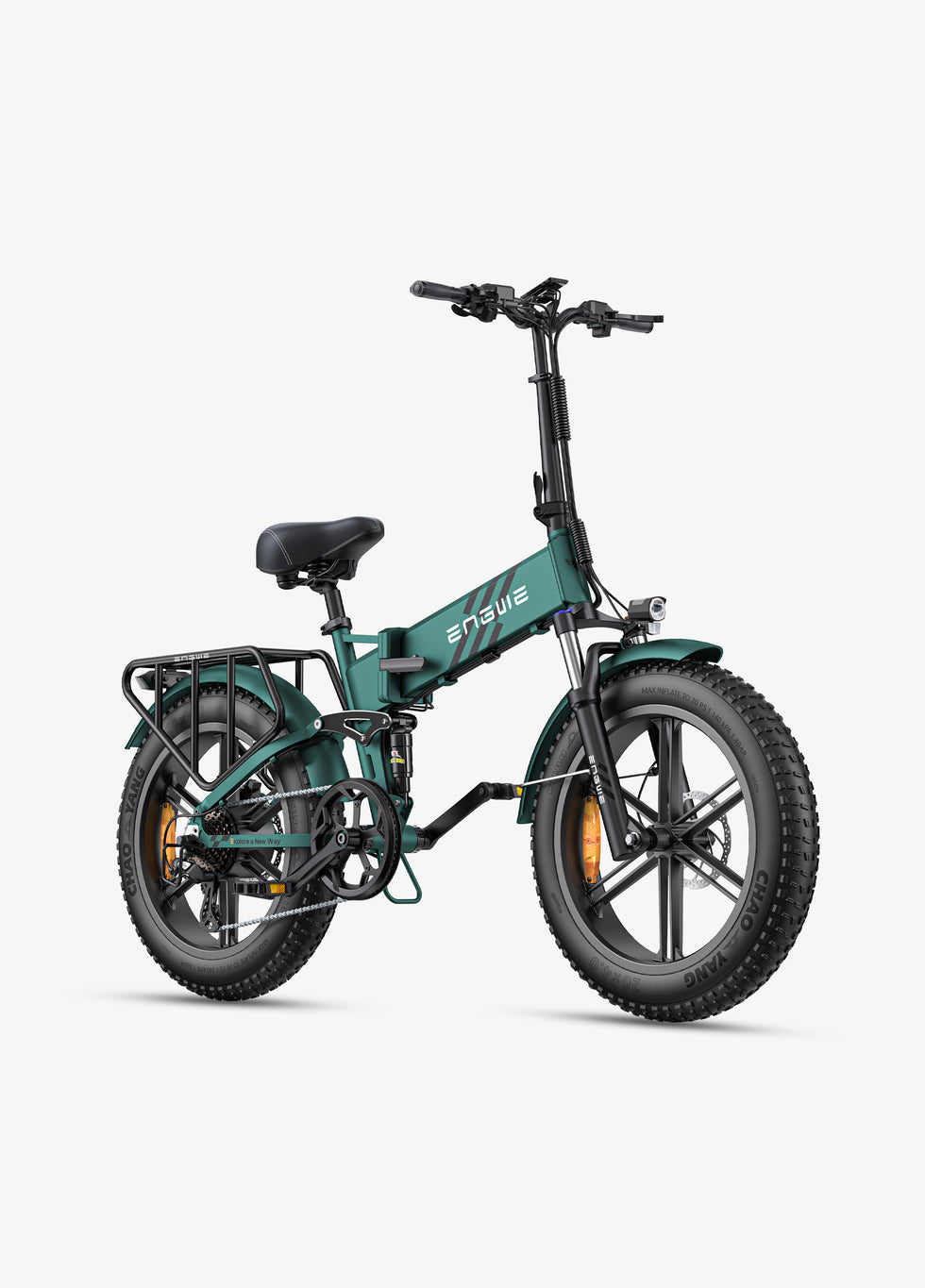
ENGWE M20
Specifiche principali: Versioni a batteria singola o doppia | Motore UE da 250 W | 55 Nm | fino a 150 km con doppia batteria | 34,8 kg
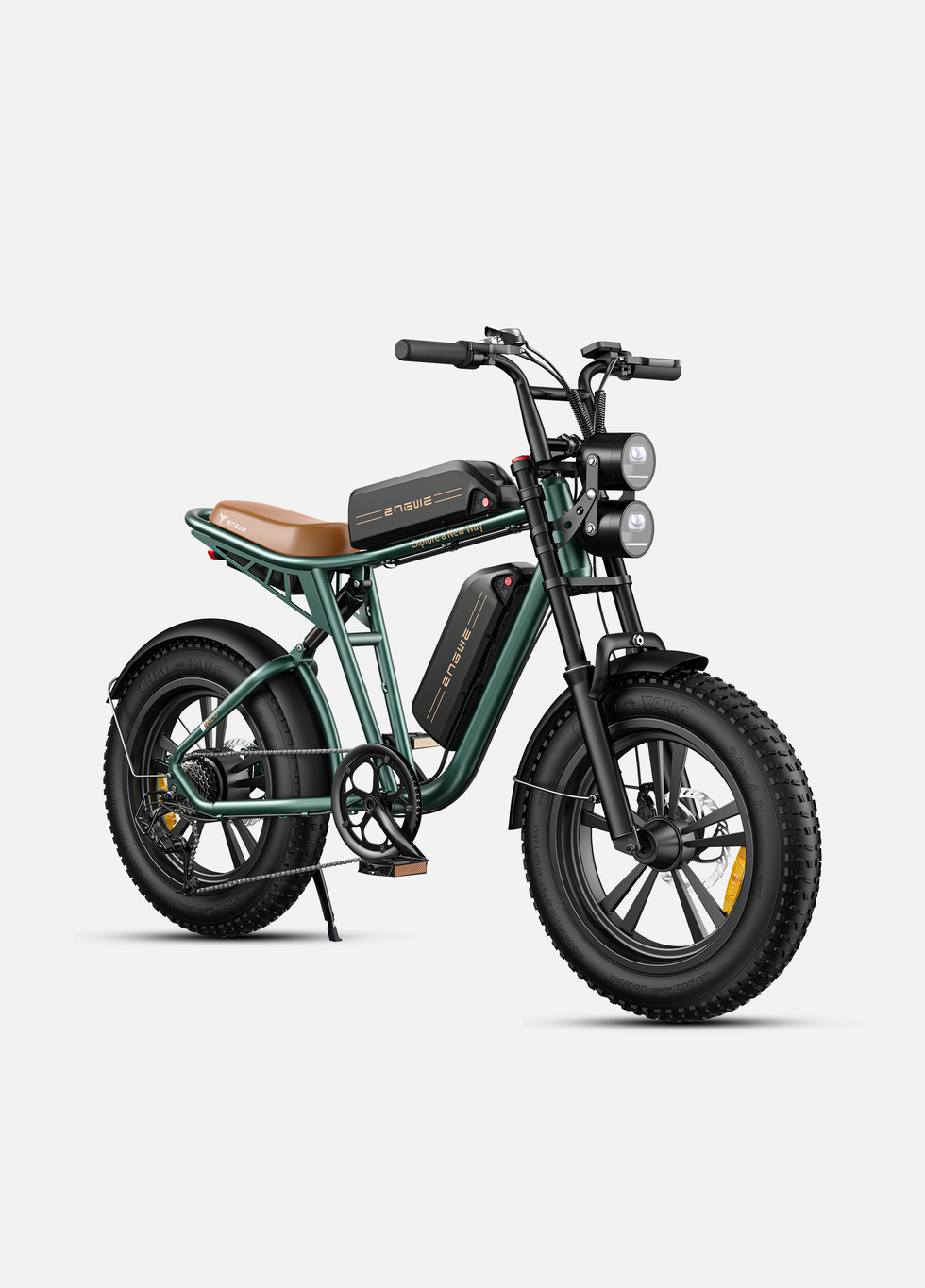
La M20, grazie al telaio ispirato alle motociclette, alle doppie sospensioni e ai pneumatici da 20 × 4 pollici, si distingue come una bicicletta da tempo libero ideale per i lunghi viaggi. La seconda batteria opzionale rappresenta la configurazione chiave:
Un motore brushless da 250 W e una coppia di 55 Nm forniscono assistenza fino al limite europeo di 25 km/h. Gli pneumatici larghi aumentano la trazione e assorbono le asperità del manto stradale, mentre le sospensioni anteriori e posteriori riducono gli impatti ripetuti su ghiaia, ciottoli e strade rurali dissestate.
Il peso è chiaramente la considerazione pratica da tenere in conto. Con un peso di 34,8 kg, prima di considerare le differenze di configurazione, la M20 è più facile da riporre a livello del suolo che da trasportare in un appartamento o da caricare frequentemente in una piccola auto. Gli pneumatici larghi, inoltre, consumano più energia su strade lisce rispetto agli pneumatici da turismo più stretti.
Per i motociclisti che apprezzano stile, stabilità e comfort su superfici miste, la M20 a doppia batteria ha una forte identità. Gli acquirenti in Germania o in Italia devono selezionare la configurazione europea ufficiale da 250 W e verificare il funzionamento dell'acceleratore o del sistema di assistenza alla partenza prima dell'utilizzo su strade pubbliche.

Fiido X
Specifiche principali: Batteria rimovibile da 417,6 Wh | Motore da 250 W | 32 Nm | Autonomia fino a 130 km | Peso: 19,8 kg
La Fiido X si distingue per il suo telaio pulito in lega di magnesio e la batteria integrata nel reggisella rimovibile. Il design mantiene un aspetto semplice e lineare anche da piegata, consentendo al contempo di ricaricare la batteria lontano dalla bicicletta.
Un sensore di coppia Mivice controlla il motore da 250 W e la trasmissione a sette velocità offre al ciclista maggiore flessibilità rispetto a una bici a velocità singola su percorsi ondulati. Fiido dichiara un'autonomia fino a 130 km con la batteria da 417,6 Wh, sebbene tale dato si riferisca a una guida economica piuttosto che a un'assistenza continua elevata.
Il meccanismo di chiusura in cinque secondi e il peso di 19,8 kg lo rendono adatto al trasporto in auto e a un utilizzo occasionale in treno. Rimane comunque abbastanza pesante, quindi si consiglia agli acquirenti di verificare se riescono a sollevarlo comodamente prima di sceglierlo per l'uso quotidiano sulle scale.
I suoi pneumatici stretti da 20 pollici sono ideali per l'asfalto e le piste ciclabili ben tenute. Per i ciclisti tedeschi e italiani che desiderano una bici elettrica a lunga autonomia, esteticamente discreta e facile da riporre, la Fiido X offre una soluzione ben definita per l'uso urbano e il tempo libero, senza pretendere di essere una bici da turismo fuoristrada.
Regno Gigante Avanzato E+ 1
Specifiche principali: Batteria da 560 Wh | Estensore opzionale da 280 Wh | 90 Nm | Autonomia stimata 45–160 km | 23,1 kg
Il modello attuale del 2026 è il Reign Advanced E+ 1, anziché il precedente Reign E+ 1 con batteria da 750 Wh.Giant ora utilizza una batteria integrata da 560 Wh e offre un range extender compatibile da 280 Wh, consentendo ai ciclisti di scegliere tra un peso base inferiore e una maggiore capacità.
Il sistema SyncDrive Pro 3 eroga 90 Nm di coppia, mentre l'escursione delle sospensioni di 180 mm all'anteriore e 170 mm al posteriore definisce la bici come una seria piattaforma da enduro. Giant dichiara un'autonomia stimata di 45 km in condizioni estreme, 90 km in condizioni ottimali e 160 km in condizioni ideali. Questa autonomia dimostra quanto una e-MTB reagisca bene alle pendenze e all'intensità di guida.
Con un peso di circa 23,1 kg nella taglia M, la bici con telaio in carbonio rimane comunque maneggevole per un modello enduro ad alte prestazioni. La batteria da 560 Wh può raggiungere una carica dichiarata dell'80% in circa due ore.
Questa non è una bici da turismo convenzionale. È adatta a ciclisti che definiscono una bici elettrica per lunghe distanze in base al dislivello, al tempo impiegato su sentieri tecnici e alle ripetute discese, piuttosto che in base al numero massimo di chilometri percorsi su asfalto.
Amflow PL Carbon Pro
Specifiche principali: Batteria da 600 Wh o 800 Wh | Sistema Avinox da 250 W nominali | Autonomia fino a 157 km | Peso approssimativo di 19,2 kg nella configurazione di riferimento
Il PL Carbon Pro combina un peso del sistema insolitamente basso con l'elevata potenza della piattaforma di azionamento Avinox di DJI. Amflow dichiara una potenza nominale del motore di 250 W, mentre la potenza di picco temporanea e la coppia Boost supportano le salite ripide e tecniche.
La scelta della batteria influenza il carattere della bici. La configurazione da 600 Wh riduce il peso, mentre la batteria da 800 Wh è pensata per i percorsi più lunghi. Amflow ha registrato un'autonomia di 157 km con il modello da 800 Wh e di 117 km con la versione da 600 Wh, ma entrambi i test sono stati effettuati in modalità Eco su asfalto pianeggiante a 21 km/h con un ciclista di 80 kg. L'autonomia su percorsi fuoristrada sarà notevolmente inferiore.
La batteria da 800 Wh può raggiungere il 75% in circa 96 minuti in condizioni di laboratorio. Le sospensioni complete, la struttura in carbonio e le opzioni di trasmissione di alta qualità rendono la bici adatta a percorsi di montagna di più ore, dove maneggevolezza ed efficienza in salita sono importanti quanto la distanza percorsa.
Si tratta di una scelta orientata alle prestazioni di alto livello, non a un acquisto funzionale. Il suo punto di forza risiede nella combinazione di peso ridotto, notevole capacità della batteria e assistenza alla pedalata fluida e naturale, il tutto in un'unica piattaforma tecnica per i sentieri.
Quale bici elettrica a lunga autonomia si adatta al tuo stile di guida?
La bici elettrica a lunga autonomia ideale dovrebbe essere adatta al tipo di terreno, al dislivello, alle abitudini di stoccaggio e al carico trasportato nella maggior parte dei tragitti. Acquistare basandosi principalmente sull'autonomia massima dichiarata può portare a risultati errati: una bici pesante con pneumatici larghi potrebbe risultare scomoda per chi usa il treno per andare al lavoro, mentre una bici pieghevole leggera per la città potrebbe non avere la rapportatura o il controllo necessari per affrontare ripide strade sterrate.
Trasporti giornalieri e tour del fine settimana
Chi si sposta quotidianamente per lavoro dovrebbe dare priorità a luci affidabili, peso gestibile, ricarica semplice e pneumatici che scorrano in modo efficiente su strade asfaltate. Le dimensioni da piegata sono importanti quando il viaggio include treni regionali, uffici o appartamenti.
IL
L'ADO Air 20S e il Fiido X sono adatti a spostamenti multimodali più leggeri. Il Tern Vektron S10 offre una maggiore vocazione utilitaria, mentre il collaudato CUBE Fold Sport Hybrid 500 rimane una valida opzione per gli acquirenti che preferiscono i modelli precedenti.
Percorsi collinari e terreni misti
Affrontare le salite richiede uno sforzo costante sia al motore che alla batteria. I ciclisti dovrebbero privilegiare un sistema reattivo alla coppia, un cambio meccanico adeguato, freni efficaci e una capacità termica sufficiente per affrontare pendenze ripetute.
L'i:SY S10 Adventure è adatto a percorsi sterrati e boschivi ben tenuti.IL
La Giant Reign Advanced E+ 1 e la Amflow PL Carbon Pro sono pensate per i percorsi di montagna più tecnici. La loro geometria delle sospensioni, i pneumatici e i sistemi di controllo sono progettati per affrontare terreni che le normali e-bike da turismo e pieghevoli non sono in grado di gestire.
Esigenze relative a merci, bagagli e passeggeri
I valori di carico utile devono includere il ciclista, i bagagli, gli accessori e qualsiasi equipaggiamento per il passeggero. Un valore elevato non significa automaticamente che ogni portapacchi o sedile sia omologato per lo stesso carico.
Le borse laterali solitamente mantengono il peso più in basso e più vicino alla bicicletta rispetto a una borsa da tetto pesantemente carica. I ciclisti che pianificano viaggi di più giorni dovrebbero verificare la capacità del portapacchi posteriore, lo spazio libero per i talloni, i punti di fissaggio al telaio e se una seconda batteria ostruisce la posizione desiderata per il bagaglio.
L'O20 Boost ha una capacità di carico massima dichiarata di 150 kg, offrendo una notevole flessibilità per un ciclista più pesante o per il trasporto di bagagli da turismo. Il Vektron supporta un sistema di accessori orientato all'uso pratico, sebbene il suo peso totale a terra massimo di 125 kg debba essere calcolato con attenzione. Il trasporto di passeggeri deve avvenire esclusivamente con un modello e una combinazione di accessori specificamente omologati per tale scopo.
Come scegliere una bicicletta elettrica per lunghe distanze?
La scelta di una bici elettrica per lunghe distanze richiede una valutazione realistica del percorso, non semplicemente la scelta della batteria più capiente. Innanzitutto, è necessario stimare la distanza media, il dislivello, il carico, il livello di assistenza necessario e le possibilità di ricarica. Successivamente, bisogna valutare se la bici completa rimanga pratica da sollevare, riporre, manutenere e utilizzare legalmente in Germania o in Italia.
Dimensioni della batteria e tempo di ricarica
Prima di confrontare i chilometri dichiarati, confrontate i wattora. Moltiplicando la tensione per gli ampereora si ottiene la capacità energetica nominale:
-
36 V × 9,6 Ah equivalgono approssimativamente a 345,6 Wh.
-
48 V × 15 Ah equivalgono a 720 Wh.
-
48 V × 26 Ah equivalgono approssimativamente a 1.248 Wh.
Una batteria più grande generalmente aumenta l'autonomia, ma aggiunge anche peso e tempi di ricarica. La ricarica rapida diventa utile nei viaggi di più giorni consecutivi, ma il caricabatterie deve essere omologato per la batteria e il sistema di gestione specifici.
Prevedete una riserva di almeno il 20-30% per salite, vento, freddo e cambi di percorso. Soste frequenti, pneumatici morbidi, bagagli pesanti e assistenza massima riducono la distanza percorribile.
Peso, dimensioni e spazio di stoccaggio
Un telaio pieghevole non garantisce un facile trasporto. Una bicicletta da 18 kg può essere gestibile per scale e piattaforme ferroviarie, mentre un modello da 26-35 kg è generalmente più adatto a essere riposto al piano terra, in un garage o trasportato in un veicolo.
Verifica questi punti prima di effettuare l'ordine:
-
Riesci a sollevare la bicicletta senza torcere la schiena?
-
La confezione piegata entra nello spazio di stoccaggio previsto?
-
È possibile rimuovere la batteria prima del sollevamento?
-
La sella raggiunge l'altezza corretta per pedalare?
-
Il manubrio consente una posizione neutra del polso?
-
La bicicletta può trasportare bagagli senza compromettere la sterzata?
Anche quando un modello utilizza una taglia unica regolabile, la vestibilità del telaio rimane importante. Una bici elettrica comoda e con una lunga autonomia dovrebbe consentire una pedalata efficiente senza eccessiva flessione delle ginocchia, tensione alle spalle o pressione sulle mani.
Freni, pneumatici e conformità legale
I freni a disco idraulici sono adatti a percorsi collinari, ciclisti più pesanti e viaggi in bicicletta con bagagli, perché offrono una modulazione costante con uno sforzo relativamente basso sulla leva.Le dimensioni del disco freno, l'aderenza degli pneumatici e il peso della bicicletta influenzano ancora lo spazio di frenata.
La scelta degli pneumatici dovrebbe essere in base al tipo di superficie. Gli pneumatici urbani stretti migliorano l'efficienza, gli pneumatici ibridi di larghezza media bilanciano comfort e resistenza al rotolamento, mentre gli pneumatici larghi da 4 pollici sono ideali per terreni sconnessi a scapito del peso e della resistenza aerodinamica.
Per il trattamento convenzionale delle pedelec su strade pubbliche nell'Unione Europea, la configurazione di base utilizza l'assistenza dipendente dalla pedalata, una potenza nominale continua non superiore a 250 W e un supporto del motore che si arresta progressivamente prima dei 25 km/h.[1] Anche Germania e Italia applicano requisiti nazionali che riguardano l'equipaggiamento stradale e la classificazione dei veicoli.
Non dare per scontato che un modello internazionale dotato di acceleratore o ad alta velocità diventi conforme dopo aver modificato un'impostazione del display. Prima dell'acquisto, verifica la potenza del motore, il dispositivo di interruzione dell'assistenza, i documenti di conformità, l'illuminazione e l'impianto frenante per la versione specifica del paese.
FAQ
Posso portare una e-bike pieghevole a lunga autonomia sui treni in Germania e in Italia?
Posso portare una e-bike pieghevole a lunga autonomia sui treni in Germania e in Italia?
Sì, ma le regole dipendono dal treno e dal fatto che la bicicletta sia piegata. Deutsche Bahn trasporta gratuitamente una bicicletta piegata come bagaglio; una pedelec non piegata richiede normalmente un biglietto per bicicletta e la prenotazione sui servizi a lunga percorrenza. Trenitalia accetta gratuitamente le biciclette pieghevoli chiuse entro i limiti di dimensioni stabiliti. DB consente solo pedelec da 250 W e 25 km/h e vieta le batterie di scorta o la ricarica a bordo. [1]
Quale modello <tc>ENGWE</tc> è più facile da riporre in un appartamento, l'O20 Boost o l'M20?
Quale modello <tc>ENGWE</tc> è più facile da riporre in un appartamento, l'O20 Boost o l'M20?
Il <tc>ENGWE O20 Boost</tc> è l'opzione più pratica per gli appartamenti. Si ripiega fino a circa 97 × 53 × 81 cm e pesa 26,5 kg, inserendosi più facilmente in ascensore, in un ripostiglio o nel bagagliaio dell'auto. Il <tc>ENGWE M20</tc> pesa 34,8 kg e utilizza un telaio più grande in stile motociclistico, rendendo più indicato il deposito al piano terra o in un garage sicuro.
Posso aggiungere una seconda batteria a qualsiasi <tc>ENGWE</tc> bicicletta elettrica?
Posso aggiungere una seconda batteria a qualsiasi <tc>ENGWE</tc> bicicletta elettrica?
No. Una seconda batteria dovrebbe essere aggiunta solo quando <tc>ENGWE</tc> indica una configurazione a doppia batteria approvata per quel modello. Il <tc>ENGWE M20</tc> dispone di una versione ufficiale a due batterie da 26Ah con un'autonomia combinata dichiarata fino a 150 km. L'O20 Boost è configurato con una batteria da 720Wh. Cablaggi non approvati, controller o modifiche alla batteria di terze parti possono causare problemi di sicurezza e invalidare la copertura della garanzia.
Posso ricaricare la batteria di un'e-bike all'interno di un hotel o di un appartamento?
Posso ricaricare la batteria di un'e-bike all'interno di un hotel o di un appartamento?
Sì, a condizione che la proprietà lo consenta e la batteria non sia danneggiata. Utilizzare esclusivamente il caricabatterie approvato dal produttore in un ambiente asciutto e ventilato a temperatura ambiente, lontano da luce solare diretta, fonti di calore, vie di fuga e materiali infiammabili. Dovrebbe essere presente un rilevatore di fumo. Non lasciare la batteria in carica incustodita o durante la notte e scollegare sia il caricabatterie che la batteria al termine della ricarica.