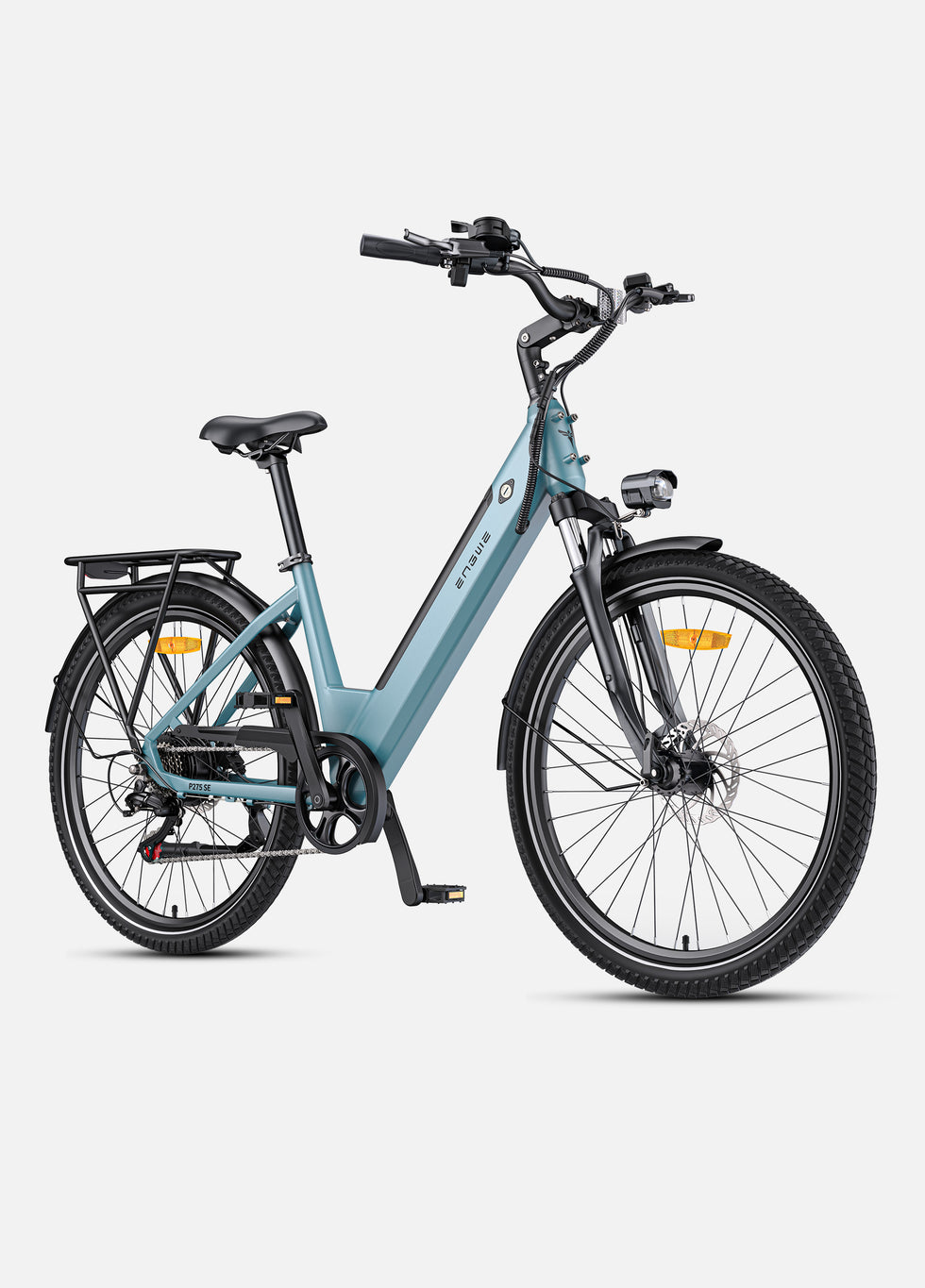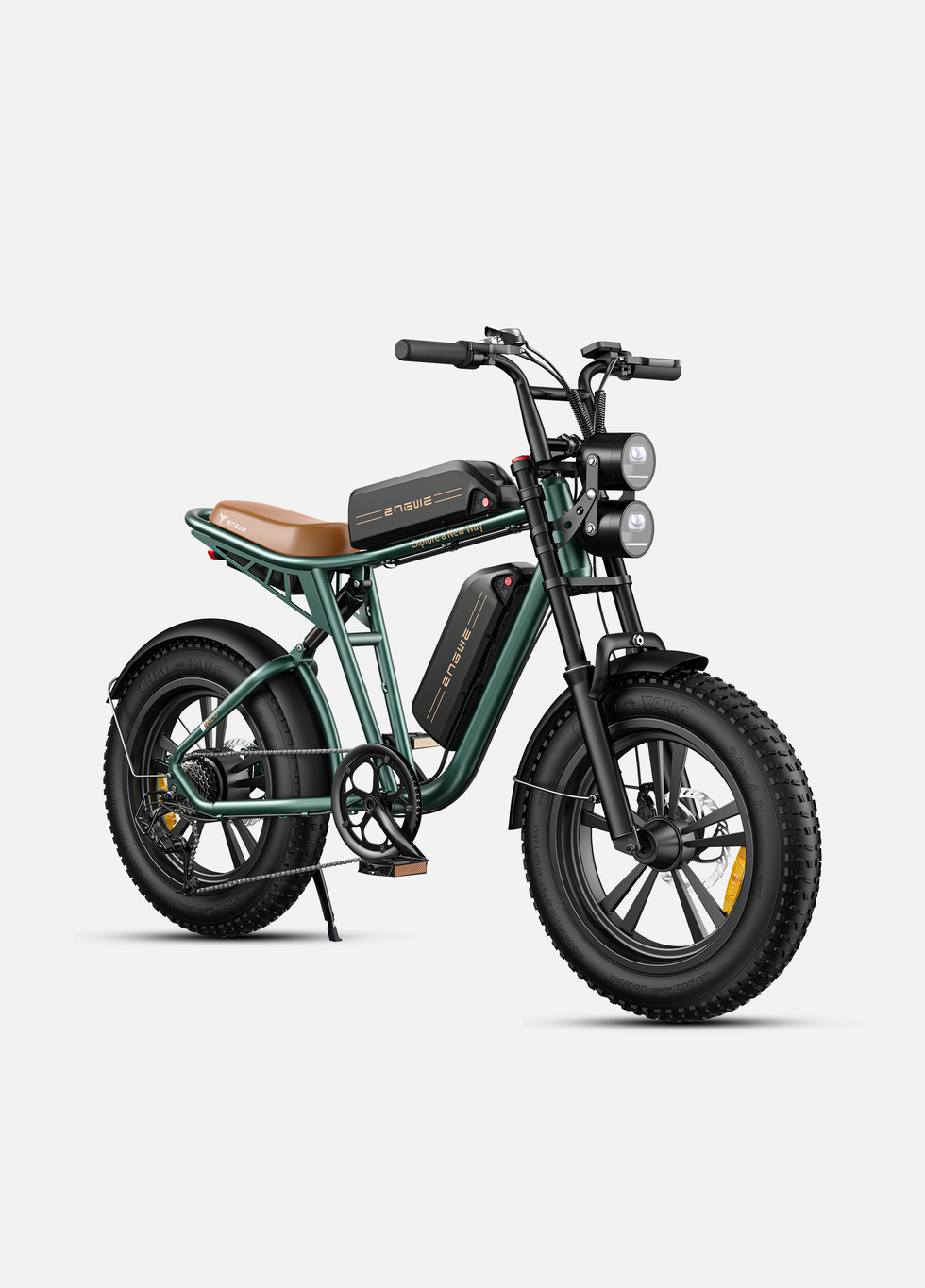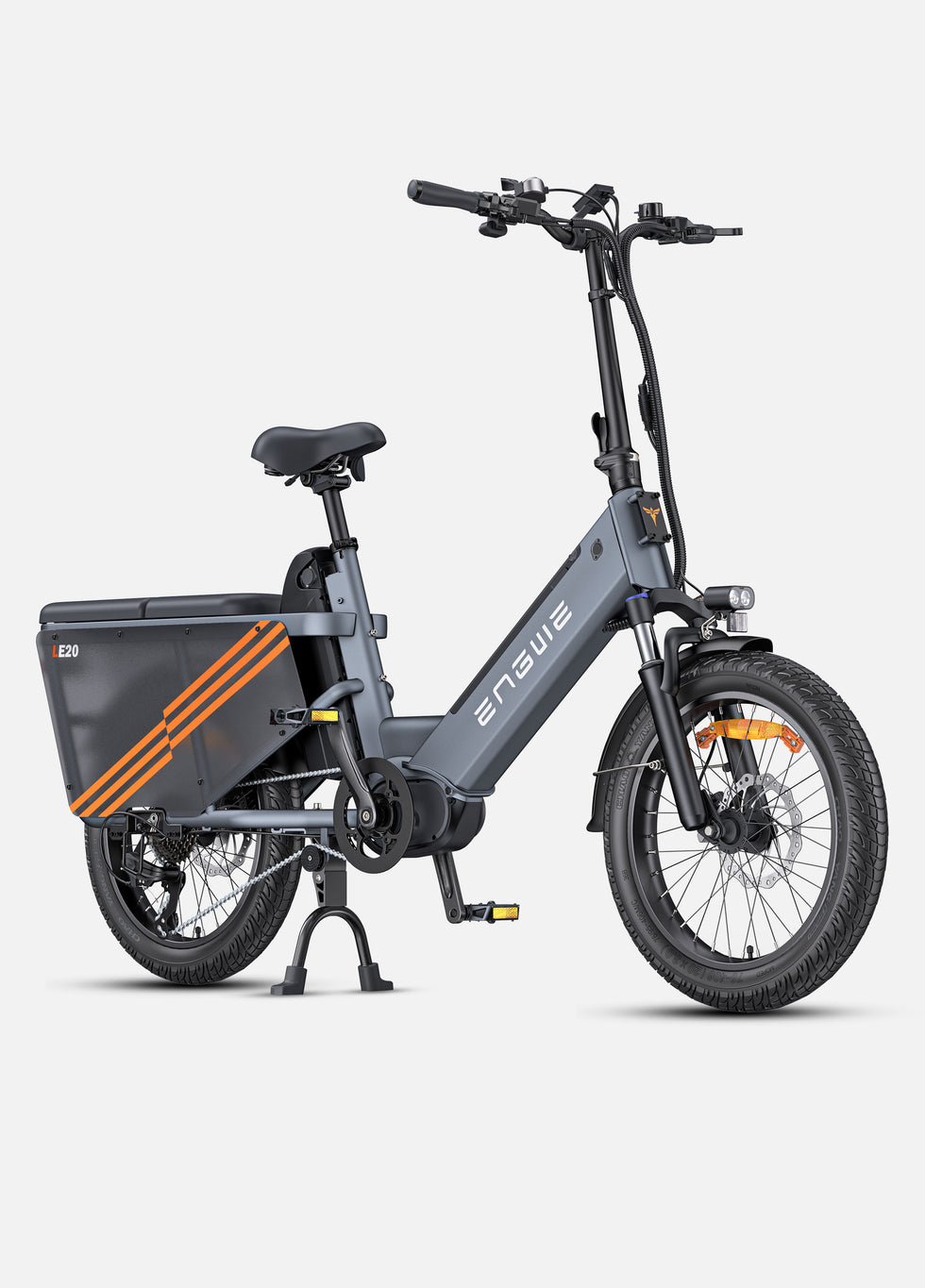


Una bicicleta eléctrica de doble suspensión utiliza suspensión delantera y trasera para ofrecer mayor control en calles irregulares, caminos de grava, pistas forestales y recorridos diarios más largos. Para los ciclistas alemanes, el verdadero valor no reside solo en la comodidad, sino también en la estabilidad, la seguridad al frenar y un mejor contacto de los neumáticos con el suelo en terrenos irregulares.
En Alemania, los compradores deben distinguir entre las bicicletas eléctricas de carretera y las bicicletas eléctricas todoterreno de alta potencia. Una bicicleta eléctrica estándar para uso en carretera debe cumplir con la potencia nominal continua de 250 W y la asistencia al pedaleo de hasta 25 km/h; los modelos modificados o de mayor velocidad pueden estar sujetos a la normativa de vehículos a motor. La ZIV, la Asociación Alemana de la Industria de la Bicicleta, explica que las bicicletas eléctricas solo se consideran bicicletas cuando cumplen con la potencia nominal continua de 250 W, la asistencia del motor al pedalear y la velocidad asistida de hasta 25 km/h.
¿Qué es una bicicleta eléctrica de doble suspensión?
Una suspensión completa bicicleta eléctrica Cuenta con una horquilla de suspensión delantera y un sistema de amortiguación trasera. La horquilla delantera absorbe los impactos de la rueda delantera, mientras que el amortiguador trasero reduce las vibraciones que se transmiten a través de la rueda trasera, el cuadro, el sillín y el ciclista.
Esta configuración difiere de la de una bicicleta eléctrica rígida, que generalmente solo tiene suspensión delantera. Las bicicletas rígidas funcionan bien en carriles bici lisos y recorridos cortos por la ciudad, pero las bicicletas eléctricas de doble suspensión suelen ofrecer mayor estabilidad en adoquines, baches, caminos de grava y rutas forestales irregulares.
Horquilla delantera y amortiguador trasero
La horquilla delantera absorbe el primer impacto cuando la rueda delantera encuentra un bache. Esto ayuda a que el manillar se mantenga más estable, algo importante en pavimentos irregulares, bordillos, bordes de grava y carriles bici accidentados.
El amortiguador trasero protege al ciclista de los impactos que se transmiten a través del sillín y el cuadro trasero. En recorridos largos, esto puede reducir la fatiga en manos, espalda baja, rodillas y caderas, ya que el ciclista no absorbe directamente todas las vibraciones.
Conceptos básicos del recorrido de la suspensión
El recorrido de la suspensión describe cuánto se puede comprimir la horquilla o el amortiguador trasero. Un mayor recorrido puede ser útil en terrenos irregulares, pero también aumenta el peso, la complejidad y, en ocasiones, la sensación de conducción es más suave.
Para el uso diario en Alemania, la mejor configuración suele ser equilibrada en lugar de extrema. Una bicicleta eléctrica de doble suspensión para desplazamientos urbanos debe ofrecer una buena sensación de control en calles de la ciudad, carriles bici, caminos de grava y pistas forestales ligeras, sin comportarse como una pesada moto de cross eléctrica.
Sensación de conducción con doble suspensión
El sistema de doble suspensión mejora la comodidad al permitir que ambas ruedas reaccionen ante terrenos irregulares. La bicicleta se siente menos brusca cuando la superficie cambia rápidamente.
La principal ventaja reside en el contacto de los neumáticos con el suelo. Al mantener la rueda trasera más firme, el piloto percibe una mejor tracción, una frenada más estable y un manejo más predecible en superficies mixtas.
¿Quién debería elegir una bicicleta eléctrica de doble suspensión?
Una suspensión completa bicicleta eléctrica Es ideal para ciclistas que se enfrentan con frecuencia a terrenos irregulares, lo que justifica el peso, el precio y el mantenimiento adicionales. Resulta especialmente útil cuando la comodidad y el control son más importantes que tener el cuadro más ligero posible.
Los compradores alemanes deberían considerar su ruta real antes de elegir. Un ciclista que recorra calles empedradas, aceras antiguas, caminos de grava, zonas de tranvía, senderos forestales o carreteras suburbanas irregulares notará más las ventajas que un ciclista que utilice únicamente carriles bici lisos.
Viajeros diarios
Los usuarios habituales del transporte público se benefician de una suspensión completa cuando su ruta incluye pavimento irregular, bordillos, baches, adoquines o superficies urbanas mixtas. Una conducción más suave puede hacer que los desplazamientos semanales sean menos agotadores.
Una bicicleta eléctrica compacta o plegable con suspensión total también puede ser ideal para quienes necesitan guardarla fácilmente en pisos, oficinas, garajes o aparcamientos compartidos para bicicletas. La comodidad cobra mayor importancia cuando el trayecto se realiza cinco días a la semana.
Jinetes de terreno mixto
Los ciclistas que recorren terrenos mixtos obtienen el máximo provecho de una bicicleta de doble suspensión. Las calles de la ciudad, los caminos de grava junto al río, los senderos de los parques, la tierra compacta y las rutas forestales ligeras imponen cargas diferentes a los neumáticos y al cuadro.
Una bicicleta rígida puede resultar eficiente en carreteras lisas, pero las bicicletas eléctricas de doble suspensión afrontan los cambios de superficie con mayor aplomo. Esto las hace útiles para quienes no desean una bicicleta diferente para cada ruta.
Compradores que priorizan la comodidad
Los compradores que priorizan la comodidad deberían considerar la suspensión completa si sienten rigidez o fatiga después de recorridos largos. La suspensión no reemplaza el ajuste correcto de la bicicleta, la elección del sillín ni la presión de los neumáticos, pero puede reducir las vibraciones repetitivas.
Esto es importante para ciclistas de mayor peso, ciclistas mayores y cualquier persona que lleve equipaje. Cuanto mayor sea la carga total que soporta la bicicleta, más importantes se vuelven una suspensión estable, frenos potentes y neumáticos adecuados.
Características clave que realmente importan en las carreteras alemanas
Una buena bicicleta eléctrica de doble suspensión no se define únicamente por la suspensión. La puesta a punto del motor, la autonomía de la batería, la resistencia del cuadro, los frenos, los neumáticos y el cumplimiento de la normativa vigente influyen en la experiencia de conducción real.
En Alemania, la mejor opción suele ser una bicicleta eléctrica homologada para circular por carretera, con suficiente par motor para subir cuestas con facilidad, batería suficiente para las rutas diarias y potencia de frenado suficiente para una bicicleta eléctrica más pesada. ZIV señala que las bicicletas modificadas pueden perder su estatus de bicicleta y generar problemas legales, de garantía y de seguridad, por lo que los compradores deben evitar considerar la modificación de la velocidad como una mejora inofensiva.

Potencia y par motor
La potencia del motor debe cumplir con la normativa alemana de circulación, pero el par motor determina cómo se comporta la moto al arrancar, en pendientes y al circular con carga. Un motor legal de 250 W puede ofrecer una buena respuesta si la entrega de par, el sistema de sensores y la transmisión funcionan en conjunto.
En la práctica, el par motor es más importante que la velocidad máxima declarada. Los usuarios deben fijarse en la suavidad con la que el motor responde al arrancar, subir pendientes, circular en tráfico con paradas y arranques frecuentes, y transportar cargas pesadas.
Batería y autonomía real
La autonomía de la batería depende del terreno, el peso del conductor, la presión de los neumáticos, el nivel de asistencia, el viento, la temperatura y la carga. Las cifras de autonomía indicadas suelen reflejar condiciones controladas, no todas las rutas cotidianas.
Una bicicleta eléctrica con suspensión completa puede consumir más energía que una bicicleta urbana convencional, ya que suele ser más pesada y tener neumáticos más anchos. Los compradores deberían comparar la capacidad de la batería, el tiempo de carga y la distancia aproximada del recorrido, en lugar de basarse únicamente en la autonomía máxima anunciada.
Capacidad del cuadro y del conductor
La resistencia del cuadro es importante porque las bicicletas eléctricas soportan más peso que las bicicletas convencionales. Un cuadro estable ayuda a que la suspensión funcione correctamente y mantiene la bicicleta predecible al frenar, tomar curvas y transportar carga.
Los ciclistas deben comprobar la carga máxima, la compatibilidad con el portaequipajes, el tamaño de las ruedas, la calidad de las bisagras de plegado (cuando corresponda) y la altura recomendada. Un motor potente no puede compensar un cuadro que no se ajuste al ciclista ni a la carga.
Configuración de neumáticos y ruedas
Los neumáticos controlan el agarre, la comodidad, la resistencia a la rodadura y la sensación de frenado. Los neumáticos más anchos pueden ser útiles en carreteras irregulares y superficies sueltas, mientras que los más estrechos pueden ofrecer una mayor velocidad y eficiencia en pavimento liso.
Para el uso mixto en Alemania, los neumáticos compactos de 20 pulgadas son adecuados para bicicletas eléctricas plegables urbanas, mientras que los neumáticos más grandes o anchos pueden ser más apropiados para rutas más accidentadas. La configuración de neumáticos adecuada depende del tipo de ruta, las necesidades de almacenamiento y la velocidad de conducción.
Bicicleta eléctrica de doble suspensión vs. bicicleta eléctrica rígida
Una bicicleta eléctrica con suspensión completa ofrece mayor comodidad y control en terrenos irregulares, mientras que una bicicleta eléctrica con cuadro rígido suele ser más ligera, requiere menos mantenimiento y ofrece una mejor relación calidad-precio en carreteras lisas. La mejor opción depende del terreno, no de qué diseño parezca más avanzado.
| Factor | Bicicleta eléctrica con suspensión completa | Bicicleta eléctrica rígida |
|---|---|---|
| Comodidad | Mejor en caminos irregulares, de grava y adoquines. | Se comporta bien en pavimentos lisos y caminos poco transitados. |
| Tracción | La rueda trasera se mantiene más firme en terrenos irregulares. | La rueda trasera puede rebotar más en superficies irregulares. |
| Peso | Generalmente más pesado | Generalmente más ligero |
| Mantenimiento | Más piezas móviles que inspeccionar | Más sencillo y económico de mantener |
| Eficiencia | Gran comodidad, complejidad mecánica ligeramente mayor. | Suelen ser más eficientes en carreteras lisas. |
| Lo mejor para | Terreno mixto, comodidad, viajes largos, cargas más pesadas | Recorridos urbanos, rutas cortas, uso diario sencillo. |
Comodidad y control
La suspensión integral mejora la comodidad, ya que ambas ruedas se mueven al ritmo del terreno. Esto reduce las vibraciones en el cuadro y ayuda al ciclista a mantenerse más relajado.
El control mejora cuando los neumáticos se mantienen en contacto con la superficie. Sobre grava, pavimento irregular y adoquines, ese contacto puede hacer que la frenada y la dirección resulten más predecibles.
Peso y eficiencia
Las bicicletas rígidas suelen pesar menos porque no necesitan amortiguador trasero, pivotes ni un cuadro de suspensión reforzado. Esto facilita subirlas por las escaleras, colocarlas en portabicicletas o guardarlas en espacios reducidos.
La suspensión completa aporta comodidad, pero también añade piezas. Los ciclistas que solo circulan por carreteras urbanas lisas quizás no obtengan la comodidad suficiente como para justificar el peso adicional.
Costo y mantenimiento
Las bicicletas eléctricas de cuadro rígido suelen ser más económicas de comprar y mantener. Al tener menos piezas móviles, requieren menos revisiones y presentan menos puntos de desgaste.
La suspensión completa puede justificar el mayor coste cuando el terreno es bastante accidentado. Si la bicicleta reduce la fatiga y mejora la estabilidad a diario, el mantenimiento adicional resulta más fácil de aceptar.
Neumáticos anchos frente a suspensión completa para carreteras en mal estado
Los neumáticos anchos y la suspensión integral solucionan problemas diferentes. Los neumáticos anchos proporcionan agarre y amortiguación gracias al volumen de aire, mientras que la suspensión integral gestiona los impactos más fuertes mediante la horquilla y el amortiguador trasero.
A bicicleta de neumáticos anchos Ofrece estabilidad en grava, arena, nieve y pavimento irregular. Una bicicleta eléctrica de doble suspensión va más allá, ya que permite que el cuadro y las ruedas reaccionen de forma independiente a los baches, surcos y hoyos.
Agarre de los neumáticos
Los neumáticos anchos crean una mayor superficie de contacto con el suelo. Esto puede mejorar el agarre en superficies sueltas y hacer que la bicicleta se sienta más estable.
Para los ciclistas alemanes, los neumáticos anchos pueden ser útiles en caminos de grava, pistas forestales, hojas mojadas y restos de nieve invernal. En pavimento limpio, pueden resultar más lentos si la presión de los neumáticos es demasiado baja.
Absorción de impactos
La suspensión absorbe los impactos más fuertes que el volumen del neumático no puede absorber por completo. Esto resulta útil cuando la rueda pasa por baches, raíces, bordillos y tierra compactada.
Los neumáticos anchos pueden amortiguar las vibraciones, pero no sustituyen la suspensión trasera. Los ciclistas que transportan cargas o circulan por terrenos irregulares suelen beneficiarse de ambos sistemas.
Mejor configuración según el terreno
Las rutas urbanas con buen firme suelen requerir buenos neumáticos y quizás suspensión delantera, aunque no necesariamente suspensión completa. Las calles irregulares, los adoquines y los tramos de grava hacen que la suspensión completa sea más útil.
Los senderos ligeros y los caminos forestales son los lugares donde las bicicletas eléctricas de doble suspensión suelen ser más útiles. La combinación del agarre de los neumáticos y la asistencia del amortiguador trasero proporciona al ciclista mayor control sobre los cambios de terreno.
¿Cuándo merece la pena comprar una bicicleta eléctrica de doble suspensión?
Una bicicleta eléctrica con suspensión integral merece la pena si tu ruta incluye habitualmente terrenos irregulares, distancias largas, cargas pesadas o cambios de terreno. Ofrece el máximo valor cuando la comodidad y el control son prioritarios cada semana, no solo una o dos veces al año.
En Alemania, esto puede incluir desplazamientos diarios por calles antiguas, paseos de fin de semana por caminos de grava, viajes suburbanos más largos o desplazamientos mixtos entre asfalto y senderos forestales.
Comodidad en largas distancias
Los trayectos largos hacen que las pequeñas vibraciones se sientan más intensas. Con el tiempo, los baches repetidos pueden provocar fatiga en las manos, los hombros, la espalda, las caderas y las rodillas.
La suspensión integral ayuda a reducir los impactos repetidos. No hace que el ciclista sea inmune a una mala postura o a un ajuste inadecuado, pero puede facilitar la realización de recorridos más largos en bicicleta eléctrica con mayor comodidad.
Control de carreteras irregular
Los caminos irregulares exigen un manejo predecible. Un amortiguador trasero ayuda a que la rueda trasera siga la trayectoria de las superficies irregulares en lugar de saltar sobre ellas.
Esto es importante en descensos, grava suelta, adoquines mojados y pavimento en mal estado. Un mejor control puede aumentar la confianza del ciclista, especialmente en bicicletas eléctricas más pesadas.
Mayor estabilidad de carga
Transportar carga modifica el comportamiento de una bicicleta eléctrica. El peso adicional afecta la distancia de frenado, el equilibrio, la presión de los neumáticos y la respuesta de la suspensión.
Un sistema de suspensión completa puede hacer que los paseos con carga sean más tranquilos, pero solo si el cuadro, el portaequipajes, los frenos, los neumáticos y la capacidad de carga también soportan la carga. La suspensión por sí sola no garantiza la seguridad de una bicicleta sobrecargada.
Cuando la suspensión completa puede ser excesiva
La suspensión completa puede ser innecesaria si la mayoría de los trayectos son cortos, llanos, suaves y urbanos. Una bicicleta eléctrica ligera de cuadro rígido o con suspensión delantera puede ser más práctica para el uso diario.
Las principales desventajas son el peso, el costo y el mantenimiento. Los ciclistas deben elegir la bicicleta más sencilla que se adapte a la ruta, no la más compleja según sus especificaciones.
Excursiones cortas a la ciudad
Los trayectos cortos por la ciudad rara vez requieren suspensión trasera si la ruta transcurre por carreteras lisas y carriles bici. El beneficio podría no justificar el peso adicional.
Para recados rápidos, desplazamientos en terreno llano y paseos a baja velocidad, una bicicleta eléctrica más sencilla puede resultar más práctica. El espacio de almacenamiento y la facilidad para levantarla pueden ser más importantes que el recorrido de la suspensión.
Carriles bici lisos
Los carriles bici lisos reducen la necesidad de suspensión trasera. Unos buenos neumáticos, la presión correcta y un sillín cómodo pueden solucionar la mayoría de los problemas de comodidad.
Una bicicleta eléctrica con suspensión total cobra mayor relevancia cuando la red de carriles incluye bordes rotos, bordillos, zonas de tranvía, transiciones de grava o superficies en mal estado.
Presupuesto y peso
Quienes busquen una bicicleta económica no deberían considerar la suspensión completa como una característica indispensable. Una bicicleta rígida más económica con frenos fiables, un ajuste adecuado y una buena batería puede ofrecer una mejor relación calidad-precio.
El peso también importa en pisos, sótanos, trenes y aparcamientos para coches en Alemania. Si el ciclista tiene que levantar la bicicleta con frecuencia, un diseño más ligero puede ser la opción más inteligente.
Bicicleta eléctrica con suspensión total vs. bicicleta eléctrica todoterreno
Una bicicleta eléctrica de doble suspensión y una bicicleta eléctrica todoterreno no pertenecen a la misma categoría de producto. En Alemania, una bicicleta eléctrica de carretera debe mantenerse dentro de los límites de las bicicletas eléctricas tipo Pedelec, mientras que las bicicletas eléctricas todoterreno suelen tener mayor potencia, control de aceleración y diseños orientados al uso fuera de carretera.
Esta distinción es importante porque las normas de circulación, el equipamiento de seguridad, los límites de velocidad y las zonas permitidas pueden variar. Los compradores no deben dar por sentado que un modelo eléctrico tipo moto de cross se puede usar legalmente como una bicicleta normal en las carreteras alemanas.
Uso legal de la vía pública
En Alemania, la legalidad para circular por carretera depende de la clasificación del vehículo, no solo de su apariencia.Una bicicleta eléctrica de pedaleo asistido (Pedelec) que cumpla con la normativa puede tratarse como una bicicleta, pero un vehículo modificado o de alta velocidad puede convertirse en un vehículo de motor con obligaciones adicionales.
ZIV indica que las motocicletas que superen el límite de velocidad legal con asistencia eléctrica pueden requerir una licencia de operación, una licencia de conducir, un seguro y el uso de casco, con restricciones para su uso en vías públicas.
Límites de asistencia al pedaleo
La asistencia al pedaleo debe proporcionar apoyo al ciclista mientras pedalea y desconectarse dentro del marco legal vigente. Por ello, los compradores alemanes deben comprobar la potencia del motor, el límite de asistencia, el comportamiento del acelerador y la información de certificación.
Una bicicleta eléctrica de doble suspensión diseñada para las carreteras alemanas debería centrarse en la asistencia controlada, la seguridad en el frenado y la comodidad, en lugar de en afirmaciones sobre velocidades ilegales.
Diferencias en el uso de los senderos
Las rutas de montaña y las rutas por carretera exigen mucho más a la bicicleta. En los senderos se necesita buen agarre, control de la suspensión, una frenada potente y una conducción estable en superficies sueltas.
Las motos de cross eléctricas pueden ser aptas para terrenos privados o zonas todoterreno autorizadas, pero no deben considerarse motos eléctricas convencionales homologadas para circular por carretera. Para su uso en espacios públicos, los compradores alemanes deben confirmar la categoría legal exacta antes de adquirirlas.
¿Qué ocurre si llevas equipo, herramientas o cargas pesadas?
Una bicicleta eléctrica cargada necesita más que potencia del motor. La carga útil, los frenos, la presión de los neumáticos, la resistencia del cuadro, la posición del portaequipajes y el ajuste de la suspensión influyen en la seguridad de la bicicleta.
Para quienes transportan herramientas de trabajo, compras, equipo de camping o accesorios para niños, una bicicleta eléctrica con suspensión completa puede mejorar la comodidad y la estabilidad. Sin embargo, la bicicleta debe mantenerse dentro de su capacidad de carga nominal y utilizar accesorios adecuados.
Carga útil y equilibrio
La carga útil afecta la dirección, el frenado, la aceleración y la respuesta de la suspensión. Una carga pesada en la parte trasera puede hacer que la rueda delantera se sienta más ligera, especialmente en pendientes o terrenos irregulares.
Los ciclistas deben mantener los objetos pesados bajos y bien sujetos. Una carga equilibrada ayuda a que la suspensión funcione correctamente y reduce los movimientos bruscos al frenar o tomar curvas.
Uso de estantes y cestas
Los portaequipajes y las cestas deben ser compatibles con el diseño de la bicicleta. Un portaequipajes que no se ajuste bien al cuadro puede vibrar, desplazarse o sobrecargar los puntos de fijación.
En el caso de las bicicletas eléctricas plegables o compactas de doble suspensión, la compatibilidad de los accesorios es aún más importante. El movimiento de la suspensión, la bisagra de plegado y el diseño del cuadro trasero pueden limitar los portaequipajes y cestas que se pueden instalar de forma segura.
Frenado bajo carga
Las cargas aumentan la distancia de frenado. Los pasajeros más pesados o las configuraciones de carga requieren frenos fiables y revisiones periódicas de los mismos.
Los frenos hidráulicos suelen ser más adecuados para bicicletas eléctricas pesadas, ya que proporcionan una potencia de frenado más fuerte y constante que los sistemas mecánicos básicos. Aun así, los ciclistas deben revisar con frecuencia las pastillas, los discos y el tacto de la maneta.
Mejor ENGWE Bicicletas eléctricas de doble suspensión a tener en cuenta
El
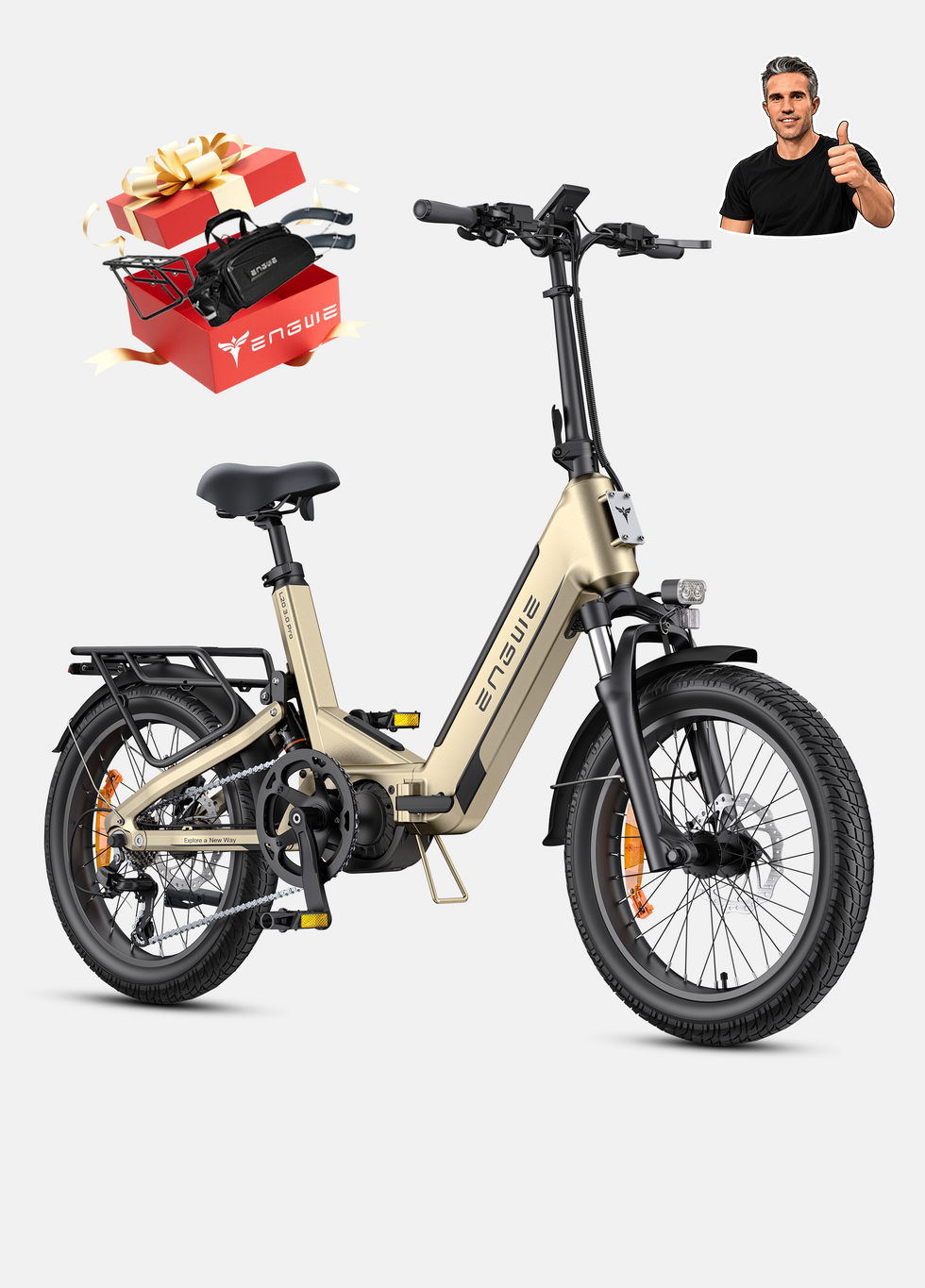
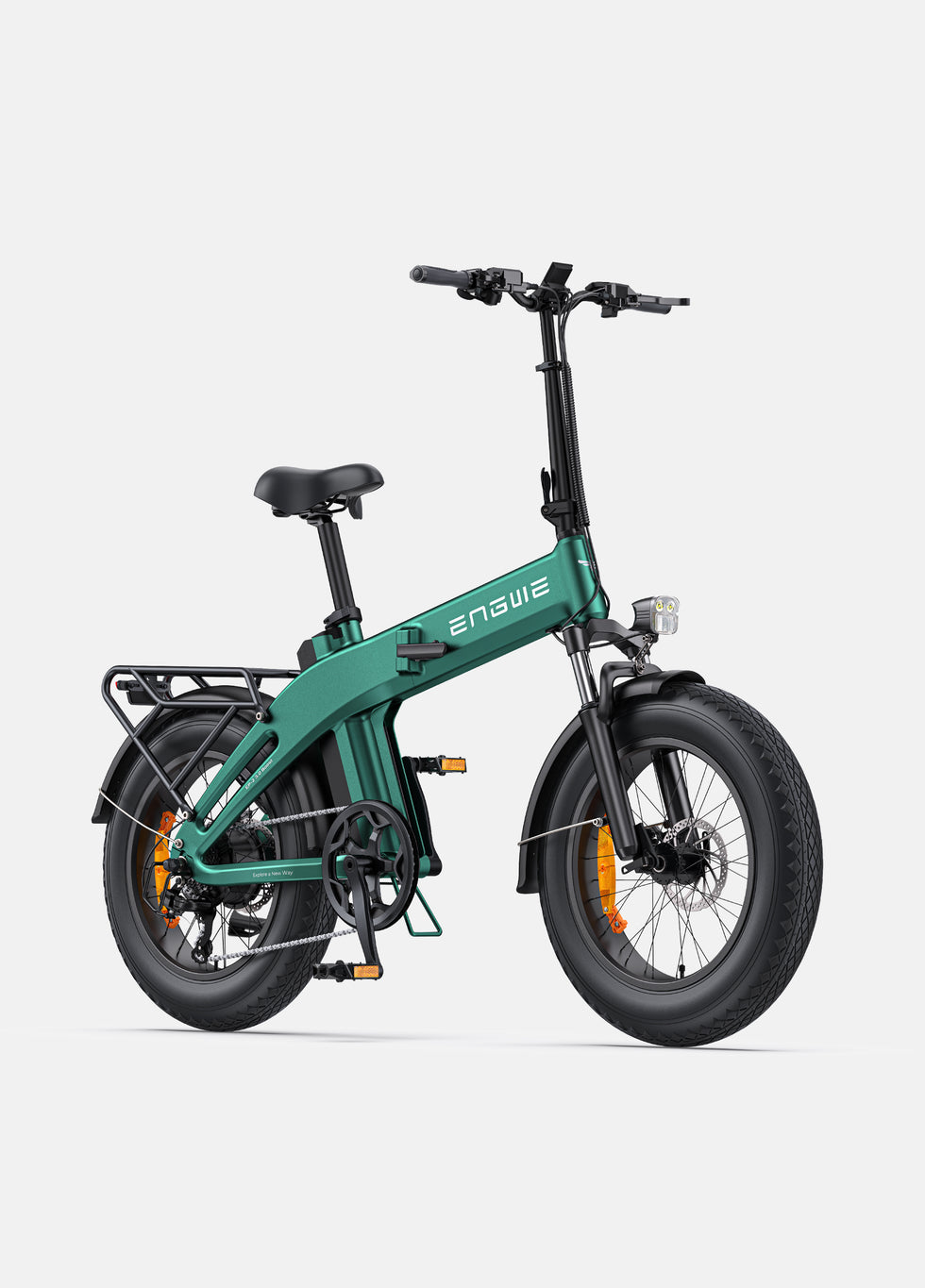
ENGWE L20 3.0 Pro
El
Este modelo es ideal para ciclistas alemanes que buscan comodidad, facilidad de almacenamiento y una conducción controlada tanto en calles urbanas como en superficies mixtas. No se posiciona como una moto de cross eléctrica; se ajusta mejor al concepto de bicicleta eléctrica compacta, centrada en la comodidad.

Bicicleta eléctrica compacta con motor central de 250 W y 100 Nm, suspensión completa y motor de tracción total.
Comprar ahoraENGWE L20 3.0 Boost
El
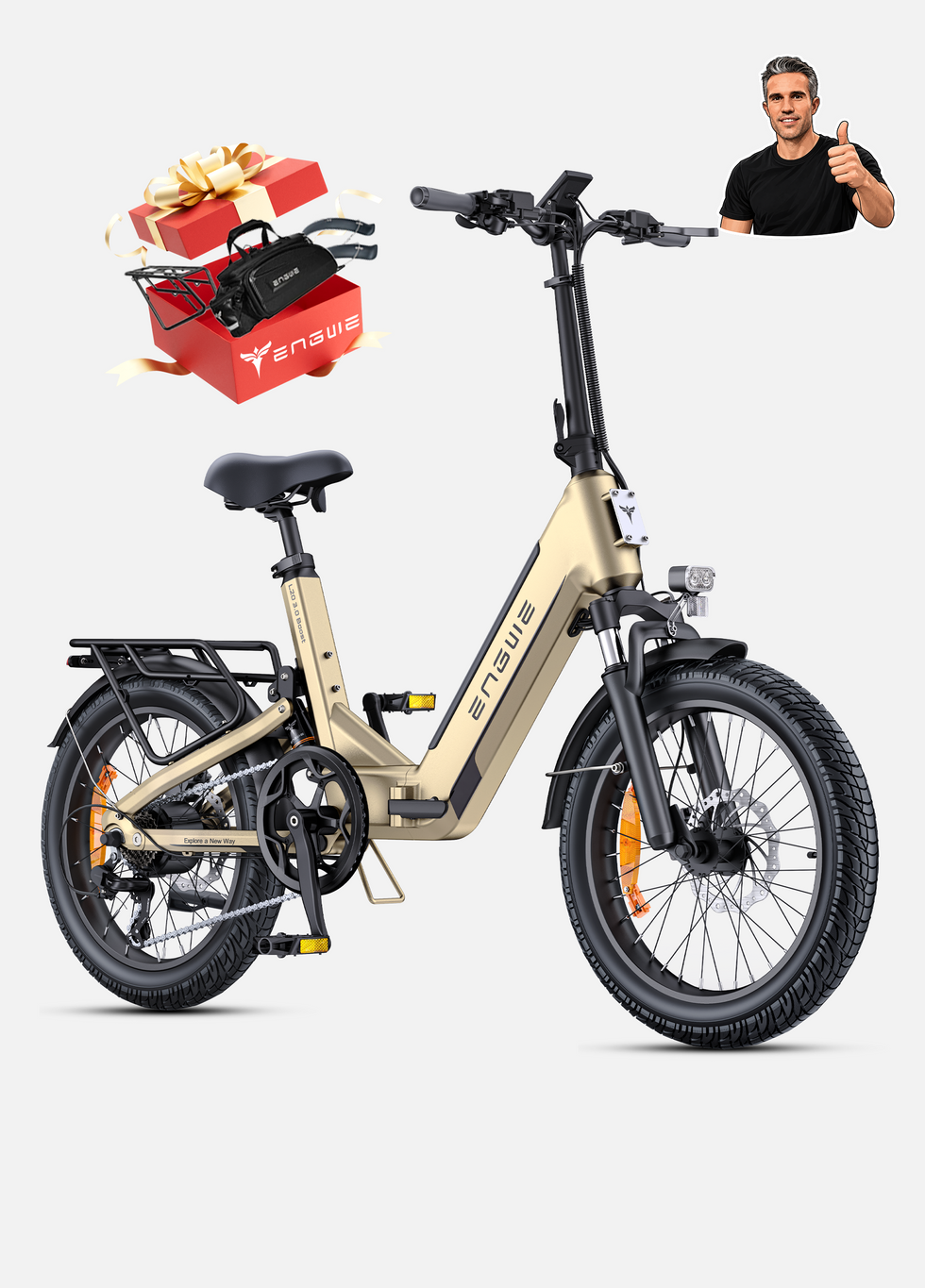
Este bicicleta eléctrica Ideal para el uso diario en la ciudad, tanto en asfalto mixto como para ciclistas que valoran la facilidad de montaje. Es perfecta para quienes buscan comodidad, facilidad de plegado y un manejo urbano sencillo, más que un rendimiento agresivo en senderos.

Bicicleta eléctrica compacta de suspensión completa con 250 W de potencia y 75 Nm de par motor.
Comprar ahoraENGWE Engine Pro 3.0 Boost
El
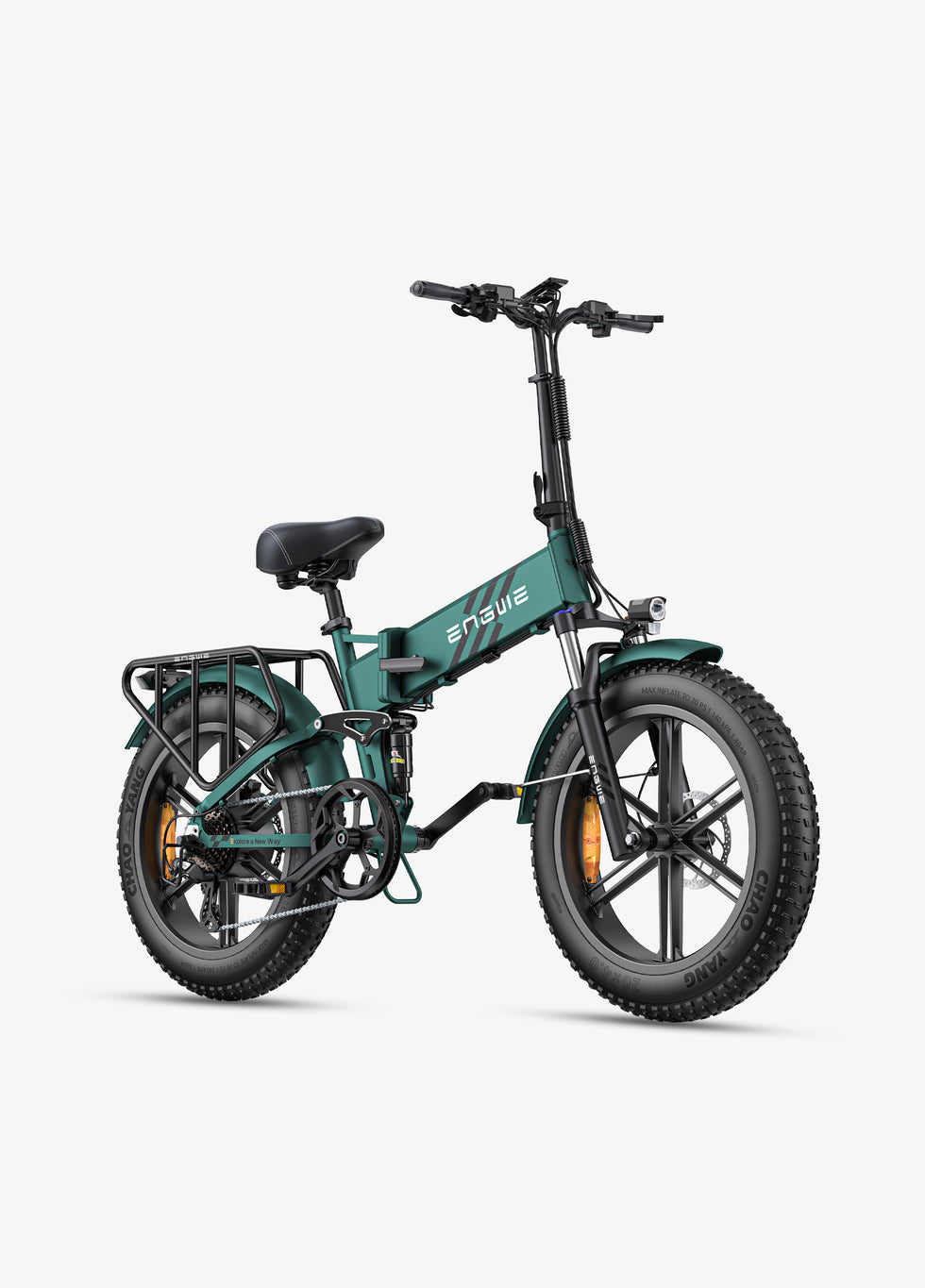
Esta bicicleta eléctrica es ideal para rutas mixtas más accidentadas, ciclistas de mayor peso y compradores que prefieren la estabilidad de las ruedas anchas. Si bien puede parecer menos compacta que la serie L20, ofrece una conducción más estable en terrenos variados.

Bicicleta eléctrica de doble suspensión homologada por la UE, 250 W, 90 Nm, 130 km de autonomía.
Comprar ahoraENGWE L20 3.0 Pro vs Engine Pro 3.0 Boost
El
| Característica | ||
|---|---|---|
| Lo mejor para | Comodidad compacta, rutas urbanas, almacenamiento más sencillo | Estabilidad con neumáticos anchos, terreno mixto, recorridos más largos. |
| Listado de motores | Motor de tracción media de 250 W | 250 W |
| Listado de par | 100 Nm | 90 Nm |
| Suspensión | Suspensión completa | Suspensión completa |
| Dirección de los neumáticos | Neumáticos compactos de 20 x 3.0 | Formato de bicicleta eléctrica con neumáticos anchos |
| Perfil del comprador | Ciclistas urbanos que buscan comodidad y plegado | Ciclistas que buscan una sensación más firme en caminos irregulares. |
Comodidad urbana compacta
El
Esto lo hace idóneo para los desplazamientos diarios, el almacenamiento en apartamentos y las rutas urbanas alemanas mixtas con pavimento irregular o adoquines.
Estabilidad de neumáticos anchos
El
Esta configuración puede ofrecer mayor seguridad en rutas mixtas, pero también puede resultar más pesada y voluminosa en espacios de almacenamiento urbanos reducidos.
Cual ENGWE Se ajusta mejor
Elige el
Ambos modelos pueden considerarse bicicletas eléctricas de doble suspensión, pero resuelven problemas diferentes. La mejor opción depende de dónde pase la mayor parte de la semana el ciclista.
¿Qué mantenimiento necesita una bicicleta eléctrica de doble suspensión?
Una bicicleta eléctrica de doble suspensión requiere más mantenimiento que una bicicleta eléctrica rígida o de cuadro duro, ya que tiene más piezas móviles. La horquilla, el amortiguador trasero, los puntos de pivote, los neumáticos, los frenos y los tornillos necesitan revisiones periódicas.
El mantenimiento debe adaptarse a las condiciones de conducción. El barro, la lluvia, el polvo, la grava, la sal de invierno y las cargas pesadas aumentan la necesidad de limpieza e inspección.
Servicio de suspensión
Las piezas de la suspensión deben mantenerse limpias y moverse con suavidad. Los ciclistas deben inspeccionar las barras de la horquilla, la zona del amortiguador trasero, los puntos de pivote y los tornillos de montaje después de recorridos por terrenos irregulares o sucios.
Los ruidos extraños, las manchas de aceite, la rigidez o el rebote excesivo pueden indicar un problema mecánico. Si el ciclista tiene dudas, un taller de bicicletas local debería revisar el sistema.
Revisión de frenos y neumáticos
En las bicicletas eléctricas de doble suspensión más pesadas, los frenos y los neumáticos trabajan más. Los ciclistas deben revisar la presión de los neumáticos, el estado de la banda de rodadura, el desgaste de las pastillas de freno, el estado de los discos y la sensación de la maneta.
La presión correcta de los neumáticos es importante porque afecta a la comodidad, la resistencia a la rodadura, el agarre y la autonomía de la batería. Una presión demasiado baja puede provocar un desperdicio de energía; una presión demasiado alta puede reducir el agarre y la comodidad.
Rutina de cuidado de la batería
El cuidado de la batería influye en su autonomía y fiabilidad a largo plazo. Los usuarios deben cargarla con el cargador suministrado, evitar el calor extremo y guardarla en un lugar seco.
Para el uso diario en Alemania, la carga en interiores puede ser práctica en invierno. El clima frío puede reducir la autonomía, por lo que los usuarios deben prever un margen adicional para los trayectos más largos.
Errores comunes al comprar una bicicleta eléctrica de doble suspensión
El error más común es comprar basándose únicamente en las especificaciones principales, en lugar de considerar las necesidades reales de la ruta. Una bicicleta eléctrica de doble suspensión debe adaptarse al terreno, al espacio de almacenamiento, a la complexión del ciclista, a las expectativas de mantenimiento y a la normativa vigente.
Los compradores alemanes también deberían evitar los modelos que se promocionan principalmente por su velocidad, aceleración o alta potencia si buscan un uso normal en carretera. La clasificación legal es tan importante como la comodidad.
Suponiendo que la suspensión sea mejor
La suspensión integral no siempre es mejor. Es mejor cuando el terreno es lo suficientemente accidentado como para necesitar amortiguación trasera.
En calles lisas, la suspensión completa puede simplemente añadir peso, coste y mantenimiento. Una bicicleta eléctrica con cuadro rígido o suspensión delantera puede ser más fácil de mantener.
Ignorar el peso de la bicicleta
El peso influye en el uso diario. Una bicicleta eléctrica más pesada puede ser más difícil de subir por las escaleras, meter en un coche, colocar en un portabicicletas o mover por zonas de almacenamiento estrechas.
Antes de comprar, los motociclistas deben considerar todo el proceso de propiedad. La moto debe funcionar bien en casa, no solo en la carretera.
Confundir neumáticos con suspensión
Los neumáticos anchos mejoran el agarre y la amortiguación, pero no son lo mismo que la suspensión trasera. Los neumáticos gestionan principalmente el contacto y las pequeñas vibraciones; la suspensión gestiona los movimientos e impactos más grandes.
La configuración ideal depende del terreno. Algunos ciclistas necesitan neumáticos anchos, otros necesitan suspensión completa y otros se benefician de ambas.
Comparando únicamente la potencia del motor
La potencia del motor por sí sola no refleja la calidad de la conducción. El par motor, el tipo de sensor, la capacidad de la batería, el sistema de frenos, el tamaño de los neumáticos, la geometría del cuadro y el peso total de la bicicleta son factores importantes.
Para Alemania, el cumplimiento de la normativa también es importante. Una bicicleta eléctrica robusta para uso en carretera debe ofrecer una sensación de control y utilidad dentro del marco de las bicicletas eléctricas sin pedaleo asistido, sin depender de velocidades ilegales.
Cómo elegir la bicicleta eléctrica de doble suspensión adecuada
Elige una bicicleta eléctrica de doble suspensión teniendo en cuenta tu ruta, no la lista de especificaciones más larga. La bicicleta ideal debe adaptarse al terreno, la distancia, la estatura del ciclista, el espacio de almacenamiento y el uso legal que le darás.
Un comprador práctico debería comparar la comodidad, la autonomía, el frenado, las necesidades de plegado, la capacidad de carga y el mantenimiento antes de elegir. Este enfoque ofrece mejores resultados que dejarse llevar por una sola cifra destacada.
Adapta el producto a tu terreno
Empieza por las superficies por las que circulas con más frecuencia. Los carriles bici lisos requieren menos suspensión, mientras que los adoquines, la grava, el pavimento en mal estado y los senderos forestales hacen que la suspensión trasera sea más valiosa.
Si tu ruta semanal incluye varios tipos de superficie, las bicicletas eléctricas de doble suspensión merecen que las tengas muy en cuenta. Ofrecen mayor comodidad y control cuando el terreno cambia rápidamente.
Verifique las necesidades de la gama
Calcula la distancia real de tu viaje de ida y vuelta y añade un margen para tener en cuenta las cuestas, el frío, el viento, la carga y los niveles de asistencia más altos. La autonomía real siempre es menor cuando las condiciones son más difíciles.
Para ir al trabajo, elige una batería que cubra la ruta cómodamente sin preocuparte por la autonomía diaria. Para paseos de fin de semana, verifica el tiempo de carga y si la batería es extraíble.
Comparar ajuste y peso
El ajuste determina si la bicicleta se siente segura y natural. Verifique el tamaño del cuadro, la posición del manillar, la altura del sillín, el acceso bajo y la altura recomendada del ciclista.
El peso determina si la bicicleta se adapta al uso diario. El mejor modelo de doble suspensión no solo debe ser cómodo en carretera, sino que también debe ser fácil de guardar, transportar y mantener.