

El Las mejores marcas de bicicletas eléctricas En Alemania, no solo destacan las marcas más famosas. Las marcas consolidadas combinan sistemas de pedelec homologados para circular por carretera, motores fiables, una autonomía práctica, un servicio técnico sencillo y modelos que se adaptan a los desplazamientos diarios, el senderismo, las rutas de montaña o a la búsqueda de una buena relación calidad-precio en Alemania. Para la mayoría de los compradores, la bicicleta eléctrica ideal debe ser estable a 25 km/h, subir cuestas con facilidad, permitir transportar el equipaje diario y seguir siendo práctica tras varios años de uso.
¿Cómo deberían comparar los ciclistas alemanes las marcas de bicicletas eléctricas antes de comprar una?
Los ciclistas alemanes deberían comparar las marcas de bicicletas eléctricas según el cumplimiento de la normativa, la sensación del motor, la autonomía de la batería, el uso previsto del cuadro y el servicio de asistencia técnica antes de fijarse en el diseño o los descuentos. En Alemania y en el resto de la UE, las bicicletas eléctricas con asistencia al pedaleo estándar suelen tener que cumplir con la potencia nominal continua de 250 W y el límite de velocidad de 25 km/h para evitar entrar en la categoría de ciclomotores homologados.
Conceptos básicos sobre bicicletas eléctricas homologadas para circular por carretera
Un usuario alemán que se desplace a diario al trabajo debería comprobar primero si la bicicleta se comporta como una pedelec normal, y no como una speed-pedelec o una bicicleta eléctrica tipo ciclomotor. La interpretación que hace la Comisión Europea del Reglamento 168/2013 describe las bicicletas con asistencia al pedaleo con un motor eléctrico auxiliar de hasta 250 W, en las que la asistencia se interrumpe al dejar de pedalear o antes de que el vehículo alcance los 25 km/h.
Esa norma es importante porque muchos modelos internacionales de bicicletas eléctricas resultan atractivos en internet, pero puede que no se ajusten a las normas de circulación alemanas. Una marca consolidada en el mercado alemán suele facilitar la comprensión de la normativa: asistencia de 250 W, límite de velocidad de 25 km/h, luces, frenos, reflectores, guardabarros y acceso a concesionarios o garantía.
Ajuste de la batería y el motor
Un buen motor debe adaptarse a la ruta real del ciclista, no solo a la publicidad de la marca. Los ciclistas urbanos suelen necesitar una aceleración suave, poco ruido y un manejo predecible en los semáforos. Los ciclistas de trekking necesitan autonomía, geometría estable y suficiente par motor para pendientes variadas. Los ciclistas de trail necesitan suspensión, control de frenado y un sistema de transmisión que se mantenga estable bajo carga.
| Necesidad del comprador | Qué comprobar | Por qué es importante en Alemania |
|---|---|---|
| Desplazamientos urbanos | Geometría vertical, luces, guardabarros, portaequipajes | El uso diario depende de la seguridad y la comodidad. |
| Rutas de senderismo | Autonomía de la batería de 500–800 Wh, neumáticos estables, configuración de confort. | Las rutas más largas requieren resistencia y comodidad. |
| Zonas montañosas | Par motor, respuesta del motor, calidad del freno | Una subida suave es más importante que la velocidad máxima. |
| Uso de senderos | recorrido de la suspensión, rigidez del cuadro, agarre de los neumáticos | El control de los caminos forestales y las pistas accidentadas es fundamental. |
| Propiedad a largo plazo | Red de distribuidores, repuestos, claridad en la garantía | El acceso al servicio reduce el riesgo después de la compra. |
Soporte para distribuidores y servicio técnico
El acceso al servicio técnico suele ser un factor clave que diferencia a las mejores marcas de bicicletas eléctricas de aquellas que solo parecen buenas sobre el papel.
Para los compradores alemanes, esto otorga a las marcas con concesionarios una ventaja natural en cuanto a mantenimiento y pruebas de conducción. Las marcas de venta directa al consumidor aún pueden competir con fuerza si ofrecen una mejor relación calidad-precio, un cumplimiento normativo claro y un soporte de producto realista.
Las mejores marcas de bicicletas eléctricas en Alemania que vale la pena comparar en 2026.
El Las mejores marcas de bicicletas eléctricas En Alemania, la normativa debería abarcar más de un estilo de conducción, ya que los compradores alemanes utilizan las bicicletas eléctricas para ir al trabajo, para excursiones de fin de semana, para transportar mercancías, para hacer ejercicio y para rutas todoterreno.
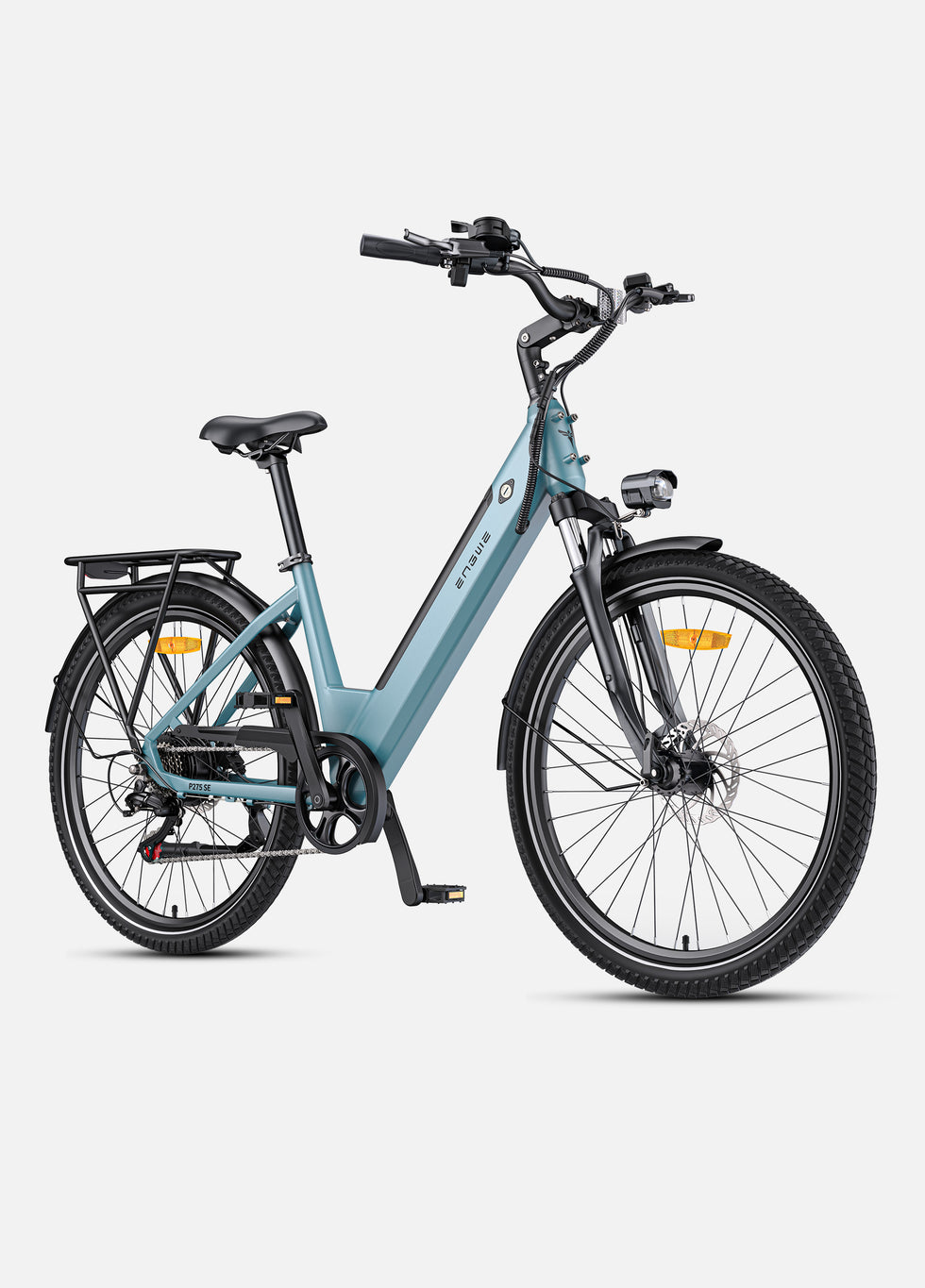
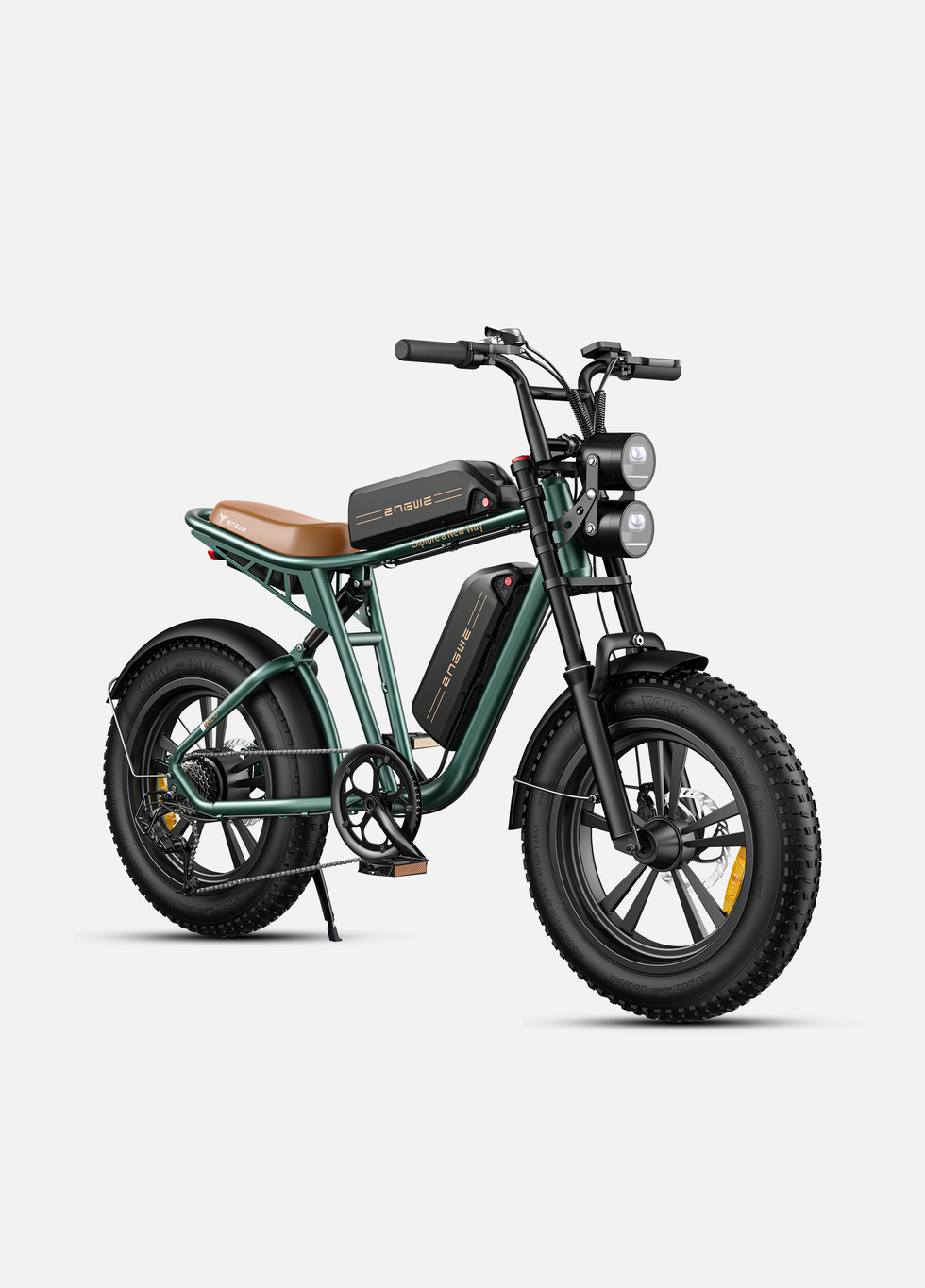
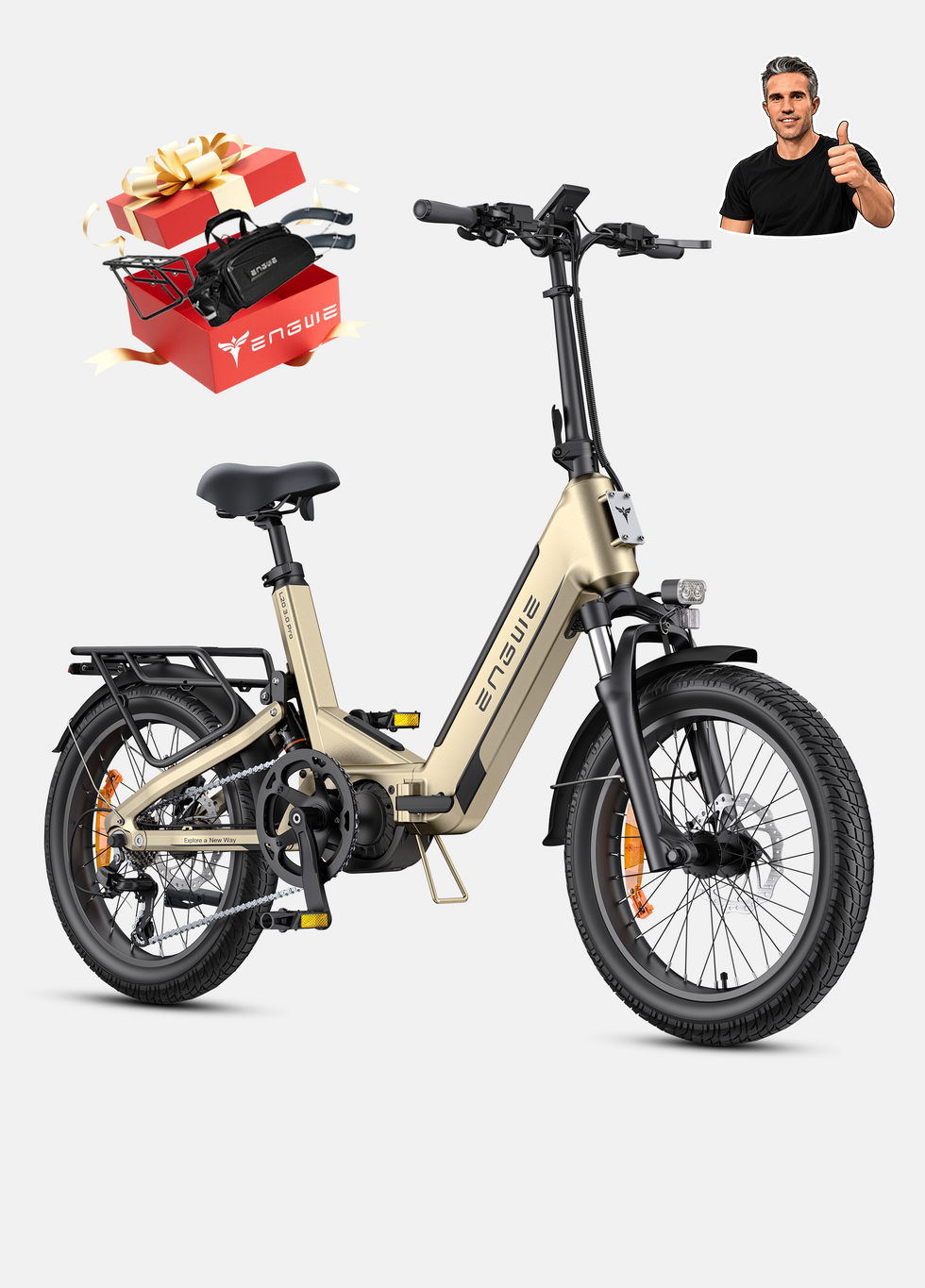
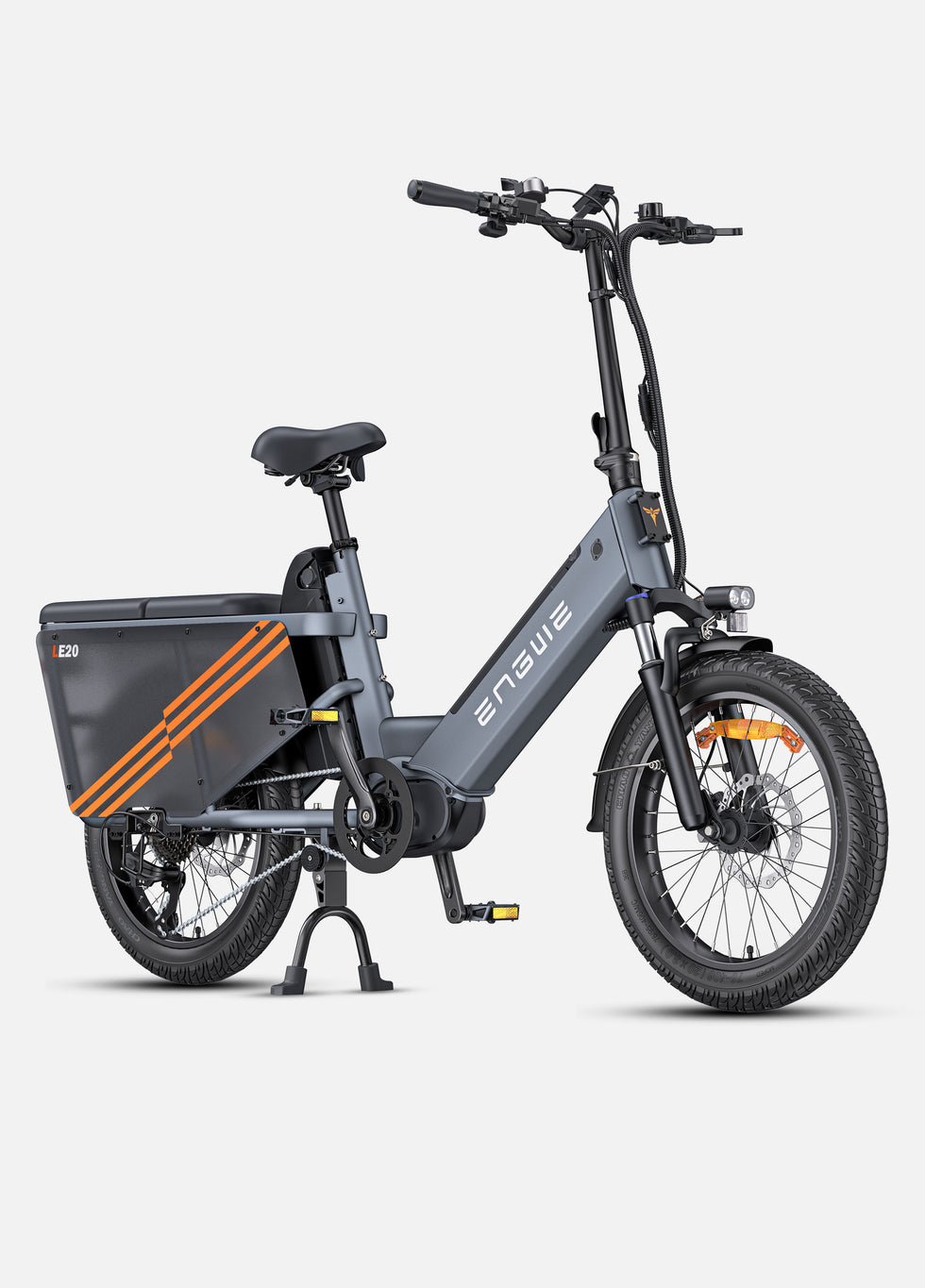
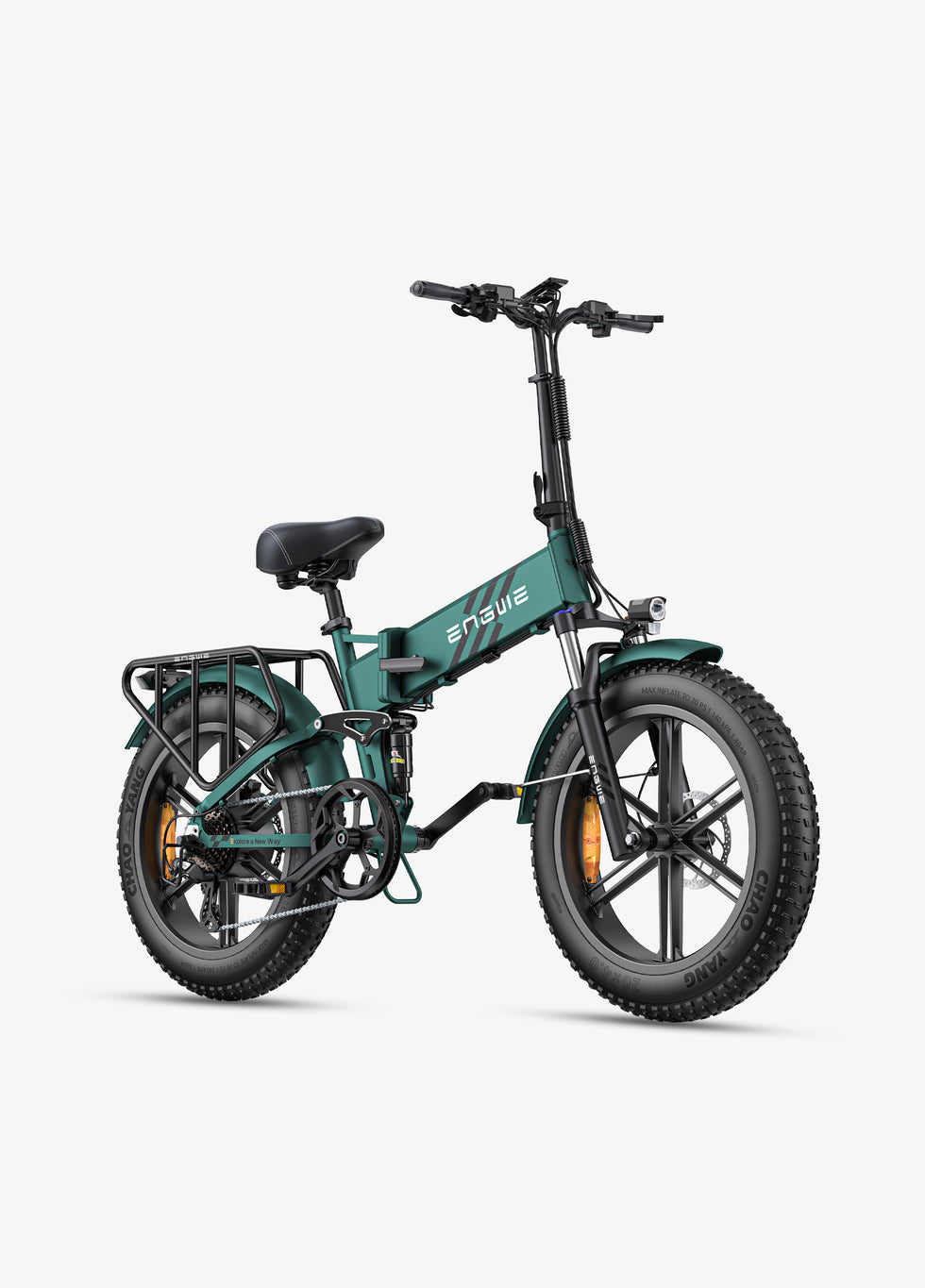
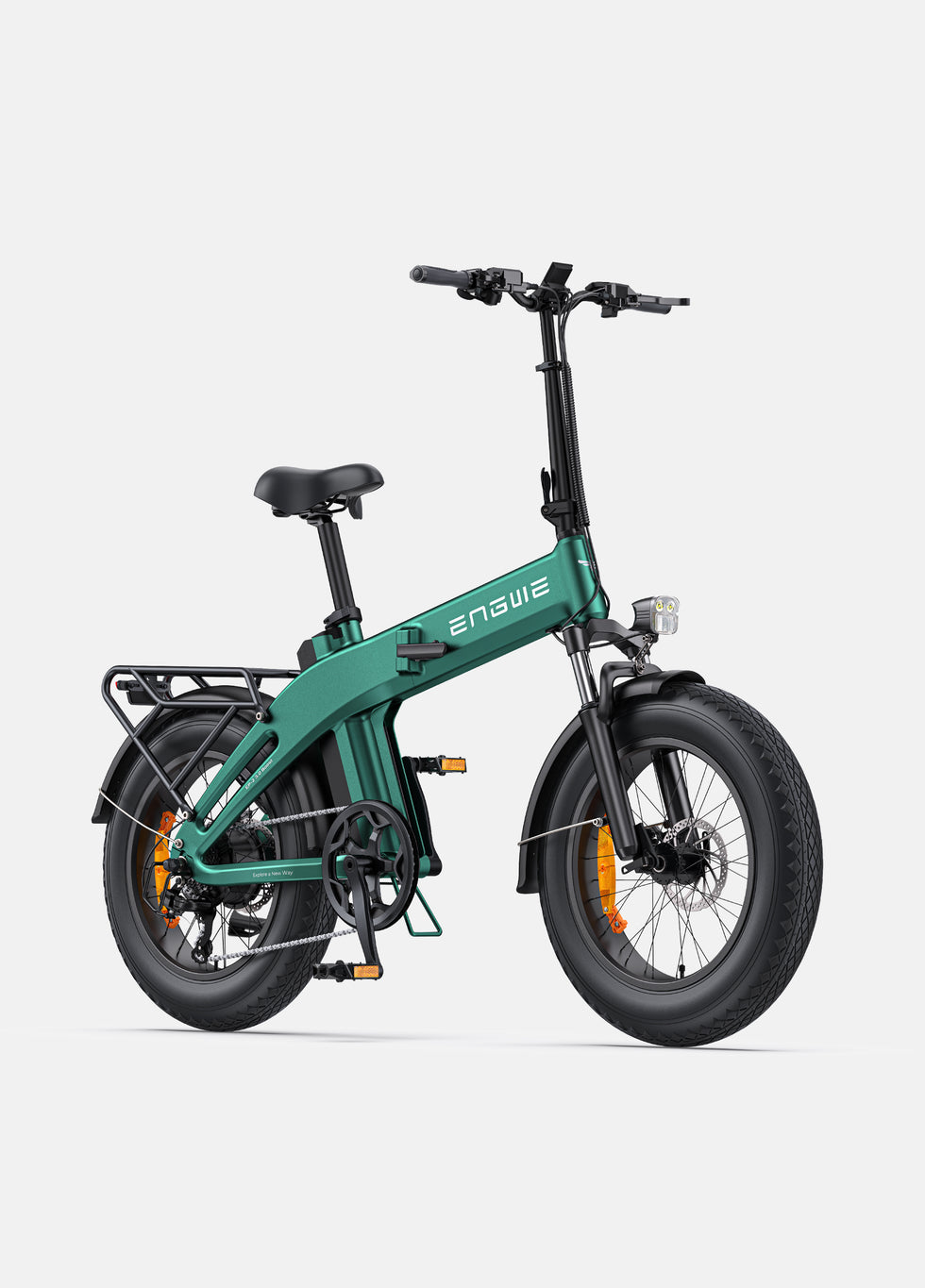
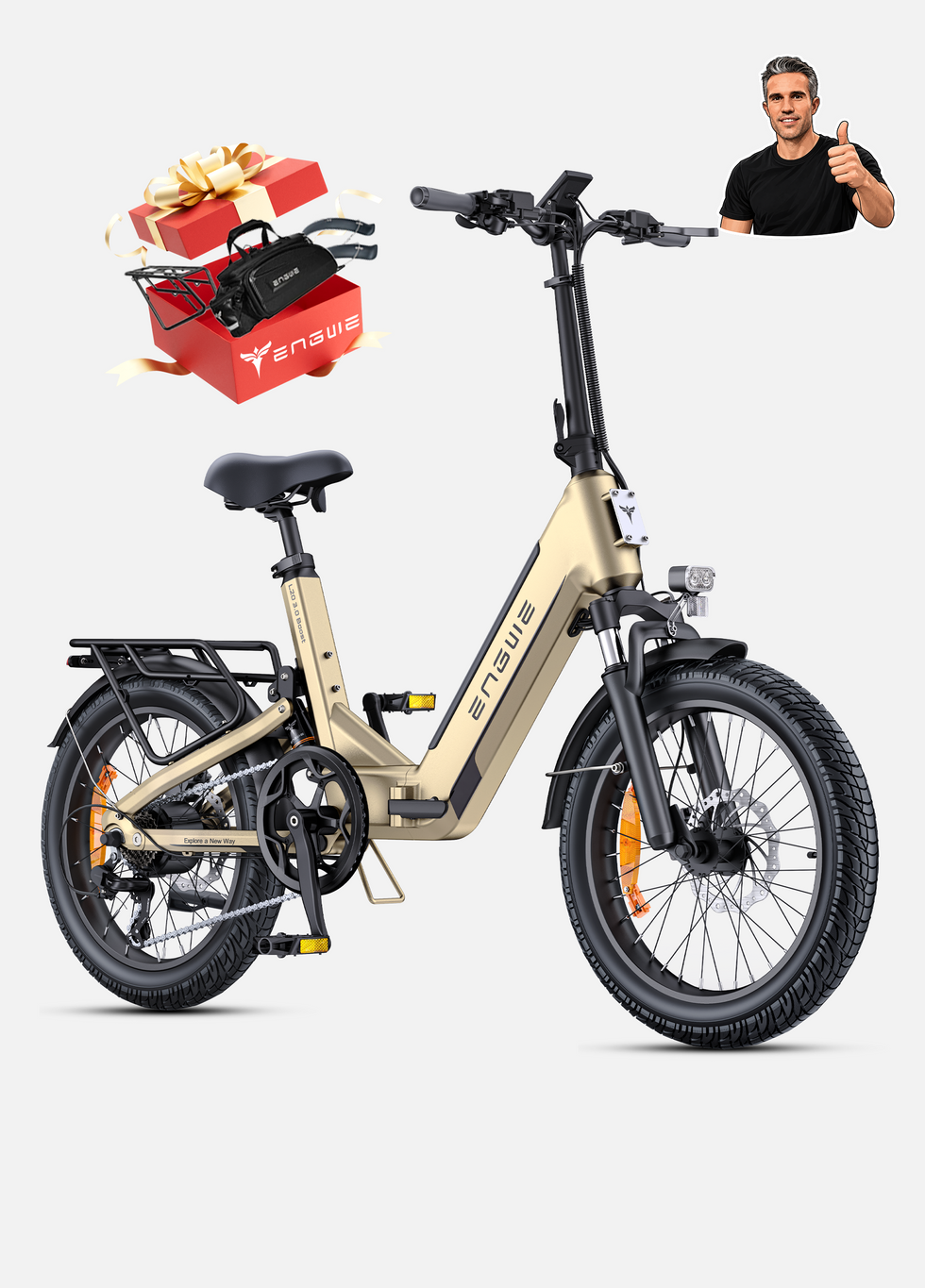
ENGWE
Ventaja principal:
El
Modelos recomendados:

Bicicleta eléctrica homologada por la UE con sensor de par, 250 W, 75 Nm y autonomía de 120 km.
Comprar ahoraCUBO
Ventaja principal: CUBE ofrece una de las gamas de bicicletas eléctricas más completas de Alemania, desde bicicletas de trekking hasta bicicletas eléctricas de montaña rígidas y de doble suspensión.
CUBE debería figurar en cualquier lista de las mejores marcas de bicicletas eléctricas en Alemania, ya que cubre prácticamente todos los usos habituales. La fortaleza de la marca no reside en un único modelo estrella, sino en la amplitud de su gama: bicicletas urbanas, de trekking, rígidas y de doble suspensión. Esto es fundamental para los compradores alemanes que buscan una bicicleta fiable y de confianza, con una red de distribuidores reconocida.
Para desplazamientos diarios y rutas de senderismo, la línea Kathmandu Hybrid es la recomendación natural de CUBE. Para ciclistas que buscan mayor capacidad todoterreno, las series Reaction Hybrid o Stereo Hybrid son más adecuadas. La categoría oficial de e-MTB de CUBE describe la Reaction Hybrid como una bicicleta rígida con mayor versatilidad gracias a la asistencia Bosch, mientras que la Stereo Hybrid ONE44 utiliza 140 mm de recorrido de suspensión con asistencia al pedaleo Bosch para senderos más exigentes.
Modelos recomendados: CUBE Kathmandu Hybrid y CUBE Stereo Hybrid ONE44. La Kathmandu Hybrid es ideal para el uso diario y los viajes, mientras que la Stereo Hybrid ONE44 es perfecta para rutas forestales, terrenos montañosos y para quienes buscan un control de suspensión óptimo.
Riese & Müller
Ventaja principal: Riese & Müller lidera el segmento premium gracias a su comodidad, capacidad de carga, amplia gama de configuraciones y diseño para largas distancias.
Riese & Müller no suele ser la opción más económica, pero es una de las alternativas premium más claras para los compradores alemanes. La marca destaca especialmente entre quienes buscan una alternativa a largo plazo al coche, una bicicleta para el transporte familiar o una bicicleta urbana con equipamiento completo. Su catálogo incluye modelos como Charger4, Charger5, Delite, Homage, Carrie y las bicicletas de carga Load4/Load5.
El Charger4 es la recomendación más útil para muchos ciclistas diarios porque combina una batería de 750 Wh, horquilla de suspensión y tija de sillín con suspensión para mayor comodidad en asfalto y caminos de tierra. Para necesidades familiares o de carga, el Load4 es la mejor opción porque Riese & Müller lo sitúa dentro de su gama específica de carga Load.
Modelos recomendados: Riese & Müller Charger4 y Riese & Müller Load4. La Charger4 es ideal para desplazamientos diarios de alta gama y viajes largos; la Load4 es perfecta para familias, recados de negocios y para quienes buscan sustituir los viajes cortos en coche.
Kalkhoff
Ventaja principal: Kalkhoff se centra en bicicletas eléctricas alemanas prácticas para senderismo y ciudad, que ofrecen comodidad, seguridad y un diseño duradero para el uso diario.
La Kalkhoff es ideal para los ciclistas alemanes que buscan una bicicleta eléctrica fiable para ir al trabajo y recorrer largas distancias por carretera. Se centra menos en la conducción deportiva agresiva y más en la movilidad urbana, el senderismo y todo tipo de terrenos. Este posicionamiento coincide con la información de referencia, que define a la Kalkhoff como una bicicleta para largas distancias, un uso urbano con estilo y un desarrollo centrado en la seguridad.
La Endeavour 5+ Advance es la mejor opción para ciclistas que buscan capacidad para viajes largos, mientras que la Image 5+ Advance se adapta mejor a la comodidad urbana. Las páginas oficiales de Kalkhoff presentan la Endeavour 5+ Advance como una compañera ideal para viajes largos, con una autonomía de hasta 160 km y un peso del sistema de 180 kg, mientras que la Image 5+ Advance se describe como una bicicleta eléctrica urbana de alta gama con asistencia Bosch de 85 Nm y una capacidad de carga máxima de 180 kg.
Modelos recomendados: Kalkhoff Endeavour 5+ Advance y Kalkhoff Image 5+ Advance. El Endeavour es ideal para rutas largas; el Image es perfecto para la comodidad urbana, con fácil acceso y para un transporte diario estable.
Haibike
Ventaja principal: Haibike es una de las marcas más reconocidas de Alemania para ciclistas de montaña eléctricos y de trekking que buscan potencia y control.
Haibike tiene una clara referencia en cuanto a rendimiento: bicicletas eléctricas deportivas con una marcada identidad de e-MTB. Su catálogo vincula a Haibike con Schweinfurt, bicicletas de montaña eléctricas, sistemas Bosch y Yamaha, y modelos de trekking, lo que la convierte en una marca ideal para ciclistas que buscan algo más que una bicicleta urbana para relajarse.
La ALLMTN 6 es la opción ideal para senderos. Haibike la describe con un motor Bosch Performance CX, cuadro de plataforma all-mountain, 160 mm de recorrido delantero, 150 mm de recorrido trasero, ruedas mullet y frenos de disco Shimano. La Trekking 7.5 es más práctica para los ciclistas alemanes que necesitan una bicicleta para ir al trabajo entre semana y para excursiones de fin de semana, con asistencia Yamaha PW-X3, una batería de 720 Wh y una horquilla de suspensión RockShox.
Modelos recomendados: Haibike ALLMTN 6 y Haibike Trekking 7.5. Elija la ALLMTN 6 para senderos; elija la Trekking 7.5 para rutas diarias, caminos forestales y uso durante fines de semana largos.
Enfocar
Ventaja principal: Focus atrae a ciclistas deportivos que desean bicicletas eléctricas de ingeniería alemana con manejo ágil y diseño apto para senderos.
Focus es ideal para ciclistas que valoran la sensación al pedalear. El material de referencia la posiciona en la categoría deportiva, especialmente en lo que respecta a bicicletas eléctricas de montaña y de carretera, en lugar de para paseos urbanos relajados. Esto la convierte en una opción valiosa en una comparativa de las mejores marcas de bicicletas eléctricas, ya que ofrece a los ciclistas deportivos una clara ventaja.
FOCUS también describe el diseño de sus bicicletas eléctricas en torno a un manejo ágil y equilibrado, baterías extraíbles, compatibilidad con Bosch Performance CX, una capacidad de batería de 625 Wh y la posibilidad de ampliar la autonomía en los modelos JARIFA² y AVENTURA² mediante una segunda batería externa. Este detalle consolida a Focus como una marca para ciclistas que buscan una experiencia deportiva sin renunciar a opciones de autonomía prácticas.
Modelos recomendados: Focus JAM² y Focus AVENTURA². El JAM² es ideal para rutas deportivas por senderos, mientras que el AVENTURA² es mejor para recorridos más largos por terrenos mixtos y para quienes valoran la flexibilidad de la autonomía.
Toros
Ventaja principal: Bulls ofrece a los ciclistas alemanes una amplia gama de productos a precios asequibles en las categorías de bicicletas urbanas, de trekking, todoterreno, de gravel y de montaña eléctricas.
Bulls es útil para los compradores que desean variedad sin pasar directamente a precios premium. El material de referencia describe a Bulls como una marca amplia y asequible con cobertura en bicicletas eléctricas urbanas, de montaña, de turismo, de carretera y para jóvenes. Eso la convierte en un punto de comparación práctico con ambas
La línea Copperhead EVO es una recomendación sensata para los ciclistas que pasan de las rutas turísticas a los senderos, mientras que la línea Iconic EVO es ideal para los ciclistas que desean una bicicleta eléctrica cómoda estilo SUV para el uso diario.La página oficial de la serie de modelos de Bulls describe la Copperhead EVO como "ideal para senderos y viajes", la Iconic EVO como cómoda y segura en cualquier ruta, y la Urban EVO como enfocada en la ciudad con energía extra.
Modelos recomendados: Bulls Copperhead EVO y Bulls Iconic EVO. La Copperhead EVO es ideal para quienes buscan una bicicleta deportiva a buen precio; la Iconic EVO es perfecta para quienes desean una bicicleta estable para recados, desplazamientos diarios y rutas más largas.
Winora
Ventaja principal: Winora se centra en bicicletas eléctricas prácticas para el día a día, que ofrecen comodidad, son aptas para uso familiar y cuentan con el respaldo del distribuidor.
Winora es una excelente opción para los ciclistas alemanes que buscan una bicicleta que no parezca excesivamente robusta para el uso diario. El posicionamiento de la marca se centra en la comodidad, la fiabilidad, la tecnología de vanguardia y el soporte del distribuidor. Además, destaca las bicicletas eléctricas de trekking y urbanas como parte de una amplia gama para el día a día.
La Tria N8 E es una opción ideal para la ciudad gracias a su cuadro de fácil acceso, el sistema inteligente Bosch Active Plus, asistencia eléctrica de 250 W, un par motor de 50 Nm, una velocidad máxima de 25 km/h, una posición de conducción erguida, cambio interno Nexus, frenos de disco hidráulicos y una horquilla de suspensión de 63 mm. La línea Yakun se adapta mejor a recorridos más largos; Winora la describe como una bicicleta robusta y versátil de alta gama, apta tanto para distancias cortas como largas.
Modelos recomendados: Winora Tria N8 E y Winora Yakun. La Tria N8 E es ideal para desplazamientos urbanos; la Yakun es perfecta para quienes buscan una bicicleta para uso diario y excursiones de fin de semana.
Rotwild
Ventaja principal: Rotwild representa el rendimiento premium alemán para ciclistas que desean cuadros de carbono, un manejo de alta gama en bicicletas eléctricas de montaña y sistemas de transmisión robustos.
Rotwild es el especialista en rendimiento de esta lista. No necesita competir con
El R.C750 Utiliza un cuadro de carbono completo, una batería extraíble de 720 Wh y un motor Brose Drive S-Mag para conducción crossover. R.X750 Está diseñado para terrenos exigentes, con un potente sistema de transmisión, una configuración de suspensión centrada en la tracción, una batería IPU750 y un motor Brose Drive S-Mag.
Modelos recomendados: Rotwild R.C750 y Rotwild R.X750. El R.C750 Adecuado para recorridos rápidos y senderos mixtos; R.X750 Adecuado para rutas de montaña más exigentes.
Stevens
Ventaja principal: Stevens ofrece a los ciclistas alemanes una combinación equilibrada de bicicletas de turismo, urbanas, de ciclocross y eléctricas de alto rendimiento.
Stevens merece atención porque se percibe como una elección práctica de un editor alemán, más que como una marca de moda pasajera. El material de referencia señala que Stevens abarca bicicletas urbanas, bicicletas eléctricas de ciclocross, bicicletas eléctricas de turismo, bicicletas rígidas, bicicletas de doble suspensión, bicicletas de montaña y bicicletas eléctricas de estilo enduro, con sistemas de transmisión Bosch y Shimano.
La E-Triton PT5 es una excelente opción para cicloturismo, con transmisión Shimano, sistema Bosch Performance Line Cruise, batería integrada de 500 Wh, cuadro de aluminio, horquilla con suspensión neumática y frenos de disco Shimano. Para ciclistas más deportivos, la línea E-Inception se orienta hacia un uso más agresivo de las bicicletas eléctricas de montaña, incluyendo modelos con cuadro de carbono y configuraciones para enduro.
Modelos recomendados: Stevens E-Triton PT5 y Stevens E-Inception. La E-Triton PT5 es ideal para desplazamientos diarios y cicloturismo; la E-Inception es perfecta para ciclistas que buscan una bicicleta de montaña más robusta.
Bergamont
Ventaja principal: Bergamont traslada la practicidad propia de Hamburgo al uso urbano, de senderismo, todoterreno y utilitario de las bicicletas eléctricas.
Bergamont es ideal para ciclistas alemanes que buscan funcionalidad diaria con un toque de personalidad. El material de referencia vincula la marca con Hamburgo y describe opciones de bicicletas eléctricas urbanas, de trekking y de montaña, lo que la hace útil para desplazamientos diarios, cicloturismo y uso urbano mixto.
La línea E-Horizon es la opción más práctica, con Bergamont indicando su uso para desplazamientos diarios y cicloturismo, motor Bosch, velocidad máxima de 25 km/h, frenos de disco y opciones de batería de 540 Wh, 600 Wh u 800 Wh en toda la gama. La E-Grandurance RD 8 es más distintiva: utiliza un cuadro de aluminio para todo tipo de terreno, motor TQ-HPR50, batería de 360 Wh, Shimano GRX, frenos de disco hidráulicos y equipamiento para todo tipo de terreno.
Modelos recomendados: Bergamont E-Horizon y Bergamont E-Grandurance RD 8. La E-Horizon es ideal para quienes se desplazan a diario o para quienes realizan viajes largos; la E-Grandurance es ideal para quienes buscan una sensación más ligera para todo tipo de terrenos.
¿Qué marcas de bicicletas eléctricas se adaptan mejor a las diferentes necesidades de los ciclistas en Alemania?
Las mejores marcas de bicicletas eléctricas varían según el uso que se le vaya a dar, ya que quienes las usan para ir al trabajo en la ciudad, para hacer senderismo, para rutas de montaña o para quienes buscan una buena relación calidad-precio tienen necesidades diferentes en cuanto a geometría del cuadro, tipo de neumáticos, respuesta del motor y servicio. La opción más segura es elegir la marca que mejor se adapte a tus necesidades y, a partir de ahí, seleccionar el modelo.
Ideal para desplazamientos urbanos
Los usuarios urbanos deben priorizar la configuración legal, las luces, los guardabarros, la comodidad en posición erguida, la flexibilidad de almacenamiento y el frenado predecible. Para este caso de uso,
Las bicicletas Winora Tria N8 E y Kalkhoff Image 5+ Advance son ideales para ciclistas que prefieren bicicletas urbanas tranquilas, con asistencia del distribuidor y una postura más erguida. La Bergamont E-Horizon es perfecta para quienes buscan una bicicleta urbana de estilo trekking con la practicidad característica del mercado alemán.
Ideal para rutas de senderismo.
Los ciclistas que practican senderismo necesitan autonomía de batería, geometría cómoda, neumáticos estables y suficiente asistencia del motor para rutas más largas fuera de la ciudad.
La Kalkhoff Endeavour 5+ Advance sigue siendo una de las mejores opciones de trekking para ciclistas que buscan autonomía. La Haibike Trekking 7.5 añade una sensación de conducción más deportiva, mientras que la Riese & La Müller Charger4 es ideal para compradores exigentes que buscan comodidad y una amplia gama de opciones de configuración. La CUBE Kathmandu Hybrid es la opción más versátil para quienes desean una marca alemana reconocida con una extensa red de distribuidores.
Ideal para senderos
Los ciclistas de montaña deben centrarse en la calidad de la suspensión, el control de los frenos, la rigidez del cuadro, el agarre de los neumáticos y la respuesta del motor bajo carga.
Haibike ALLMTN 6 y Rotwild R.X750 Son opciones más robustas para ciclistas que se centran en terrenos montañosos exigentes. La CUBE Stereo Hybrid ONE44 ofrece un acceso más amplio al ciclismo de montaña, mientras que la Focus JAM² y la Stevens E-Inception son ideales para ciclistas deportivos que buscan una conducción más precisa en lugar de una configuración relajada para senderismo.
Ideal para quienes buscan la mejor relación calidad-precio.
Los compradores que buscan la mejor relación calidad-precio deben comparar equipos reales, no solo el precio más bajo. La mejor opción suele ser aquella que cumple con la normativa vigente, ofrece un par motor útil, una autonomía razonable, buenos frenos, facilidad de plegado y almacenamiento, y acceso a la garantía.
Bulls y CUBE también ofrecen un gran valor a través de ecosistemas de distribuidores más amplios, mientras que Winora sigue siendo atractiva para los ciclistas que prefieren la comodidad y el servicio a las especificaciones agresivas. Para los compradores que desean el máximo equipamiento por euro,