
Finding Your Perfect Fit: Frame and Comfort
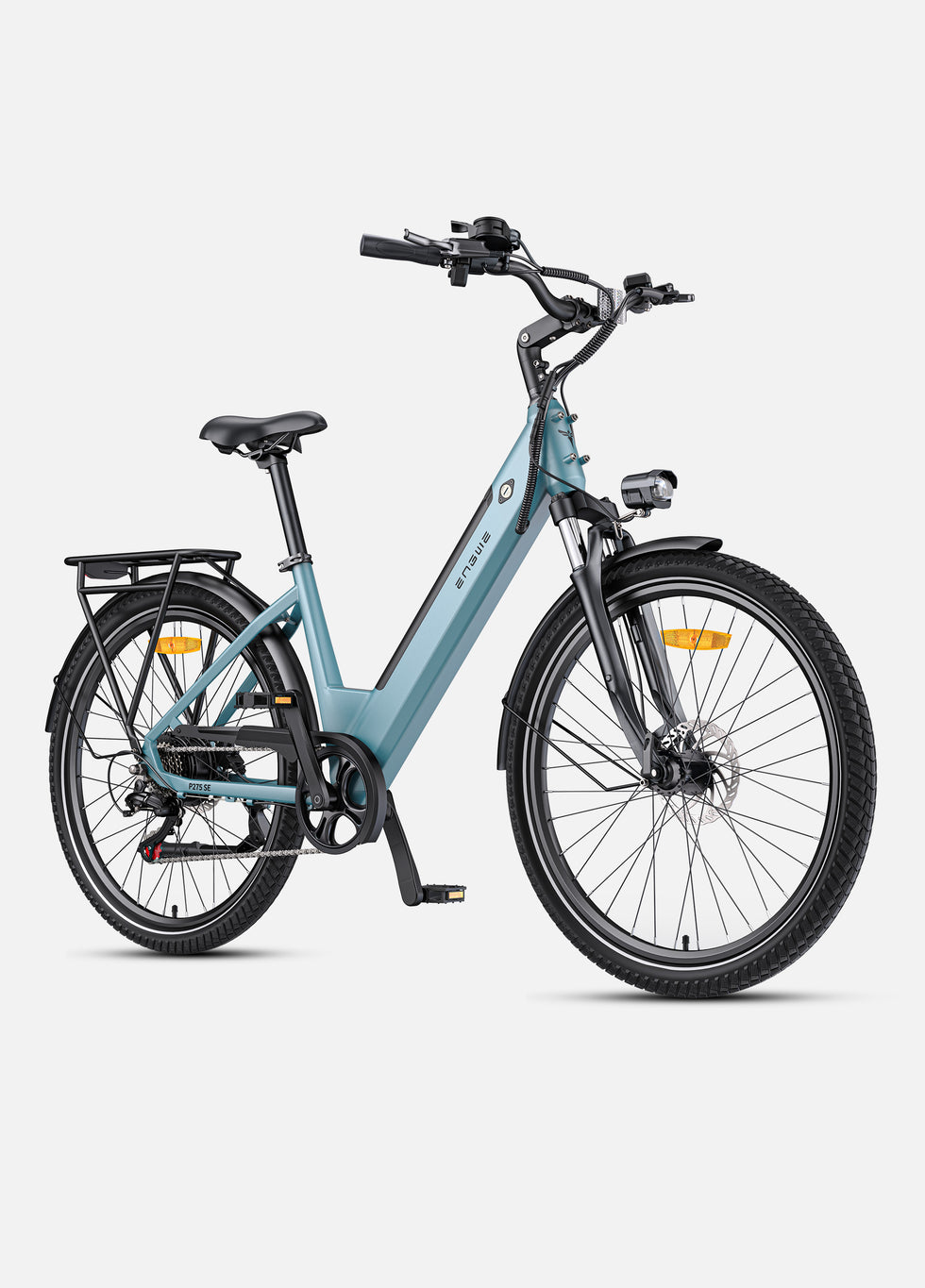
The perfect electric bike is easy to use, comfortable and leaves you feeling in control. For a lot of women, the perfect trio is a low-step frame that makes getting on and off easy, behemoth 26-inch wheels that provide stability to spare and, hey, what do you know: the simplicity of a coaster brake. We did the research to find the top hybrid bikes under $500 that truly have comfortable and capable designs, covering important details with in-depth dimensions for best fits for your activity level and riding fun.
The first dimension you find in your search is a deep dive into ergonomics and frame design, the real stuff that goes on beneath you to make that ride as comfortable. The low-step, or step-through, frame is the most important characteristic here as it provides easy mounting and dismounting, particularly if you don't want to have to lift your leg high. It is more than just a convenience; it inspires confidence in every rider and particularly in stop-and-go city traffic or when cyclists are wearing skirts or dresses. Outside of the frame, look at the contact points that matter most in defining your ride and decide what you can’t live without. A good electric bike will have several fine-tunable contact points to ensure an ideal fit for your body.
The Right Comfort Elements:
- Wide, Cushioned Saddle: Try to choose a saddle with wide cushioning and especially possibly spring suspension on the bottom in order to absorb any road vibrations.
- Swept-Back Handlebars: These prevent an awkward hunch so you enjoy riding with an upright and relaxed position which reduces the strain on your back, shoulders, and wrists.
- Adjustable Stem: Again, an important feature but it carries much importance. The adjustable stem lets you change the height and angle of the handlebars, ensuring a custom fit.
Quality Indicators to Look For:
- A word about frame material: Aluminum is the most prevalent, which gives you a good balance of strength and light weight.
- Smooth Welds: Well made frames have even, smooth welds.
- Internal Cable Routing: Keeps cables clean and prevents against snagging and weathering.
- Pro Tip: Try to test ride a bike whenever possible. If you won't be, measure your inseam and make sure it is at least that of the bike's stand over height listed in its geometry chart for a safe and comfortable fit.
Understanding Your Brakes: Coaster vs. Modern Alternatives
Knowing your stopping power is the next most important thing, because a coaster brake is essential. A coaster brake (also known as a back pedal brake or foot brake) is a type of drum brake integrated into the rear hub of the wheel and operates when pressure (not resistance) is applied in the reverse direction. The primary perk is its clean, uncluttered look, no longer requiring a rear brake lever and cable to be reaching around your handlebars. But it’s important to evaluate its pros and cons, especially in comparison with today’s alternatives that might provide better safety and performance on an electric bike.
COASTER BRAKE BENEFITS
- Easiness: No levers or wires to keep for the rear brake. They require no special training to operate for anyone who has used them since they were a child.
- Perform Year After Year: Housed in a hub, they are safeguarded from rain, snow, and mud that can compromise your braking components.
- Clear Handlebars: A tidy handlebar area is a big aesthetic plus for lots of riders.
Questions and Modern Alternatives:
- Modulation: Coaster brakes are binary (off or on), and provide less precise speed control than hand-actuated brakes.
- Pedal Position: You cannot reverse pedal when stopped, which is a little awkward on hills.
- Hydraulic Disc Brakes: Top quality hydraulic brakes are the now-standard in high-end e-bikes due to their superior stopping power with little input force from your hands, great control in any weather conditions and being much better adapted to handling the higher speeds (up to 28mph) and weight of an electric bike.

The Electric Advantage: Power, Range, and Control
The third dimension that needs to be evaluated is power and range of the electric system - and also usability. This is what makes a comfortable bike into an empowering one. The motor is the helper, and on a recent SR Suntour e-bike we struggled up a six-mile climb with 1,000 feet of elevation gain in an hour — compared to 90 minutes on an unassisted bike. While a front hub motor is typical for low-step cruisers, it provides a bit too much sluggishness on the steering end, whereas rear hub motors offer that more laid-back push from behind and under no load has the feeling of being naturally propelled; they’re great for flatter terrain and moderate inclines. Knowing what those numbers mean will help prevent range anxiety.
Motor and Battery Highlights:
- Motor Watts: For this type of bike, a 250W - 500W motor are generally sufficient in providing you with a good boost without being overpowering.
- Battery Capacity: It is expressed in Watt-hours (Wh). The higher the Wh number, the longer a potential range you get. For recreational riding, start with a 400-500Wh battery.
- Battery Placement: A battery housed in the down tube can bring loads down lower to the ground for increased stability, whereas a rear-rack battery is often easier to remove and charge.
Interfaces and Control Tips:
- PAS (Pedal Assist System): Seek 3-5 levels of PAS, and it will be more enjoyable with PAS. This means you can benefit from a subtle assist when cycling and a high-powered thrust when climbing.
- Display: A minimalist LED indicator is OK, but an LCD screen is better so that you can see dynamic information such as current speed, battery level, distance traveled and your current assist mode.
- Money-Saving Tip: Keeping your priorities realistic is critical. If you’re only doing short local trips, you don’t need the biggest, most expensive battery. Matching the battery size with your usual ride distance will be a smart investment.
Our Top Pick for Modern Comfort: The ENGWE Engine Pro 2.0
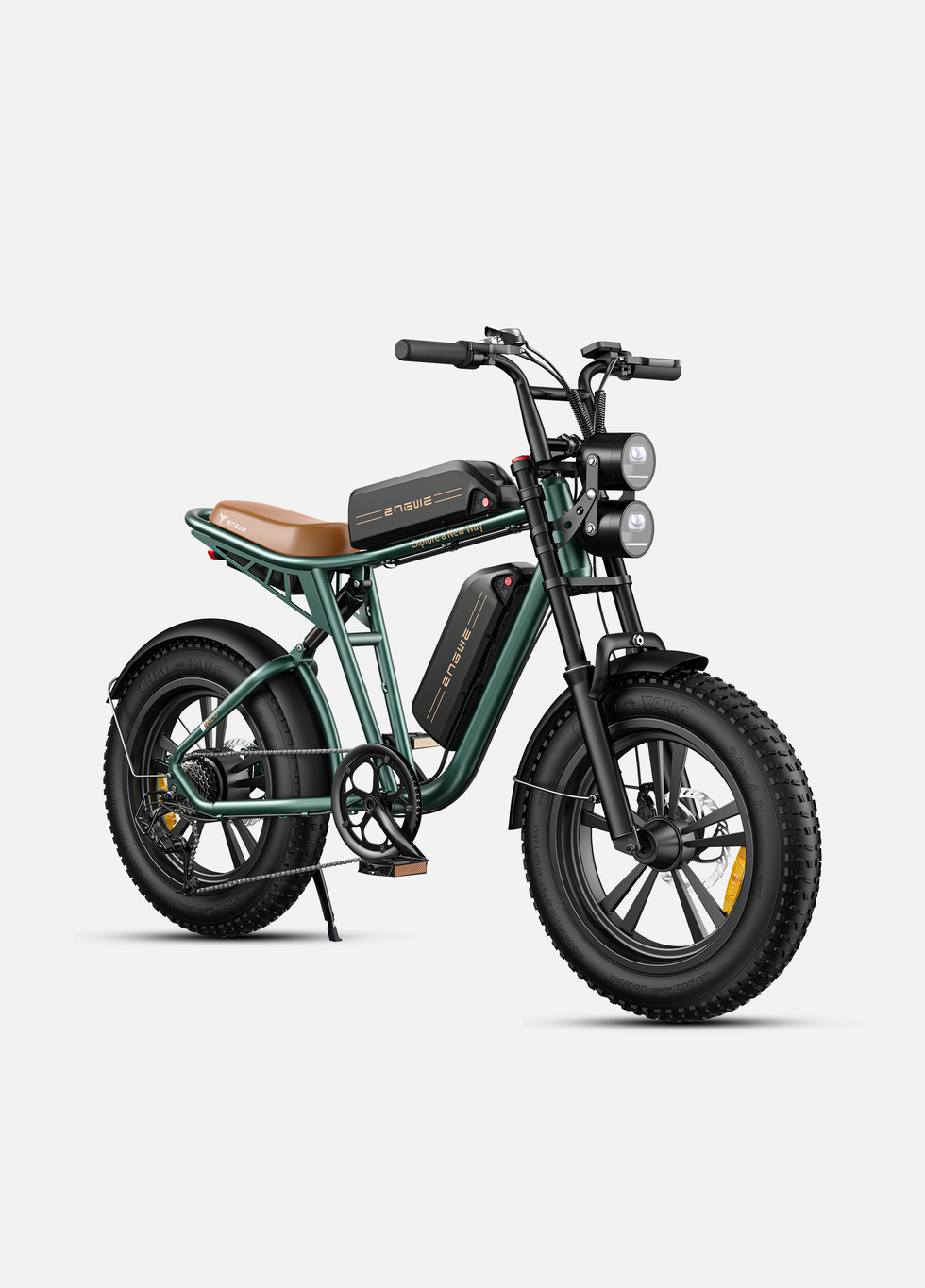
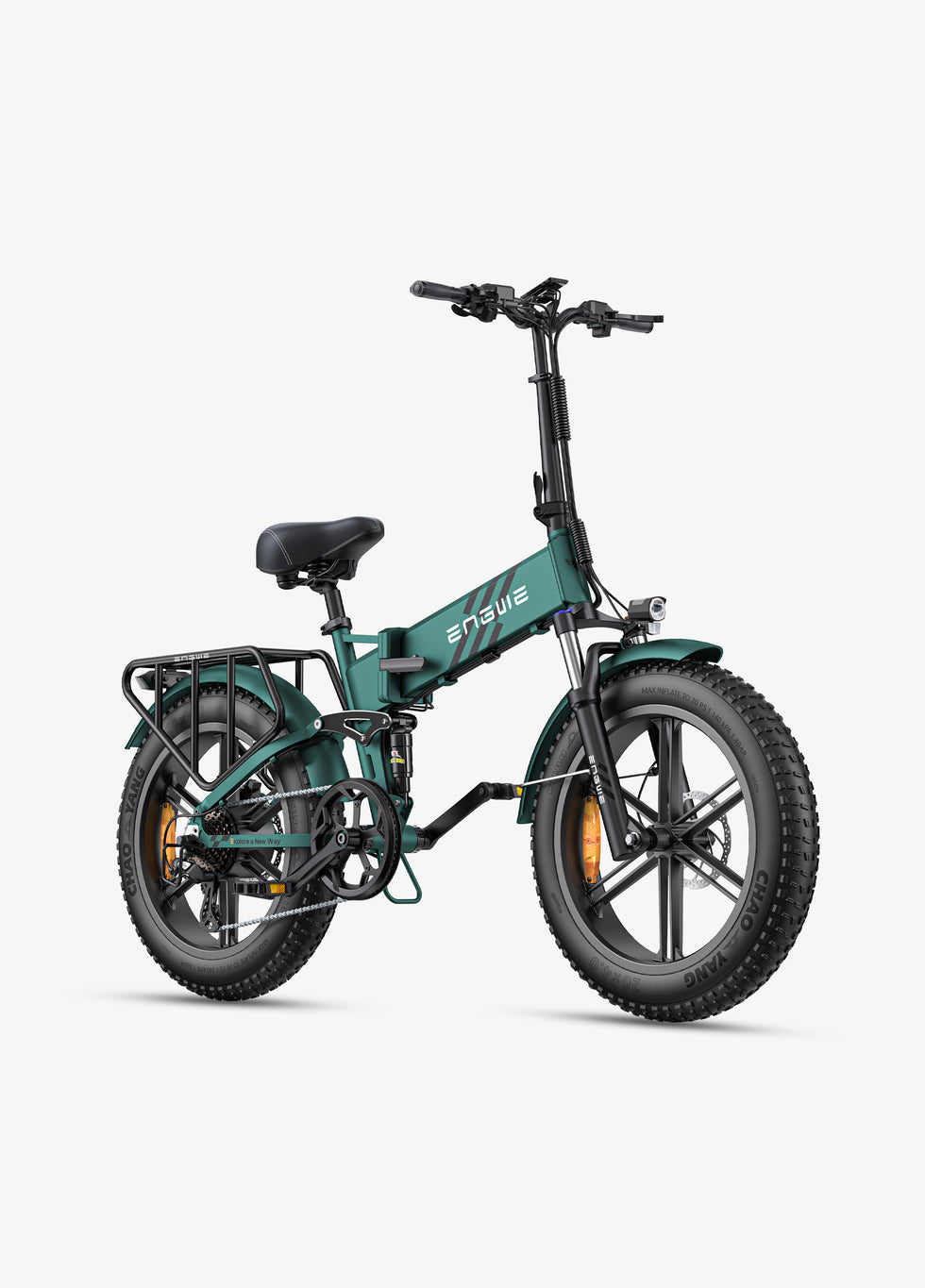
As much as we love the nostalgic appeal of an old coaster brake, our best overall pick encourages riders to embrace comfort and features with one foot in the 21st century: The ENGWE Engine Pro 2.0. This bike changes what you know about comfortable and convenient riding, because we took the problem (discomfort over uneven ground) and erased it with technology that you won’t even notice. Maybe it’s not a coaster brake bike, but you’ll appreciate the level of safety and control in addition to great looking sets that provides an ultra-smooth ride way above average.
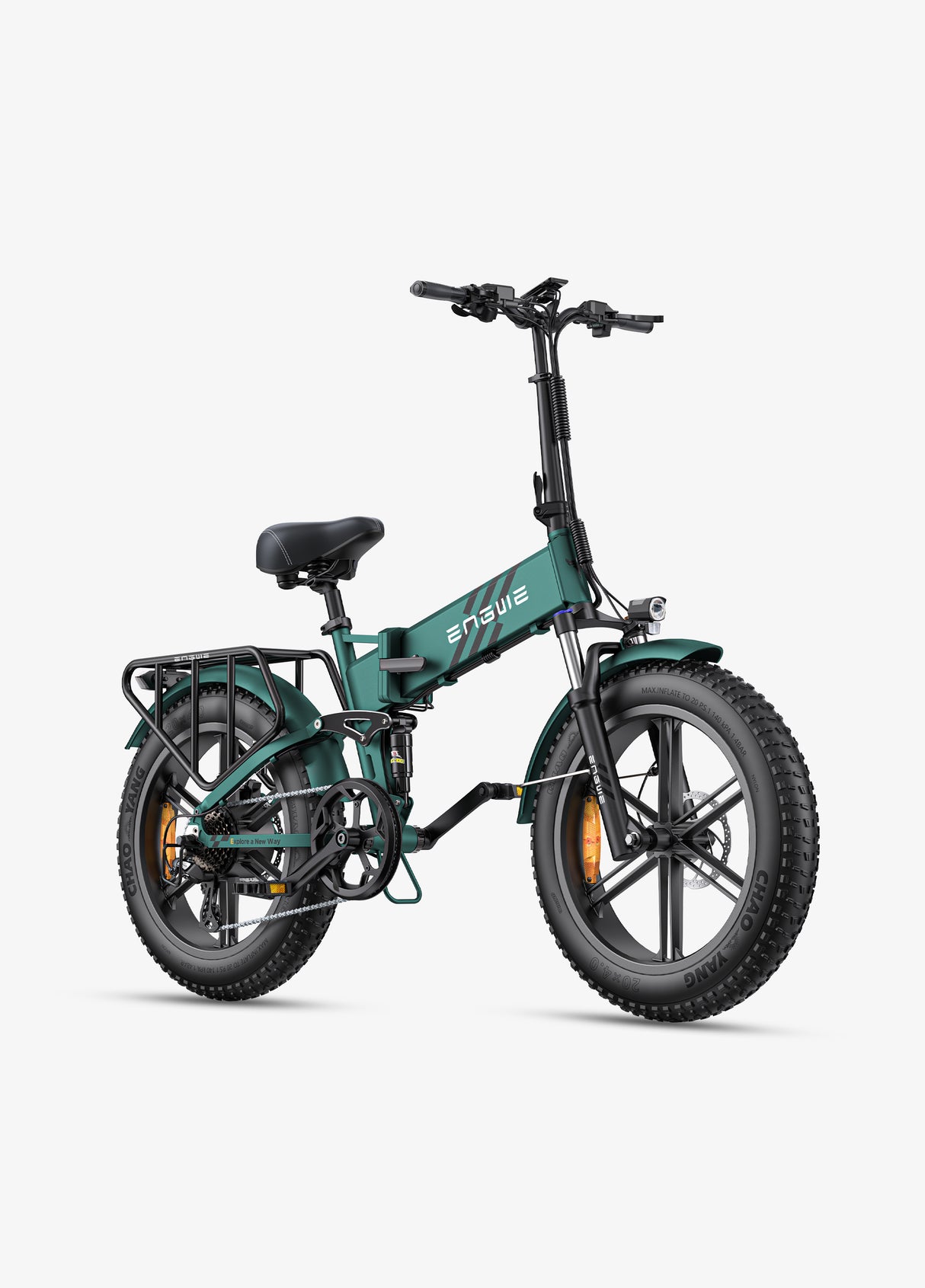
The Engine Pro 2.0 is constructed as a rugged wilderness sidekick, demonstrating that ultimate comfort stems from ultimate performance.

Why the Engine Pro 2.0 is Best in Comfort:
- Attached Suspension System: There is no better way to go than the full suspension urban bike. Front and rear dual suspension system absorbs up to 87% of bumps in the street, offering a cushion for jarring, a relief for pain and fatigue from poor road conditions; a middle-high-end folding frame gives easy maintenance with hydraulic adjustment that a traditional frame doesn't.
- Superior Braking Force: Comes with 160mm hydraulic disc brakes for super stopping power. These deliver simply huge but very easily modulated stopping power with just a subtle squeeze of the levers, and can produce supreme confidence and control in virtually any situation – something that could save your life as well as be lots more fun.
- Instant, Real Power: No delay start from the best in class torque sensor. It’s just very smart the way it pairs to your pedaling effort so that assistance comes on like an extension of your power.
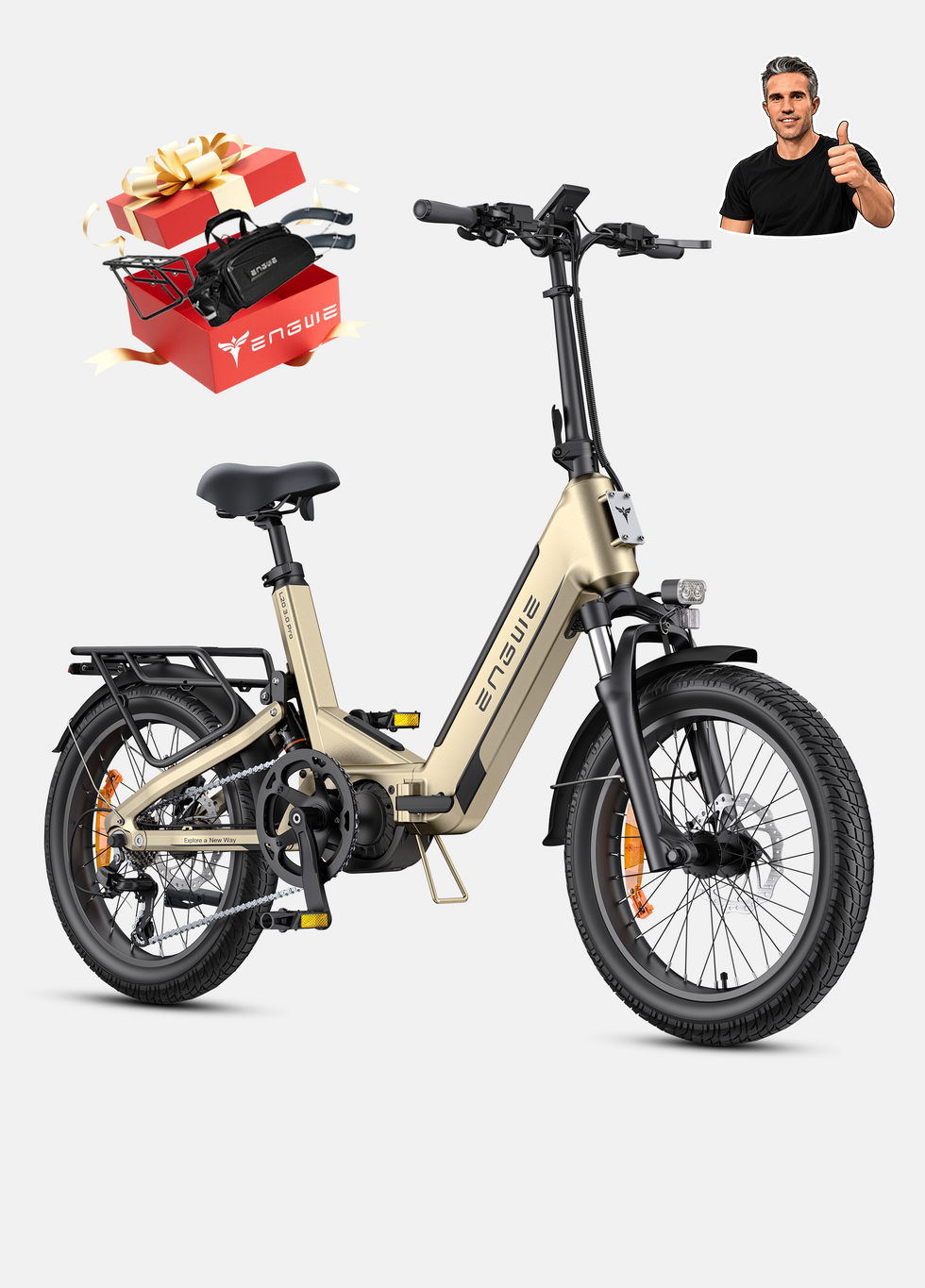
- All-Terrain Ability: The following advantages of 20" x 4.0" fat tire can take you around the rough terrain that will regularly drive a mountain bike but are not sturdy enough for rugged mountain trails. Paired with the strong 75Nm motor and a range of up to 110km, it’s an adventure seeker. The 10-second folding construction adds yet another level of great convenience for easy traveling and storing.

Classic Simplicity: 4 More Coaster Brake E-Bikes
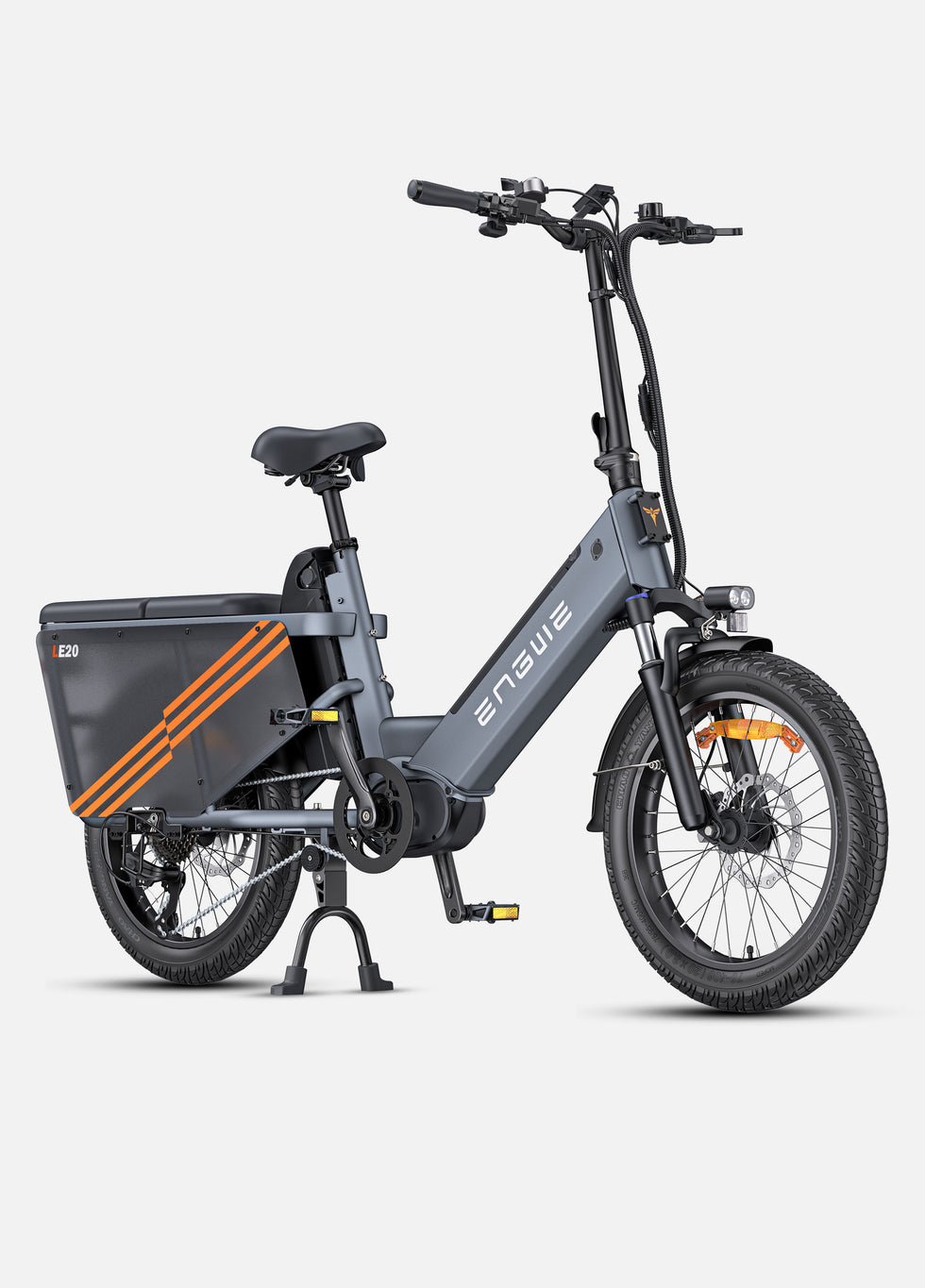
To round out our gang of five, these are four other archetypes of low-step 26-inch e-bikes that adhere to the classic coaster brake model — a good option for folks who simply want dialed in simplicity and easy-riding familiarity. Most of these bicycles are intended for casual riding on biking paths, promenades and flat city streets. While reliable in and of themselves, the real magic comes from their simplicity to operate with no fussing around and that timeless cruiser feel. With options like battery integration, accessory mounts and the quality of included pieces (racks, fenders), you’ll want to closely watch features as you compare these models.
- The Urban Cruiser Classic: Minimal and sophisticated in its design; it’s all about city cycling.
- The Boardwalk Voyager: Tends to have more colorful paintjobs and wider, more upright handlebars.
- The Heritage Commuter: A practical version (typically with a stout rear rack and full fenders standard).
- The Comfort Step-Thru: Highlighting the ultra-low standover height and all extra-plush components for maximum ease of use.
| Model Type | Major Application | Motor Style | Highlighting Feature |
|---|---|---|---|
| The Urban Cruiser Classic | Casual city trips, errands | 250W Rear Hub | Minimalist style, easy controls. |
| The Boardwalk Voyager | Comfortable coastal/park cruising | 350W Rear Hub | Upright riding, fashionable look |
| The Heritage Commuter | Daily commutes and grocery runs | 350W Rear Hub | Includes rack and fenders |
| The Comfort Step Thru | Mobility and Ease of Access | 250W Rear Hub | Ultra Low Step Through Frame |
Frequently Asked Questions:
- Is it safe to have coaster brakes with an e-bike? For slow cruising on flat pavement, they will do the job. But when going faster, carrying a heavier load, or otherwise riding in hilly areas, the exceptional modulation and power of hydraulic disc brakes offers a huge safety advantage.
- How much of a difference does it make if there is a torque sensor versus cadence sensor? A torque sensor controls power and enables output based on the rider's force, giving a smooth, game-changing performance. A cadence sensor just senses whether you’re pedaling and delivers a predictable level of power, which can feel jerky at times. Remote torque sensors are however expensive.
- What kind of real-world range can I expect? Advertised maximum range is estimated based on ideal conditions (lowest assist level, flat road) and is not the guaranteed maximum range. In real-world riding with mixed terrain and assist levels, expect around 60-70% of that max range.
Pick the perfect e-bike for a whole new world of comfortable, fun-filled exploration.