
You might start to think about the kind of indoor activities that may envelop you this winter, but don’t forget your warm-weather adventure buddy: your electric bike. Its lithium-ion battery is the one most costly part to safeguard during its downtime. Inadequate storage can result in loss of capacity or total failure of the battery. By taking a few simple precautions, you can protect your investment and be ready to roll the moment spring temperatures arrive. Here are five things that will help keep your battery running as long as possible.
1. Keep Hibernation Charge and Keep it Right
Batteries for e-bikes are not just a “set it and forget it” kind of thing. The State of Charge (SoC) at which the battery is placed in storage is by far the most important consideration when factoring in the long-term health of a battery. Keeping it charged all the way, or letting it discharge all the way, isn't good for the battery cells and can cause them to break down faster. The target is to maintain it in a state of low stress and stability. To accomplish this, you’ll need to properly maintain it.
-
Find the "Goldilocks Zone"
Before putting your battery in the cupboard, make sure you have charged or discharged it to somewhere between 40% and 70% of its full charge. Most manufacturers concur this is the sweet spot. This level will not accelerate capacity deficiency, and it maintains the internal protection circuits' operational status without causing stress on the cells.
-
Avoid Full Discharge
Keeping batteries at 0% is the most harmful. Once a battery is in deep discharge, it may lose its ability to be recharged. This is so-called "bricking" the battery, and it's a very unpleasant mistake to make as it can be costly to repair, if a full replacement is not required.
-
Schedule Regular Check-ups
Lithium-ion cells self-discharge over time at a rate of 1-5% per month. Add a recurring calendar reminder to check the level of your battery every four to six weeks.
-
Top Up Briefly
If the charge has dropped below 40% during your check, plug it into its charger briefly—like 30 to 60 minutes—to push it back into the sweet spot between 40-70%. Once back in the zone, disconnect it immediately.
2. Choose a Secure and Stable Storage Location
Where you leave your battery is as crucial as the charge level. Batteries are susceptible to their surrounding environment, particularly temperature and humidity. It’s probably one of the worst things you can do to an e-bike battery, but it happens often. You will need to take the battery off the bike and bring it inside to a controlled environment. This helps avoid physical harm from the cold, as well as moisture and corrosion.
| Parameter | Preferred Winter Storage Condition | Why It Matters |
|---|---|---|
| State of Charge (SoC) | 40% - 70% | Prevents cell stress and aging. |
| Temperature | 10°C ~ 20°C (50°F ~ 68°F) | Prevents capacity degradation and promotes longer run time. |
| Location | Indoor, Dry, Climate-Controlled | Avoids Moisture, Corrosion, and Freezing. |
-
Keep at Room Temperature
The best range to keep your valuable e-bike battery is at room temperature; however, a storage temperature of around 10°C to 20°C (50°F to 68°F) is recommended for long-term storage. A climate-controlled area of your home, such as a closet, pantry, or insulated basement, is ideal.
-
Limit Extreme Temperatures
Your battery life can be negatively impacted by excessive heat or cold – so avoid storing it in places like saunas or outside in an igloo. Equally, do not subject it to extreme cold, which will cause irreparable damage to the battery cells.
-
Ensure It’s Dry
Electronics don’t like moisture. Aside from that, the battery contact points can get corroded when exposed to moisture. If the storage area is humid, use a dehumidifier.
-
Ensure Physical Safety
Place the battery on a stable surface where it cannot be knocked over. Just be sure not to have any flammable materials nearby for safety reasons.

3. Begin with a Well-Built E-Bike
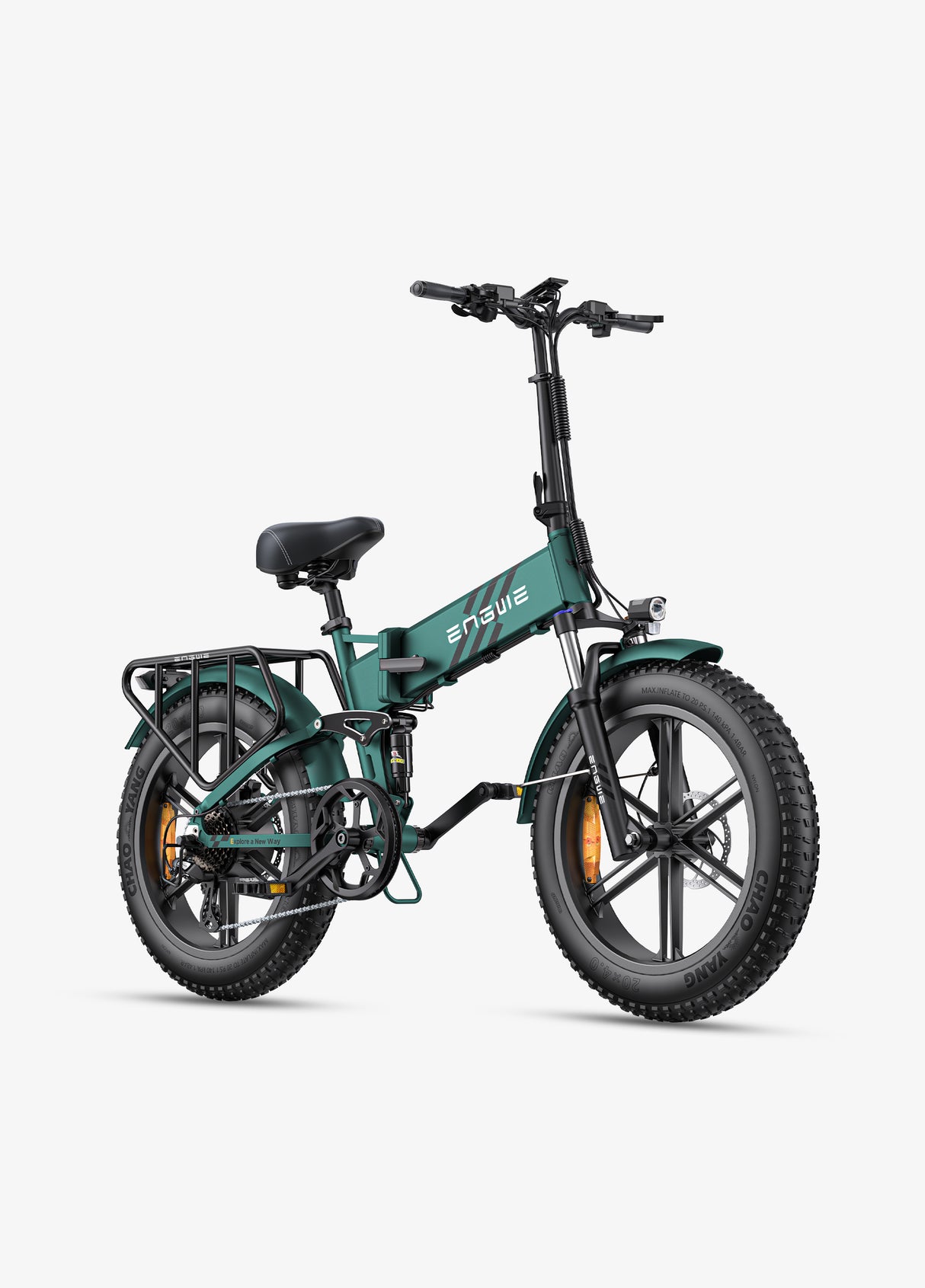
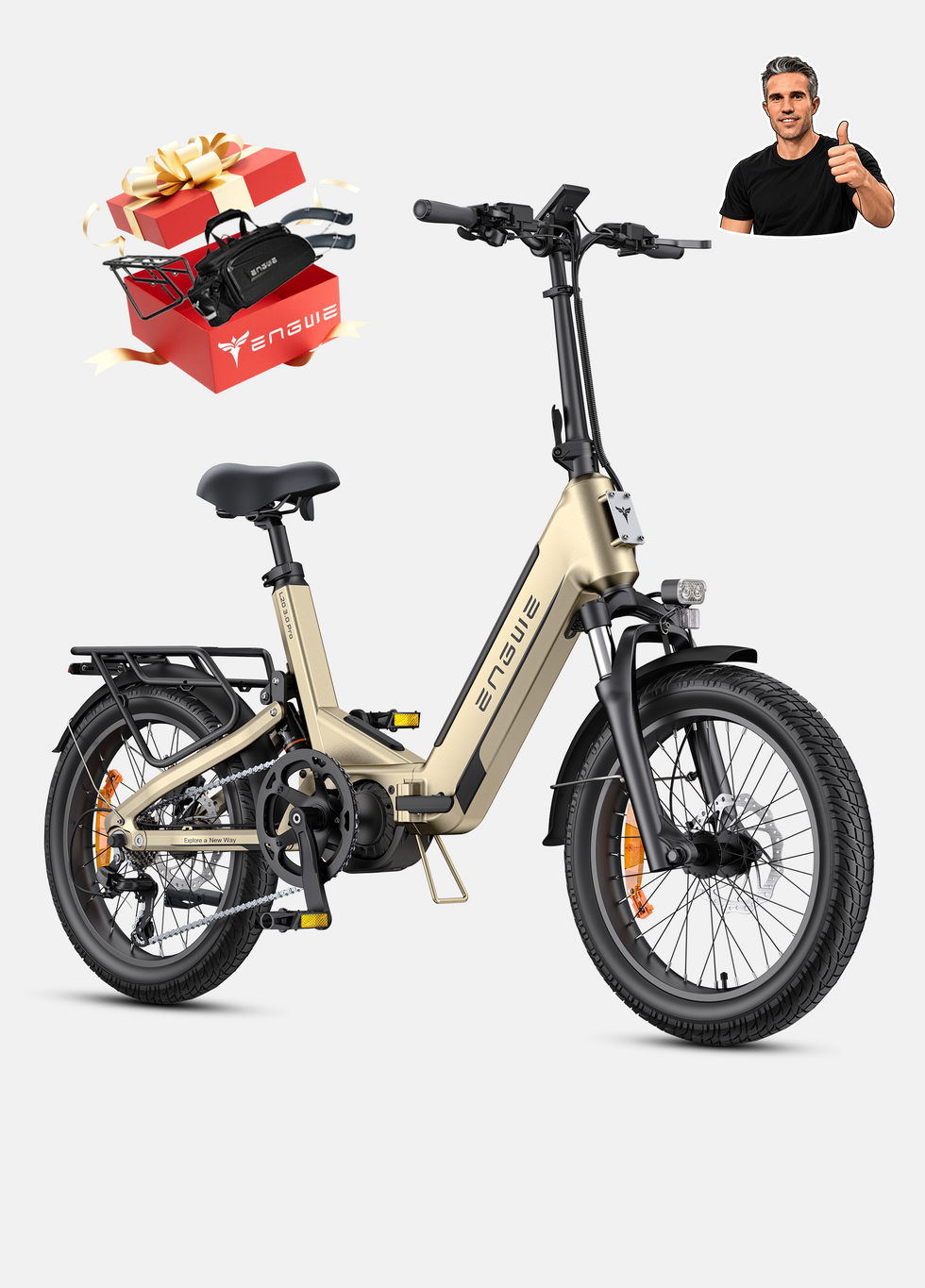
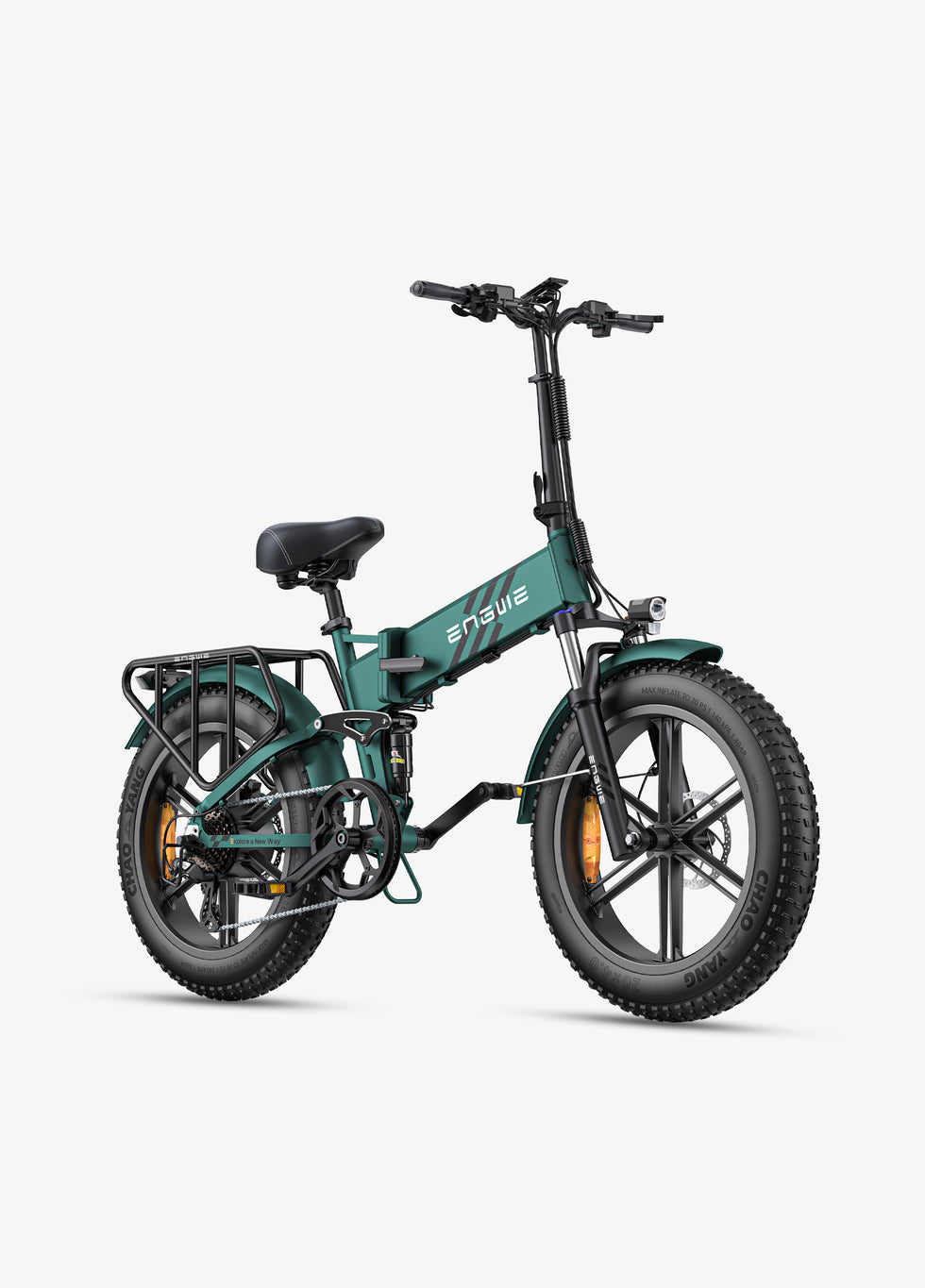
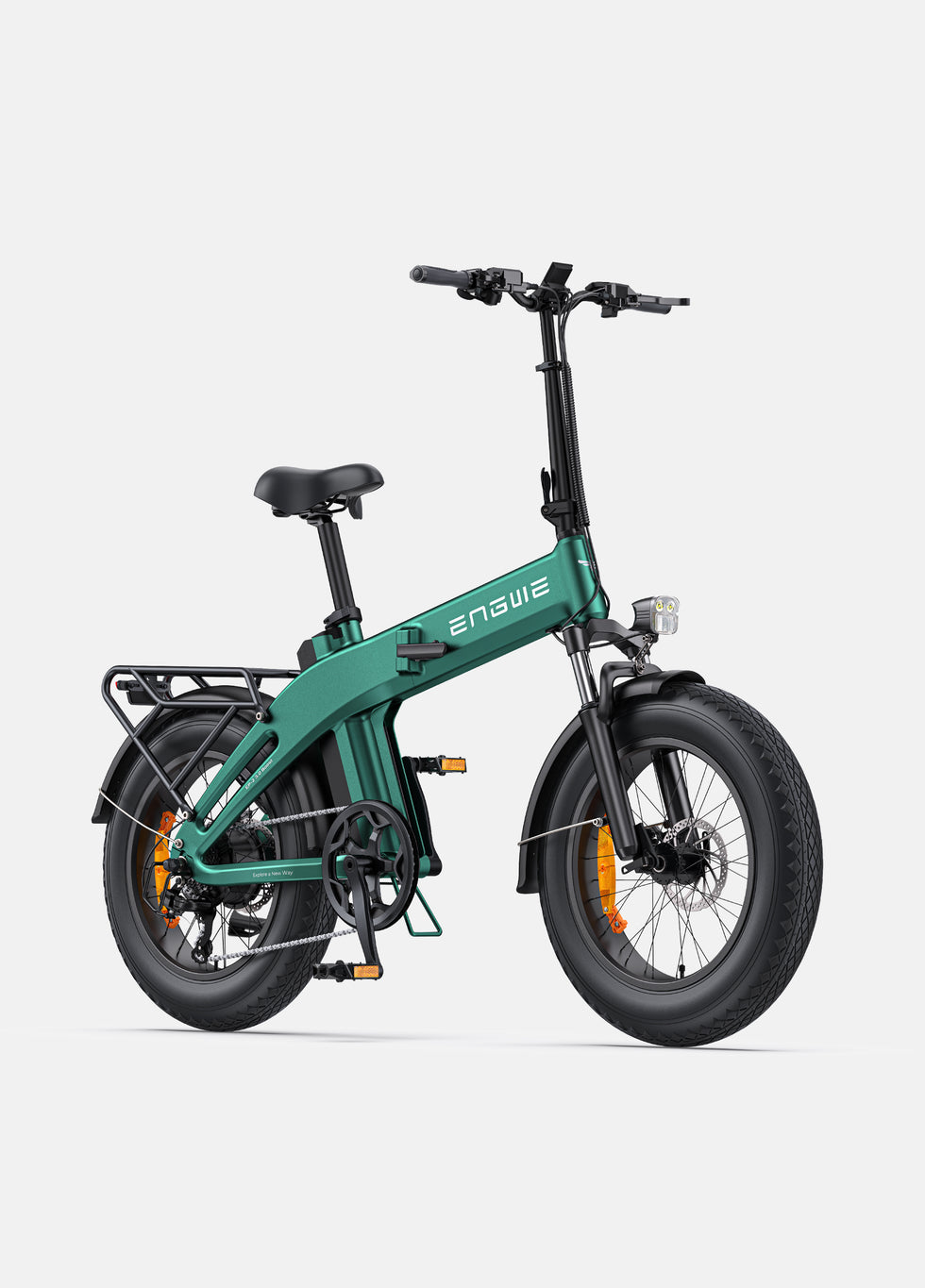
An e-bike is only as good as the bike it's on. A well-made bike from an established manufacturer like ENGWE uses better-quality parts (especially the battery and electrics) that are naturally better at withstanding suboptimal seasonal storage practices. Investing in a better bike for winter, like the ENGWE Engine Pro 2.0, is a huge step up from a more basic model. Make sure dirt and salt don't get where they shouldn't. If rust is an issue that worries you (and it should), the cost of these extra steps is many times cheaper than struggling through a winter commute on an unreliable bike. Start with something designed for longevity. You can save money in the long run compared to trying to fix up a lower-quality bike.

-
Advanced Battery
A Panasonic 16Ah (768Wh) high-capacity Lithium-Ion battery that allows up to a 110 km top range. Batteries of this class are made with better cells and a more sophisticated BMS, providing superior protection against degradation during storage cycles.
-
Suited for the Harshest Environments
Built tough, this bicycle has protection at its core and features a rugged and durable design that enables riders to push themselves to the limit in testing environments. A sturdy frame and full suspension, along with a robust electronic housing, provide both an undeniably solid feel to the e-bike when underway and all the protection you need for both your bike and electronics.
-
Efficient, Reliable System
A powerful 75 Nm high-torque motor with a premium torque sensor gets riders to speed quickly and smoothly. The same level of engineering in the powertrain is indicative of the excellent quality of the overall electrical system you are protecting from winter's bite.
-
Easy Portability
An essential part is the 10-second folding feature, allowing for easy carrying and storing of the bike frame. Most valuable of all, the battery is easily removable without tools, simplifying indoor storage. Picking a well-designed e-bike from ENGWE sets you up for years of great adventures!
4. Add Protective Accessories
To add an extra layer of protection and peace of mind for your hibernating battery, there are a couple of low-cost accessories that can deliver some great benefits. These accessories can help automate upkeep, safeguard the battery from physical damage, and ensure it's in top condition when you’re ready to ride.
-
Fire-Resistant Battery Bag
Keep your battery in a fire-resistant bag, like those sold as "LiPo safe bags," for maximum safety. Brands like LipoGuard and HOBBYMATE offer bags constructed of fire-retardant material which can help contain a fire in the unlikely event of a thermal runaway. They also protect against dust and some impact as well.
-
Smart Plug or Outlet Timer
To ensure your periodic top-ups are foolproof, consider investing in a smart plug or an old-school mechanical outlet timer. This enables the charger to be scheduled to operate for a specified amount of time (say, one hour) and then switch off afterwards. It prevents accidentally leaving it on and overcharging the battery. Popular brands like Kasa Smart and Wyze offer app-controlled options.
-
Electrical Contact Cleaner
Ensure the battery terminals are neat and clean before long-term storage. A liberal spray of an electrical contact cleaner, like WD-40 Specialist Contact Cleaner, will lift grime, oil, and minor oxidation from the connection. This ensures a perfect electrical connection in the spring.
-
A Simple Label
It’s simple, but a strip of masking tape on the battery with the date you last checked the charge is invaluable. This kind of visual can remind you when you last checked, preventing you from forgetting.

5. Perform Pre- and Post-Storage Inspections
Taking care of your battery isn't a one-time event; it happens before you store it and right before you ride again in spring. A good inspection and cleaning regimen before and after the storage period ensures that you’re not sealing in damaging grime and ensures the battery is safe to use when the time comes. This last step is important to detect any anomalies before they become major problems.
-
Clean up your entire e-bike before storage
Prior to taking out the battery, clean off your entire e-bike, paying special attention to the battery case and the connection port on the bike frame. Wipe off mud, road salt, or any other debris with a damp cloth. Important: Never use a pressure washer, as it can drive water past the seals and into delicate electronic parts.
-
Examine the Battery Casing
After cleaning, inspect the outside of the battery for any damage or wear. Check for any cracks, deep scratches, or swelling. If the case is damaged in a way that could compromise the safety of the internal cells, have it assessed by a professional before storage or reuse.
-
Look for Corrosion on the Contacts
Take a close look at the metal contacts on both your battery and the bike frame. They should be clean and shiny. If you see any greenish or white residue (surface corrosion), wipe it away gently with contact cleaner and a very soft brush.
-
Do a "Wake-Up" Check
When spring comes, give your battery a recommissioning check. Step 1: Fully charge your battery to 100%. Install it in the bike and power it on. Make sure the display is functioning properly, and cycle through all its functions, including the different pedal assist levels and the lights, on your first ride.
Frequently Asked Questions
Q1: Can I leave my battery on its charger all winter?
A: Absolutely not. This will greatly reduce the battery's health and lifespan by keeping it at a high-stress, 100% charge. Instead, charge it briefly as needed to maintain the ideal 40-70% storage level.
Q2: Is a cold garage OK if it doesn’t actually freeze?
A: It is not ideal. A battery can lose some of its permanent capacity even at consistently cold temperatures above freezing. Storing it in a cool, but not freezing, environment within the recommended temperature range is best for its longevity.
Q3: I didn't charge my battery all winter, and now it won’t turn on. What should I do?
A: If the battery has completely discharged, it may have entered a 'deep sleep' mode or be permanently damaged. Try charging it for 8 to 12 hours. If it still doesn't respond, contact your e-bike dealer or manufacturer for technical support.
With proper care, your e-bike battery will be ready for adventure as soon as the snow melts.