
Turning your electric bike into a powerful utility truck begins with one key component: the bicycle trailer hitch. Whether you are carrying groceries, a week's worth of gear for a weekend adventure, or kids to the park—choosing the right hitch makes all the difference when it comes to safety and performance. In this guide, we will compare 10 of the best electric bike trailer hitches to give you a clear insight into what the most important factors are to help you buy better and more confidently.
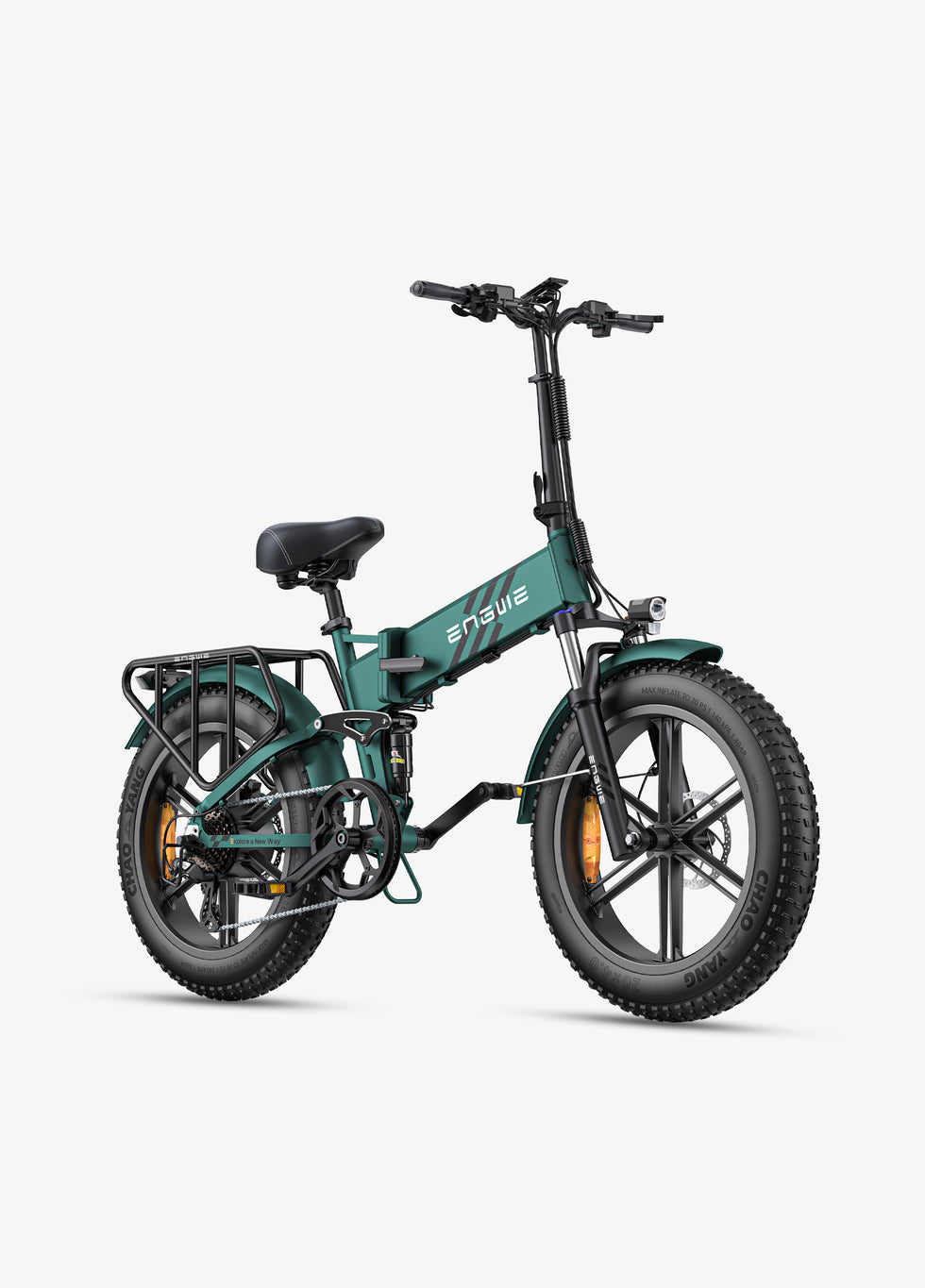
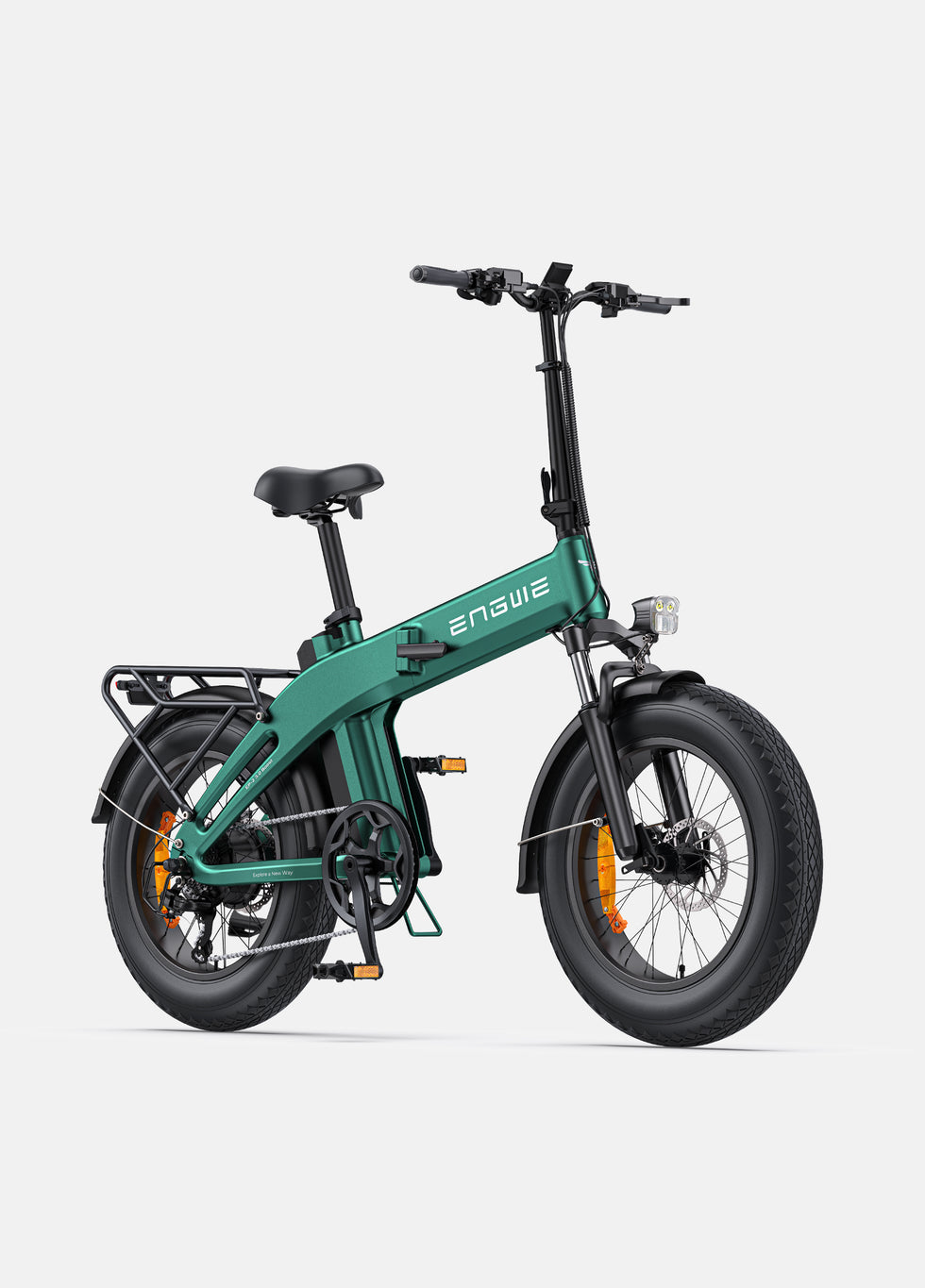
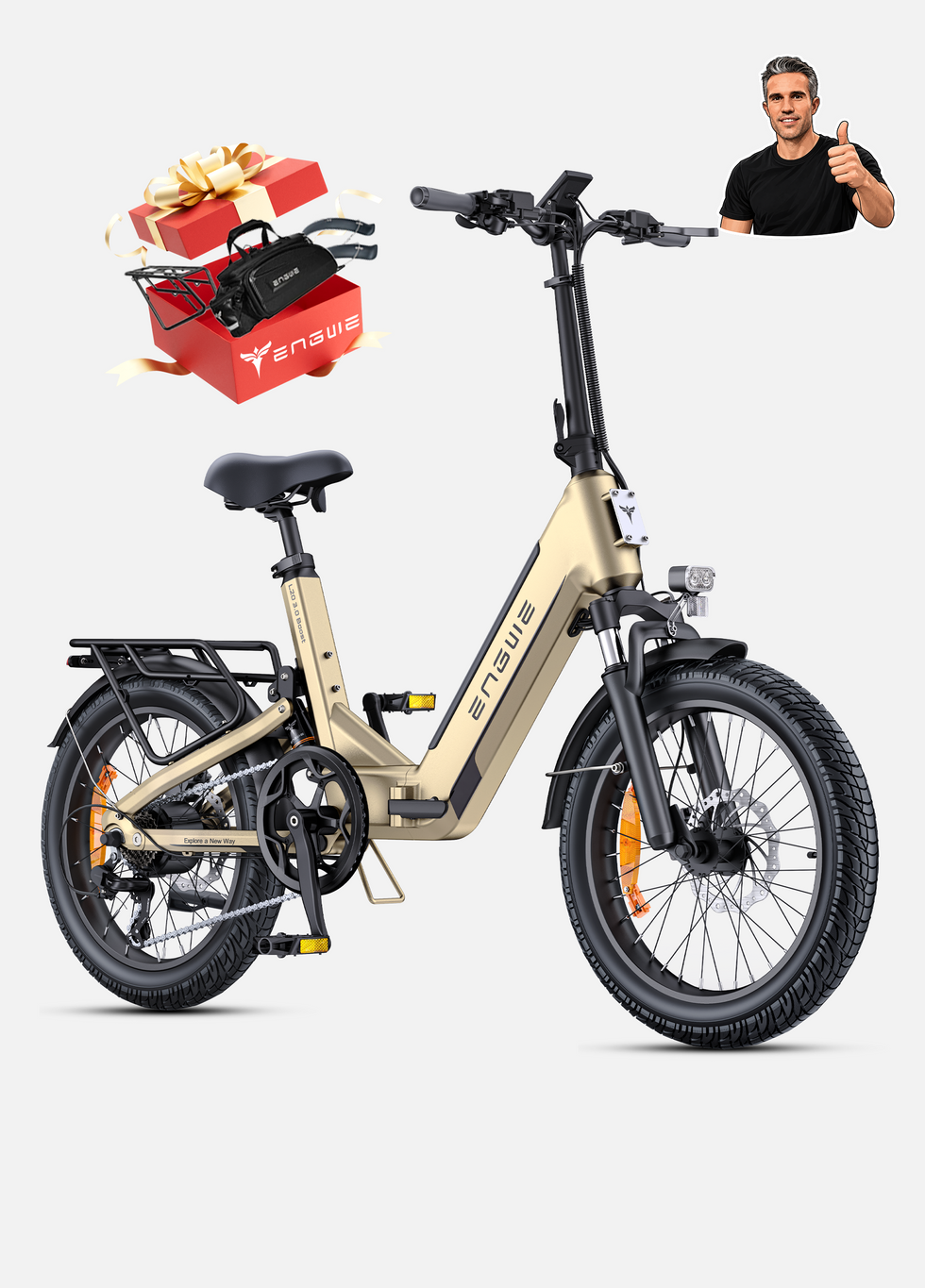
Prior to investing in a hitch, however, make certain your electric bike itself is strong enough for towing. The best e-bike for towing should have the strength to allow pulling heavy loads, good power range, great battery performance and exceptional braking. This is where the **ENGWE M20** really shines; it's essentially your "Go-To" for all hauling events.
The Ideal E-Bike for Towing: ENGWE M20

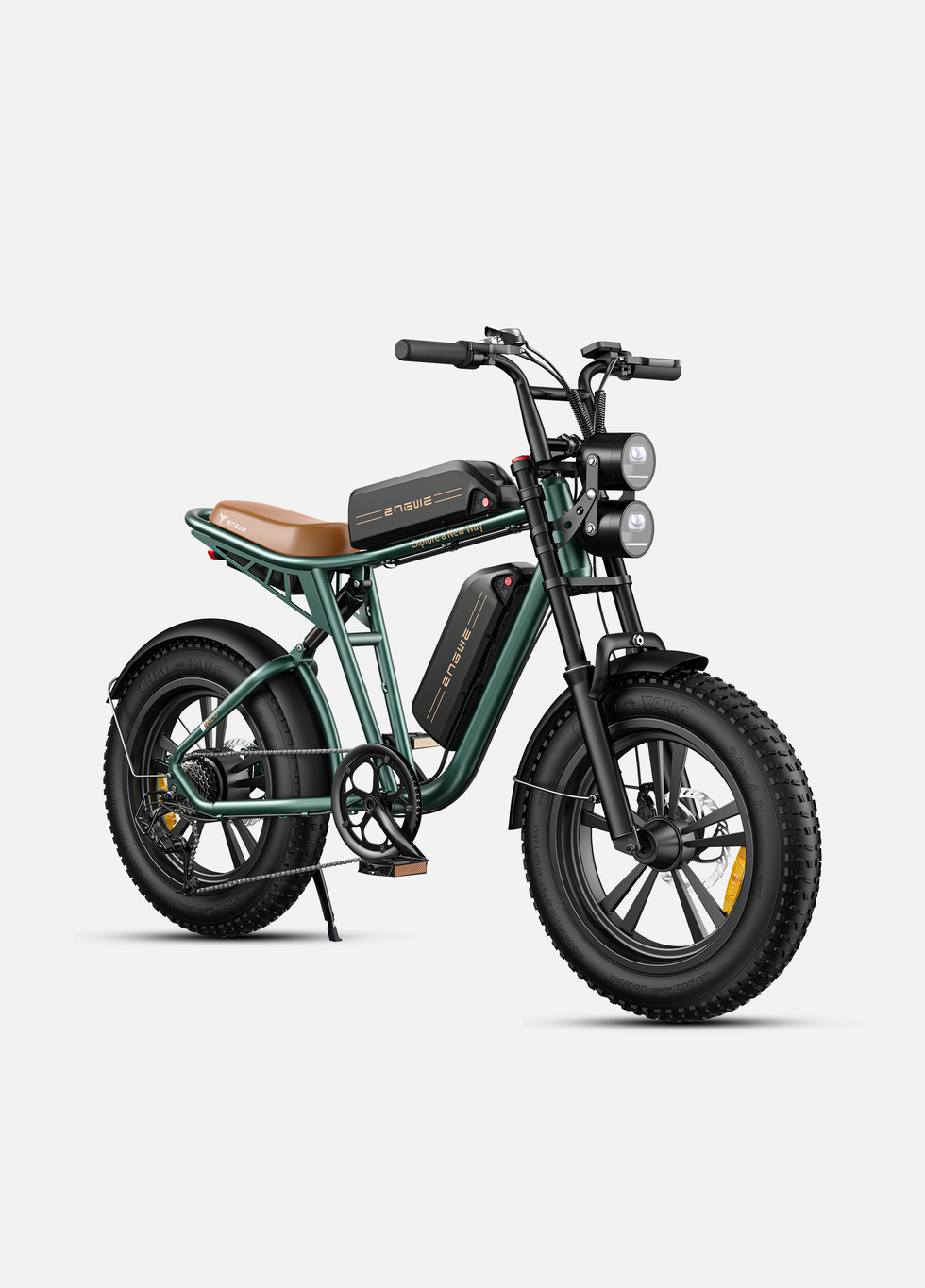
Its motorbike-inspired design boasts an aluminum alloy frame that is durable yet lightweight and complemented by a full dual suspension system including a front hydraulic shock and rear air shock absorber. Together, these elements create a comfortable and stable ride—especially when towing the extra load of a trailer. I’m never left wanting for power with the high-performance brushless motor delivering 55 N.m of torque, easily pulling loads up inclines. In addition, with the optional dual battery system the M20 can provide a surprising maximum of 75 + 75 km long-range cruising and no more worries about where to refuel when towing.

Highlights
The following are the highlights of the ENGWE M20 when it comes to towing:
- Powerful Brake System: The front and rear wheels adopt 160mm disc brakes, providing strong braking power so that it can bring the trailer to a standstill quickly and effectively.
- Unmatched Reliability: The 20x4.0 triple-layered fat tires provide a massive contact patch with the ground to enhance stability and, you guessed it, traction!
- Long-lasting Drivetrain: With a Shimano 7-Speed Gear option to choose from, you can easily have the perfect cadence with efficient power output for propelling your charged two-wheeled stealth machine starting with heavy loads.
- Large Weight Capacity: Its max load-bearing is 120 kg (264 lbs), enough for you to ride with great pleasure and protect your safety.
By beginning with a quality base model such as the ENGWE M20, you can guarantee that your rides and pulls will be both safe, dependable, and fun from start to finish.
Getting A Hitch
The first thing to know is the basic mounting systems and how they'll work with an e-bike's special frame and parts. Unlike normal bicycles, E-bikes usually have hub motors and sensitive wiring close to the rear axle in addition to bigger-than-average frame tubes, so fit is a primary consideration. Of all the different types of hitches, three primary ones have their pros and cons and you need to consider them before making a purchase. Making an informed decision here eliminates installation frustrations and delivers a secure connection.
Here are the major types of hitches you should consider:
-
Axle-Mounted Hitches:
The most popular method, especially for two-wheeled child and cargo trailers.
Pros: Generates the lowest center of gravity to ensure the utmost stability; connects directly to the strongest part of the wheel assembly (the axles); often included with new trailers.
Cons: May interfere with some e-bike hub motors or require unorthodox adapters for use on thru-axles. Installation involves taking off your rear axle nut or skewer. -
Seatpost-Mounted Hitches:
These attach to your electric bike at the seatpost.
Pros: Very easy to install and remove, high clearance from rear racks and hub motors, great for single-wheel trailers needing room to pivot.
Cons: Higher center of gravity; can impact your ability to handle the bike and the overall weight rating is lower—few are good for huge loads or child trailers. -
Frame-Mounted Hitches:
Less common, frame-mounted hitches are often proprietary and mount to the bike’s chainstays or another part of its structure.
Pros: Can deliver high torque/stability without putting excessive load on the wheel axle.
Cons: Very bike-specific, not widely available, and potentially not compatible with e-bikes with unusual frame designs or suspension pivots.
The hitch you require is determined by the weight of your cargo and how you intend to use it. A hitch that is intended for a 30-pound cargo is very different from one certified to carry children, for example. Ensure the maximum towing capacity of your electric bike (refer to the manufacturer’s guide), and the weight rating of the hitch, are cross-referenced against the maximum load capacity of the trailer. You must comply with the lowest of these three limitations at all times for safety.

Use-Cases and Hitch Recommendations
Some killer use-cases and hitch requirements:
-
To and From Work, Grocery Getting, and General Errand Carrying:
- A seatpost-mounted hitch and single-wheel trailer can be nimble and convenient for loads of less than 40 lbs.
- For heavier or oversized loads (40-100 lbs), get yourself a solid axle-mounted hitch and tow one of these two-wheel trailers.
-
Children and Pets:
- Safety is non-negotiable. Always use a professional or approved axle-mounted hitch.
- These hitches usually come with a master locking pin and an additional secondary safety strap that can wrap around your bike frame for extra stability.
- Do not use a seatpost-mounted hitch for child trailers.
-
Bicycle Touring and Bikepacking:
- Smaller single-wheel trailers are popular because of their size and maneuverability. They generally employ either a seatpost hitch or a quick-release system that permits the device to swivel.
- The hitch needs to let the trailer lean with the bike in turns, so axle-mounted units meant for two-wheel trailers are a no-go.
To make shopping for a trailer hitch and adapter that suits your specific e-bike setup and intended towing as easy as possible, we’ve rounded up ten top products. This choice will feature those that are commonly used industry-wide, solutions to problems seen in today's e-bikes, and go-tos for a variety of unique applications. Make sure to check compatibility with your e-bike frame regarding the type of axle and dropout design before you buy.
Top 10 Trailer Hitch Recommendations:
- Burley Steel Hitch: A strong and durable steel hitch that installs easily on most bikes.
- Thule ezHitch Axle Mount: A versatile hitch that fits a wide variety of rear bike axles and is easy to install.
- The Robert Axle Project Kid Trailer Thru-Axle: A perfect, burly 12mm thru-axle for mounting a trailer to your modern e-bike.
- Schwinn Universal Coupler: A widely compatible coupler for various bike and trailer models.
- Allen Sports Steel Coupler: An affordable and dependable axle-mounted hitch for bikes with quick-release or nutted axles.
- Topeak Journey Trailer and DryBag Hitch: A seatpost-mounted, quick-release unit made for the single-wheel Topeak Journey trailer.
- BOB Trailer QR Skewers: A proprietary quick-release skewer designed specifically for BOB single-wheel trailers.
- Croozer Axle Nut Hitch: A strong hitch for Croozer trailers, part of their safe and simple-to-use Click & Crooz system.
- Burley Coho Ballz Thru Axle: A thru-axle adapter for hitching Burley's rugged single-wheel bike trailer, the Coho XC.
- Weehoo iGo Hitch: A proprietary hitch for the Weehoo iGo tag-along style recumbent trailer for kids.
| Hitch Model | Mount Style | Ideal For | Key Feature |
|---|---|---|---|
| Burley Steel Hitch | Axle-Mounted | Child & Cargo Trailers | Durable steel construction, wide compatibility. |
| The Robert Axle Project Thru-Axle | Thru-Axle Adapter | Modern e-bikes with thru-axles | High-quality, precision-engineered fit. |
| Topeak Journey Trailer Hitch | Seatpost-Mounted | Single-Wheel Touring Trailers | Quick-release mechanism for easy use. |
| Schwinn Universal Coupler | Axle-Mounted | General Use Trailers | Broad compatibility across brands. |
Lastly, installing correctly and performing regular safety checks are just as critical as selecting the right device. A good quality hitch mounted improperly can also be a serious safety hazard. Plus, there are a few savvy shopping strategies you can employ for optimal value without sacrificing quality or safety. These real-world tips can help you save money and make every trip a safe one.
Installation, Safety, and Savvy Shopping
Keep these important suggestions in mind for installation, safety, and savvy shopping:
-
Best practices for installation:
- Always read the manufacturer’s directions all the way through before you start.
- For installation of an axle-mount hitch, be sure to seat it completely within the bottom dropout and away from the derailleur or disc brake caliper.
- Fasten the axle nut or quick-release skewer to the torque specifications by the bicycle manufacturer. If you pull too tight, or not tight enough, this can be dangerous.
- Make sure the nylon safety strap is always secured by wrapping it around the chainstay or some other secure part of the frame.
-
Things To Check Before You Ride:
- Hitch Pin Test: Ensure the securing pin at the trailer arm’s connection to the hitch is securely in place using either a clip or lock – it clicks!
- Wiggle Check: Grab the trailer arm and attempt to shake or wobble it up, down, or side-to-side. There shouldn't be any 'play' (movement) or slack at the hitch itself.
- Straps Check: Make sure your security strap is fastened tightly and that it's completely free from any cuts or frays.
-
Saving Money and Quality Tips:
- Buy Complete Kits: When purchasing a new trailer, they’ll pretty much always come with the hitch that fits them; this is also by far the most cost-effective option.
- Metal Construction is Best: When on the hunt for an axle-mount hitch, buy one that is made of forged steel or good quality aluminum instead of relying heavily on plastic parts. Your preferable choice should be a tough, sturdy, and reliable hitch designed for extended use.
- Adapter is Key: If your e-bike uses a thru-axle, biting the bullet and purchasing a quality adapter from brands such as Robert Axle Project will be cheaper than being stuck with just a few proprietary trailers.

Frequently Asked Questions
Can an electric bike fit any trailer hitch?
A: No, compatibility is the most important thing. Before you buy a hitch, you’ll need to confirm the axle type of your e-bike (solid nut, quick-release, or thru-axle), dropout spacing, and also check for any possible interference with a hub motor, kickstand, or disc brake assembly.
Which is better for an electric bike, a seatpost hitch or an axle hitch?
A: For stability and safety—particularly with heavy loads or kids—the axle-mounted hitch is much better. That low mounting point is designed to have a minimal impact on the handling of your e-bike. Moreover, seatpost hitches should only be utilized for lighter, one-wheel cargo trailers.
What’s the towing capacity for my e-bike?
A: You’ll always have to adhere to the lowest weight limit between three determiners: what your electric bike’s manufacturer (1) specifies, a trailer hitch’s rating (2), and the trailer’s own max capacity (3). Crossing any of these boundaries is dangerous.
The right hitch turns your electric bike into a super-handy utility machine.