

A good city e bike should match the route you actually ride, not the headline spec that looks best on a product page. For most European riders, the right choice comes down to three things: how far the bike needs to go on one charge, how easy it feels to move and store, and how comfortable it stays after repeated weekday use.
That is why range, weight, and comfort should be judged together. A lighter bike may be easier in a flat or at a station, but a larger battery may suit a longer commute. A more upright city electric bike may feel better over cobbles and broken tarmac, while a sportier setup may save a little weight but reduce comfort over time.
What the Route Demands From a City E Bike
Your route decides what matters most on a city e bike. Before comparing motor figures or battery sizes, look at the real demands of the journey: distance, stops, rough surfaces, storage, and what you carry.
Distance per charge
Commute distance sets the baseline. If your round trip is short and mostly flat, you do not need to chase the biggest battery on the market. Many city-focused models are designed for everyday urban riding rather than maximum range, and that is often the smarter fit.
In practical terms, a city electric bike with a moderate battery can work well for daily rides, errands, and short detours if the total distance stays comfortably within the bike’s real-world range. The key word is real-world. Claimed figures may look generous, but riders should leave buffer for cold weather, traffic, headwinds, and battery ageing.
A simple rule helps here: buy for your normal week, not your ideal test ride. If your daily route is close to the claimed maximum, that bike is too small for the job.
Start-stop traffic
Urban riding drains energy differently from open-road riding. Repeated stops at lights, junctions, crossings, and roundabouts create frequent acceleration, and that uses more power than steady cruising.
This is where a commuter e bike needs to feel predictable. Smooth assist delivery matters more than peak output for most city riders. A bike that surges too hard can feel tiring in traffic, while a bike with calm, consistent support is easier to control when filtering through narrow streets or restarting after every signal.
Stop-start riding also affects battery expectations. If your route includes constant interruptions, your actual range will usually fall below the best-case number.
Kerbs and cobbles
Surface quality changes the ride more than many buyers expect. Smooth cycle lanes are one thing. Kerbs, cobbles, patched asphalt, drainage covers, tram track edges, and broken pavement are another.
An urban electric bike that feels fine in a showroom can feel harsh on a real city route if tyre volume is too low, frame fit is off, or the front end transmits every shock into your hands and shoulders. This is why route texture should shape your buying decision. For rougher city streets, comfort and control are not luxury features. They affect confidence, braking, and fatigue.
If your normal route includes uneven surfaces, judge the bike on how calm it feels when the road stops being smooth.
Storage at both ends
Storage constraints can be as important as ride quality. A bike that fits your route but not your building will soon become inconvenient.
Think about both ends of the trip. Do you carry the bike up steps? Lift it into a hallway? Roll it through a narrow gate? Lock it outside in a crowded shared area? Bring it into an office corner or a train vestibule? A compact urban e bike may suit city living far better than a heavier model with more power than you need.
This is where weight, frame shape, and handlebar width start to matter in daily life. A bike does not need to be ultralight to work well in a city, but it does need to fit the way you actually store it.
Work bag and load
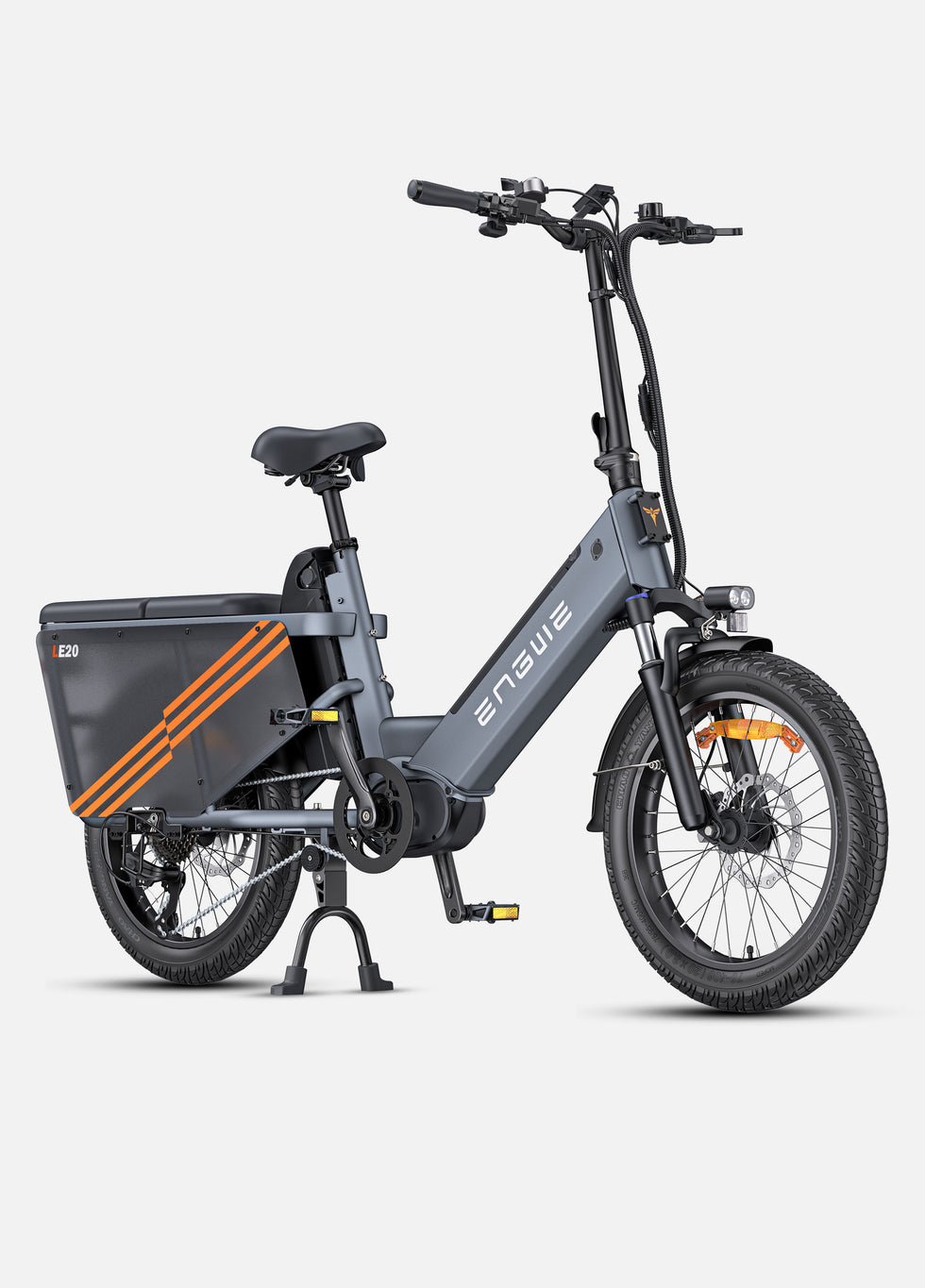
Loads change the feel of a city e bike immediately. A laptop, charger, lock, waterproof layer, groceries, or a child seat all affect handling and energy use.
Even basic commuter gear adds weight. That extra load reduces range, especially on hills, and it can make a light front end feel less stable if the frame or rack setup is not well matched to the task. Buyers who ride with a bag most days should think beyond the bare bike. Rack compatibility, stable steering, and braking confidence matter more than showroom minimalism.
If your workday always includes a bag or shopping stop, judge the bike as a transport tool, not just as a weekend ride.
How to Judge Range on a City E Bike
Range should be treated as a working estimate, not as a promise. The best way to judge a city e bike is to translate the advertised figure into the conditions you ride every week.
Claimed vs usable range
Published range numbers are usually measured under controlled conditions. Real commuting rarely matches those conditions. Riders face junctions, hills, wind, traffic changes, extra load, and variable assist use.
That is why usable range matters more than brochure range. For city-focused models, a moderate battery can still be enough if the route is efficient and the rider pedals consistently. But once hills, frequent stops, or heavy load appear, real distance falls.
A practical way to think about it is this: if a typical city-style e-bike is often described as covering about 30 to 50 miles in normal use, the safer everyday expectation is lower unless your conditions are easy. For European commuting, it is sensible to keep a reserve rather than plan to finish each ride close to empty.
Assist level effect
Assist level changes battery use quickly. Low to medium support usually gives the best balance for a city e bike, especially on flatter routes. Higher assistance feels great at first, but it can shorten range much faster than new buyers expect.
This matters most in traffic. If you accelerate hard at every green light and stay in a high assist mode all day, the battery will drain sooner. Riders who pedal through take-off and use stronger support only when needed usually get more consistent daily range.
The point is not to ride slowly at all costs. The point is to use power strategically. A commuter e bike should feel efficient, not just strong.
Terrain and wind
Hills and wind are two of the biggest range multipliers. Even a modest slope repeated throughout a route can change battery use noticeably. A strong headwind can do the same, especially on exposed streets or bridges.
For that reason, flat-distance estimates should never be copied directly onto a mixed urban route. An urban electric bike used in a windy coastal city or a hilly old town will not behave like the same bike on a calm, level test loop.
When comparing bikes, ask a simple question: does the battery size give enough margin for your hardest normal day, not just your easiest one?
Cold-weather loss
Cold weather reduces battery performance. Riders in winter conditions should expect range to fall compared with spring or summer use, especially when temperatures drop sharply.
This does not make a bike unsuitable for commuting. It just means winter planning needs more buffer. Short urban trips often remain manageable, but a route that already pushes the battery in mild weather may become inconvenient in colder months.
For a European buyer, this matters because year-round usability is part of value. A city electric bike should not only cover the route in ideal weather. It should still make sense when conditions turn colder, wetter, and slower.
Charging routine fit
Charging convenience is part of range. A bike with enough battery but a poor charging routine can still feel frustrating.
Look at your daily pattern. Can you charge easily at home? Is the battery removable? Do you need to carry it upstairs? Do you prefer topping up at work, or only overnight? A removable battery is especially useful for flat living, shared entrances, or indoor storage restrictions.
A good city e bike fits your charging habits without adding friction to the day. If charging becomes awkward, the bike becomes less practical no matter what the headline range says.
How Weight Changes a City E Bike in Real Use
Weight affects more than carrying. It changes how the bike feels before, during, and after the ride.
Stairs and lifts
Building access is one of the fastest reality checks. A bike can feel perfectly manageable on the road and still become a burden if you must lift it up steps every evening.
For riders in flats, converted buildings, or mixed train-and-bike commutes, lower weight is often worth paying for. That does not mean every buyer needs the lightest bike available. It means the bike should be realistic for the places you move it when you are not riding it.
A city e bike used in dense urban housing should be judged with the hallway and stairwell in mind, not only the street outside.
Lifting after locking
Locked bikes still need handling. You may need to turn the bike in a narrow rack, raise the front wheel over a curb, reposition it in a storage room, or lift it slightly to fit a stand.
That is where total system weight matters. A bike that feels only slightly heavier on paper can feel much more awkward when you are rotating it in tight space with a bag on your shoulder. This is one reason many urban riders value balance and compactness as much as absolute motor power.
Handling at low speed
Low-speed handling is a daily-use issue, especially in traffic, shared paths, and crowded junctions. Heavier bikes can feel planted and stable, but they may also feel slower to correct at walking pace.
A well-designed urban e bike should feel calm when starting, stopping, and weaving through ordinary city obstacles. If the bike feels cumbersome when nearly stationary, that can become tiring over repeated weekday use.
This is particularly important for newer riders. Confidence at low speed often matters more than top speed in city use.
Train and boot use
Intermodal travel changes the weight question. If your ride includes a train segment or occasional car transport, portability matters far more.
A folding or compact commuter e bike may suit this lifestyle better than a larger full-size model, even if the larger bike offers more comfort or longer range. The better choice depends on which friction matters more: road fatigue or transport hassle.
If a bike regularly needs to be lifted into a car boot or onto rail infrastructure, treat that as part of the buying test, not as a rare exception.
Weight versus battery
Battery size and bike weight usually move together. More battery often means more range, but also more mass. That creates the central trade-off for many buyers.
The smartest choice is not always the biggest battery. For shorter city routes, a lighter bike with enough range can deliver a better ownership experience than a heavier one with far more capacity than you use. For longer or hillier commutes, the opposite may be true.
A good city e bike balances these two variables around the route, the building, and the rider’s routine.

How Comfort Should Be Judged on an Urban Electric Bike
Comfort keeps people riding. If a bike causes strain, numb hands, or constant tension, it will feel less useful over time no matter how strong the motor looks on paper.
Riding posture first
Posture is the first comfort filter. A more upright riding position usually reduces strain on wrists, neck, and lower back, which is especially valuable for commuting, errands, and repeated short trips.
For many riders, an urban electric bike should feel neutral and easy rather than aggressive. That kind of setup often suits city visibility as well, because it supports better awareness in traffic.
Comfort is not only about softness. It is about how naturally the body sits on the bike.
Tyres before suspension
Tyres often influence comfort more than buyers expect. On city streets, adequate tyre volume and correct pressure can smooth rough surfaces before suspension even enters the conversation.
That matters because many urban routes are not severe enough to require complex suspension, but they are rough enough to punish narrow, overinflated tyres. For many daily riders, better tyres deliver a more useful comfort gain than chasing spec-sheet suspension language.
On a city electric bike, practical comfort often starts at the contact patch.
Step-through access
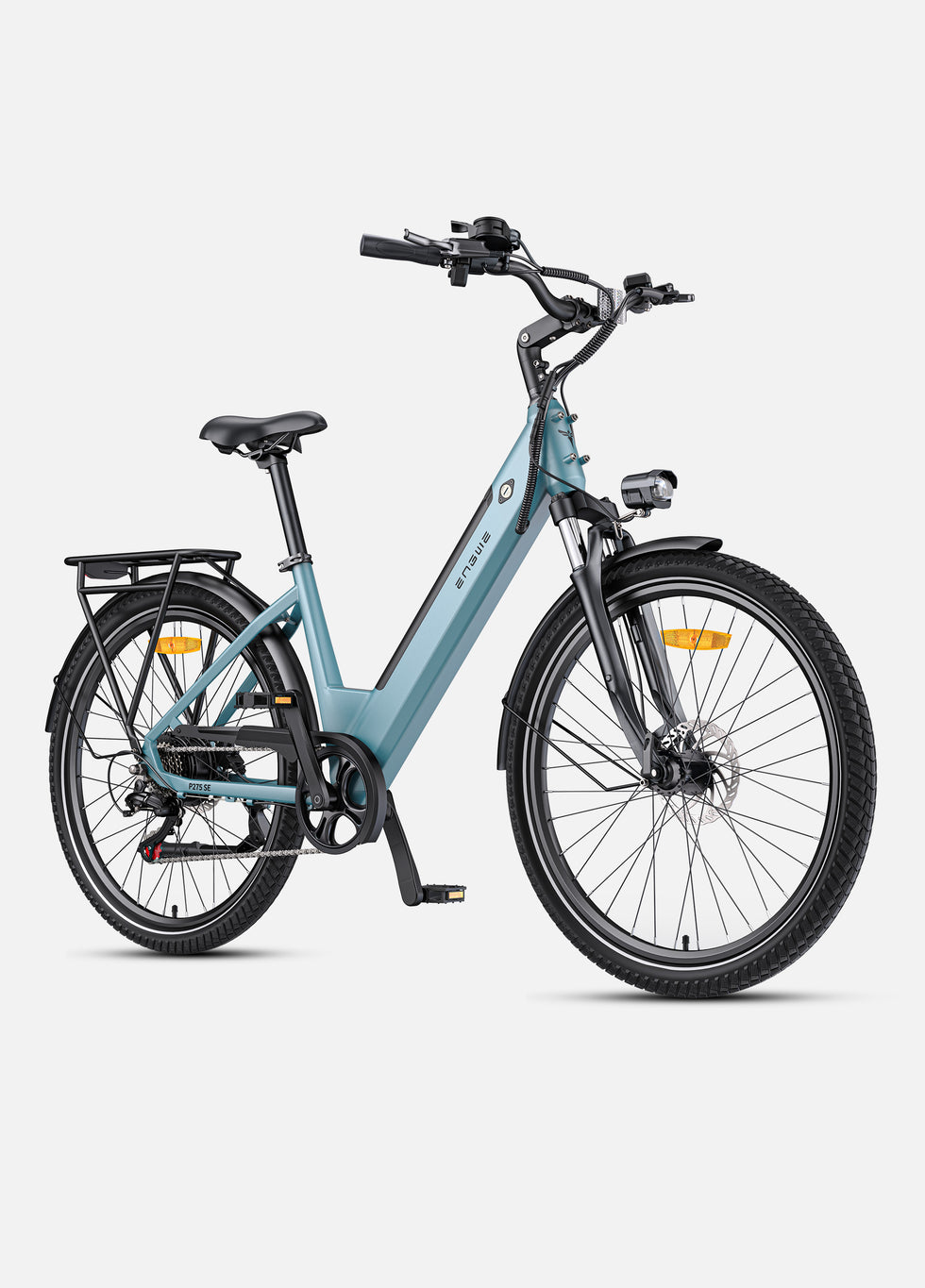
Easy mounting matters in urban use. A step-through frame is not only for one rider type. It helps anyone who wears work clothes, stops frequently, carries a bag, or values low-stress starts and stops.
This is particularly useful in traffic-heavy commuting and for riders who prefer easier access over a taller top tube. On a daily-use urban e bike, simple mounting can improve confidence and reduce awkward moments at lights or junctions.
Saddle and grips
Touch points shape the ride quickly. Saddle width, grip shape, and general support determine whether a bike feels fine for ten minutes or comfortable for repeated weekday use.
Poor grips can create hand fatigue. The wrong saddle can make even a short commute unpleasant. These details may look small beside motor and battery headlines, but they often decide whether a bike stays in regular use.
Frame fit matters
Fit is the final comfort layer. Even a well-equipped commuter e bike will not feel right if the frame size, reach, or bar relationship does not suit the rider.
This is why comfort cannot be judged from one feature alone. Frame geometry, posture, tyres, access, and contact points work together. The right fit reduces effort and increases confidence. The wrong fit turns every ride into compensation.
How E Bike Price Changes the Commuter E Bike Decision
A buying decision should not focus only on the sticker. E bike price changes what you get in battery size, weight, braking quality, frame finish, and long-term usability.
Entry budget trade-offs
At the lower end, buyers usually trade something away. That may be battery size, refinement, lower weight, better brakes, or higher-quality touch points.
This does not make entry-level bikes bad. It means buyers should decide which compromises they can live with. For a short, flat route, a simpler bike may be enough. For a longer or rougher commute, saving money upfront can lead to frustration later.
Mid-range sweet spot
For many European commuters, the mid-range category is where value becomes more convincing. This is often where buyers start to see a better mix of battery capacity, ride comfort, component quality, and daily practicality.
That is why a mid-range city e bike often feels like the safest choice for riders who want real weekday reliability without paying for premium extras they may never use.
Premium features that matter
Premium pricing only makes sense when the added features solve real problems. Lower weight, stronger braking, better integration, smoother assist tuning, or easier carrying can justify a higher spend if they improve everyday use.
What does not help is paying extra for features that sound impressive but do not change your route, storage, or comfort.
| Budget level | What usually improves | What to check carefully |
|---|---|---|
| Entry level | Basic access to ebike commuting | Battery size, brake quality, fit |
| Mid-range | Better balance of comfort and practicality | Weight, charging convenience, tyres |
| Premium | Lower weight, better refinement, stronger components | Whether the upgrades matter on your route |
Cost per weekday
A useful way to judge e bike price is by weekday value. If the bike replaces frequent public transport, short car trips, parking costs, or ride-share use, the total value may look better over time than the purchase price alone suggests.
This is especially true when the bike gets ridden consistently. Comfort, fit, and practical range matter here because regular use is what turns price into value.
When e bikes sale pricing helps
Sale periods help when they bring a better bike into your realistic budget. They do not help if they push you into buying the wrong format, the wrong battery size, or a frame that does not fit your routine.
A good e bikes sale decision still follows the same logic: route first, then real range, then storage, then comfort, then price. Discounted value is useful. Forced value is not.
In other words, a sale is best used to upgrade the right choice, not to justify the wrong one.
FAQ
What is the most comfortable eBike to ride?
What is the most comfortable eBike to ride?
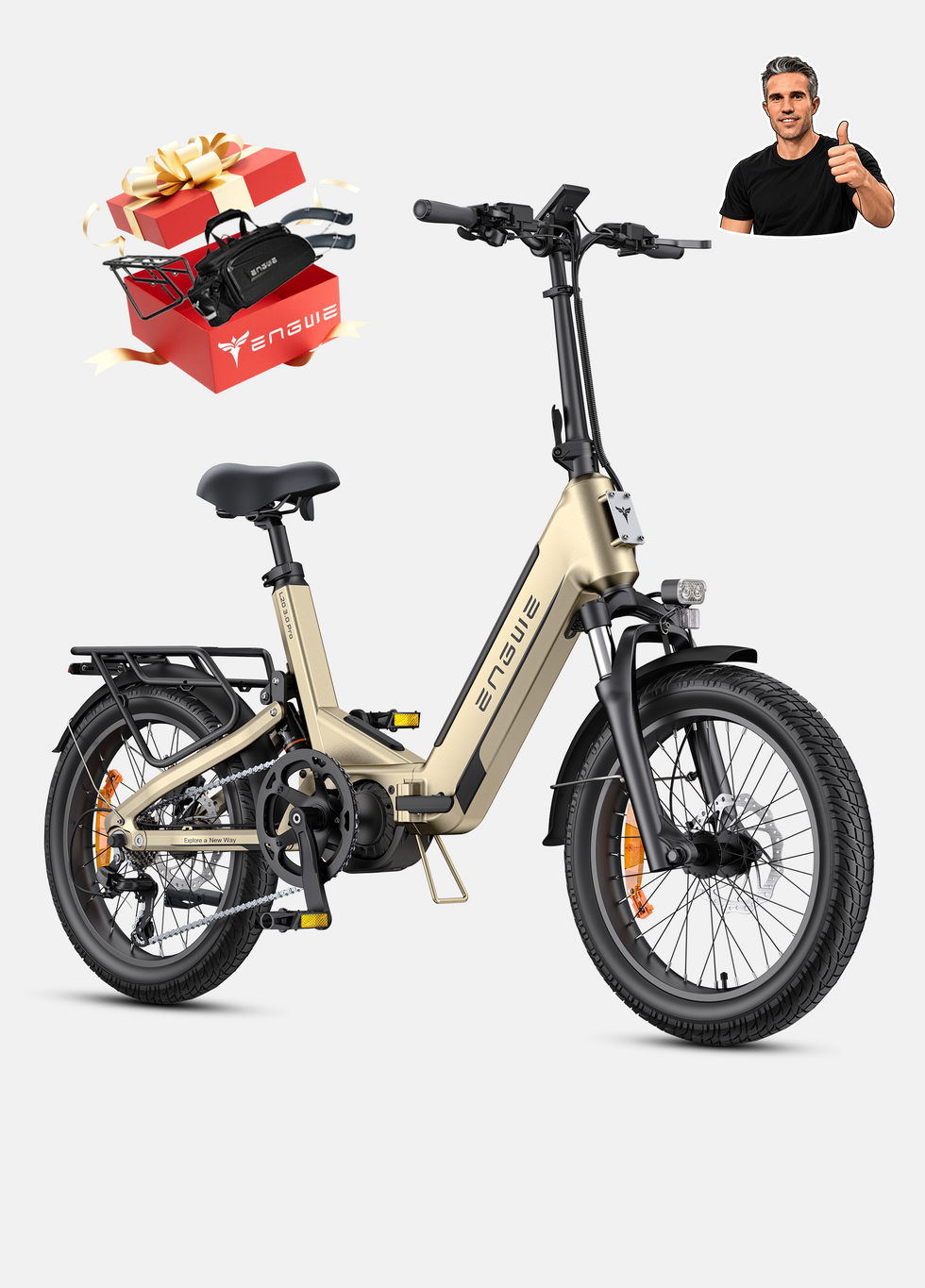
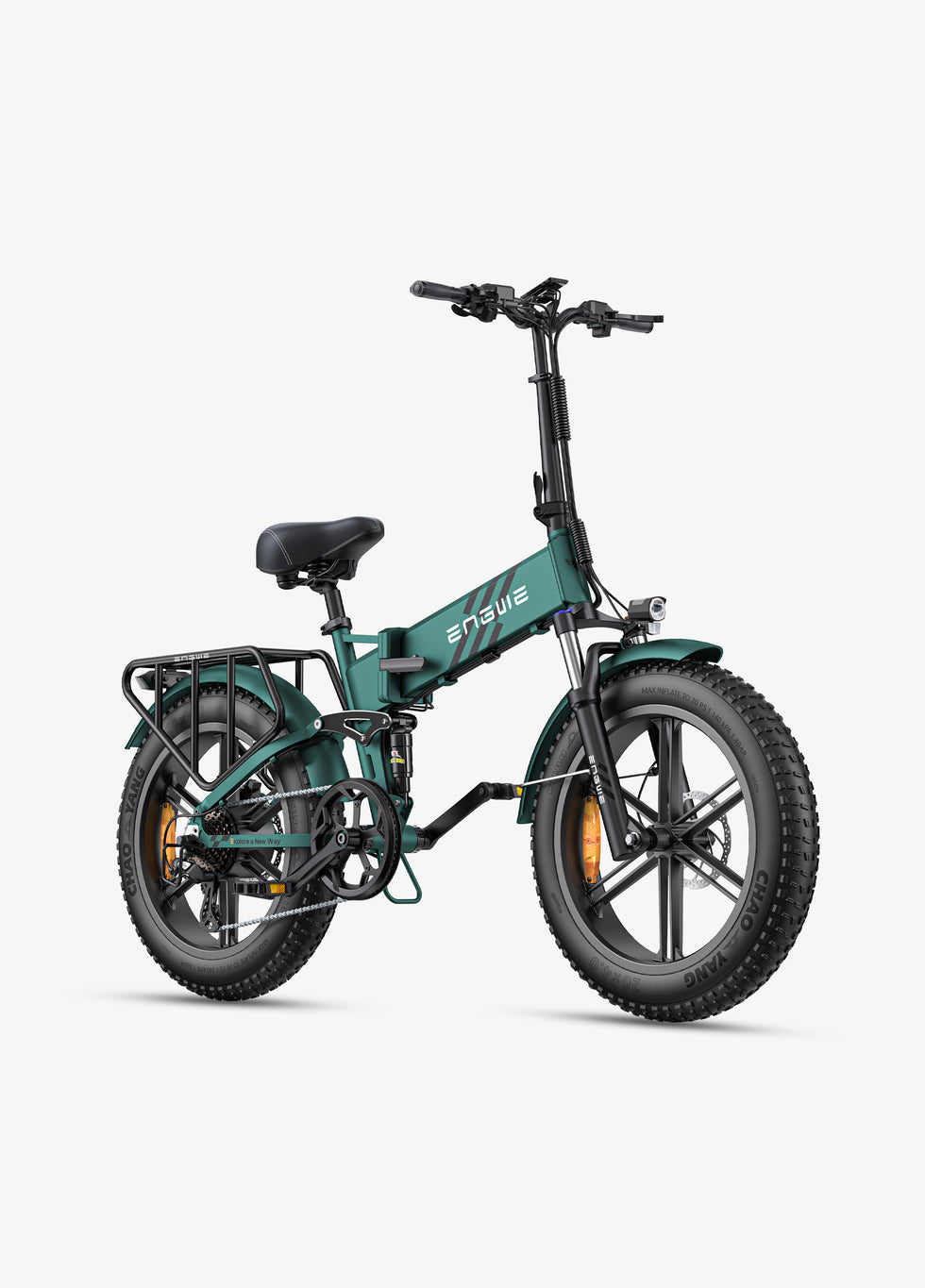
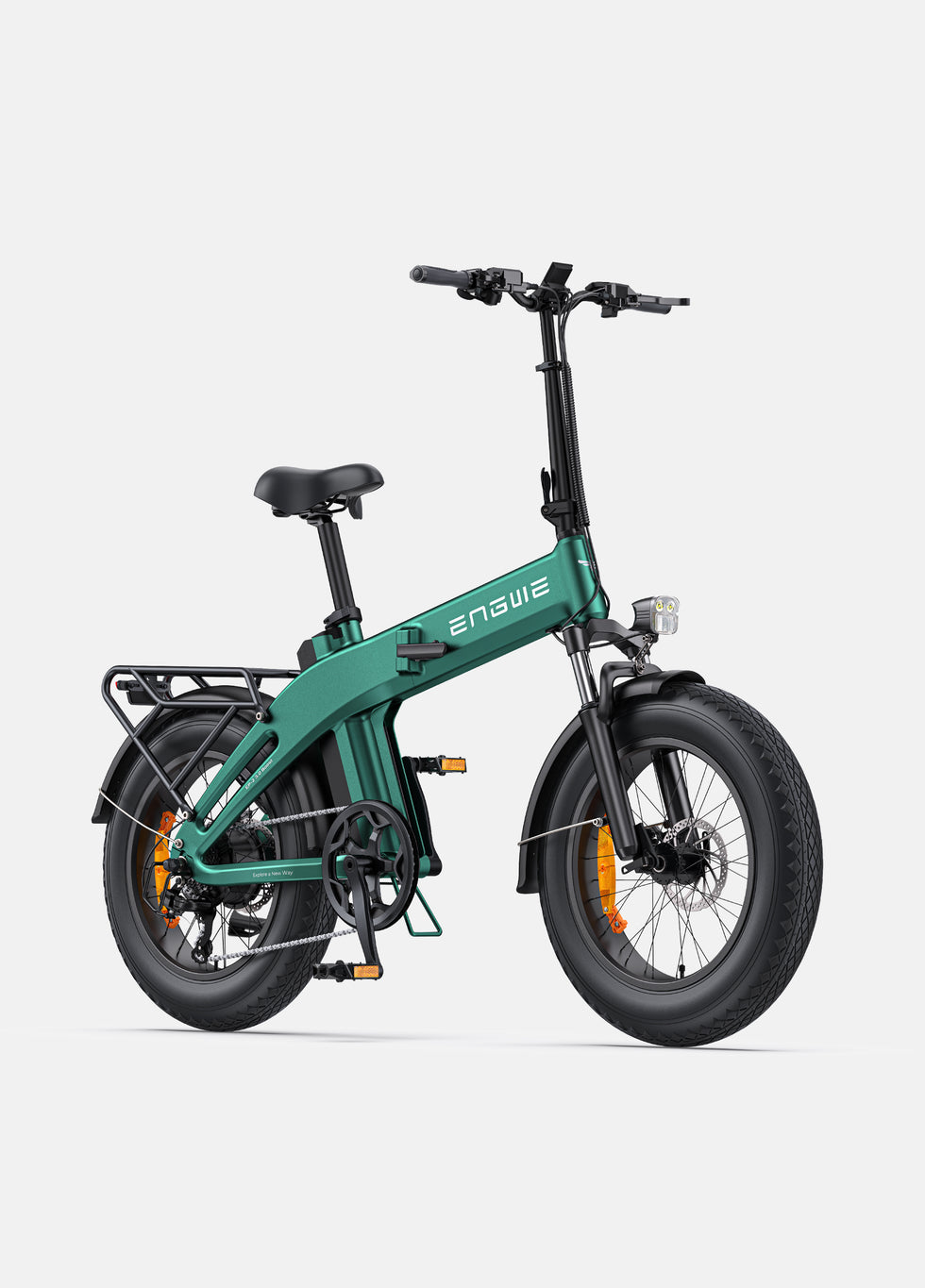
For pure comfort, ENGWE L20 3.0 Pro is the strongest pick from this group. It is the best fit for riders who want a smoother daily ride because it combines a step-through frame, full suspension, 20×3.0 tires, and hydraulic brakes—all features that directly improve comfort on rough streets, curbs, and longer urban rides.
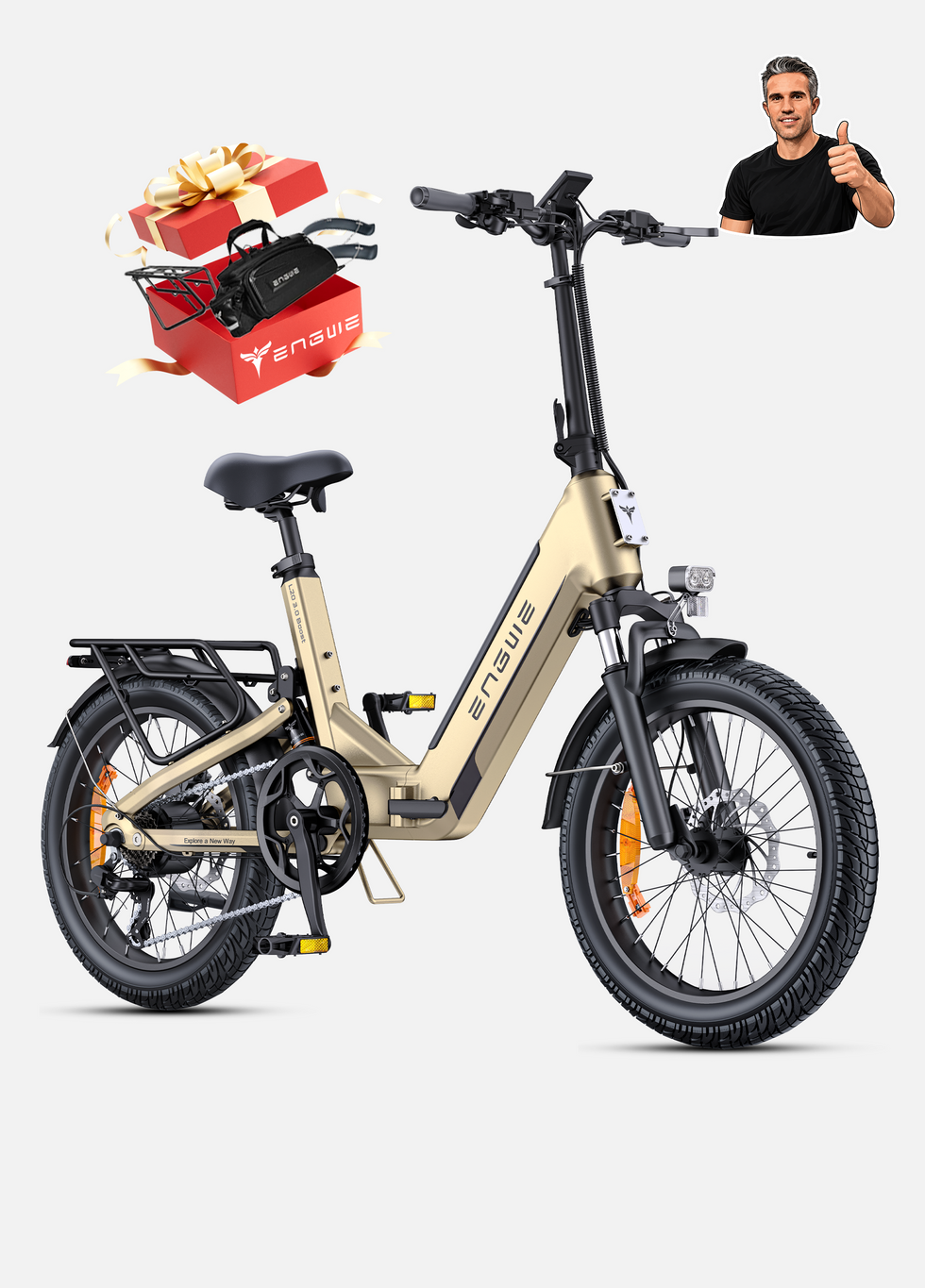
If you want something lighter and easier to carry or store, ENGWE Zip is the better alternative. It is much more compact, folds in 3 seconds, and weighs 16.9 kg without the battery, but it is built more for portability and city convenience than maximum ride comfort. So, for comfort first, choose ENGWE L20 3.0 Pro. For compact city use, choose ENGWE Zip.
What to avoid when buying an ebike?
What to avoid when buying an ebike?
Avoid buying an ebike based only on motor power, claimed range, or sale price. Those numbers look good on a product page, but they do not tell you whether the bike fits your route, storage situation, or body position. A bike that is too heavy for stairs, too harsh for rough roads, or awkward to mount will feel wrong even if the specs look strong.
Also avoid the wrong format for your real use. If comfort matters most, do not choose a compact folding model just because it is easy to store. If portability matters most, do not choose a heavier full-suspension bike without thinking about carrying and storage. The safest buying approach is to check fit, riding posture, tire setup, total weight, battery practicality, and how the bike handles your normal route before focusing on extras or discounts.