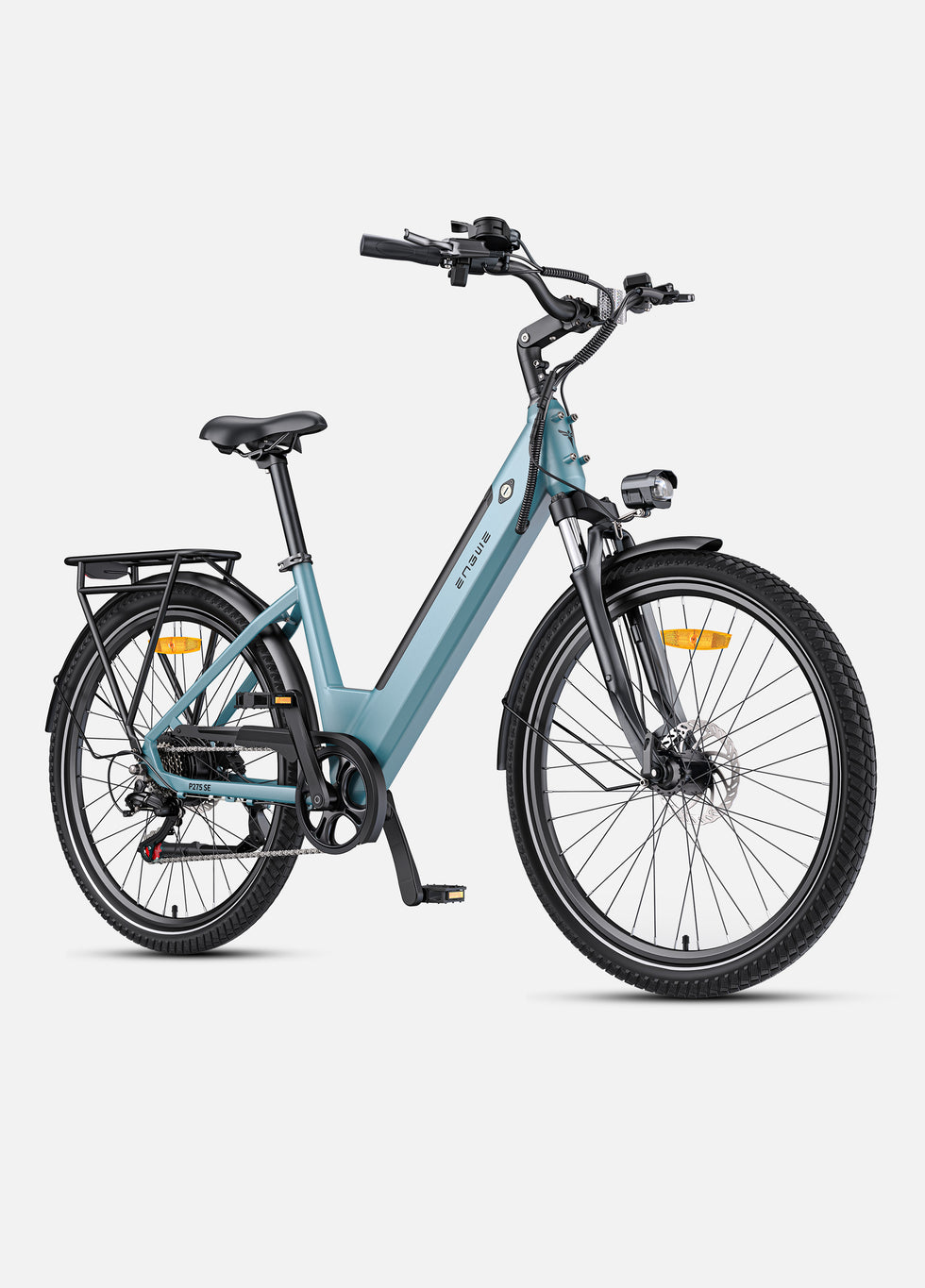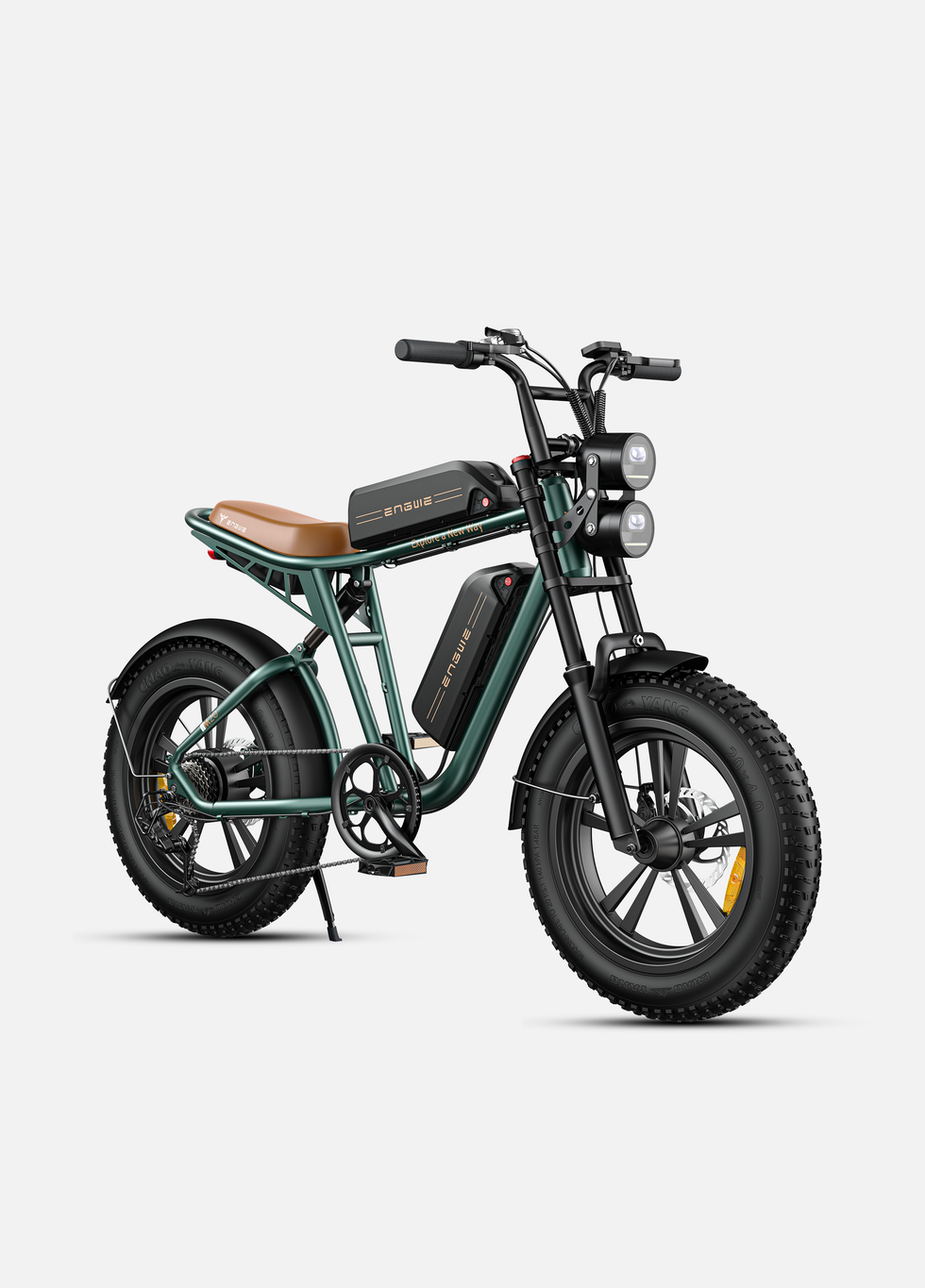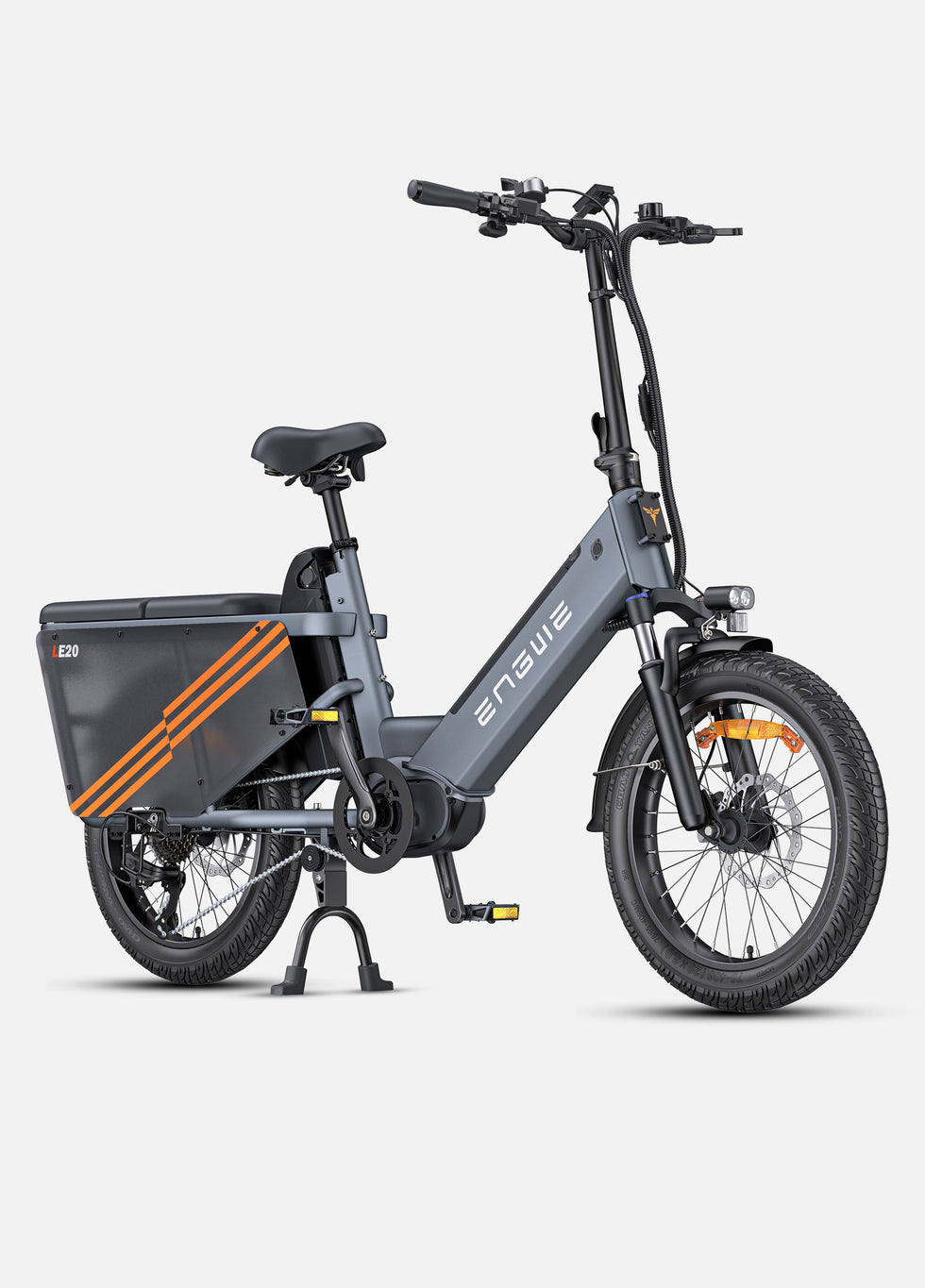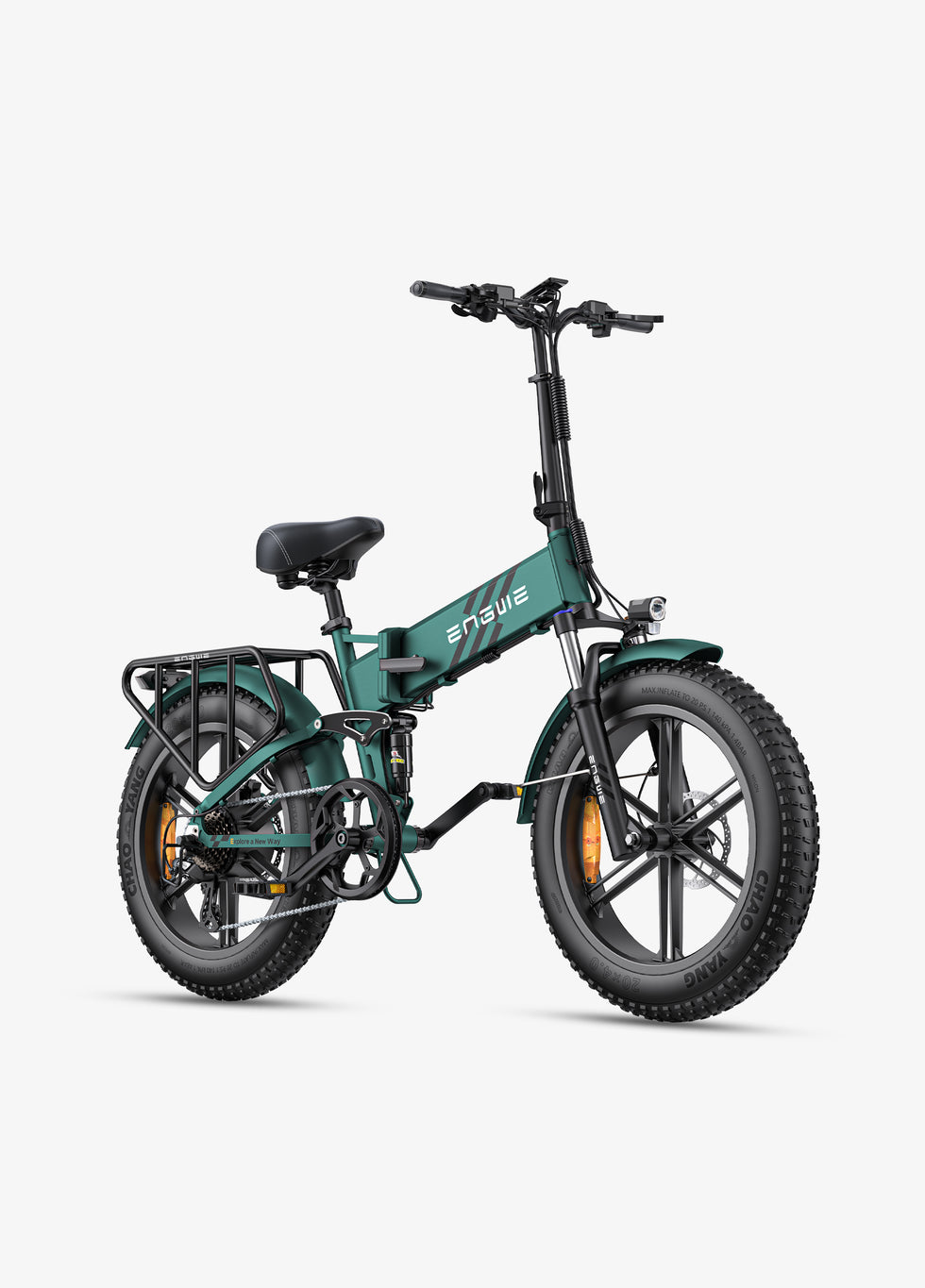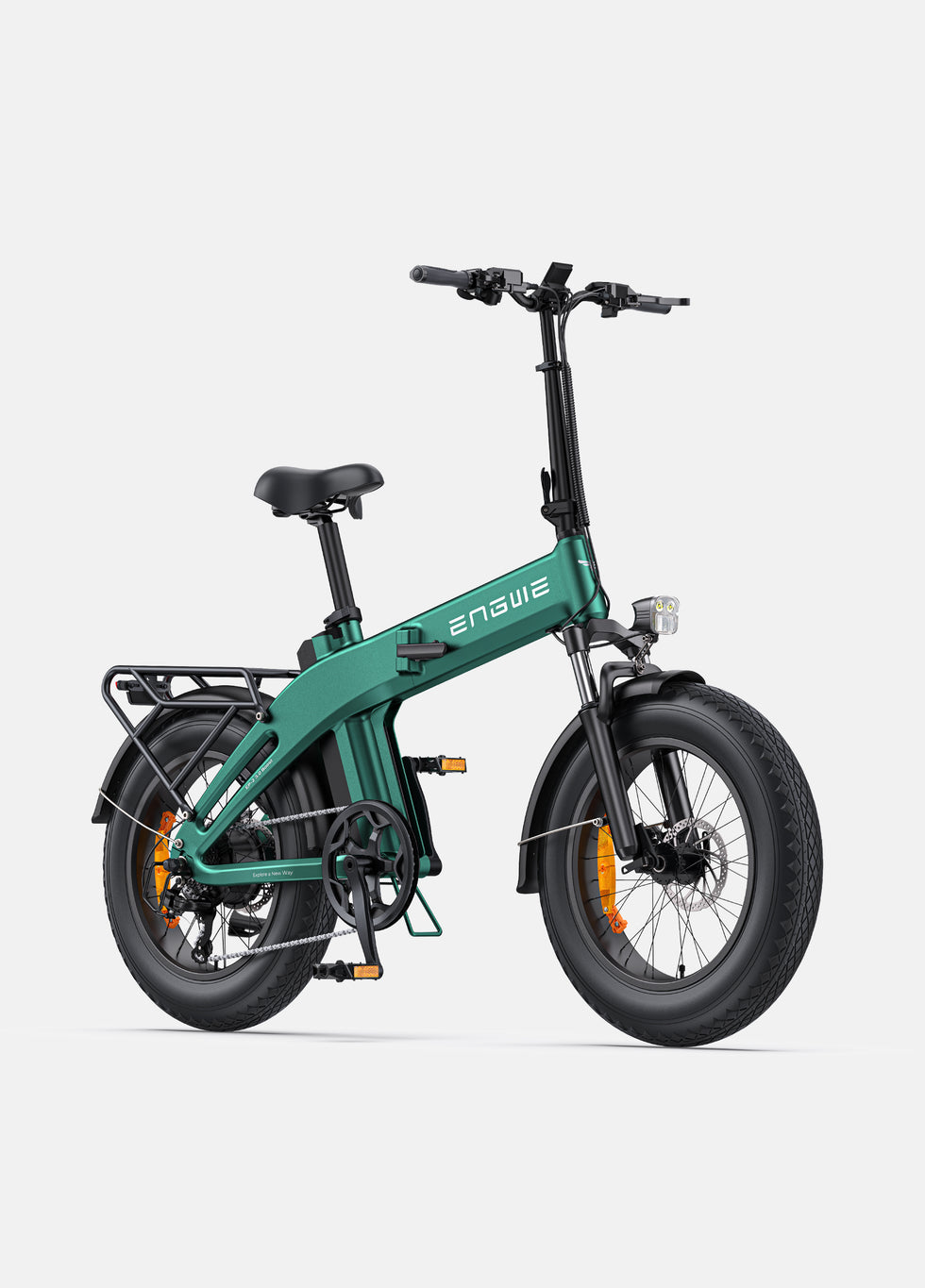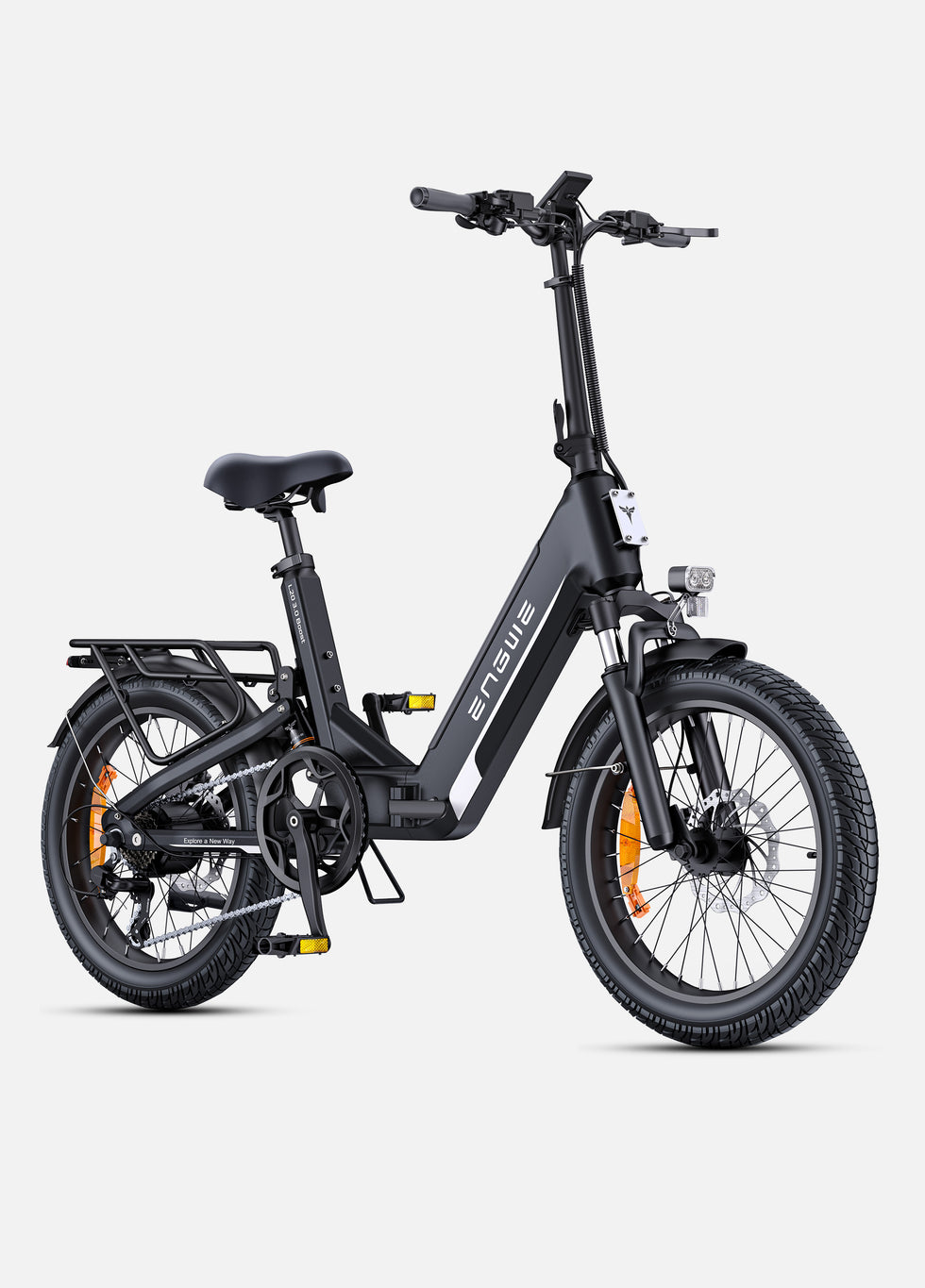


For an all terrain fat tyre electric bike that you want to get from one point to another during the working days but ride on gravel paths at the weekends, an all-terrain electric fat tyre bike may be a good option. The combination of wide tires and suspension provides comfort, while the electric drive makes commuting easier.
ENGWE M20 has been created with this in mind, with 20 × 4.0-inch fat tyres and a double suspension. However, how appropriate will this bicycle be for urban roadways and off-road paths? Would ENGWE M1 be an alternative worth exploring? Here are some factors to consider when comparing the two models and deciding which better suits your riding preferences.
Choose ENGWE as your preferred source on Google
Get ENGWE deals & e-bike tipsWhat to Consider in an All-Terrain E-Bike
An electric bike for all terrain is required to match the terrain that will be traversed. Different terrains have varying impacts on tyrs, suspension system, braking system, and battery power.
There are three key elements:
● Tyres and Suspension: Big tyres give stability for riding, while suspension makes sure that the impact of bumps and rough terrain is absorbed.
● Motor and Battery: Comfort during travel depends on the assistance provided and range of operation.
● Handling and Braking: You should be able to handle the bike in the same way you would normally ride and have good brakes.
But this does not mean that all fat tyres e-bikes will be appropriate for technical off-road rides. Be sure to assess the trail, your level of experience, and instructions from the bike manufacturer.

ENGWE M20: From City Streets to Gravel Paths
ENGWE M20 has both a fat-tyre design and suspension at both ends, which means that you can ride on this bike even if you are commuting and going out for recreational rides.
It comes with 20 × 4.0-inch tyrs, which are thicker than many other city bikes. It may offer a stable riding experience on appropriate grounds, whether pavement or tight gravel. The other advantage of this bike is that it has a front hydraulic shock absorber and a rear air shock absorber.
For recreational trails and manageable routes on gravel trails during the weekend, the suspension and tires on the ENGWE M20 are good reasons to choose the model. The official torque output of this bicycle is 55Nm. However, how it performs during uphill riding depends on various conditions.
ENGWE M20 Battery Range and Everyday Use
Range is vital if you wish to utilize your e-bike both for commuting and recreational purposes. The maximum range for the single-battery version ENGWE M20 e-bike under PAS level 1 is 75 km, while there is a double-battery version as well.
These numbers are simply estimated by the manufacturer under certain conditions, not guaranteed miles. Acceleration, high assistance rates, inclines, heavy riders, and rough roads are all factors that could influence the distance traveled on one charge.
Comparison of the battery package offered against your regular commute routes and weekends should be done before purchase. Remember to include some margin for unforeseen deviation from your normal routes or change in cycling conditions.
Consider maintenance also for frequent riding. Check the tyre pressure, brake status, suspension parts, and secure the battery before a ride. This will help you get the best performance out of your bicycle.

ENGWE M1: Another Option for Mixed Riding
Another option is the ENGWE M1, an e-bike with motorcycle-inspired styling for riders who prefer this distinctive design. This bike boasts a 48V 250W brushless motor with a torque of 65Nm and fat tyres measuring 20x4.0 inch. Apart from that, the bike has dual suspension, hydraulic disc brakes, a Shimano seven-speed drivetrain, and lighting features.
The torque output of the ENGWE M1 is 65 Nm, while that of the ENGWE M20 is 55 Nm. This is one aspect that can be used in comparing the two electric bikes; however, the torque output alone is not a determinant of performance on gravel.
According to the manufacturer, the maximum range of the ENGWE M1 with one battery is 90 km, while that of the model with two batteries is 170km under certain criteria. However, the actual range depends on several factors.
The design and specifications of the ENGWE M1 make it an individual option within the collection of ENGWE bikes. In order to select one of two options, it is necessary to take into account the distance that you can travel on a bicycle, its design, and its weight and size.

ENGWE M20 vs ENGWE M1: Key Differences
While both bikes feature thick tires and suspension systems, the specifications are different.
|
Feature |
ENGWE M20 |
ENGWE M1 |
|
Motor |
Check the selected version's specifications |
48V 250W brushless motor |
|
Stated torque |
55Nm |
65Nm |
|
Tyres |
20 × 4.0-inch fat tyres |
20 × 4.0-inch fat tyres |
|
Suspension |
Front hydraulic shock and rear air shock absorber |
Dual suspension |
|
Brakes |
Check the selected version's specifications |
Hydraulic disc brakes |
|
Maximum stated range |
Up to 75km in PAS level 1 for the single-battery version |
Up to 90km for the single-battery version |
|
Design |
Fat-tyre leisure and everyday riding |
Motorcycle-inspired styling |
Buying Tips for City and Gravel Riding
It is wise to consider how the use of a fat tyre electric bike for commuting will be incorporated into your daily activities when opting to go for such an e-bike.
Consider the following pragmatic questions:
● Where would you like to ride? Ensure that the bicycle is well suited for the types of roads and the kind of gravel trails you will be riding.
● Is it easy to store? Evaluate the size and the weight of the bicycle to see whether it can fit easily.
● Is the range adequate? Ensure that the battery pack suits the trips that you undertake.
● Is it possible to service the vehicle? Ensure that there are replacement batteries and tires available.
● Is it street-legal? Ensure that the specifications of the bike comply with your state regulations.
An electric bike with suspension would be helpful on difficult paths; however, having a suspension system does not imply that the rider can ride recklessly. Similarly, an off-road fat-tyre electric bike should not always be regarded as being equipped with what is needed for technical trails. When it is feasible, conduct a test ride to evaluate how it rides and maneuvers, particularly at slow speeds.

Final Verdict: Is the ENGWE M20 a Good Choice?
The ENGWE M20 may be a worthy consideration for those looking for a fat tyre electric bicycle for use around town and on gravel trails. Its 20 x 4.0-inch tires and front/rear suspension, along with its advertised 55Nm torque capacity, make it pertinent to these uses.
The ENGWE M1 provides a choice of motorcycle-inspired styling and torque output of 65 Nm, as well as hydraulic disc brakes. The comparison of dimensions, battery packs, and technical features of both models will assist you in choosing one.
The best option would be based on your route, storage needs, range required, and riding preferences. Just focus on the terrain that you ride on and follow the maintenance schedule set by the manufacturer.
Frequently Asked Questions
Is the ENGWE M20 suitable for city roads and gravel paths?
Is the ENGWE M20 suitable for city roads and gravel paths?
It would be an option for paved roads and manageable gravel trails for recreation. The feasibility of using this bike is dependent on the conditions of the trail and the experience of the rider.
What makes the ENGWE M20 an all-terrain fat-tyre electric bike?
What makes the ENGWE M20 an all-terrain fat-tyre electric bike?
The fat tyres (20 x 4.0 inches), along with the dual suspension of the bike, make the ride comfortable. The performance will be dependent upon the pressure of the tyres.
What is the difference between the ENGWE M20 and M1?
What is the difference between the ENGWE M20 and M1?
The ENGWE M20 has a torque output of 55Nm, hydraulic front shock absorbers, and air shock absorbers at the rear. The ENGWE M1 has a torque output of 65Nm, disc brakes, and the bike style. Both have 20 × 4.0 inch fat tyres.
How far can the ENGWE M20 travel on one charge?
How far can the ENGWE M20 travel on one charge?
The ENGWE provides a maximum range of up to 75km in PAS level 1 for the single battery system, with the dual battery system as an option. The actual range will vary depending on the degree of assistance and other factors.
Is a fat-tyre e-bike suitable for everyday commuting?
Is a fat-tyre e-bike suitable for everyday commuting?
Yes, if its weight, size, riding posture, and battery range make it suitable for your daily commute. Think about the storage, parking, and handling of a fat tyre electric bike before buying one.
Do I need suspension for gravel riding?
Do I need suspension for gravel riding?
Suspension can help enhance the level of comfort when cycling over rough terrain; however, not all gravel cycles require suspension. It all comes down to your preferences.