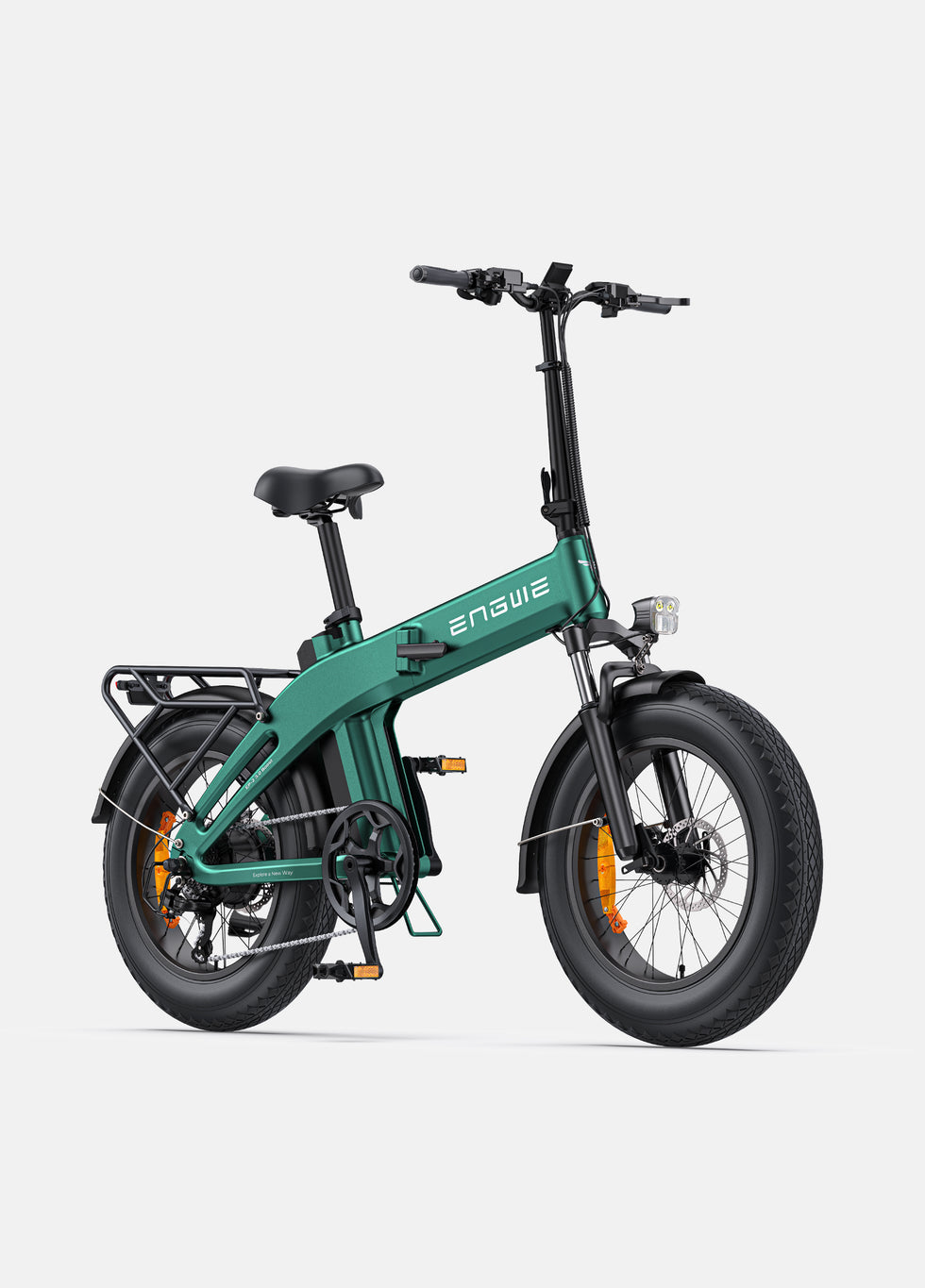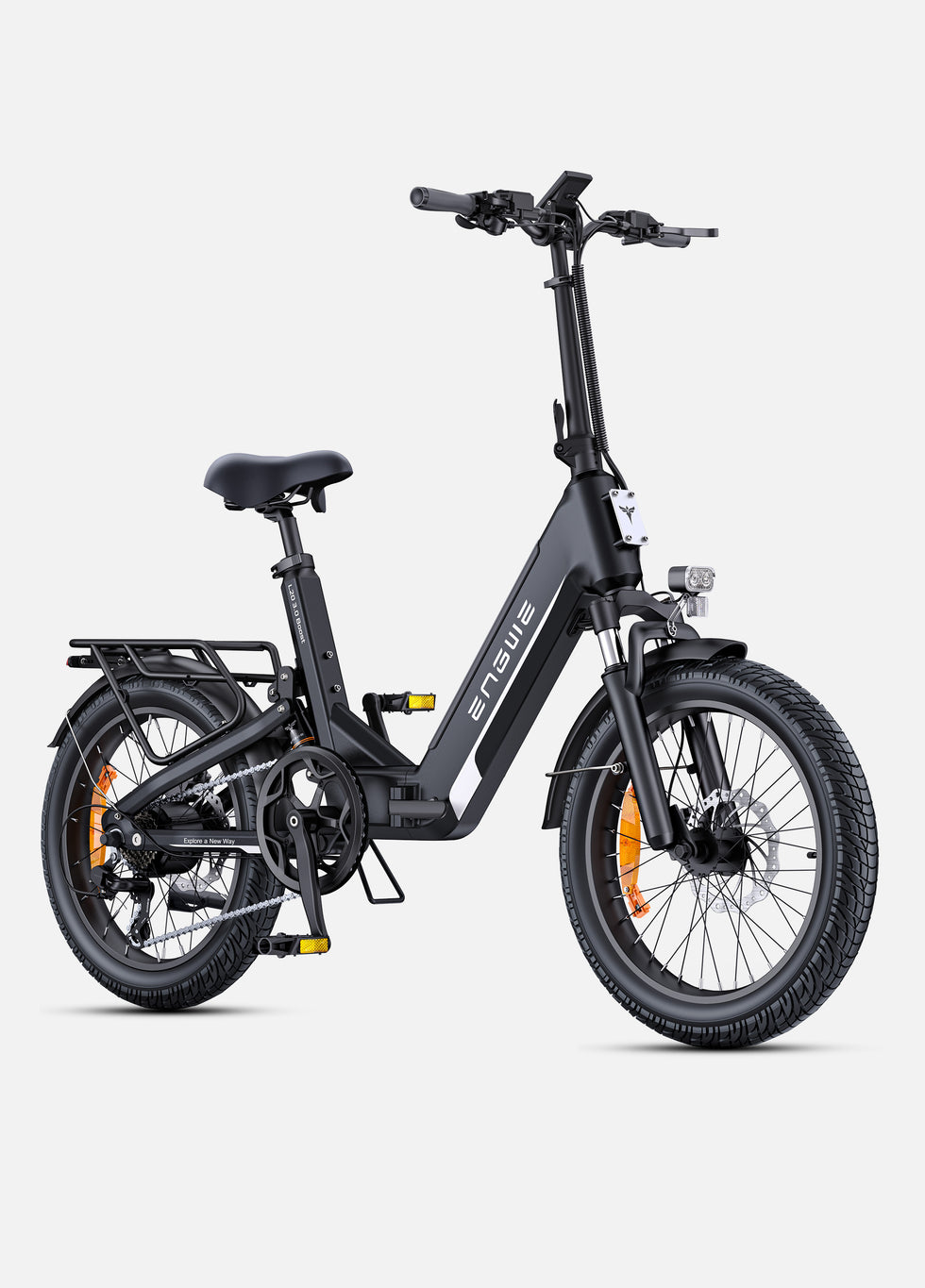


Selection of the electric mountain bike with fat tyres is dependent on the rider’s ability to strike the right balance in terms of traction, comfort, motor support, and battery power. There are people who require bikes for riding through rough and muddy terrains, while there are those who will prefer bikes for riding through hills and on normal days.
When purchasing your e-bike, take into account what your riding conditions will be like, how much room you have for storage, and your preference for a folding or non-folding frame. Sometimes, such considerations are as important as those relating to the motor itself.
Choose ENGWE as your preferred source on Google
Get ENGWE deals & e-bike tipsWhat to Look for in a Fat-Tyre Electric Mountain Bike
A fat tyre electric mountain bike is created to integrate electric bike technology with large tyres capable of offering stability while riding on surfaces where it can be used. This does not imply that all these bikes are made for rough mountain trails.
Consider the following characteristics while choosing options:
● Tyre Width and Tread: Tyres that are wide allow increased contact surface, while the tread design determines traction.
● Motor and Torque: Motor and torque have an impact on the bike's performance as far as acceleration and uphill riding are concerned, along with gearing and rider effort.
● Suspension: The front suspension takes the shock to the front wheel, while the full suspension works on both wheels.
● Battery Capacity: Larger batteries have higher capacities, but the actual mileage will depend on many factors like assistance level, terrain, etc.
● Brakes: Good brakes are important for controlling the speed downhill.
● Frame and Weight: Riding posture, manoeuvrability, and portability of the bike are also factors to consider.
It all depends on your usual paths. The rider who rides along steep and bumpy paths may opt for suspension and climbing assistance, while the one who rides along paved paths may prefer a simple structure.

Best Electric Mountain Bikes to Consider
Check out the three e-bikes featured below to get an idea of the variety of models and riding options. Think about the terrain you will be riding on and what features you need.
ENGWE E26 3.0 Pro
The ENGWE E26 3.0 Pro has a 250W mid-drive engine with a torque capacity of 100Nm, a full suspension mechanism, and a four-bar linkage frame. The smart riding system of the bike aims to help the rider have a better riding experience. On top of that, its range of up to 135km makes it worthy of consideration by those who want to undertake a long ride. This will be appropriate for riders seeking an e-bike with considerable torque and suspension capability.

ENGWE Engine Pro 3.0 Boost
The ENGWE Engine Pro 3.0 Boost features a 250W motor, 90 Nm of torque, and full suspension. It also comes with an anti-theft system, cloud-based firmware updates, and a removable battery using LG or Samsung cells, depending on availability. The manufacturer claims a range of up to 130 km, while fast charging takes approximately two hours. These features make it worth considering for riders looking for a fat-tyre e-bike with suspension, connectivity, and a long claimed range.

ENGWE EP-2 3.0 Boost
The ENGWE EP-2 3.0 Boost comes with a 250W motor and 75 Nm of torque, along with a torque sensor. Other features include hydraulic disc brakes, application connectivity, and quick charging within 3.5 hours. The detachable battery provides an elegant design while at the same time allowing for easy charging. The bike has a claimed range of up to 120 km under PAS 1 (Pedal Assist Level 1). Actual range may vary depending on terrain, rider weight, assistance level, and riding conditions.

Fat Tyre vs Regular Tyre E-Bike: What Is the Difference?
The first thing to note when differentiating a fat tyre from fat tire vs regular tire ebike is width. While fat tyres provide a wider surface area, regular tyres are usually narrow for road-based biking.
Neither is superior in every respect. It all comes down to the landscape as well as your personal riding style and preference for comfort.
|
Feature |
Fat-tyre e-bike |
Regular-tyre e-bike |
|
Tyre profile |
Wider tyres |
Narrower tyres |
|
Riding feel |
Can feel stable on suitable loose surfaces |
Often feels more agile on paved roads |
|
Rolling resistance |
Can be higher, depending on tyre and pressure |
Often lower with road-oriented tyres |
|
Typical use |
Gravel, loose surfaces and recreational mixed-terrain riding |
Commuting, paved routes and lighter paths |
|
Main consideration |
Weight, tyre pressure and handling |
Grip and suitability for rough terrain |
Pressure is significant for both tyres. A proper tyre pressure may help maintain comfort, traction and rolling resistance, yet the right pressure varies depending on tyre model, rider’s weight and manufacturer’s specifications.
In case your rides involve riding on gravel roads or rough paths, then wide tyres may be ideal for you. However, if the rides are mostly done on smooth urban surfaces, then regular tyres may suffice.

Why Suspension Matters for Uneven Terrain
The electric bike with suspension makes the journey smoother due to shock absorption from bumps and undulations in the road. This varies depending on the type of suspension, its travel, the setup, and the nature of the roads.
There are three different arrangements possible:
● Rigid frame: This type lacks suspension, thus being an easier option for smooth paths and roads.
● Front suspension: Useful in helping the bike to handle shocks on the front wheel.
● Full suspension: This is a more advanced frame that has rear suspension along with the front one.
Full suspension may not be necessary for everyone. This feature increases the bike’s weight and makes it complicated to handle; hence the need to assess if it is worth investing in. Suspension is only one element that affects how safely you ride in tough terrain. The bike's tyres, braking, and its design should also be considered.

Choosing an Electric Bike with Fat Tyres for Hills
If you always move upward, then you need to give attention to the motor assistance and gearing. In choosing a fat tyre electric bike for hills, you need to select a bike that has the right motor and gears.
Torque can assist when comparing motors, but it does not say everything. The ability to climb is also affected by the gradient, weight of the rider, gearing, battery charge level, and rider effort.
Range is also an issue that should not be overlooked. Climbing up hills and increased assist will use up more power than flat terrain riding. Think about how much elevation you normally ride and make sure to have enough battery left for the trip back.
Before attempting to ride up steep routes, ensure that your brake and tyre systems are working properly and that you have practised controlling your bike at slower speeds. Wider tyres may work for the appropriate loose terrain, although they will not provide traction on wet rocks and slopes.

Is a 26-Inch Electric Bicycle the Right Choice?
A 26 inch electric bicycle can be an option for riders who prefer a larger wheel format, but wheel diameter alone does not determine comfort or off-road capability. Tyre width, tread, frame geometry, and suspension all influence how the bike behaves.
It is possible to get a 26 inch electric bicycle powered by electricity as an alternative choice for those looking for a large wheel type, but wheel size will not necessarily affect the level of comfort and rough terrain capabilities.
There is also a variation in the profile between a 26-inch wheel with a 3.0-inch tyre and a 26-inch wheel with a 4.0-inch tyre. The wider tyre provides a wider footprint, although other aspects of the bike affect the way it rides.
Folding bikes with smaller wheels may be more suitable for storing in certain places, while those with larger wheels may appeal to people who would like their bicycles in the traditional way.
While looking at size comparisons, one should look at the dimensions of the frame, rider heights recommended by the company, and the weight of the whole bicycle. It is ideal if you can test-ride the bike before purchasing.

Buying Checklist: What Should You Compare?
Before selecting an electric fat tyre mountain bike, the following should be considered:
● Riding surface compatibility: Adjust tyres and suspension systems to suit your typical surfaces.
● Engine capacity: Compare engines for type, torque, and gear ratios that will handle the climb.
● Range: Take into account journey distance, altitude, and the amount of assistance you usually need.
● Brake capacity: Find out about the brake capacity and maintenance schedule.
● Frame and riding position: Ensure the frame and riding position suit your height and experience.
● Weight and storage: Factor in the parking space, transport, and carrying.
● Warranty and accessories: Find out about warranties, replacement batteries, and parts available.
● Legality: Confirm that the correct model and configuration comply with road regulations.

Conclusion
Selection of the appropriate electric fat tyre mountain bicycle depends upon your intended riding conditions. Fat tyres can offer stability if the surface is loose enough. The suspension may make your rides comfortable over uneven ground, while the motor would help you tackle the difficult inclines. It is also essential to consider weight and other parameters when choosing.
Think about your usual terrain and storage space requirements, as well as your riding preference, prior to making your choice. Your right e-bike should have an appropriate mix of comfort, efficiency, and practicality.
Frequently Asked Questions
Are fat tyres better for electric mountain bikes?
Are fat tyres better for electric mountain bikes?
Fat tyres could provide stability as well as greater surface area for loose ground surfaces. However, their performance is contingent upon factors such as tyre pressure, terrain, tyre treads, and bike design.
Is a fat-tyre e-bike suitable for hills?
Is a fat-tyre e-bike suitable for hills?
Yes, as long as the motor, gearing, braking system, and battery are right for the trip. Torque is an important aspect that should be compared, but climbing capability will also depend on several other factors.
What is the difference between 26 × 3.0-inch and 26 × 4.0-inch tyres?
What is the difference between 26 × 3.0-inch and 26 × 4.0-inch tyres?
Both have a 26-inch diameter wheel, although the 4.0-inch tyre has a greater width. The most suitable option will depend on the terrain and handling preference, among other factors.
Do I need full suspension for gravel riding?
Do I need full suspension for gravel riding?
Not always. It could suffice to have front suspension for smooth gravel tracks but full suspension will give you more comfort over rugged terrain. Think about the kind of riding that you intend to engage in.
How can I maximise an e-bike's battery range?
How can I maximise an e-bike's battery range?
Proper levels of assistance, tyre inflation, drivetrain maintenance, and proper routing are all essential to maximising your range. Hills, weather, weight, and repeated acceleration can also all play a role in reducing range.