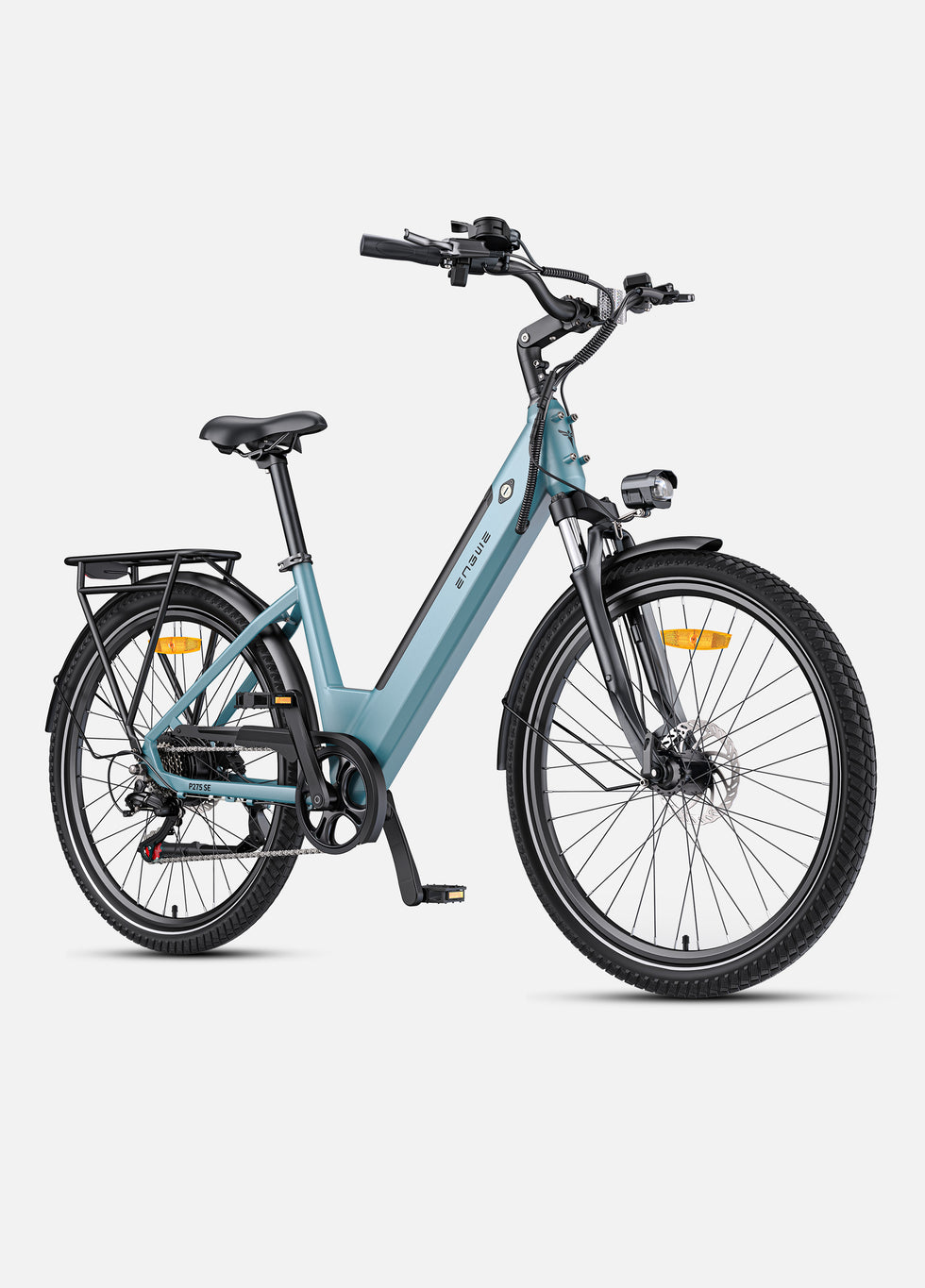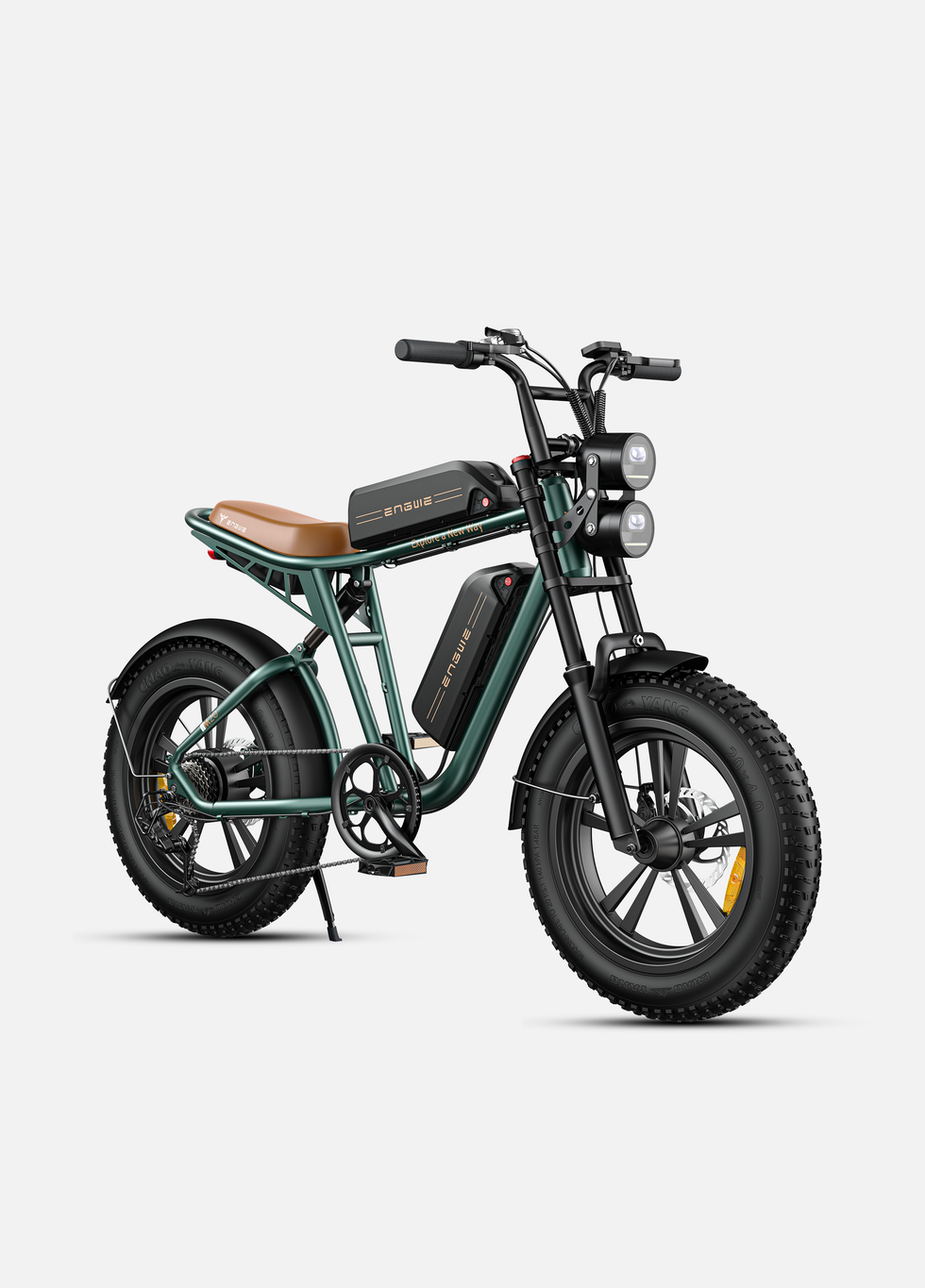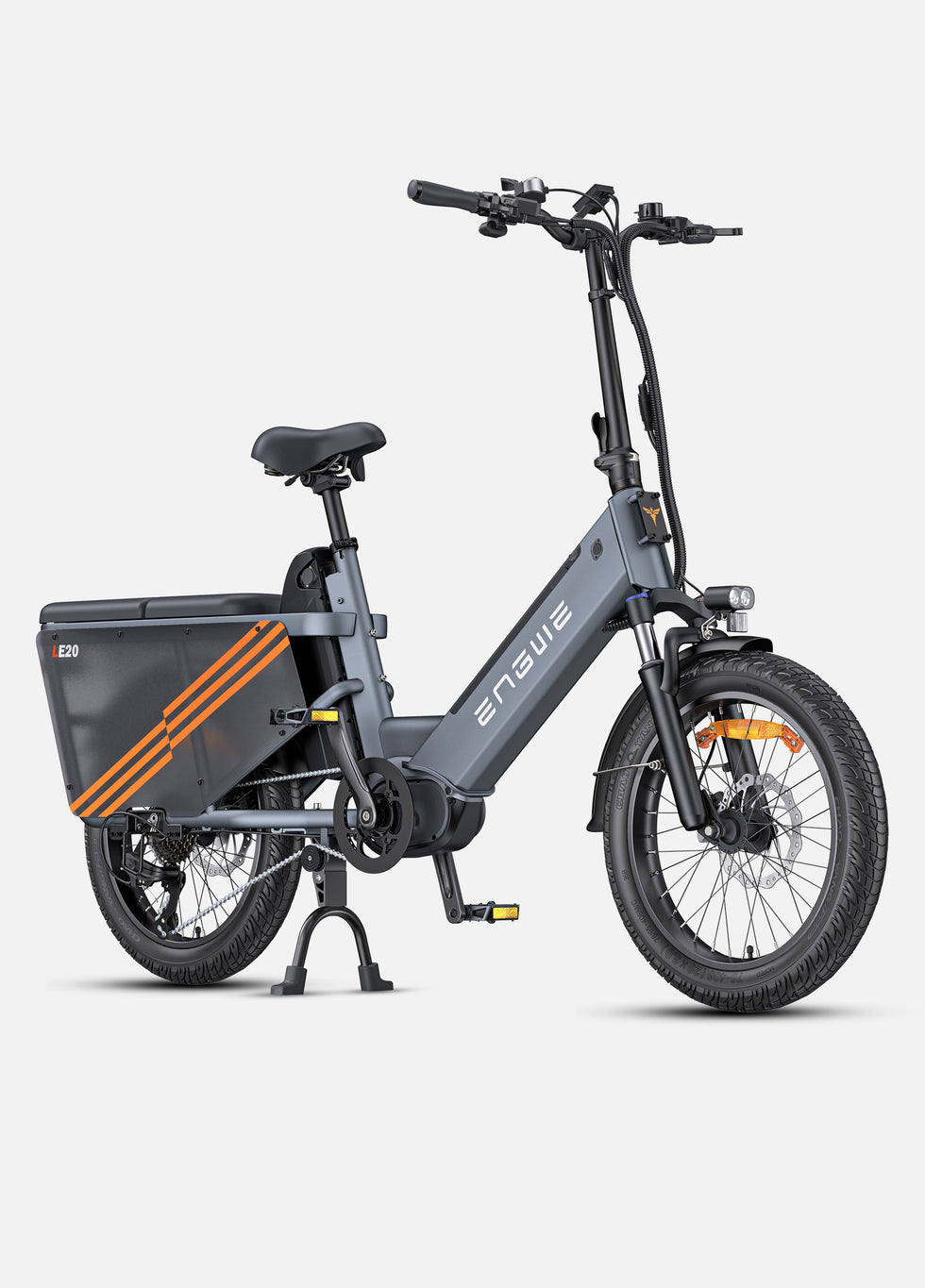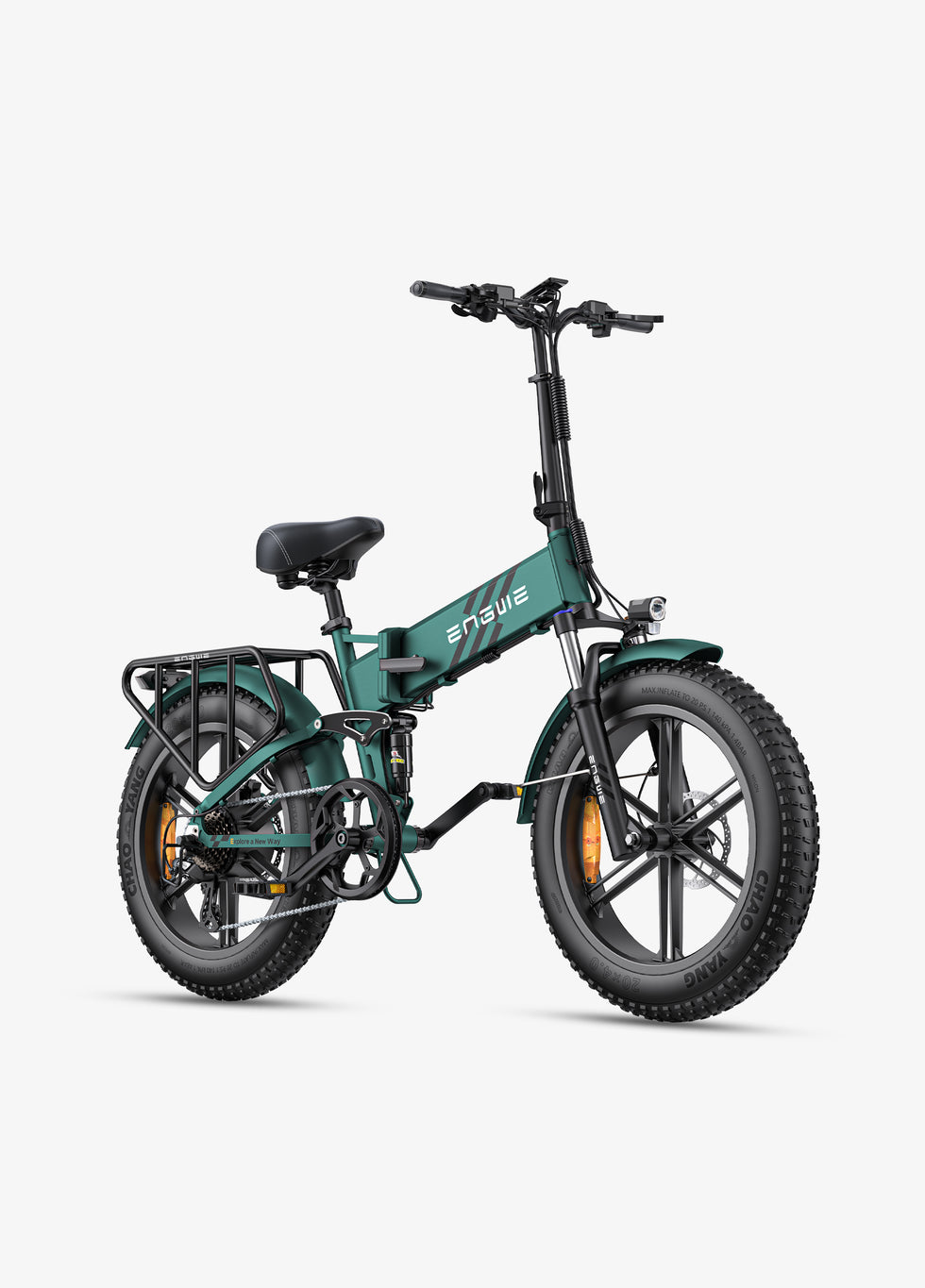


An e cycle for adults would become more natural to ride through the use of torque sensors that can adapt the amount of motor help according to your pedalling force. Torque sensors will give you better control, response, and comfort while cycling up hills and changing speeds. Yet, a torque sensor might not be necessary for every cyclist. Learning how torque sensors work, comparing them to the cadence sensor, and identifying their features will allow you to choose what matters more to you.
Choose ENGWE as your preferred source on Google
Get ENGWE deals & e-bike tipsWhat Is a Torque Sensor on an Electric Bike?
The torque sensor detects the amount of power you use while pedalling, and the motor assistance is varied based on that. The more you pedal hard, the more help you receive from the motor. If you pedal slowly, then the motor assistance will be lower.
This results in more effective riding as the motor is working according to your inputs. It means that the assistance will not be provided to you at a fixed level of assistance, depending on whether you are turning the pedals.
The torque sensor can be especially helpful when you are starting off, accelerating, going up hills, or changing speeds amidst traffic.

Electric Bikes with Torque Sensors to Consider
The various types of electric bikes incorporate different types of motor and sensing systems. The three electric bikes below offer illustrations of how the torque sensors and other motor parameters may affect the ride.
ENGWE E26 3.0 Pro
The ENGWE E26 3.0 Pro is one of the mid-drive electric bikes suitable for users who desire power assistance through various trails. The motor used in this bike offers 250W of power and 100Nm of torque. In addition, the bike utilizes a full-suspension system along with the four-bar linkage suspension frame that can provide comfort while riding through rough terrain. There is also a Smart Riding System included in the bike, along with a maximum range of 135 km. The fact that its motor is situated in the crank area makes it different from a normal hub-motor electric bike.

ENGWE O20 Boost
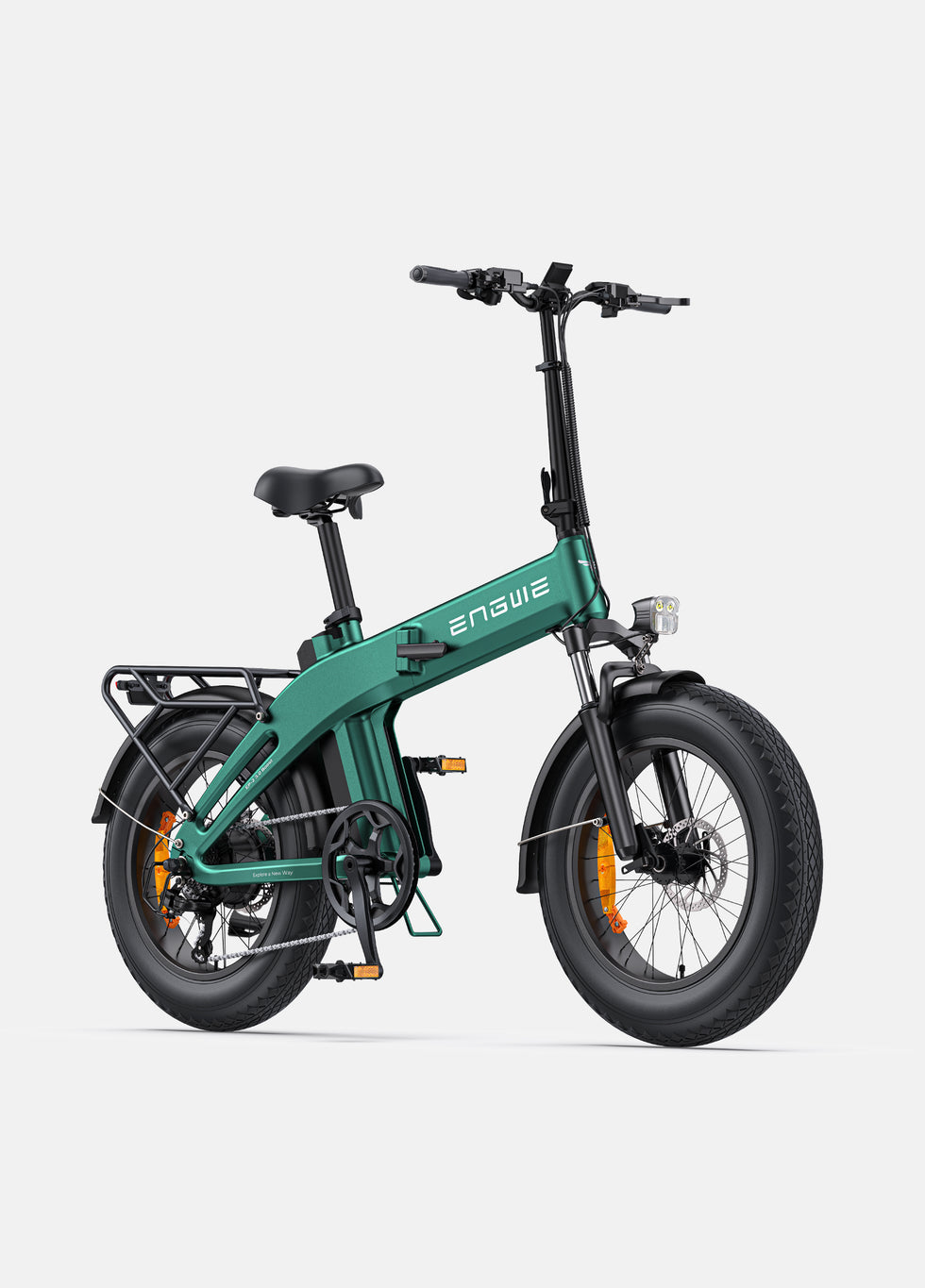
The ENGWE O20 Boost is a foldable ebike that features a 250W hub motor that generates 75 Nm of torque. The 720Wh LG battery offers an impressive range of up to 140km in terms of maximum distance covered, and the torque sensor controls the power output of the engine depending on the pedal force.
The foldable design ensures easy transportation of the bike, and the front suspension enhances comfort on rough terrain. The other specifications include a Battery Management System, hydraulic brakes, Shimano 8-speed drivetrain, and a 4A charger.

ENGWE ZIP
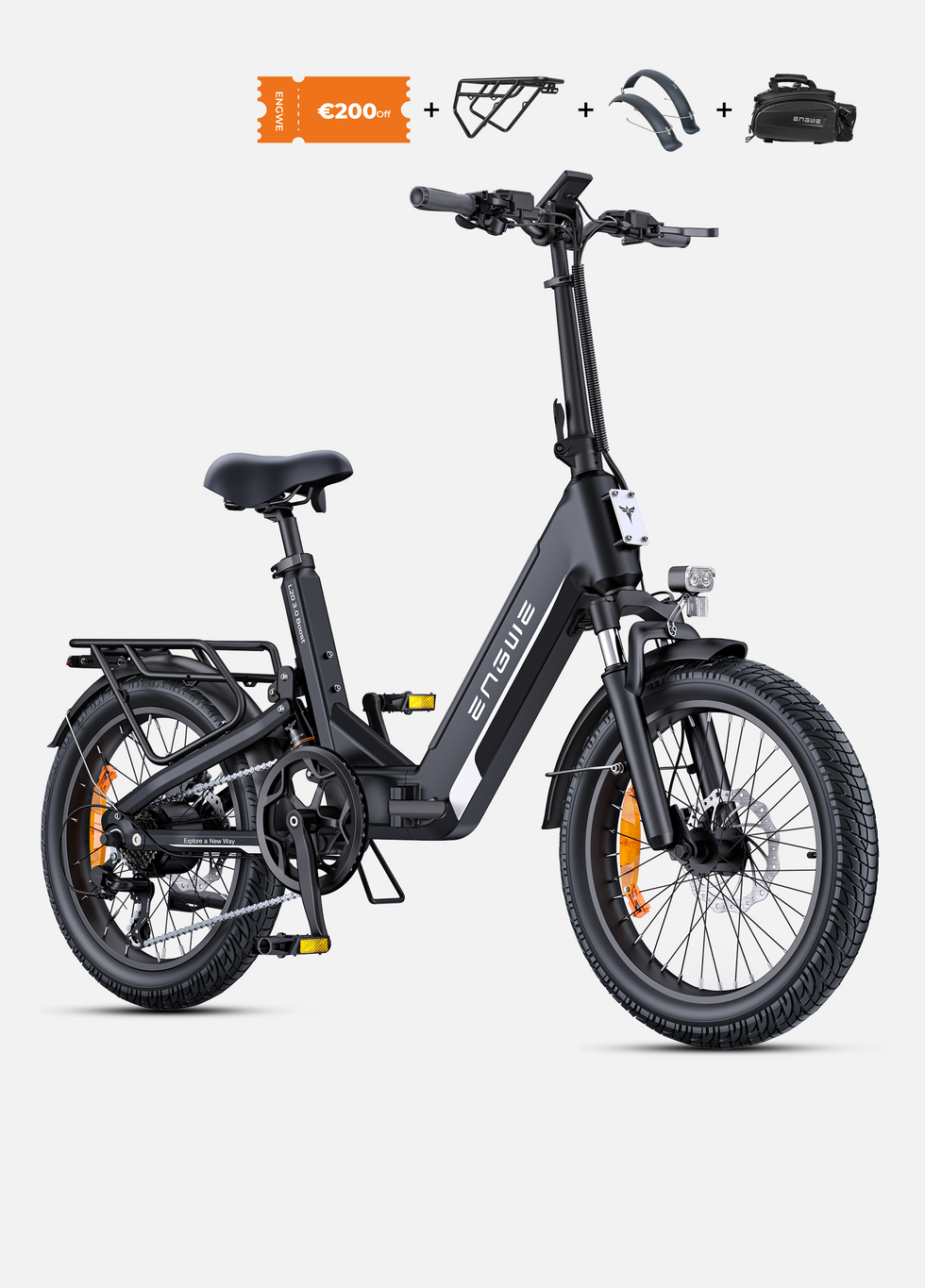
The ENGWE ZIP is a folding e-bike that comes with a 250 W rear hub motor and 360 Wh LG battery. It has a torque sensor that reacts to your pedalling efforts, thus ensuring you feel a better connection with your pedalling efforts and receive good assistance.
Additionally, it has a triple-folding frame that takes only three seconds to fold, hydraulic disc brakes, a Shimano 7-speed drivetrain, and a damping seat tube. Furthermore, it has 100 W USB-C charging capacity, making it a portable power bank, and its maximum range of 120 km ensures that it can be used for everyday commuting and leisure.

Torque Sensor vs Cadence Sensor: What Is the Difference?
Although both torque and cadence sensors help regulate the motor's performance, they do so in different ways. The torque sensor is used to determine how much effort the rider is putting into pedalling, while the cadence sensor determines if the pedals are rotating.
|
Feature |
Torque sensor |
Cadence sensor |
|
Measures |
Pedalling force |
Pedal rotation |
|
Assistance |
Adjusts to your effort |
Activates when you pedal |
|
Riding feel |
Natural and responsive |
Simple and consistent |
|
Best suited for |
Control and varied terrain |
Relaxed everyday riding |
|
Rider input |
Responds to how hard you push |
Responds to pedal movement |

Why Choose a High Torque e Bike?
A high torque e bike can come in handy where your normal paths feature steep roads, hills, or varied elevations. Torque refers to the turning force of the motor, and it is normally measured in Newton-meters (Nm). High torque can ensure that the motor provides more support in such demanding areas.
In combination with the torque sensor, the extra support will be in relation to the way you pedal; for instance, the more you pedal when climbing, the more support is offered by the motor, depending on how it is programmed to assist.
There are other factors apart from torque that determine the performance of an electric bike when climbing. These factors include the motor, gear ratios, battery performance, weight of the rider, and the terrain.

Is a Torque Sensor Useful for an Electric Bike for Hills?
An electric bike for hills would be assisted by a torque sensor since it provides assistance in line with the amount of pedalling power. As such, you can pedal harder whenever you approach a hill for further assistance. In addition, this is likely to assist with the gradient change and a steady cycling pace.
The torque sensor can also provide better control of the bicycle as you move away from a stationary position in the uphill position. The assistance provided is dynamic in nature and thus will feel like an extension of your efforts.
Torque ratings for the motor, gearing, battery life, and weight of the bike should also be considered, especially for hilly routes.

What Electric Bike Specs Should You Compare?
While evaluating the technical features of an electric bike specs, it is necessary not only to pay attention to the motor power and battery capacity. Various elements affect the performance of the vehicle.
● Motor power: A 250 W e-bike can provide an adequate level of assistance, based on its design and local rules.
● Torque: Torque, measured in Nm, characterizes the motor's rotational force and can be especially important when climbing up hills.
● Sensor type: The torque sensor reacts to the applied pedal force, whereas the cadence sensor registers pedal rotations.
● Motor placement: In mid-drive e-bikes, the motor is located closer to the pedals than in hub motors, which are located at the front/rear wheel.
● Battery capacity: More powerful batteries can make long rides easier, but the actual range depends on the riding conditions and assistance levels.
● Gearing: Proper gearing enables the rider to deal with various gradients and pedal comfortably.
● Braking system: Good brakes are especially important to control the descent.

How to Choose the Right e Cycle for Adults
Before buying an e cycle for adults, think of the places you wish to ride to and what kind of assistance you would like to have. Consider whether you need assistance through the torque sensor or if you require an effective motor system to ride through hills. The mid drive electric bike is another option depending on the type of terrain.
The comfort level, controls, and long-term reliability should not be ignored as well. Make sure to check the suspension, the frame design, tyres, brakes, and the warranty and maintenance service options available for the parts you want.

ENGWE Black Friday Sale
The BLACK FRIDAY offer from ENGWE is ongoing; here you can get amazing discounts worth €527 in total. Get yourself some products during this period to have a chance to win an autographed ball from Robin van Persie. All buyers have an opportunity to participate in the raffle, even those who become winners of an e-bike. Buy early to be able to participate in several giveaways.
Conclusion
The torque sensor can help make the e-bike assistance ride more sensitive, because it can control the performance of the motor depending on your effort when pedalling. The torque sensor will prove itself especially helpful for those who like going uphill, accelerating, and keeping control. Nevertheless, the optimal choice is to be made according to your riding preferences and the kind of motor system you need.
Frequently Asked Questions
Is a torque sensor better than a cadence sensor?
Is a torque sensor better than a cadence sensor?
The torque sensor helps out depending on the effort made while pedalling, giving you a more efficient ride. While the cadence sensor engages the assistance when there is spinning of the pedals. The best one depends on your preference for assistance.
Does a torque sensor help when climbing hills?
Does a torque sensor help when climbing hills?
Yes, because there is a torque sensor that increases power according to your pedal pressure, which helps when going uphill. In addition, the torque of the motor and gearing help the rider go uphill.
Does a torque sensor use more battery power?
Does a torque sensor use more battery power?
Battery drain is dependent on the amount of support that you need and how you ride. The torque sensor regulates the amount of support depending on how hard you pedal, but it does not guarantee battery efficiency.
Do all 250W electric bikes have torque sensors?
Do all 250W electric bikes have torque sensors?
No. The 250W electric bikes refer to the rating of the motor and not to any specific sensor technology used. Some e-bikes use a torque sensor; some use a cadence sensor, and so on.