

An E-Bike Torque Sensor changes pedal assistance from a simple on-or-off response into power that reflects the rider’s effort. Press harder on the pedals and the motor increases its support; reduce the pressure and the assistance eases accordingly. This relationship can make starts, climbs and low-speed manoeuvres feel more controlled.
Motor position still matters. A hub motor drives the wheel directly, while a mid-drive motor sends power through the bicycle’s chain and gears. These layouts influence acceleration, handling, climbing technique, energy use and maintenance.
For riders in Germany and Italy, the better system depends on the routes they ride most often. Urban commuting, mixed-surface touring and sustained climbs place different demands on an e-bike. Understanding how torque sensing works within each motor layout provides a more useful comparison than looking at the maximum torque figure alone.
What Does an E-Bike Torque Sensor Actually Measure?
An E-Bike Torque Sensor measures the force applied through the pedals or crank system. The controller combines this input with other riding data and adjusts motor support accordingly. Unlike a basic cadence sensor, it responds not only to whether the pedals are moving, but also to how much effort the rider is producing. Bosch describes its torque sensor as measuring the force exerted on the pedals.
Pedal Force and Motor Response
The sensor continuously detects changes in pedalling force. Light pressure produces moderate support, while stronger pressure requests more assistance from the motor controller.
This proportional response is particularly useful when pulling away from a junction, increasing speed after a corner or maintaining momentum on a gradient. The rider does not need to select a higher assistance level every time the required effort changes.
A well-calibrated E-Bike Torque Sensor therefore makes the motor feel connected to the rider’s legs rather than operating as a separate source of propulsion. The precise response still depends on the controller software, assistance mode and motor tuning.
Torque, Cadence, and Speed
Torque, cadence and speed describe different parts of the riding process:
| Measurement | What It Detects | How the System Uses It |
|---|---|---|
| Torque | Force applied through the pedals | Determines how much assistance the rider is requesting |
| Cadence | Pedalling rate in revolutions per minute | Helps the motor respond to changes in pedalling speed |
| Wheel speed | Current bicycle speed | Regulates assistance and system behaviour |
| Assistance level | Rider-selected support setting | Sets the permitted range of motor support |
A torque sensor should not be confused with the motor’s advertised torque rating. The sensor measures rider input, while the motor rating in newton metres describes rotational force produced by the drive system.
Cadence also affects the way force reaches the drivetrain. A rider may apply considerable force at a low cadence or use lighter pressure while pedalling faster. Modern control systems can combine several signals to create a more consistent response.
How Sensor Data Changes Power Delivery at the Pedals
The controller interprets sensor data and determines how quickly the motor should respond. This process can happen repeatedly throughout each pedal stroke, allowing the assistance to rise and fall as the rider’s effort changes.
Shimano explains that its torque sensors calculate the power applied at the pedals so the drive unit can provide the required level of assistance.
The resulting ride depends on more than sensor hardware. Controller calibration influences:
-
how quickly assistance begins;
-
how progressively power increases;
-
how smoothly support reduces;
-
how each assistance mode responds;
-
how the system behaves at low cadence.
These settings explain why two e-bikes with similar motor ratings may feel noticeably different during the same journey.
Hub Motors and Mid-Drive Motors Explained
Hub and mid-drive systems differ mainly in where they place the motor and how they transfer power. A hub motor sits within a wheel and drives it directly. A mid-drive sits around the bottom bracket and transfers motor output through the bicycle drivetrain. This mechanical distinction affects gear use, weight distribution and the way torque reaches the road.
Hub Motor Layout
A hub motor normally sits in the rear wheel, although some systems use the front wheel. The motor turns the wheel independently of the bicycle chain and cassette.
This layout creates two separate power paths:
-
the rider drives the wheel through the pedals, chain and gears;
-
the motor applies power directly through the wheel hub.
A hub motor for an e-bike can therefore provide assistance without sending its output through the chain. Riders can still use the bicycle gears to manage their own cadence and effort, but those gears do not alter the motor’s mechanical ratio.
This arrangement suits urban e-bikes, folding e-bikes and all-terrain e-bikes that prioritise direct wheel assistance and a straightforward drivetrain layout.
Mid-Drive Motor Layout
A mid-drive motor sits near the crank and bottom bracket. Both rider input and motor assistance pass through the chainring, chain and rear gears before reaching the driven wheel.
This shared power path allows a mid-drive e-bike to use the bicycle’s gear ratios. Selecting a lower gear reduces the effort required to turn the rear wheel during a climb, helping the motor operate at a more suitable rotational speed.
The central motor position also places a substantial part of the drive system close to the frame’s centre. Designers can use this layout to create balanced handling for touring, mixed terrain and routes with frequent elevation changes.
How Motor Position Changes Balance and Wheel Loading
Motor position changes where the e-bike carries its drive-system mass. A rear hub motor places additional weight within the driven wheel, creating a planted rear-wheel feel. A mid-drive concentrates its mass near the crank, between the front and rear contact points.
Neither layout determines the entire handling character. Frame geometry, battery position, wheel size, tyre width, suspension and luggage placement also influence balance.
The practical differences are clearest in three situations:
| Riding Situation | Hub-Drive Character | Mid-Drive Character |
|---|---|---|
| Urban acceleration | Direct assistance through the driven wheel | Assistance integrated through the drivetrain |
| Low-speed climbing | Motor output remains independent of bicycle gears | Motor output benefits from lower gear selection |
| Mixed-surface handling | Rear-wheel drive can provide a stable pushing sensation | Central drive position supports balanced weight placement |
| Carrying the bike | Overall frame and battery design remain important | Central motor keeps drive mass away from the wheels |
A test ride remains the most reliable way to judge which balance feels more natural to an individual rider.
How Does an E-Bike Torque Sensor Feel with a Hub Motor?
An E-Bike Torque Sensor can make a hub-drive e-bike feel progressive, controlled and closely connected to rider input. Although the motor applies power directly at the wheel, the controller can still vary that power according to pedal force. This combination retains the direct character of hub drive while avoiding the fixed assistance associated with simpler cadence-only systems.
Smoother Starts and Acceleration
Starting from rest requires more force than maintaining speed on level ground. A torque-sensing hub system detects this higher pedal pressure and can provide stronger assistance during the first pedal strokes.
As the bicycle reaches a steady pace, the rider normally reduces pedal force. The controller responds by reducing motor support, creating a smoother transition from acceleration to cruising.
This behaviour supports controlled starts in common urban situations:
-
leaving a traffic light;
-
joining a cycle route;
-
moving away on an incline;
-
restarting after a tight corner;
-
carrying shopping or daily luggage.
The E-Bike Torque Sensor does not need to wait for a fixed number of crank rotations before recognising increased effort. The exact response depends on system calibration, but the underlying control principle remains proportional.
Rear-Wheel Drive and Handling
A rear hub motor applies assistance directly through the rear wheel. Many riders recognise this as a steady pushing sensation, especially during acceleration.
The rear wheel also carries most of the rider’s weight during seated cycling. This can support confident power transfer on paved roads, cycle paths and compact gravel, provided that tyre choice and pressure suit the surface.
A torque-sensing hub motor for e-bike commuting adds another level of control. Instead of delivering the same assistance whenever the pedals turn, it can moderate power as the rider changes effort. This matters during slow turns, busy junctions and shared paths where predictable acceleration is more useful than an abrupt surge.
Why Hub Drives Can Still Feel Natural and Controlled
A natural pedal feel does not belong exclusively to mid-drive systems. Sensor response and controller tuning play a major role in how any e-bike delivers assistance.
With an E-Bike Torque Sensor, a hub motor can provide:
-
assistance that reflects pedal pressure;
-
gradual acceleration from low speed;
-
reduced support when the rider relaxes;
-
responsive power during short climbs;
-
direct drive without routing motor load through the bicycle gears.
The result combines human input with motor support while preserving the distinctive rear-wheel assistance of a hub-drive system. Riders who prefer an intuitive but direct response may find this balance well suited to commuting and leisure routes.
How Does an E-Bike Torque Sensor Work with a Mid-Drive Motor?
An E-Bike Torque Sensor works closely with a mid-drive because the rider and motor share the same drivetrain. The sensor detects pedal force near the crank, the controller calculates the required assistance, and the motor sends that support through the selected bicycle gear. Correct shifting therefore influences both rider cadence and motor performance.
Power Through the Drivetrain
On a mid-drive e-bike, the motor turns the chainring rather than the wheel hub. The chain then transfers the combined force from the rider and motor to the rear cassette.
This arrangement means the selected gear affects the rotational relationship between the crank and rear wheel. A low gear supports slower wheel speed with easier crank rotation, while a high gear suits faster travel on level roads.
The motor and rider effectively use the same mechanical path:
-
The rider applies force at the pedals.
-
The torque sensor records that input.
-
The controller calculates the assistance.
-
The motor turns the chainring.
-
The chain and selected gear transfer power to the rear wheel.
This integrated layout helps explain the closely synchronised feel commonly associated with mid-drive assistance.
Gear Choice and Climbing Control
Lower gears support controlled climbing by allowing the rider and motor to maintain a workable cadence at reduced road speed. This matters on sustained gradients, where pushing a high gear can place unnecessary load on the drivetrain.
The E-Bike Torque Sensor responds to the rider’s effort, but it cannot select the correct mechanical ratio on a conventional manual drivetrain. The rider still needs to shift before cadence falls excessively.
A practical climbing sequence is straightforward:
-
select a lower gear before the gradient becomes steep;
-
maintain a steady cadence;
-
apply smooth pedal pressure;
-
avoid changing gear under maximum load;
-
use an assistance level suited to the gradient.
This approach allows the mid-drive system to use the bicycle gears effectively while preserving predictable control.
Why Mid-Drives Reward Correct Gearing on Steep Climbs
A mid-drive performs best when the selected gear allows the motor to rotate efficiently. Using a low gear on a climb reduces the wheel distance travelled for each crank revolution, increasing the mechanical advantage available at the rear wheel.
This does not mean that the highest advertised torque figure automatically produces the best climbing experience. Total load, gradient, tyre grip, wheel size, cadence and gearing all affect performance.
The E-Bike Torque Sensor adds control by adjusting assistance as pedal pressure changes. The drivetrain adds mechanical flexibility by adapting that assistance to the selected gear. Together, they support precise speed management during steep starts and sustained climbs.
Which Motor Delivers Better Climbing and Low-Speed Control?
A mid-drive usually offers greater gearing flexibility on long or steep climbs, while a torque-sensing hub drive provides direct and predictable wheel assistance for urban slopes and mixed everyday routes. Low-speed control depends on sensor calibration, gearing, tyre grip and rider technique rather than motor location alone. The best choice should reflect the gradients ridden most often.
Starts, Gradients, and Low Cadence
Hill starts place several demands on an e-bike at once. The motor must respond quickly, the tyres must maintain grip, and the rider must keep the bicycle balanced at low speed.
A torque-sensing hub motor can respond directly to increased pedal pressure without relying on the bicycle’s gear ratio for motor output. This provides immediate rear-wheel assistance for junctions, ramps and shorter climbs.
A mid-drive e-bike can use a low gear to support slower climbing and steady crank rotation. Its advantage becomes more relevant as the gradient continues, particularly when the rider selects the correct gear before cadence drops.
| Climbing Situation | Torque-Sensing Hub Drive | Torque-Sensing Mid-Drive |
|---|---|---|
| Short urban incline | Direct wheel assistance | Controlled assistance through the selected gear |
| Start on a slope | Strong response depends on sensor tuning | Low gear supports controlled acceleration |
| Sustained climb | Motor operates independently of bicycle gearing | Gears help manage cadence and wheel torque |
| Changing gradient | Pedal pressure regulates assistance | Pedal pressure and gear selection work together |
Traction on Loose Surfaces
Traction depends largely on tyre contact, surface conditions and the smoothness of power delivery. A responsive torque sensor helps by reducing sudden changes in motor output.
On loose gravel or compact earth, riders benefit from applying steady pressure rather than stamping on the pedals. The controller can then increase assistance progressively, reducing the likelihood of unnecessary wheelspin.
Motor position changes the character of that assistance. A rear hub motor drives the loaded rear wheel directly, while a mid-drive sends power through the chain to the same wheel. Both systems can provide controlled traction when paired with suitable tyres and progressive torque-sensor calibration.
Suspension, tyre width and tyre pressure should be considered alongside motor type. These components often influence surface contact more directly than the maximum motor torque printed on a specification sheet.
Comparing Control on Urban Hills and Mountain Roads
Urban gradients often involve traffic lights, junctions and repeated changes of speed. Here, rapid sensor response and predictable assistance may matter more than the ability to use a wide range of climbing gears.
Longer mountain and rural climbs place greater emphasis on cadence management. A mid-drive allows the rider to lower the gear while keeping the motor and crank turning at a sustainable rate.
For German and Italian riders, a useful decision framework is:
-
choose torque-sensing hub drive for direct assistance across city routes, rolling roads and occasional climbs;
-
choose mid-drive for journeys that repeatedly include sustained elevation changes;
-
prioritise responsive control when routes contain frequent starts and tight corners;
-
consider tyres, brakes, suspension and total load alongside motor layout.
A single torque figure cannot describe all these conditions. System integration provides the more meaningful comparison.
E-Bike Torque Sensor Response in Urban Riding
E-Bike Torque Sensor response becomes especially noticeable in stop-start urban riding. City routes require repeated acceleration, careful low-speed movement and rapid changes in effort. Proportional assistance helps the rider leave junctions smoothly, reduce power before corners and regain speed without repeatedly changing the selected support level.
Stop-Start Traffic Response
Urban cycling rarely involves maintaining one speed for an entire journey. Traffic lights, crossings, parked vehicles and shared paths continually change the required level of effort.
A torque sensor can recognise each change in pedal pressure:
-
firmer pressure when moving away requests more assistance;
-
moderate pressure supports steady cruising;
-
reduced pressure lowers assistance near a junction;
-
renewed effort restores power after slowing.
This creates a close relationship between rider input and motor output. The rider remains actively involved, while the motor supplies support in proportion to the task.
Both hub-drive and mid-drive systems can use this principle. The hub motor delivers the resulting assistance at the wheel, while the mid-drive delivers it through the selected gear.
Junctions, Corners, and Cycle Lanes
Low-speed precision matters when turning through narrow junctions or entering a cycle lane. Excessive assistance can make the bicycle harder to position accurately, while delayed support can require a stronger initial effort.
A well-tuned E-Bike Torque Sensor helps the rider manage these transitions through pedal pressure. Gentle input supports controlled manoeuvring; stronger input provides quicker acceleration once the bicycle points in the intended direction.
Three factors shape this response:
-
Sensor sensitivity: how accurately the system detects small changes in force.
-
Controller mapping: how much motor support follows each input.
-
Assistance mode: the permitted level and speed of power delivery.
Riders should test low-speed response as carefully as maximum assistance. Urban control often influences everyday comfort more than headline performance figures.
Battery Efficiency, Gearing, and Range
Motor position can influence energy use, but no motor layout guarantees a longer range in every situation. Battery capacity, assistance level, speed, rider mass, luggage, temperature, tyre pressure and gradients all affect consumption. An E-Bike Torque Sensor can support measured energy use by matching assistance more closely to rider effort.
Gearing and Motor Efficiency
A mid-drive can use lower bicycle gears to maintain a suitable motor speed during climbs. This helps prevent the motor from labouring at very low rotational speed while the bicycle moves slowly.
A hub motor operates independently of the bicycle’s gear selection. On level and gently rolling routes, its direct connection to the wheel provides a simple power path. The rider still uses the bicycle gears to manage personal effort and cadence.
Neither layout remains most efficient under every riding condition:
| Route Type | Main Efficiency Consideration |
|---|---|
| Level urban route | Steady speed, moderate assistance and controlled acceleration |
| Stop-start city route | Frequency and intensity of acceleration |
| Sustained climb | Motor speed, gear choice and total load |
| Mixed touring route | Changes in gradient, surface and assistance level |
| Loose or soft surface | Tyre resistance and traction requirements |
The E-Bike Torque Sensor contributes by reducing unnecessary support when the rider applies only light pressure. Actual consumption still depends on the complete e-bike system.
Why the Same Battery Delivers Different Practical Range
Two e-bikes with the same watt-hour capacity can cover different distances because battery capacity is only one part of the range calculation.
A 720 Wh battery, for example, stores the same nominal amount of energy regardless of motor position. The distance achieved from that energy changes with:
-
assistance level;
-
route elevation;
-
cruising speed;
-
rider and luggage mass;
-
wind and temperature;
-
tyre size and pressure;
-
braking and acceleration frequency;
-
drivetrain and controller calibration.
A rider who maintains moderate assistance on level roads will normally use less energy per kilometre than a rider climbing repeatedly at high support. Torque sensing can help regulate output, but it cannot remove the effects of terrain or load.
Published range figures should therefore be read alongside the stated test conditions. They provide a reference point, not a guaranteed distance for every rider.
Maintenance, Drivetrain Wear, and Repair Costs
Hub-drive and mid-drive e-bikes place motor force through different components. A hub motor drives the wheel separately from the chain, while a mid-drive sends both rider and motor force through the drivetrain. This distinction affects chain care, gear-shifting technique and service access, although component quality and maintenance habits remain equally important.
Chain and Cassette Wear
On a hub-drive e-bike, the chain transfers the rider’s effort but does not carry the motor’s direct output. The motor operates through the wheel hub, independently of the cassette.
On a mid-drive e-bike, the chain and cassette transfer the combined output of the rider and motor. Regular cleaning, lubrication and measured gear changes therefore become particularly important.
Good drivetrain practice includes:
-
shifting to a suitable gear before a steep climb;
-
easing pedal pressure during manual gear changes;
-
keeping the chain clean and correctly lubricated;
-
checking chain wear before it affects the cassette;
-
replacing worn components as a matched system where necessary.
These habits support smoother power transfer on both motor types. They also help the torque sensor and controller deliver assistance through a drivetrain that operates as intended.
Service Access and Wheel Removal
Motor position changes some routine service procedures. A hub-motor wheel contains the drive unit and an electrical connection, so wheel removal requires attention to the motor cable, axle fittings and component alignment.
A mid-drive leaves both wheels free of the motor. Tyre and wheel work therefore follows a layout closer to that of a conventional bicycle, while the central drive unit remains attached to the frame.
This does not make one system universally easier to own. Service requirements depend on the task:
| Service Task | Hub Drive | Mid-Drive |
|---|---|---|
| Chain cleaning | Conventional bicycle process | Conventional process with added attention to motor-assisted load |
| Rear wheel removal | Includes motor cable and hub hardware | Similar to a conventional geared bicycle |
| Motor access | Located within the wheel | Located around the bottom bracket |
| Gear adjustment | Affects rider gearing | Affects rider and motor power transfer |
| Tyre replacement | Requires handling the motor wheel | Wheel remains separate from the motor |
Owners should follow the manufacturer’s service instructions and use trained e-bike technicians for electrical diagnosis.
What Owners Should Expect from Long-Term Drivetrain Maintenance
Long-term reliability depends more on consistent care than on a single motor specification. Riders should inspect brakes, tyres, chain condition, electrical connections and fasteners at suitable intervals.
Torque-sensor behaviour also deserves attention. Unusual assistance, inconsistent response or unexpected power changes may indicate that the system requires inspection or calibration. Riders should avoid attempting internal sensor or controller repairs without the correct diagnostic equipment.
A practical maintenance routine should include:
-
regular tyre-pressure checks;
-
chain cleaning and lubrication;
-
brake-pad and rotor inspection;
-
bolt and axle checks;
-
battery-contact inspection;
-
software or display checks where supported;
-
professional servicing based on usage and manufacturer guidance.
Preventive care helps preserve the smooth response expected from an E-Bike Torque Sensor, regardless of motor layout.
Which ENGWE Torque-Sensor E-Bikes Fit Different Riders?
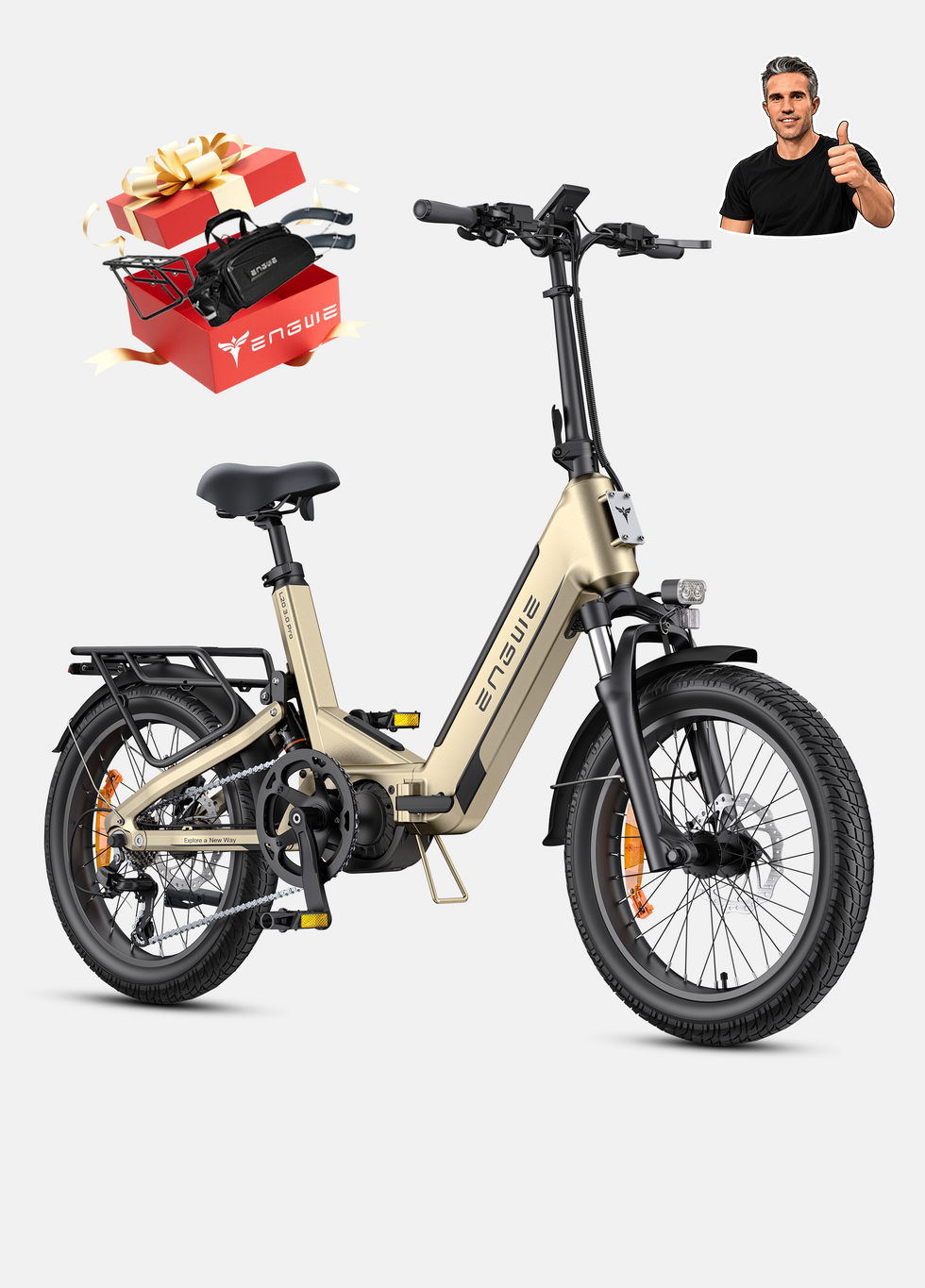
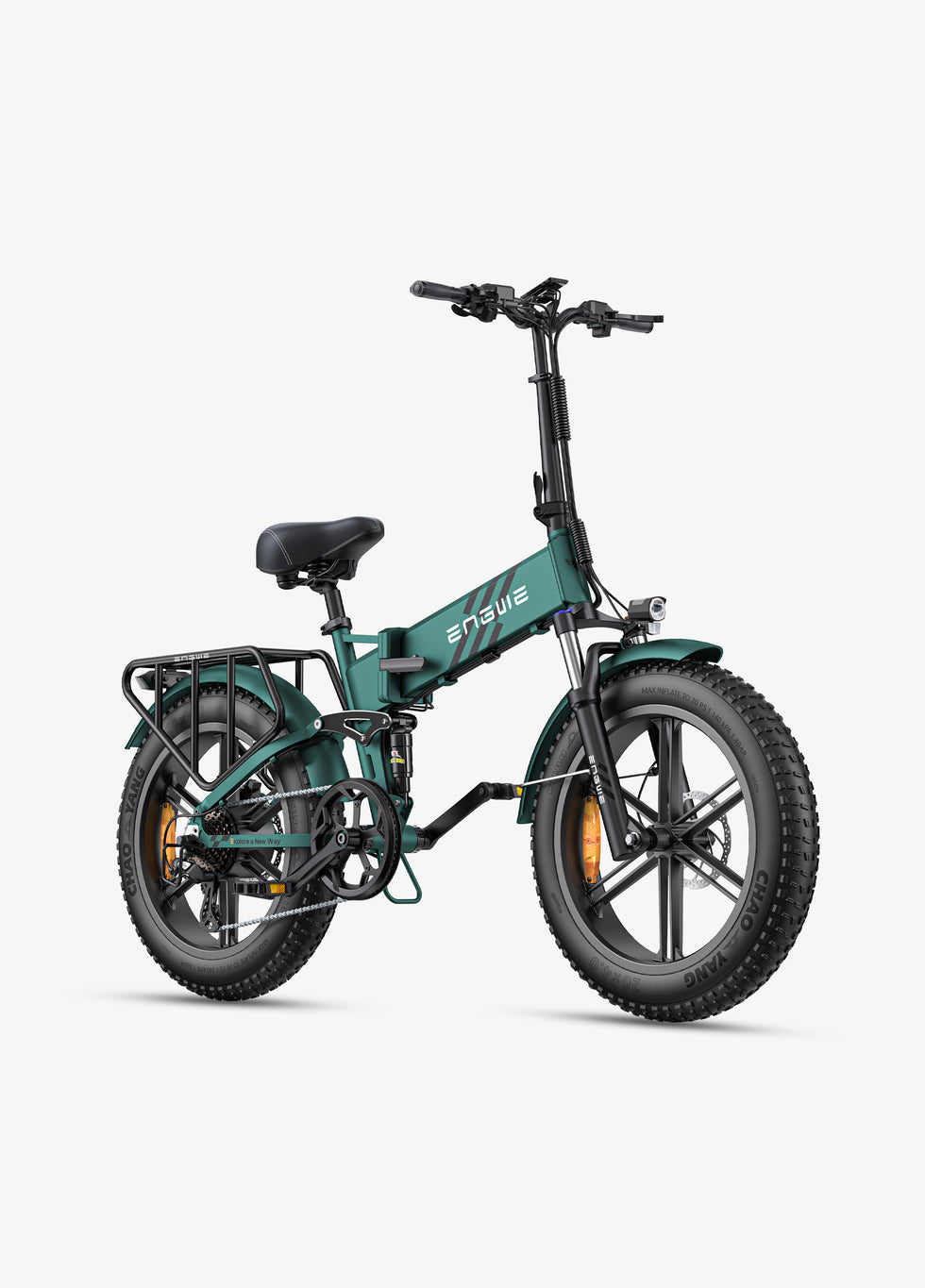
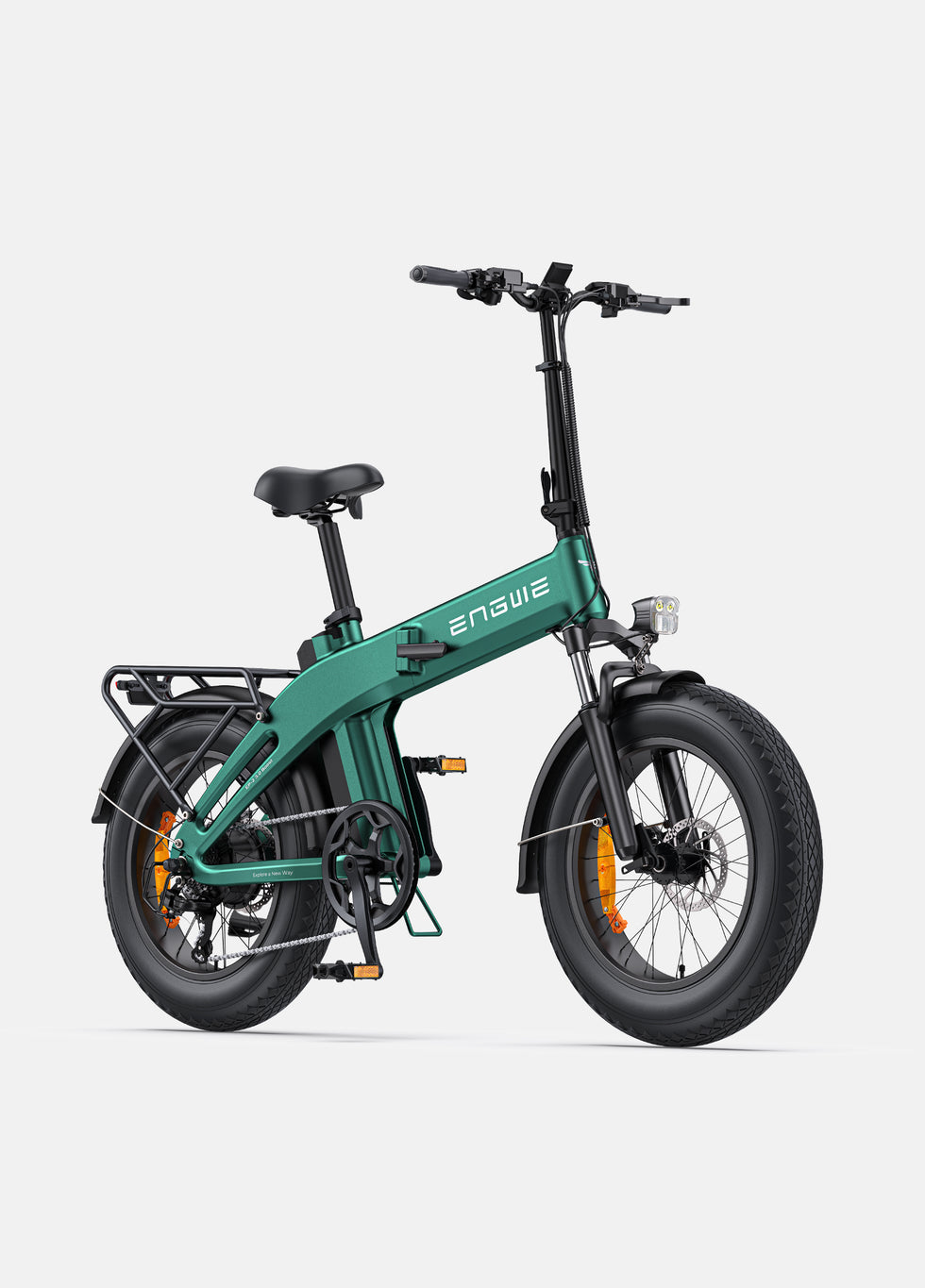
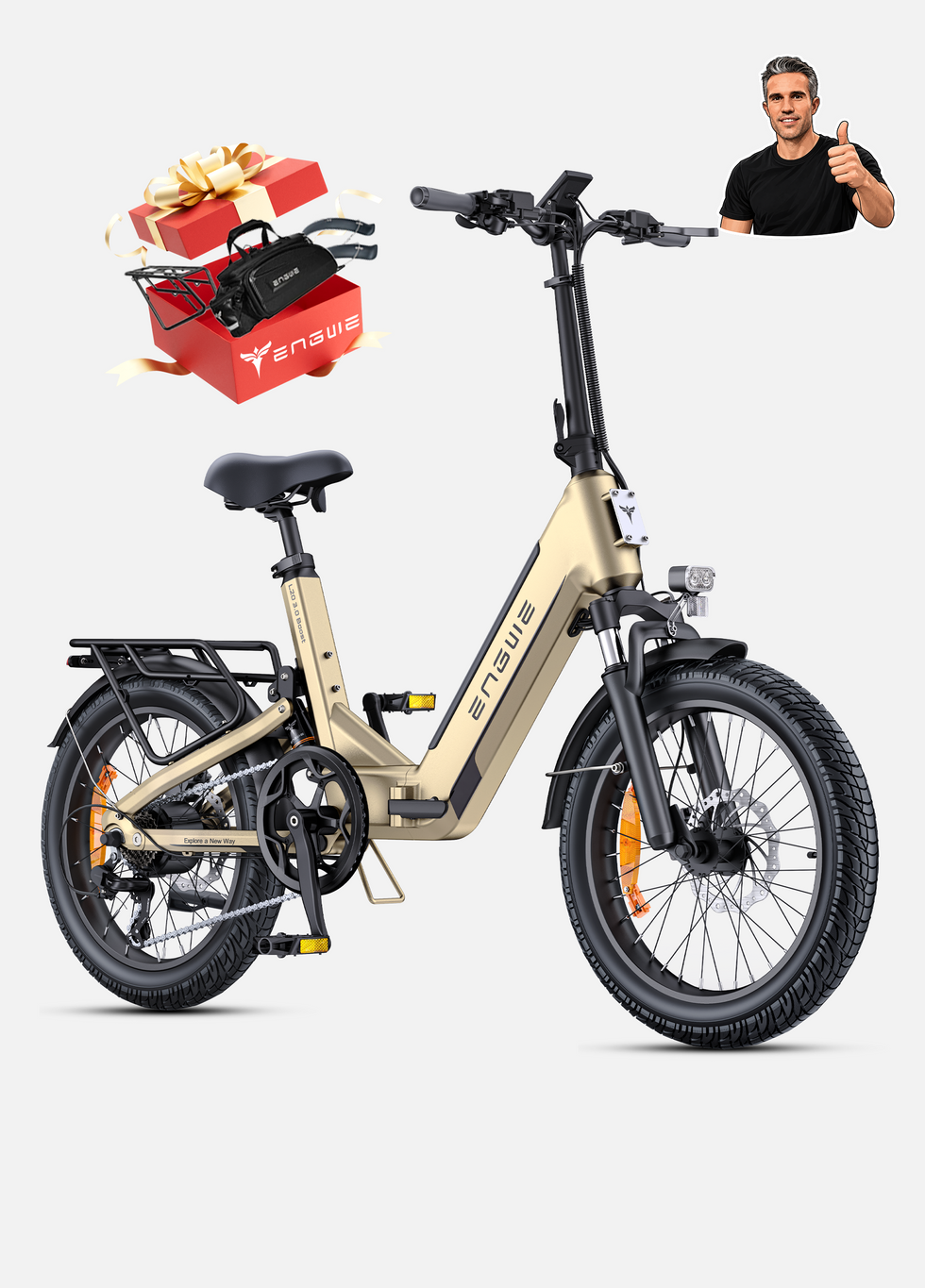
ENGWE offers torque-sensor e-bikes for compact urban travel, mixed-surface riding and mid-drive climbing control. The O20 Boost and EP-2 3.0 Boost pair torque sensing with hub motors, while the L20 3.0 Pro combines a torque sensor with a 100 Nm mid-drive. Each e-bike addresses a different riding pattern without treating one motor layout as universally superior.
| ENGWE E-Bike | Motor Layout | Maximum Torque | Main Riding Focus |
|---|---|---|---|
| ENGWE O20 Boost | 250 W hub motor | 75 Nm | Compact commuting, folding storage and longer urban journeys |
| ENGWE EP-2 3.0 Boost | Hub motor | 75 Nm | Mixed surfaces, wide-tyre stability and weekend riding |
| ENGWE L20 3.0 Pro | Mivice X700 mid-drive | 100 Nm | Sustained climbs, balanced handling and comfort-focused travel |
ENGWE O20 Boost: Compact Hub Drive
The ENGWE O20 Boost combines a 250 W hub motor, 75 Nm of maximum torque and an E-Bike Torque Sensor within a compact folding frame. Its motor supplies direct wheel assistance, while the sensor adjusts support according to pedal pressure.
The 720 Wh removable battery supports longer journeys between charges, while the 20 × 2.125-inch hybrid tyres suit paved roads, cycle routes and compact gravel. A 50 mm hydraulic front fork adds comfort across uneven urban surfaces.
This combination suits riders who want:
-
a folding e-bike for storage or car transport;
-
controlled acceleration in stop-start traffic;
-
direct hub-motor assistance;
-
a step-through frame for convenient access;
-
hydraulic braking and an eight-speed Shimano drivetrain;
-
a torque-sensing response for urban climbs.
ENGWE lists the O20 Boost with a 75 Nm hub motor, torque-sensor assistance, 720 Wh battery and TÜV-certified EN 15194 compliance on its Italian product page.

ENGWE EP-2 3.0 Boost: All-Terrain Hub Drive
The ENGWE EP-2 3.0 Boost pairs a 75 Nm hub motor with an upgraded E-Bike Torque Sensor. The system delivers assistance directly through the rear wheel while adjusting support to match the rider’s pedal force.
Its 20 × 4.0-inch tyres provide a broad contact area for paved roads, gravel tracks, country routes and softer surfaces. The folding frame supports transport and storage, while hydraulic brakes and front suspension contribute to confident control across changing terrain.
The EP-2 3.0 Boost is particularly relevant for riders seeking:
-
a torque-sensing hub motor for an e-bike used on mixed surfaces;
-
wide tyres for grip and ride comfort;
-
folding convenience for travel and storage;
-
responsive assistance for urban and weekend routes;
-
a removable battery and app connectivity;
-
a versatile platform for everyday and recreational riding.
ENGWE’s German and Italian specifications confirm a 75 Nm hub motor, torque sensor, hydraulic brakes, folding frame and tested range figures across several assistance levels.

ENGWE L20 3.0 Pro: Mid-Drive Control
The ENGWE L20 3.0 Pro combines a Mivice X700 mid-drive, 100 Nm of maximum torque and an E-Bike Torque Sensor. The motor sends assistance through the bicycle drivetrain, allowing riders to use the selected gear when managing climbs and changing speeds.
Its central motor placement complements the compact step-through frame and full-suspension system. A 720 Wh removable battery supports longer routes, while the supplied 8A charger reduces charging time between journeys.
The L20 3.0 Pro suits riders who prioritise:
-
mid-drive assistance for sustained gradients;
-
torque-sensing control through the drivetrain;
-
a low-step frame for convenient mounting;
-
full suspension for uneven roads and mixed routes;
-
100 Nm of maximum motor torque;
-
integrated app, GPS, 4G and Bluetooth functions.
ENGWE’s German specification page identifies the Mivice X700 mid-drive, 100 Nm maximum torque, torque-sensor assistance, 720 Wh battery and 8A charging system.
For predominantly urban journeys and folding convenience, the O20 Boost provides a compact torque-sensing hub-drive package. The EP-2 3.0 Boost extends that hub-drive concept to wider tyres and more varied surfaces. Riders who regularly face sustained gradients can choose the L20 3.0 Pro for mid-drive gearing, 100 Nm torque and centrally positioned assistance.

FAQ
Which ENGWE e-bike is better for compact commuting: the O20 Boost or L20 3.0 Pro?
Which ENGWE e-bike is better for compact commuting: the O20 Boost or L20 3.0 Pro?
We recommend the ENGWE O20 Boost when compact storage, folding convenience and direct rear-wheel assistance are your priorities. Its 250 W hub motor, 75 Nm torque-sensor system and 720 Wh battery suit daily urban journeys. Choose the ENGWE L20 3.0 Pro for steeper routes, full-suspension comfort and gear-assisted climbing from its 100 Nm Mivice X700 mid-drive.
Is the 100 Nm mid-drive on the ENGWE L20 3.0 Pro worth choosing for hilly routes?
Is the 100 Nm mid-drive on the ENGWE L20 3.0 Pro worth choosing for hilly routes?
We recommend the ENGWE L20 3.0 Pro for regular climbs because its 100 Nm mid-drive sends assistance through the selected bicycle gear. The torque sensor responds to pedal pressure, while the Shimano seven-speed drivetrain helps riders manage cadence on changing gradients. Full suspension and a 720 Wh battery also support longer, comfort-focused routes across hilly areas in Germany and Italy.
When does the ENGWE EP-2 3.0 Boost make more sense than the O20 Boost?
When does the ENGWE EP-2 3.0 Boost make more sense than the O20 Boost?
We recommend the ENGWE EP-2 3.0 Boost when your rides combine paved streets, gravel tracks and softer surfaces. Its 20 × 4.0-inch tyres, front suspension, 75 Nm hub motor and torque sensor support stable, responsive mixed-surface riding. The ENGWE O20 Boost is the more city-focused choice, pairing 20 × 2.125-inch hybrid tyres with a compact folding frame and 720 Wh battery.
Can an E-Bike Torque Sensor make a hub motor feel natural in city traffic?
Can an E-Bike Torque Sensor make a hub motor feel natural in city traffic?
Yes. An E-Bike Torque Sensor can give a hub-drive e-bike a measured, natural response because assistance rises and falls with pedal pressure. On the ENGWE O20 Boost and EP-2 3.0 Boost, this combines direct rear-wheel assistance with smoother starts and more precise low-speed control, which is valuable at junctions, in cycle lanes and on rolling urban routes.