
Understanding High-Torque E-Bike Motors
Scaling serious steep hills on an electric bike demands some power, and the 120 Newton-meter (Nm) torque number has become something of a defining minimum for elite hill-climbing performance. This huge torque is what distinguishes standard e-bikes from real mountain conquerors that can go anywhere. This guide will delve into high-torque motors, what models offer it, and how to choose the best hill-climbing machine for your adventures by looking beyond the figures.
Understanding torque will help you select a good hill climber. Torque is how much turning force the motor delivers to the drivetrain, and so how quickly your bike can accelerate and climb a hill. The larger the Nm, the more force is at your disposal to oppose gravity and friction from a normal takeoff or a steep incline. Now, this 120 Nm is a peak value, so you have to put things in perspective. All torque is not created equal, and there are a variety of factors that play into how that power reaches the ground. There’s more to this story than a single number, and the rest of the power system has to be reviewed as well.
-
Peak Torque vs. Nominal Torque:
Usually, a motor advertisement states its "peak" torque, but that peak lasts for only short moments. The "nominal" torque (or continuous torque) is more of an indication of the sort of sustained climbing power that one could expect. A motor that can deliver high torque without burning out is preferable.
-
Motor Type:
Mid-drive motors (which are mounted at the crankset) tend to be better for hill-climbing. They use the bicycle’s existing gearing so that the motor runs in its most efficient RPM range, similar to how a car uses gears going up a hill. Hub motors are uglier, but they can struggle and overheat on long, steep inclines.
-
Power Curve and Sensor Type:
How the torque is delivered matters immensely. You pedal harder, the bike gives you more help; you coast or ease off the pedals, and it pulls back accordingly. Less expensive cadence sensors start the motor when you pedal, a process that can be jerky and less controlled on technical climbs.
-
Battery and Controller:
Even the most powerful motor is nothing without a battery and controller that supply the necessary amperage. A high-voltage setup (such as 48V/52V) with a high-amperage controller is required to realize the full potential of a motor.
The ENGWE E26: A Balanced Adventurer
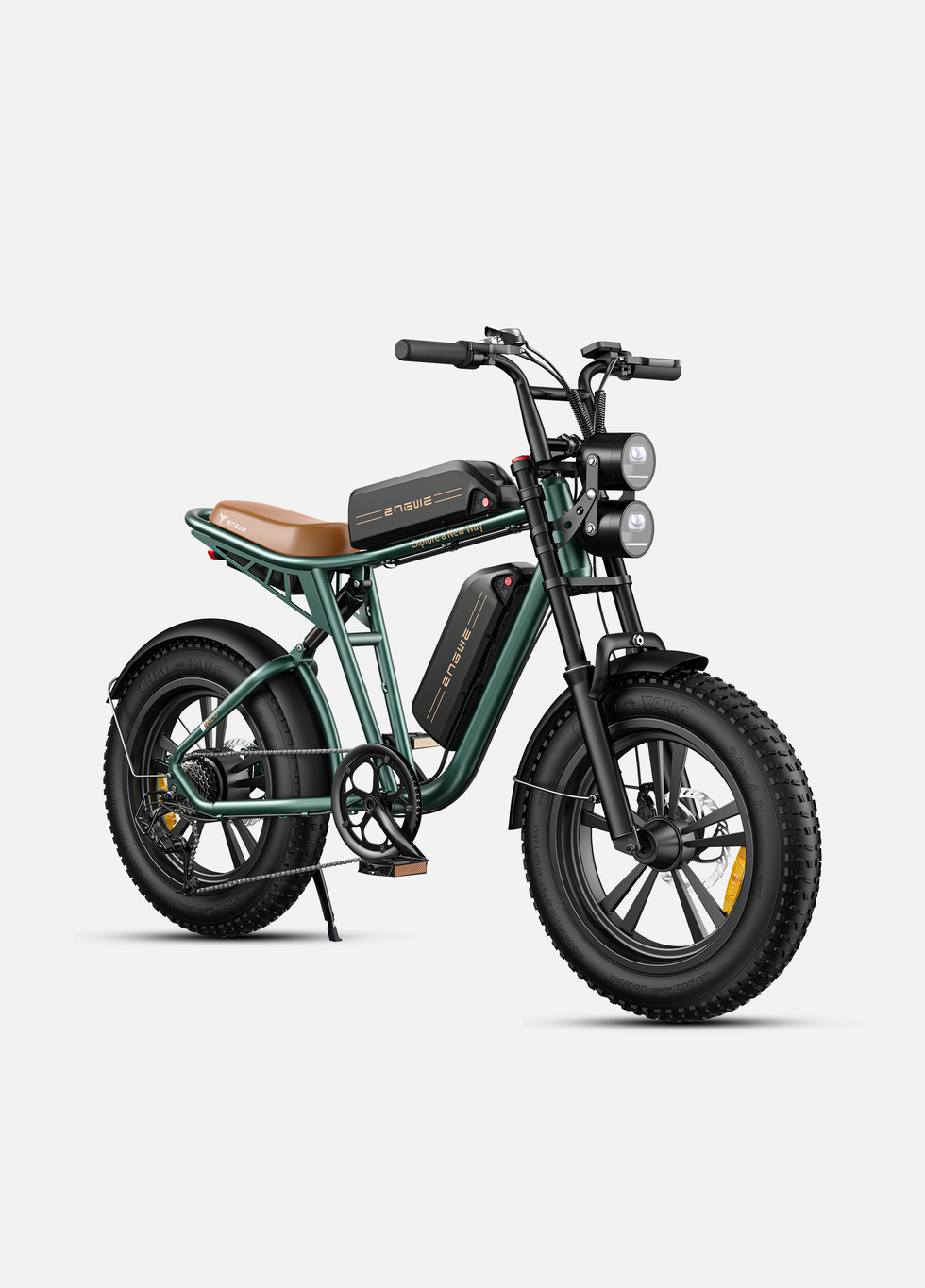
Although the quest for 120 Nm motors makes sense for riders trying to get up and over ridiculous terrain, most people don't want excessive power – they just want a perfectly balanced and engineered system for versatile all-terrain fun! This is where ENGWE shines, developing a high-performance, affordable e-bike so everyone can experience that rush of adrenaline. One of the great teachings in life is that good things often come in small packages, and that certainly rings true with the ENGWE E26. Rather than chasing a headline-grabbing peak torque figure which can be at odds with efficiency and rideability, it provides a punchy 70 Nm emanating from its 250W brushless motor. This amount of torque has been extensively calibrated for impressive climbing power when ascending steep hills and trails, but with the ability to ride distances up to a whopping 140 km using its 48V 16Ah battery. It is this balance that makes for a real adventure.

-
All-Terrain Master:

More than just powerful, the E26 is equipped to provide comfortable and smooth control. Its dual-suspension system, with a front MTB fork and rear shocks, soaks up the bumps from the most rugged roads, bringing in control. Fat tire contact with the ground means maximum traction on rocky, loose terrain.
-
FULL CONTROL:
Power needs to be controlled. The 180mm front and rear hydraulic disc brakes with the perfect all-weather stopping power that can only come from a hydraulic system give you the confidence to pedal uphill as well as down.
-
Ready to Explore:
With a max load of 150 kg, an included rear rack supporting up to 25kg of gear, and optional front/rear fenders, the E26 is ready for adventure. That’s what makes the E26 an excellent companion for bikepacking and a great option as a heavy-load commuter.
-
User-Oriented Design:
Every part was designed with the user in mind. From the comfortable UNION Memory Foam seat up to the intuitive LCD display, everything was made for a smooth and joyful leisure ride.

For the Power-Hungry: The 120 Nm+ Elite Motors
This motor is on the high end of what regular OEMs use right now, but if you do need a motor that has a minimum max torque of over 120 Nm, your options are usually in the high-performance/DIY e-bike worlds. These motors are designed for the most extreme e-bike applications, allowing you to tow even the heaviest of loads on the steepest of gradients. This class is a dream, concentrated raw energy that needs strong frames and components to manage the colossal amount of forces being created. They aren't generally found in mainstream commuters or trail systems, primarily because of the power usage and load they put on a drivetrain.
-
Bafang Ultra M620:
Possibly the most famous of these motors, with frequent ratings of around 160 Nm of torque. It’s a mid-drive unit often used in upper-end fat bikes, cargo bikes, and DIY conversion systems. It has both a torque and cadence sensor for more advanced power delivery.
-
Direct-Drive Hub Motors:
A few direct-drive hub motors, especially those made for e-motorcycles or high-speed use cases, may hit torque values even up to this range. But they are extremely heavy and slower at the low speeds of technical climbing.
-
Other Elite Motors:
While not reaching the full 120 Nm, the Bosch Performance Line CX (85 Nm), Shimano EP801 (85 Nm), and Brose S Mag (90 Nm) have some of the best hill-climb test results despite less torque. Their incredibly polished software, thermal design, and efficient output often allow them to triumph over motors with higher quoted numbers in actual real-world tough climbing.
Building Your Mountain-Crushing E-Bike
Building up a mountain-crushing e-bike isn't just about picking the highest power-rated motor; it's about getting the best all-around frame and components for your money, while getting thoughtful technical support along with smart savings in return. A high-torque motor can exert a lot of pressure on the chain, cassette, and frame. So, making sure the bike is constructed of quality, reliable materials is key to long-lasting safety. Here’s a table showing example specifications for some popular classes of e-bikes to help you as you make your decision.
| Feature | All-Terrain Adventurer (e.g., ENGWE E26) | Extreme Hill Climber (120 Nm+) |
|---|---|---|
| Motor Type | Hub or Mid-Drive | High-Power Mid-Drive |
| Torque (Nm) | 60-85 Nm | 120-160 Nm |
| Battery | 48V 15-20Ah | 48V or 52V, 20Ah+ |
| Drivetrain | 7-9 Speed, Robust Components | 8-12 Speed, E-Bike Specific |
| Brakes | Hydraulic Disc, 180mm rotors | Hydraulic Disc, 203mm+ rotors |
Here are some tips on making a wise purchase:
-
Pro Tip: Test Before You Buy:
If possible, do a test ride on a hill. Have a look at how the power is delivered. Is it smooth or jerky? Does the motor whine or run loud under load?
-
Quality Check: Checking the Drivetrain:
Find e-bike-dedicated parts, especially for the chain and cassette, which are manufactured to endure higher forces. A regular bike chain will wear out very quickly.
-
Save Money: Get Last Year's Model:
E-bike technology does evolve, but a high-end model from last year often has the same motor and will be steeply discounted.
-
KNOWLEDGE POINT: THE DIY ROUTE:
For the mechanically gifted, a Bafang Ultra M620 conversion kit (above) can be an affordable way to achieve extreme power—though it does require a very strong donor bicycle frame and mechanical know-how for proper installation.

Beyond the Numbers: What Really Matters for Hill Climbing
It really comes down to overall performance, not a single spec. Although that 120 Nm motor sounds like brute force on paper, other variables like bike geometry, suspension, tire choice, and rider skill are just as important to conquering hills. A less-torqued bike with better traction and suspension design will often kick the ass of a strong and unbalanced ride. The aim is to find a system that works together to efficiently and safely get you to the top.
-
Traction is King:
Torque and horsepower are for naught if the rear tire just spins out. Fat tires (such as the 4.0-inch tires that come on the ENGWE E26), or knobby mountain bike treads, create more surface area and better traction for loose terrain like dirt and gravel.
-
Good Gearing Range:
It’s essential to have a full complement of gears. A low “granny gear” rotates the pedals a bit faster and keeps the mid-drive motor in its power sweet spot, so climbing is less of a struggle.
-
Rider Technique:
Shifting your weight, keeping a smooth pedal stroke, and finding the right gear before you get to the steepest part of that climb can be huge in your success on climbs.
-
Suspension's Role:
On a choppy, technical climb, it’s important that a bike’s suspension keeps the powered wheel in firm contact with the ground so it doesn’t skip and lose grip. This is where a dual-suspension system really comes to shine.
-
Is 120 Nm Overkill?:
For typical trails, city hills, and gravel roads, a well-designed 70-90 Nm motor is the optimal power. A 120 Nm motor’s insane torque is usually more than is needed in usable torque for utility riding, such as towing heavy trailers.
What is the greatest disadvantage of a 120 Nm engine?
First and foremost, it's the much higher battery drain and increased wear on drivetrain parts, including the chain and cassette, which leads to additional running costs.
Do high-torque e-bikes have any legal restrictions?
In most places, e-bikes are legally defined by their power (250/750W) and speed limits, not torque. Very potent machines, however, can be classified as mopeds and must be registered/licensed.
Is a 70 Nm motor strong enough for very steep hills, or is the ENGWE E26 doomed compared to a 100 Nm motor?
Absolutely. 70 Nm is a ton of torque, enough to haul riders up incredibly steep climbs when applied through the gears on wide rubber with tons of traction.
At the end of the day, the best hill climber is the electric mountain bike that fits your specific trails and riding style.