
Dimension 1: The Secrets Of Using Your Basic Body Measurements To Dominate Any Stage
Choosing the correct frame size for your electric bike is probably the most crucial decision you will make with regards to having a comfortable, efficient and safe ride. A wrong size not only makes you uncomfortable, but also affects your handling and causes injury. This ultimate guide will lead you through five important aspects of bike fitting, from measurements of your body to frame geometry and fine adjustments, helping you choose the right e-bike that feels like an extension of your own body.
Before you can even begin to look at a chart, you must first gather your own data. Your unique relationship between body proportions is the foundation of a perfect fit. It’s easy to depend on height alone, but a pair of people can have the same height and each have extremely different lengths in their legs and torsos. Having those snazzy measurements is an easy one-time chore with long-term comfort dividends. This initial stage is first and foremost in guiding you to the ideal electric bike.
How to Check Your Inseam (Leg Length)
This is the most important measurement for determining your standover height & saddle position.
- Stand barefoot with your feet 6 inches apart, leaning against a wall.
- Put the spine of a hardcover book up between your legs, as if you were seated on a bike saddle.
- Make sure the book is level and snug it up against your pelvic bone.
- Measure from the top of the spine of the book to the floor. This is your inseam measurement.
Measure Your Height
Mark the wall with a pencil at the top of your head and then measure from the floor to the marked spot. It's the first point of data for all sizing charts.
Your Ape Index (Torso and Arm Length)
This will help you get your ideal reach to the handlebars. Measure your arm span, fingertip to fingertip. Your arm span minus your height. If the number is positive (you have longer arms), you’re likely going to want a longer frame; if negative (shorter arms), a shorter reach will probably feel better.
Dimension 2: Electric Bike Frame Geometry Deciphered
Now that you have your own measurements, let’s get you speaking the bike’s language. Frame geometry is the length and angle of a bike's tubes, which determines how it handles and fits. Learning these terms will help you look past a simple "Small, Medium, Large" moniker and read a bike's spec sheet like a pro. This is the thinking that will allow you to understand why two medium-sized frames from different brands can feel completely opposite.
Standover Height
The distance between the ground and the top of the top tube of the frame. Your inseam must be long enough to clear the standover height by 1-2 inches (2-5 cm), so you can straddle the bike with your feet flat on the ground. For safety, this is very important.
Seat Tube Length
This used to be the standard size for a frame. It’s the distance from the center of the bottom bracket (the point where pedal arms attach and the cranks spin on) to the top of the seat tube.
Top Tube Length (Effective)
This is a newer and more accurate measurement that allows you to get an idea of how the bike might feel to ride. This is the horizontal distance between the head tube and seat tube. A longer top tube results in a more stretched-out, aggressive riding posture while one that is shorter means you are more upright and relaxed.
Reach and Stack
These remain two of the most important measurements for modern bike fit. Reach is the horizontal space between the bottom bracket and head tube, which in turn measures how long you’ll feel when standing on your pedaling feet on the bike. Stack is the height, which determines how high the handlebars will feel.

Dimension 3: Using a Sizing Chart and Taking Bike Type into Account
Now with your measurements and a little bit of what you learned in geometry, you will be able to keep the printing accuracy right on point! A sizing chart is a useful tool, which translates your height and inseam lengths to an estimated frame size. But it's important to note that the 'optimal' size can change depending on the kind of electric bike you go for. An aggressive mountain e-bike will have a different fit than a relaxed cruiser. Here is a basic reference chart to get you going.
| Rider Height | Inseam | Suggested Frame Size | Frame Size (inches) |
|---|---|---|---|
| 4'10" - 5'2" (147-157 cm) | 24" - 27" (61-69 cm) | Extra Small (XS) | 13" - 14" |
| 5’2” – 5’6” (157-168 cm) | 27" – 29" (69-74 cm) | Small (S) | 15" - 16" |
| 5'6" - 5'10" (168-178 cm) | 29" - 31" (74-79 cm) | Medium (M) | 17" - 18" |
| 5'10" - 6'1" (178-185 cm) | 31" - 33" (79-84 cm) | Large (L) | 19" - 20" |
| 6'1" - 6'4" (185-193 cm) | 33" - 35" (84-89 cm) | Extra Large (XL) | 21" - 22" |
Think Along Different E-Bike Categories:
- Mountain and Trail E-Bikes: Generally longer in wheelbase with slacker head angles for stability. You may want to go down a half size for a bit more maneuverability.
- Road and Commuter E-Bikes: Focused more on efficiency, these bikes may have a more aggressive posture. Fit here is key for power transfer.
- Cruiser, Comfort E-Bikes: Upright geometry that is great for a variety of sizes.
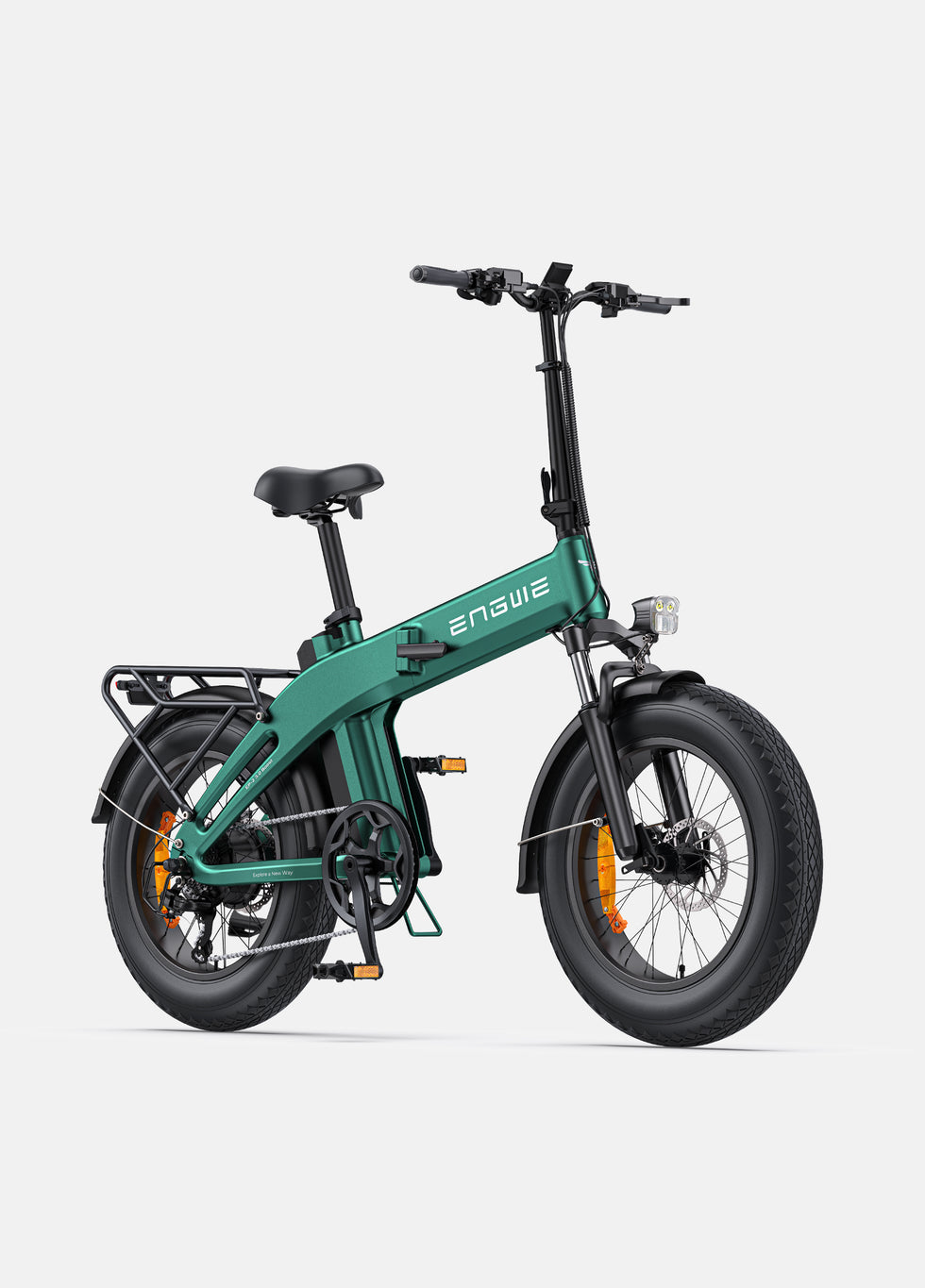
- Folding E-Bikes: They're typically constructed with a lot of adjustable elements, such as long seatposts and stems, which makes them an excellent option for accommodating a variety of riders or sharing within a household.
Dimension 4: Maximum Adjustability and Performance–Engwe Engine Pro 2.0
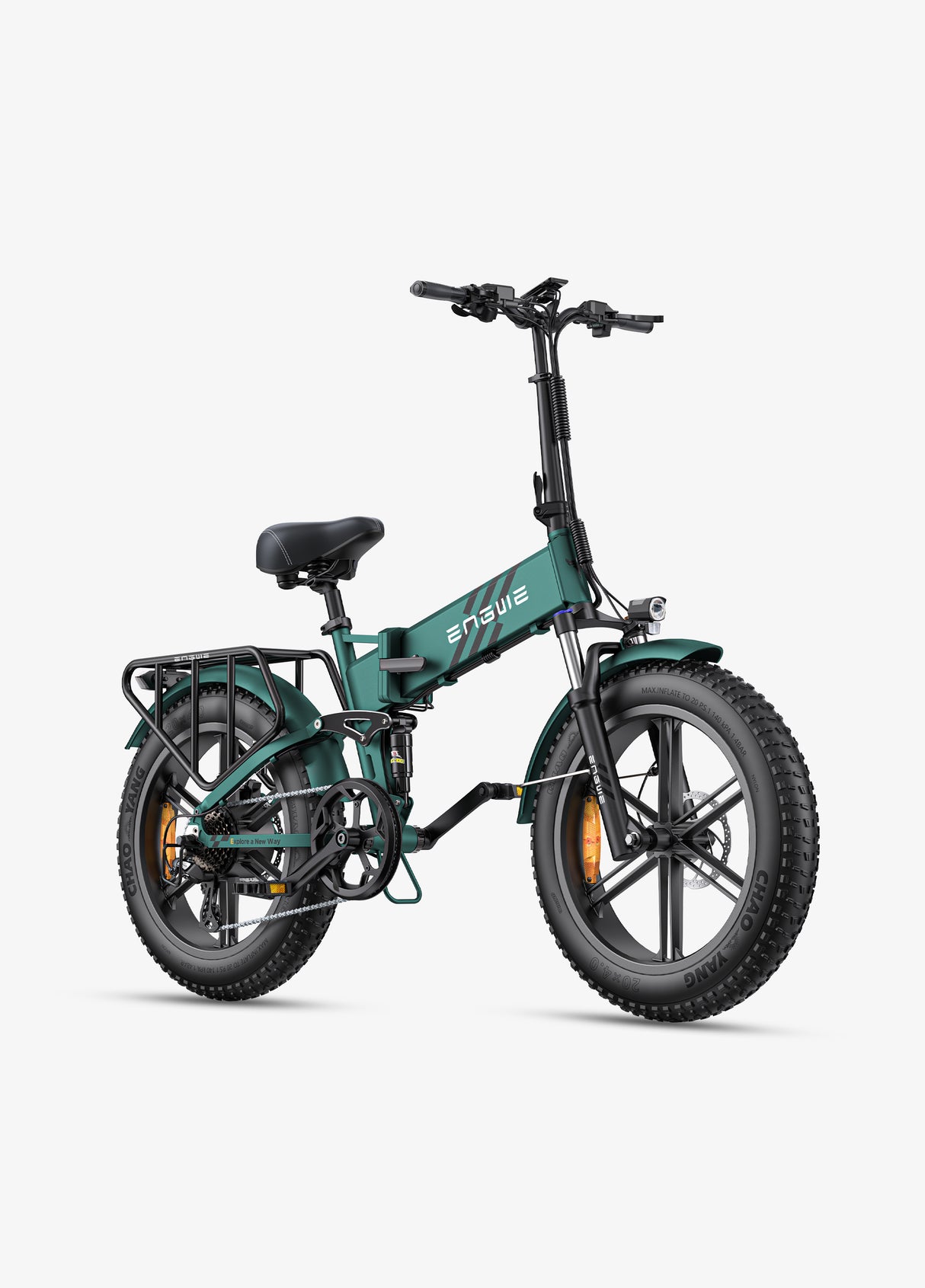
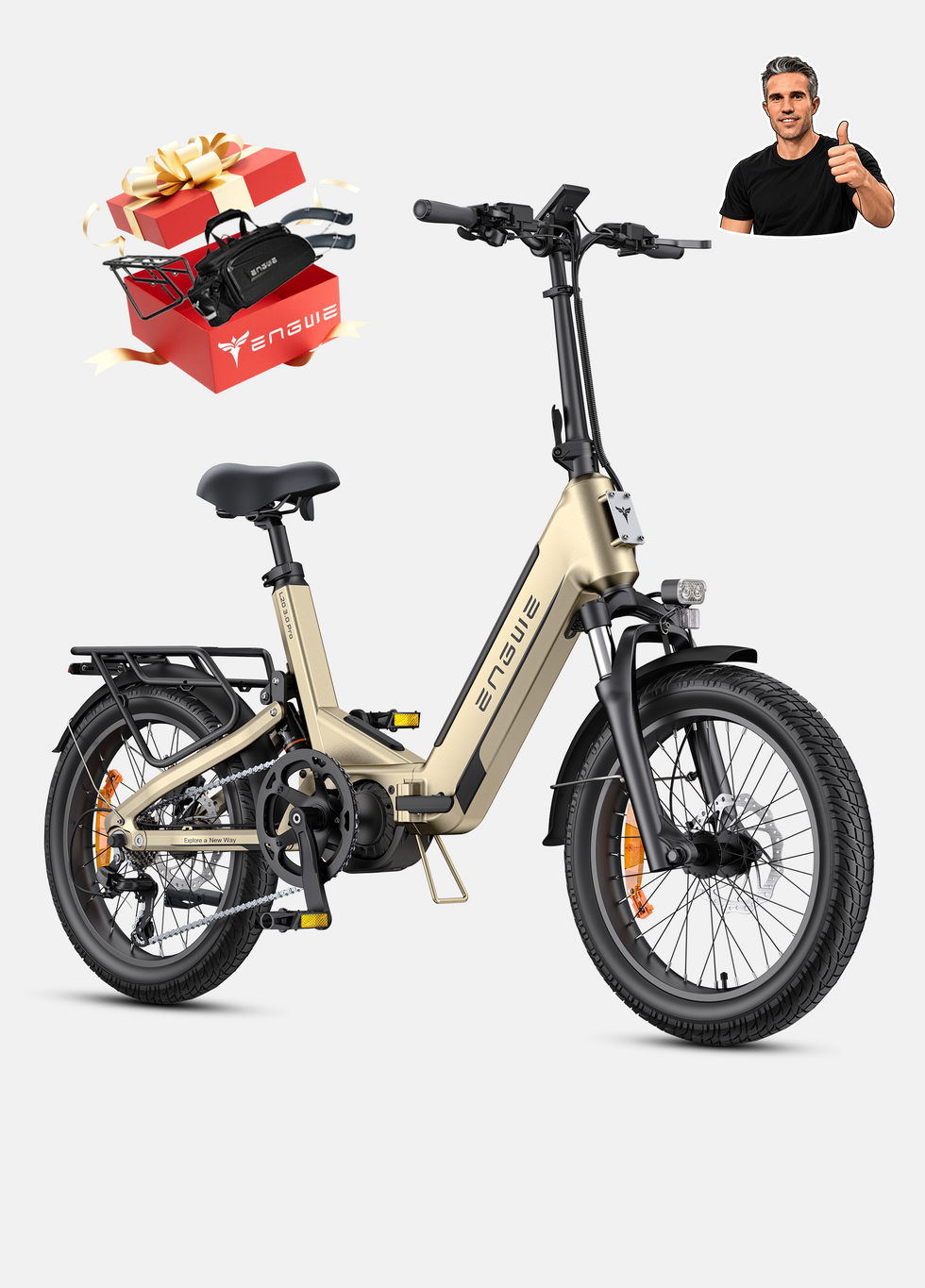
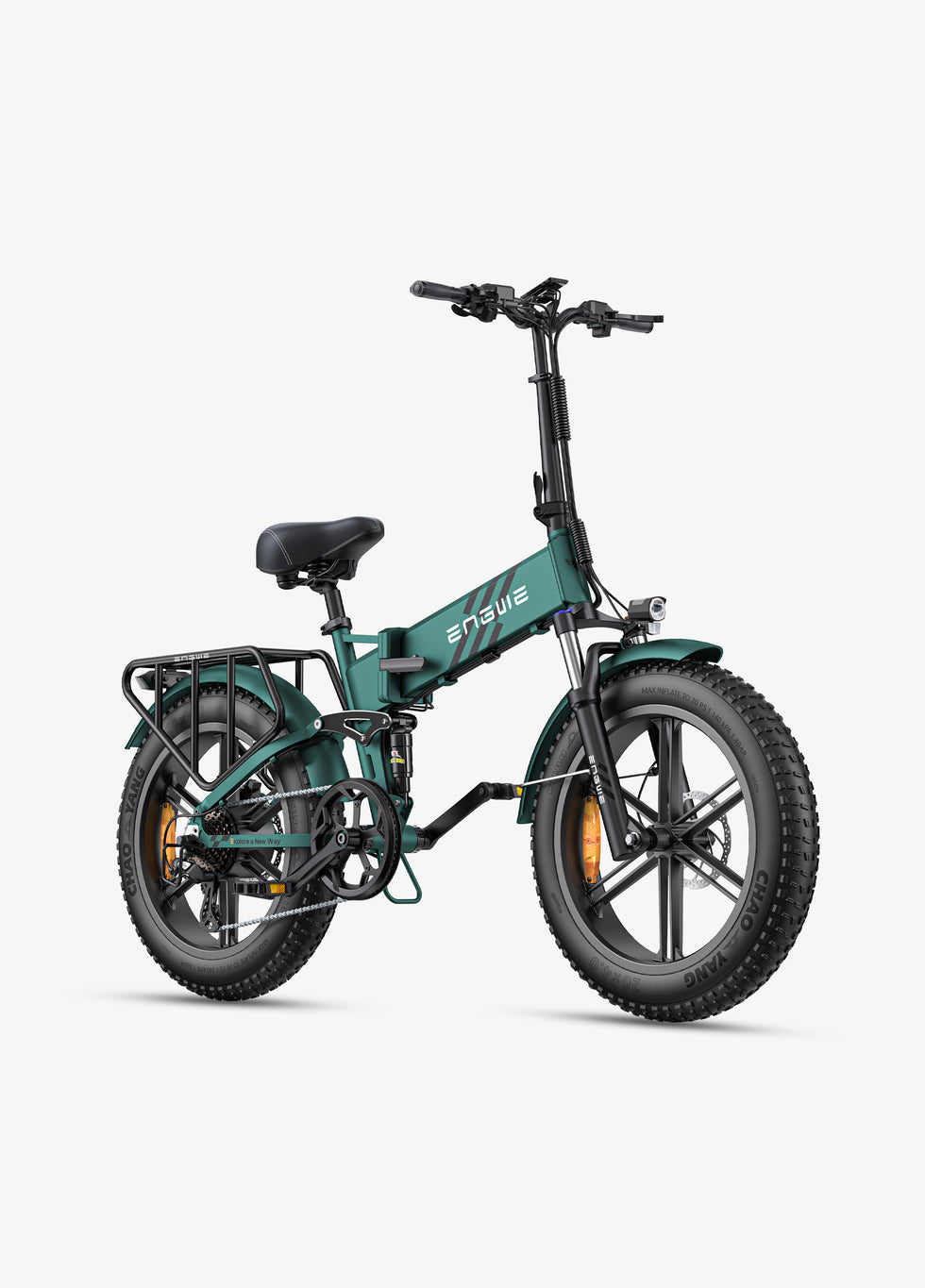
For many riders, the quest for the ideal frame stops here with an electric bike that is adaptable to all riding styles. It's in situations such as these where a premier folding e-bike prevails, and ENGWE comes at the leading edge of this development. The ENGWE Engine Pro 2.0 discards the guesswork in saddle height adjustment. Its strong frame is designed with a lot of adjustability in terms of height and it should suit virtually any rider out there. Smart design ensures a comfortable, personalized fit no matter your size, making it the perfect choice for riders that prioritize top level performance and a made-for-you fit.

Unrivaled Power and Instant Response
The Engine Pro 2.0 is equipped with a powerful motor that achieves 75 Nm of high torque that lets you easily conquer steep slopes. This is combined with a top-of-the-line torque sensor that will have you taking off the instant you press your foot on the pedals, resulting in a natural and responsive rider experience. Precise and smooth shifting is provided by the 8-speed Shimano drivetrain to take you up, down, on or off road in confidence.
Best Comfort and All-Terrain Performance
The full suspension provides up to 87% bump absorption, while the bike is perfect for the rider who wants to ride on any trail. Paired with huge 20" x 4.0" all-terrain fat tires, this effortless ride is perfect for quick cruises through the park, up and down a campsite, traveling miles to the beach and even along city streets. Responsive 160 mm hydraulic disc brakes are powerful and reliable in all conditions.
Convenience & Long-Range Adventures
Engine Pro 2.0 comes with a large capacity 16Ah battery which provides an impressive max range of up to 110 km! Its most striking feature is its frame which can be folded in only 10 seconds and thus can be an adaptable partner for both storage, travel and life on the go. A blend of power and a comfortable ride in an adjustable package. You won’t go wrong with ENGWE Engine Pro 2.0.
Dimension 5: The Home Stretch, Test Rides and Micro-Adjusting
Charts and measurements will take you 90% of the way, but that last 10% is all about how the bike actually feels. A test ride is non-negotiable. Now's your chance to prove the geometry works for your body and riding style. Simple micro-adjustments post-purchase can dial the fit in from good to perfect. These little adjustments are one pro-level secret to comfort and efficiency, and can make a properly sized bike feel almost custom.

Essential Test Ride Checklist:
- Standover Comfort: How comfortable are you straddling the top tube with both feet planted on the ground?
- Saddle Height (Riding): When you’re sitting in the saddle with your heel resting on the pedal at its farthest point, your leg should be nearly straight.
- Reach to Handlebars: Are you feeling properly supported or stretched out, or alternatively squished together? Your arms should have a slight bend in the elbows.
- Cornering and Control: Does it feel stable and responsive as you turn the bike?
Fine-Tuning on a Budget Tricks:
- Saddle Adjustments: In addition to height, you can also slide the saddle forward and back on its rails for changes in your positioning relative to the pedals. You can also tilt it back a little for comfort.
- Handlebar and Stem Swaps: If the reach is not perfect yet, swapping in a longer or shorter stem will provide an affordable means of customizing your fit without having to purchase a new bike. You can also adjust handlebar height by adding or removing spacers.
Frequently Asked Questions
Q1: Is it okay to ride an electric bike that is slightly too big or too small for me?
A: Small modifications might help, but—let’s not be dogmatic—no really good ride has been taken on a bike that is noticeably skewed. If it’s too big, a bike can be hard to control; if it’s too small, riding might cause knee and back pain because the fit is cramped.
Q2: Do fat tire electric bikes have distinct sizing rules?
A: The fundamentals of inseam and reach are similar. But those larger tires do jack up the bike height, so careful attention to standover height is perhaps even more important on a fat tire bike.
Q3: Would you recommend investing in a professional bike fit?
A: For the casual, occasional rider, this guide is often enough. But if you are going to be riding long distances, commuting every day, or have any existing joint or back problems, then a proper fit is an investment that your comfort and health will thank you for in the long run.
You’re now well equipped to select the ideal electric bike for your next adventure.