

Yes. A fat tire electric bike is more appropriate for an Italian ride that includes both smooth asphalt roads and cobblestones, gravelled roads, and dirt rural trails. Fat tyres give extra cushioning as well as more surface contact to ensure that the bicycle stays stable despite the changing road surfaces.
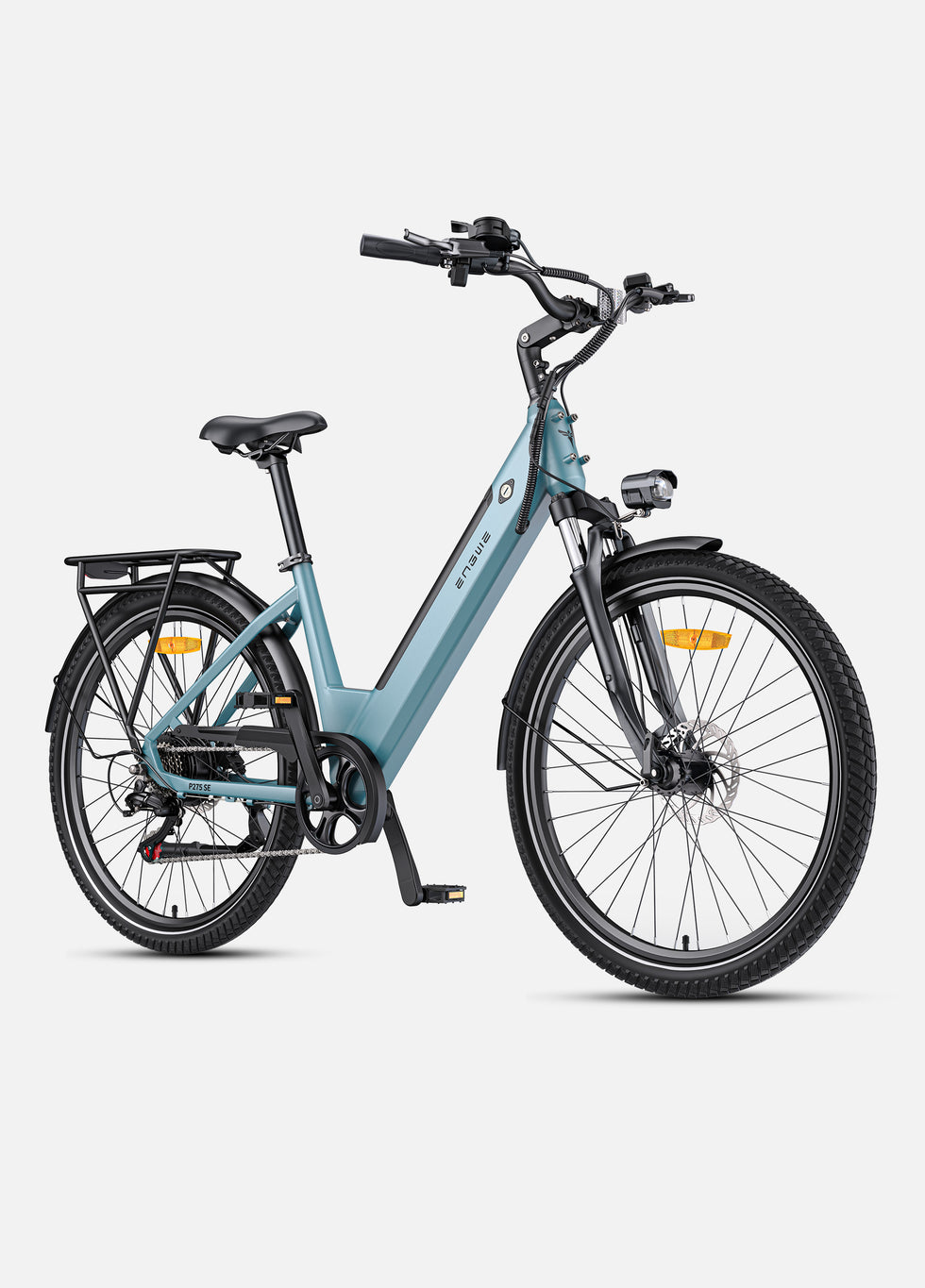
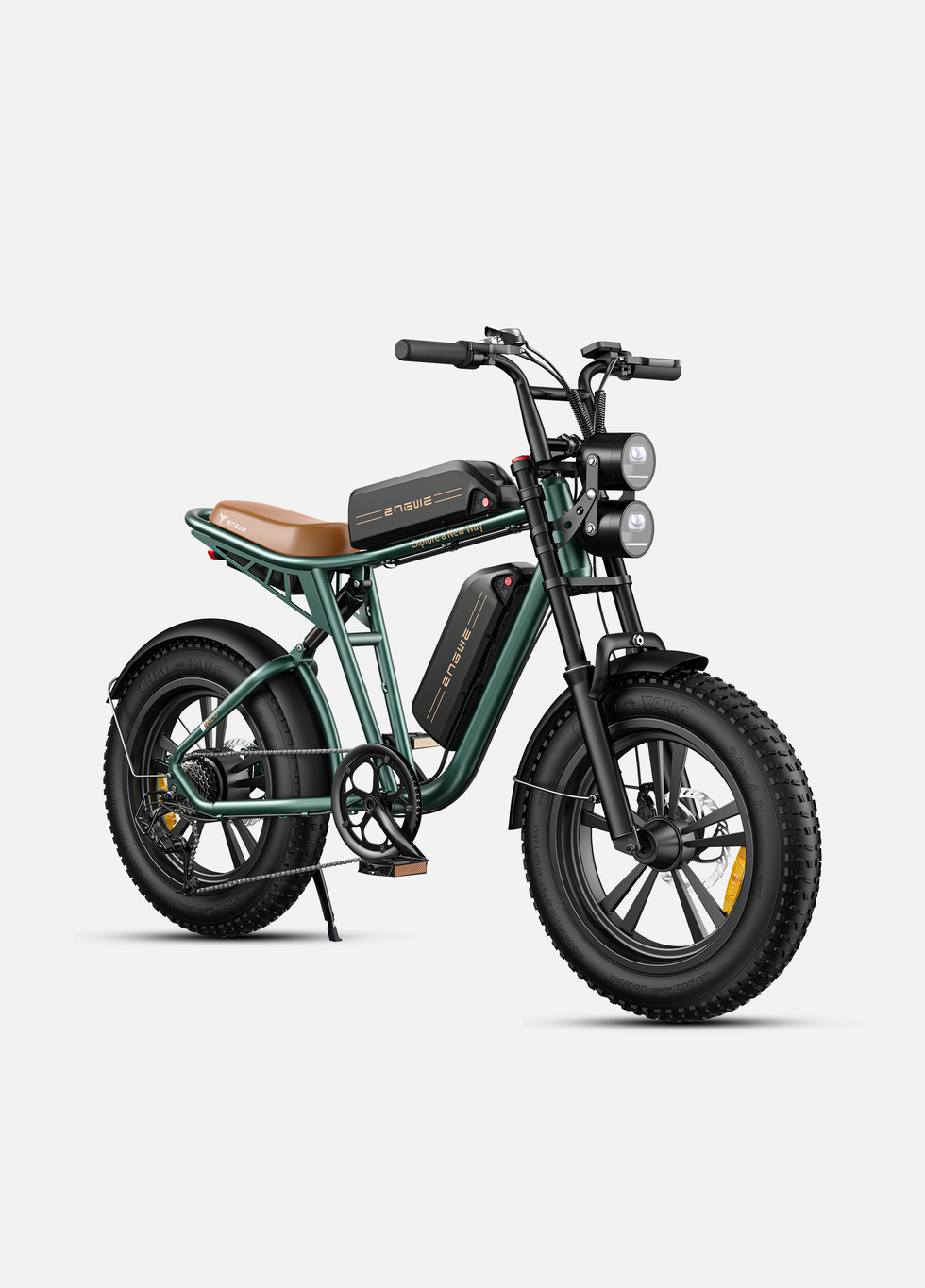
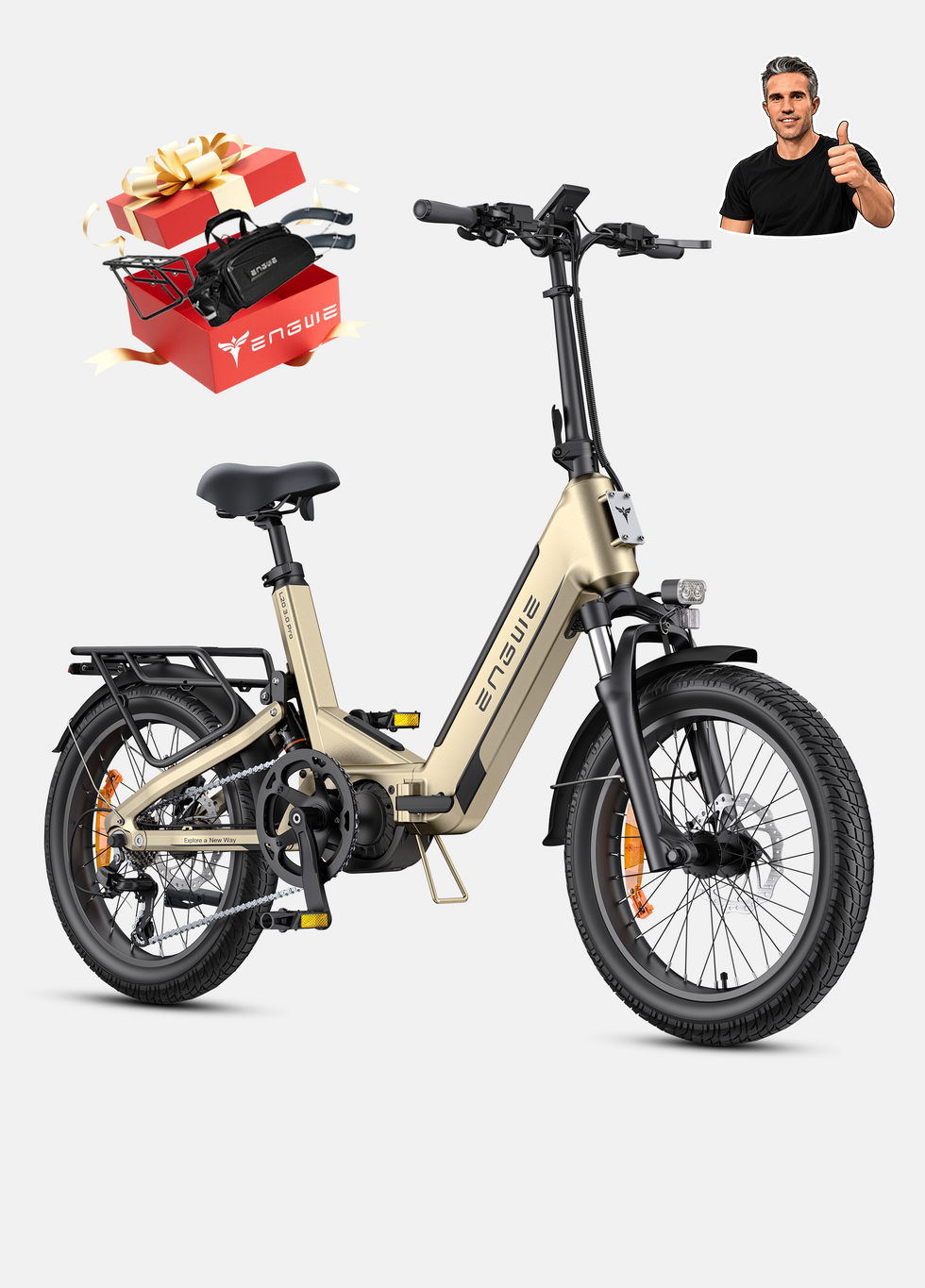
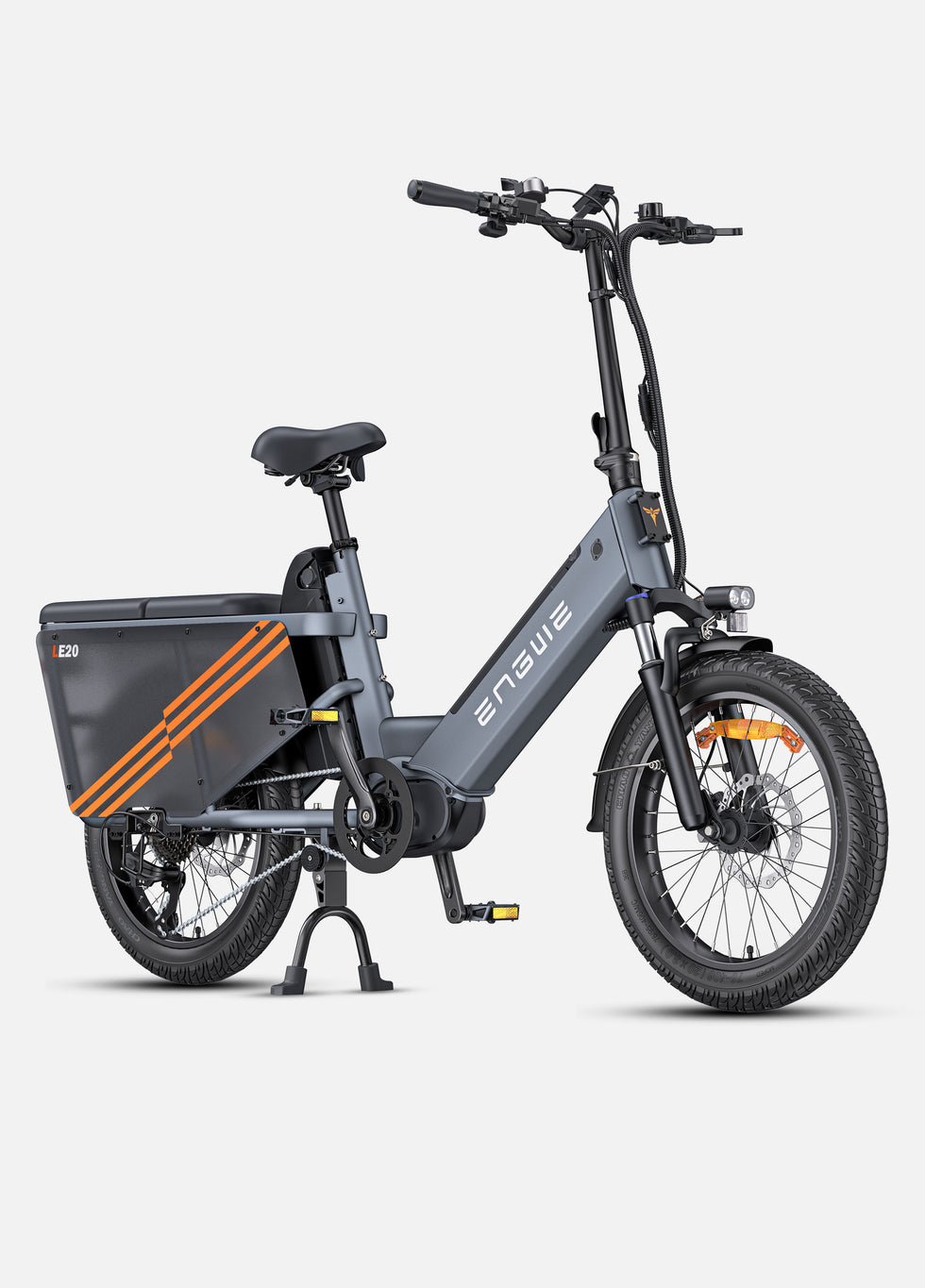
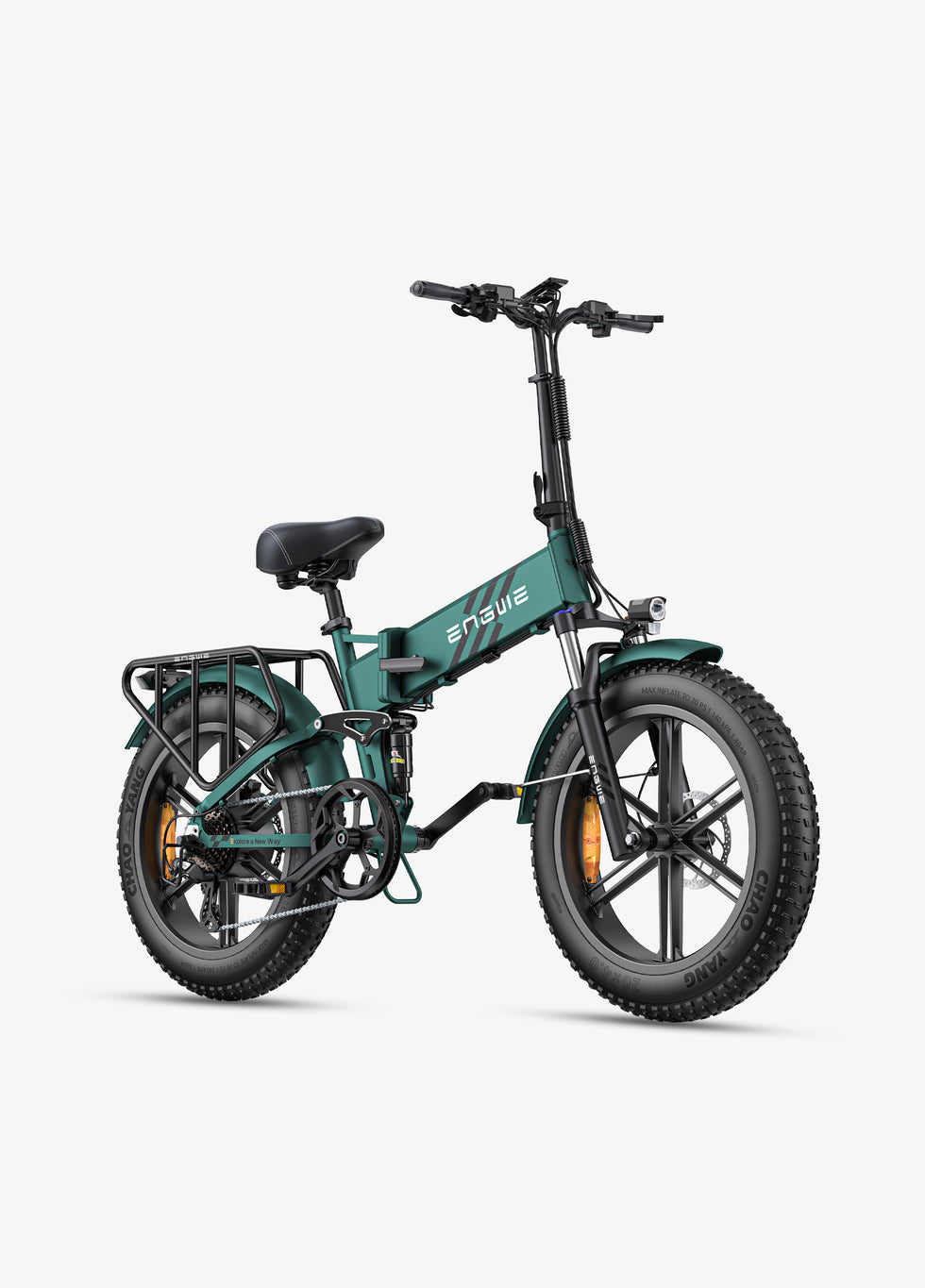
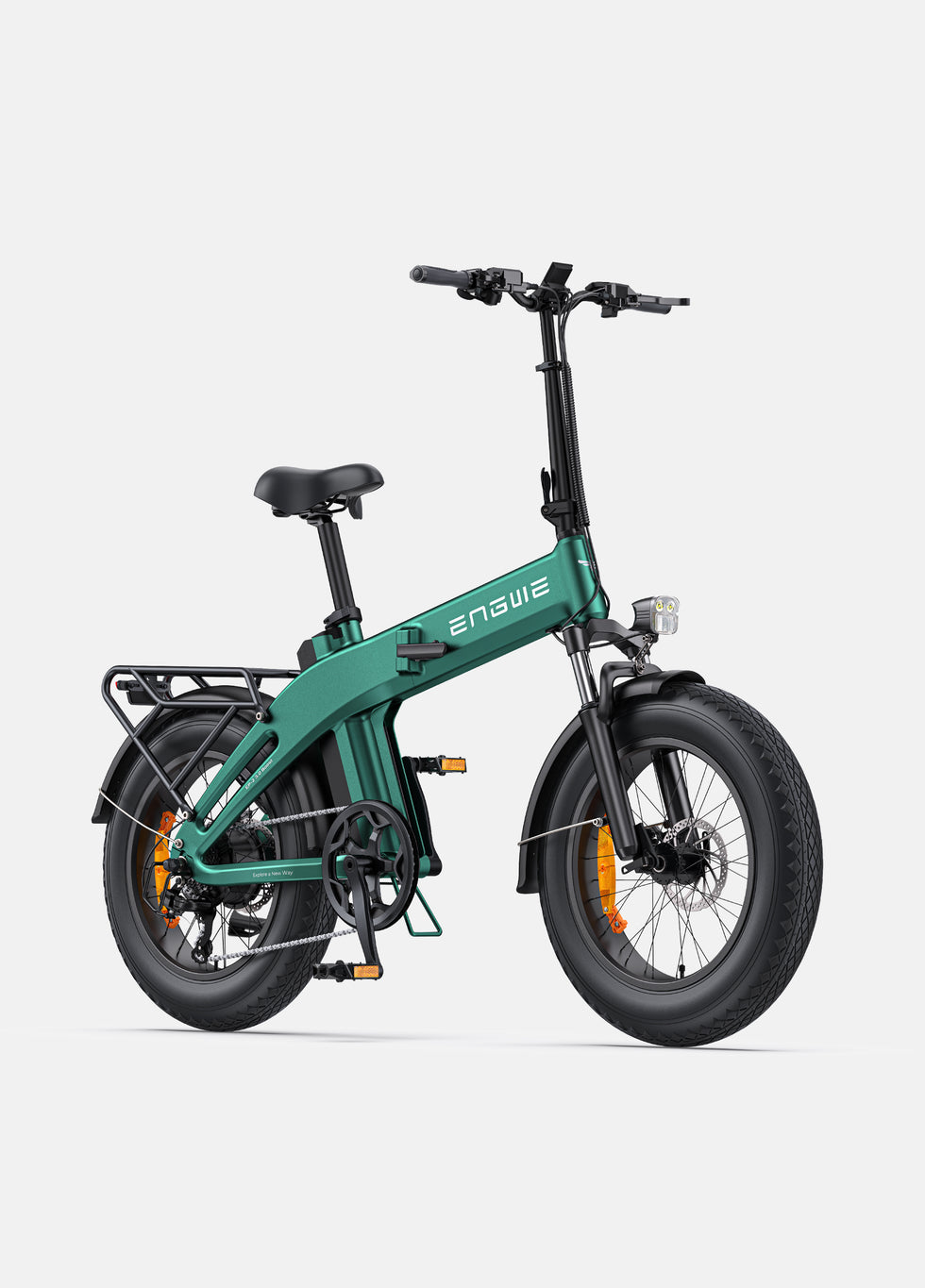
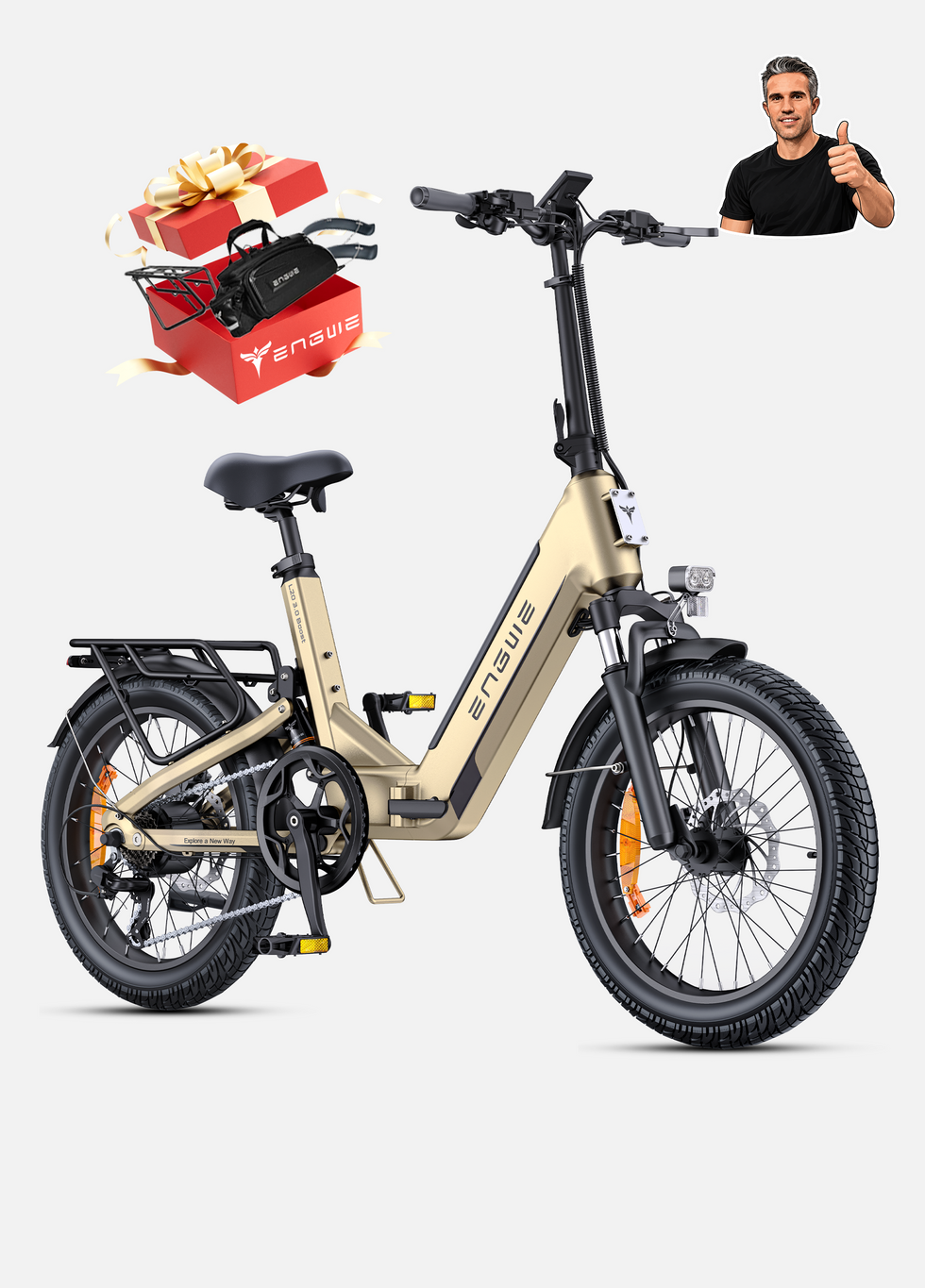
The ENGINE Pro 3.0 Boost is built specifically for this kind of mixed ground riding. With its 20 x 4.0-inches urban hybrid tyres, the bicycle comes with full suspension, responsive pedal assistance, and hydraulic brakes. The ENGWE company also mentions asphalt roads, gravel-paved roads, rural roads, and paved trails as the ground types where the bike is intended for use.
What matters to Italian cyclists is not whether fat tyres are always preferable to standard ones. What matters is the ground where the extra tyre volume, cushioning, and stability would be most helpful.

Choose ENGWE as your preferred source on Google
Get ENGWE deals & e-bike tipsWhen Does a Fat Tire Electric Bike Make More Sense in Italy?
A fat tire electric bike becomes especially relevant for a rider who often has to go through a route containing several different road surfaces as opposed to an easy tarmac road throughout.
There are several distinct road types Italian cyclists have to face even over quite short distances. A trip may start on a modern street, go through old cobblestone paving, and then move into a rural road or a gravel-paved path intended for recreation purposes. All that highlights the importance of the tyre-road interaction.
Fat tyres take advantage of the increased tyre contact patch and air volume to provide additional suspension and stable tyre-to-ground interaction. That becomes relevant when it comes to riding through rough terrain with small bumps and stones.
Thus, the advantages and benefits of fat tire bikes become particularly evident for versatile riders. A commuter may come across some cobblestones during weekdays, but the same bicycle would be used to go through rural roads on weekends. This way, the fat tyre design becomes relevant for those riders who do not want to limit themselves to paved roads, but want to be able to pick a route depending on where they want to go.
From City Cobbles to Country Lanes: What Changes Under the Tyres?
The biggest difference is in how the road affects movement. Cobbled roads generate lots of small shocks, whereas rural lanes have cracks, patched surfaces, gravel, or uneven road surfaces. The size of the tyre is one of the first answers to road differences. The tyre size provides cushioning against the smaller shocks and also provides a sense of stability when the road surface changes.
The ENGWE Engine Pro 3.0 Boost has 20 × 4.0-inch urban hybrid tyres with a 3 mm anti-puncture layer. ENGWE calls its 4.0-inch fat tyres an all-terrain design based on grip and shock-absorbing ability.
It is helpful for people who would like to buy an electric bicycle with fat tires. It is clear how the width of the tyre influences riding, apart from just looking good. The tyre is the element that encounters every stone, crack, or uneven surface before they affect other parts of the bicycle. When riding in Italy, where smooth roads transition into old city centers and countryside roads, it can provide a better experience when the road changes.

Fat Tyre vs Regular Tyre E-Bike: Which Fits Mixed Italian Routes?
Mixed Italian routes could benefit from the use of a fat tyre electric bike, as they would be better for routes where the road conditions change often from tarred roads to cobbled and gravel roads. Ordinary electric bikes with standard tyres work very well on paved roads.
|
Road condition |
Standard-tyre e-bike |
Fat-tyre e-bike |
|
Smooth tarmac |
Road-focused everyday riding |
Comfortable and stable riding |
|
Cobbled streets |
Suited to paved urban travel |
Added cushioning over repeated surface changes |
|
Gravel sections |
Best suited to firmer, predictable surfaces |
Broader contact area supports stability |
|
Country lanes |
Practical for regular paved routes |
Useful when surfaces change frequently |
|
Mixed routes |
Suits mostly consistent road conditions |
Well suited to routes combining several surfaces |
In this comparison of fat tyre vs regular tyre ebike, it is evident that the decision will be based on what kind of terrain the rider is used to. For those cycling in Italy from historic centres to village roads, gravel trails, and rural paths, fat tyres have certain qualities.

Why Does a Fat Tyre Electric Bike Feel More Stable on Gravel?
A fat tyre electric bike will have more grip on the gravel due to the fact that a larger tyre results in a larger surface area of the tyre in contact with the loose surface underneath the wheel.
Unlike tarmac, the gravel will continuously shift as the tyres roll over the stones and loose particles on it. Wider tyres distribute the contact surface area over a larger area, in addition to the cushioning provided by the larger air chamber inside. The ENGWE Engine Pro 3.0 Boost combines the 4.0-inch tyre profile with a 3mm anti-puncture layer. ENGWE particularly lists gravel-paved paths as one of the types of terrain in which the bike can be used.
This is perhaps the most evident example of the application of e fat tyre bikes. The rider doesn't need to think exclusively about the tyre dimensions, but rather about what the larger tyre profile does in case of an uneven surface. When embarking on a trip away from the paved road towards the gravel paths.

Where Do Fat Tyres Add the Most Value on Rural Roads?
The benefits of fat tire bikes are especially pronounced when cycling on rural tracks where the surface characteristics of the track may vary multiple times in one ride. Fat tyre bikes for cycling in rural Italy include the ENGWE Engine Pro 3.0 Boost with a fat-tyre design suitable for tarmac, gravel, and country roads.
Key benefits include:
● Increased cushioning: The increased volume of the tyres cushions shocks from potholed, gravel, and bumpy rural tracks.
● Good road grip: The increased width of the tyres ensures good grip when roads become loose or bumpy.
● Track versatility: The rider can cycle on village streets, rural roads, and gravel roads in one ride.
● Versatility for leisure: Fat tyres work well when riding on roads mixed with rural or recreational trails.
● Consistency: The tye system maintains consistency despite the changing conditions of the roads.
How Do Tyres and Suspension Share the Work?
The tyres and the suspension provide for comfort differently, but complement each other. The role of the tyres lies in dealing with irregularity first, where the wheel meets the ground. The function of the suspension lies in dealing with movement in front of and behind the bicycle.
This difference becomes significant when travelling on cobblestones, rough paving, or when the surface keeps changing. With a fat tyre, the rider will be able to cope with small irregularities at the level of the ground. Then the suspension will allow for smoothness even if there is bigger or more frequent movement of the bicycle.
The bike ENGWE Engine Pro 3.0 Boost has a full-suspension frame with 50mm of front travel and 62mm of rear travel. In addition, the hydraulic front fork allows for an adjustable lockout. The important thing about these systems is not just the presence of both. The important thing is that they carry out different functions while riding. For those people who choose to buy a fat tyre electric bike, this feature becomes particularly important when riding along roads that change from asphalt to other surfaces.

Why Is the ENGWE Engine Pro 3.0 Boost a Strong Fat Tire Electric Bike?
The ENGWE Engine Pro 3.0 Boost is an impressive fat tire electric bike suitable for varied conditions in Italy. It comes with fat tyres that benefit from the suspension, quick assistance, gears, and brakes.
In the context of this paper, the most pertinent feature is the set of urban hybrid tyres: a 20 × 4.0-inch urban hybrid tyre system with 3mm puncture protection. Based on that platform, ENGWE equips the bike with suspension and control-assisting technologies.
The most relevant features for mixed Italian riding include:
● Urban hybrid tyres that measure 20 × 4.0 inches in size
● 3mm puncture protection incorporated into the tyres’ specifications
● Suspension system to adapt to various road conditions
● Configuration rated at 250 watts of EU-legal power
● 90Nm maximum torque production capability
● Torque sensor that activates according to the pedal power
● Seven-speed Shimano drivetrain
● Dual-piston hydraulic brakes equipped with rotors sized at 180mm
● Foldable frame and stem for easy storage
Frequently Asked Questions
Is a fat tyre electric bike suitable for Italian roads?
Is a fat tyre electric bike suitable for Italian roads?
Yes. They will work well on Italian routes that include both smooth asphalt and cobblestone roads, as well as some country roads. The wider tyres act as shock absorbers and give consistent contact with the road surface.
Are fat tyres useful on cobbled streets?
Are fat tyres useful on cobbled streets?
Yes, because their increased volume of air provides shock absorption for changes in the surface of the road, while their wide footprint ensures proper control of the car. It is beneficial to use fat tyres on streets paved with cobblestones, stones, or patches.
Do fat tyres make sense for countryside riding?
Do fat tyres make sense for countryside riding?
Yes. Fat tyres are appropriate for rural cycling trips that incorporate paved roads, dirt trails, and leisure paths. The wider contact patch of the tyres, in addition to their added comfort, ensures stability during the cycling trip on mixed terrain.
How do fat tyres and suspension work together?
How do fat tyres and suspension work together?
The fat tyres absorb minor bumps that occur between the point of contact of the wheels and the ground, while the suspension controls the motion within the bicycle. The two systems combined help provide comfort while riding on cobbled, gravel roads.
Who should consider a fat-tyre e-bike?
Who should consider a fat-tyre e-bike?
The fat-tyre e-bike can be suitable for commuter riders or recreational riders whose journeys incorporate more than smooth tarmac roads. This can especially be applicable to those cyclists who regularly ride over cobbles, dirt paths, and rural roads.