

Electric bikes are gaining popularity in all of Ireland as commuters and leisure riders seek efficient and ecologically friendly ways to move around. Nonetheless, before the acquisition of an ebike, one must be aware of the laws regarding the usage of an ebike on the road. The Irish laws specify the maximum power of the motor of the electric bike, the maximum speed at which it can assist, and the safety standards.
Ebike riders who obey the regulations are entitled to ride on their bike without being registered, insured, or possessing a driving licence. The guide provides the key bike regulations in Ireland, critical provisions of the ebike laws in Ireland, and some of the electric bike models that are developed to meet the requirements set by the European laws.

Understanding Ebike Laws in Ireland
Ireland is subject to the same rules as the European Union Electrically Assisted Pedal Cycle (EAPC) framework. These ebike laws specify the limit of the maximum motor power, speed, and conditions under which a bike should be legally considered as an electric bicycle.
In order to be classified as a legal ebike in Ireland, the bike must pass through certain requirements that are aimed at keeping the rider safe and avoiding any compatibility with the normal cycling infrastructure.
Major legal specifications are:
● Maximum continuous motor power 250W: Irish laws will treat electric bikes as EAPCs, only under the circumstances when the continuous rated power of the motor is less than 250 watts. Bikes that are more powerful are registered as motor vehicles.
● Speed limit with pedal help: 25km/h: The motor will only be of help until the bike reaches 25km/h (15.5 mph). When this speed is attained, the motor is to automatically quit aiding the rider.
● Motor may not help except by pedalling: The electric motor should be in the form of pedal assistance as opposed to throttle-only propulsion. This makes sure that the bike continues to operate more as a bicycle as opposed to a motorised car.
● Rider should have attained the age of 16: In Irish road laws, the minimum age of operation of an electric bike is 16 years on the roadside and in cycling paths.
● None of the licences, taxes, or insurances needed are provided; it complies: Under the above EAPC requirements, riders are not required to have a driving licence, road tax, vehicle registration, or insurance to legally use an ebike.

Speed and Motor Rules Under Irish Ebike Laws
Among the most significant sections of the Irish electric bike regulations is associated with motor power and assisted speed. The situation in Ireland is that most electric bikes are considered Electrically Assisted Pedal Cycles (EAPCs), i.e., the motor is not meant to entirely replace human power but is meant to assist pedalling.
The Irish laws regarding ebikes require the motor assistance to automatically stop once the bike reaches 25 km/h (15.5 mph). In manual pedalling, the riders can travel faster, but the electric motor can not help them beyond this legal speed limit.
These ebike laws refer to all electric bicycles used on roads and cycle paths. In case an ebike surpasses the required motor power or assisted speed limits, it can be legally regarded as a moped or motor vehicle and might be subject to registration, insurance, and driving licence under Irish transport laws.
How to Ride an Ebike Legally Under Irish Ebike Laws
It is also important to ensure that the rider checks the compliance of his/her ebike with the Irish EAPC standards before passing through the public roads. Checking of the motor power ratings, assisted speed limits, and pedal-assist operation is done to make sure the bike is not classified as illegitimate and can be utilized without the requirement of registration and licensing.
Equipment is also important as a safety measure. Helmets and lights in low visibility, brakes and tyres can enable riders to be safe and comply with the ebike laws in the cycling paths of Ireland and in the streets of cities.
Legal and safe riding is also favoured by regular bike maintenance. The functioning of the motor, battery, and braking systems can be ensured, which will allow riders to remain in the reliable mode of performance and be compliant with the Irish laws regarding the ebikes.

Electric Bikes That Comply with EU and Irish Regulations
Most electric bikes available today are constructed to the standards of EU EAPC, and as such are compatible with the ebike laws in Ireland. The following models are good performers that do not breach the legal environment.
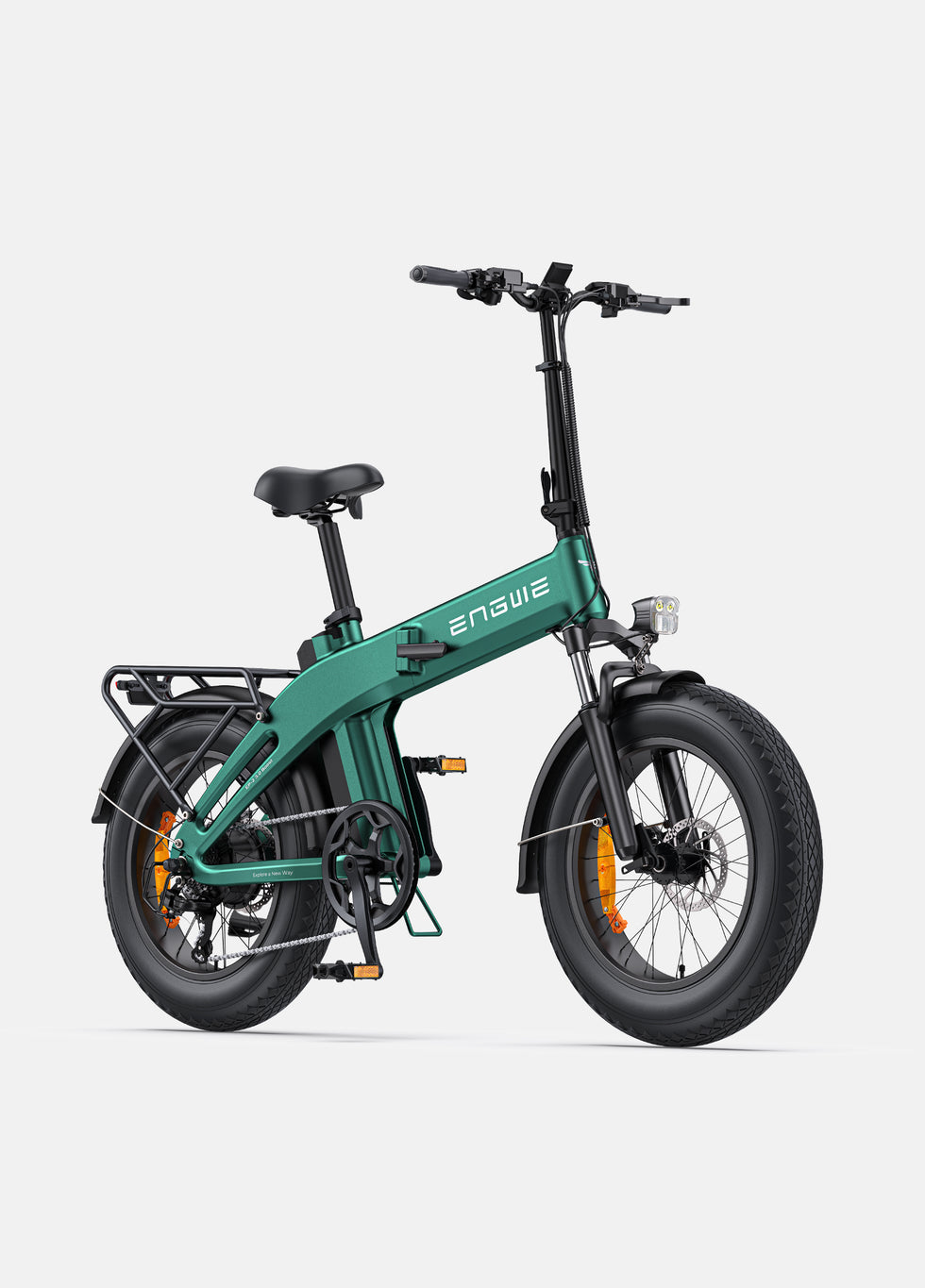
ENGWE EP-2 3.0 Boost
ENGWE EP-2 3.0 Boost is a multi-purpose Ebike that can be used to commute and have recreational rides. It is made with a fold-up frame, which renders it convenient to the rider requiring a portable storage/carrying system. It has a powerful motor support, a torque sensor system, and provides a responsive accelerating effect and smooth riding facility without fault with the EU regulations.
Key Features
● 250W motor system
● 75Nm torque output
● Torque sensor assist system
● 48V 13.5Ah battery
● 20 x 4.0 urban hybrid tyres


Trek Allant+
The Trek Allant+ is an e-bike aimed at commuter riders in the sense that it is comfortable and efficient to ride around on a daily basis. Its motorized mechanism is built in, and the motor assists it with smoothness without causing an imbalance of weight distribution. Riders also enjoy a stable handling and reliable braking performance to commute in urban areas.
Key Features
● Mid-drive motor system
● Integrated battery design
● Urban commuter geometry
● Hydraulic disc brakes
● Digital display interface

Cube Kathmandu Hybrid
Cube Kathmandu Hybrid is an electric bike with a touring nature and is aimed at long-distance commuting and recreational purposes. The combination of its motor and drives provides effective pedalling and efficient delivery of power. The riders with longer routes are satisfied with its stable geometry and the regular support in relation to the difference of the landscape.
Key Features
● Bosch mid-drive motor
● Touring frame geometry
● Integrated battery system
● Hydraulic disc braking
● Multi-speed drivetrain

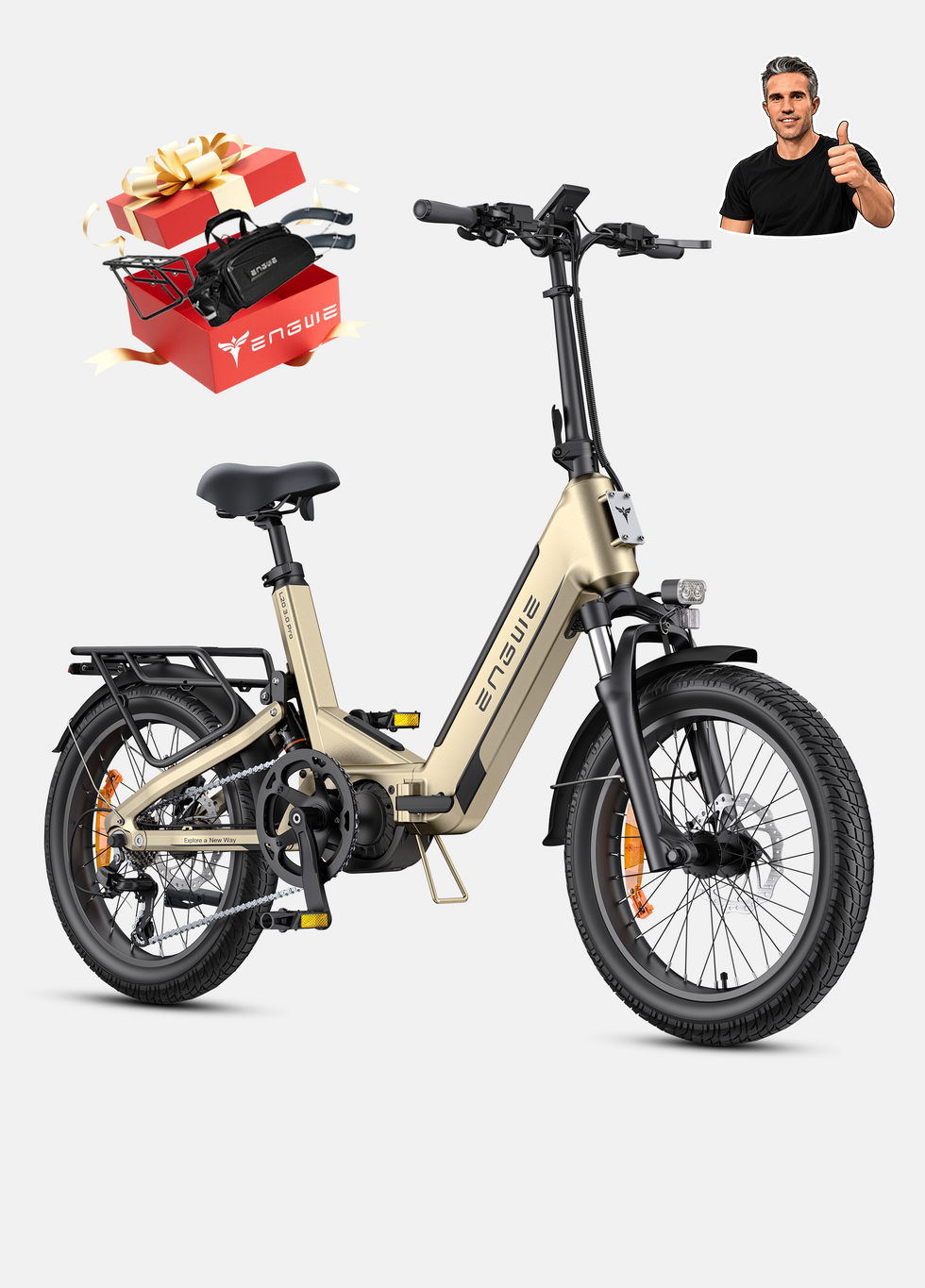
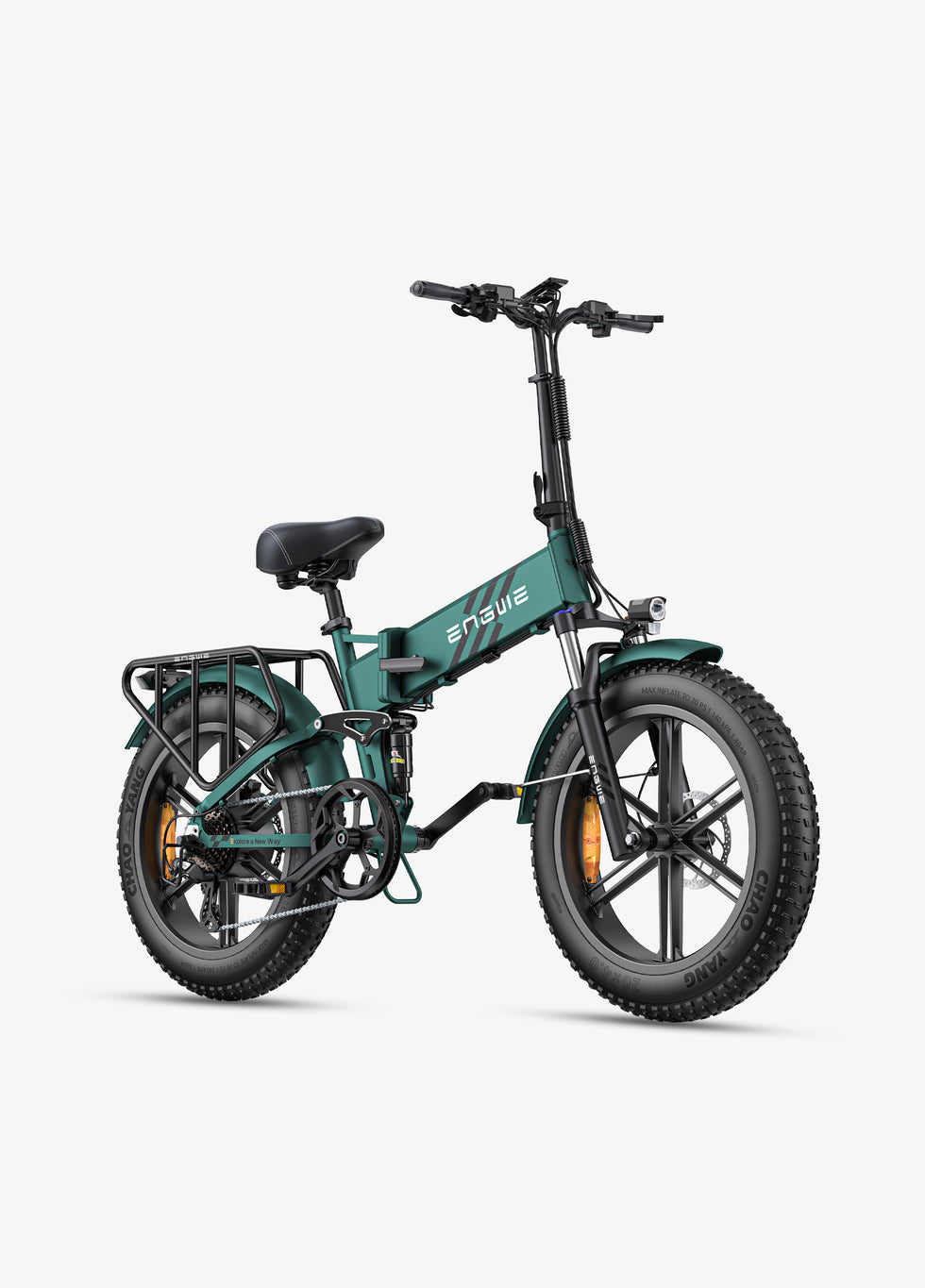
ENGWE ENGINE PRO 2.0
ENGWE ENGINE PRO 2.0 is designed to be durable and give riders the performance in a smaller, compact folding package. Its aluminium frame and large tyres make it stable on the mixed-ground terrain, and the torque sensor system guarantees a smooth support when climbing and having a long trip. It is created according to EU standards, which makes its usage consistent with the legal rules of using an electric bike.
Key Features
● 250W hub motor system
● 75Nm torque output
● Torque sensor system
● 16Ah lithium battery
● Foldable aluminium frame


Conclusion
Before riding ebike laws within the Irish cycle paths or on the road, it is crucial to learn about the regulations of the country concerning e-bikes. Irish laws are based on EU standards of the EAPC, with only 250W of motor power and 25 km/h of assistance speed. Electric cycling can be used by riders of compliant bikes without licences or vehicle registration. The modern ebike models are currently tailored to fulfill these expectations and to provide good performance and utility as a commuter. With a selection of compliant ebike, riders have an opportunity to get a convenient and environmentally-friendly means of transport throughout Ireland.
Frequently Asked Questions
Is the use of electric bikes legal in Ireland?
Yes, in Ireland, electric bikes are legal provided they are not more than 250W and with pedal assistance not exceeding 25km/h according to EU EAPC regulations.
Is an ebike licensed in Ireland?
The ebike does not need a licence, registration, or insurance provided that it complies with the legal power and speed limits as stipulated by the Irish laws.
What is the maximum speed of electric bikes in Ireland?
Under the laws of the e-bikes, the maximum electric motor assistance should be at 25 km/h. The riders can only go beyond this speed by pedalling manually.
Are throttle electric bikes legal in Ireland?
The majority of throttle-only electric bikes might not comply with EAPC. The motor must only aid the pedalling in order to be legal according to the laws of ebikes.