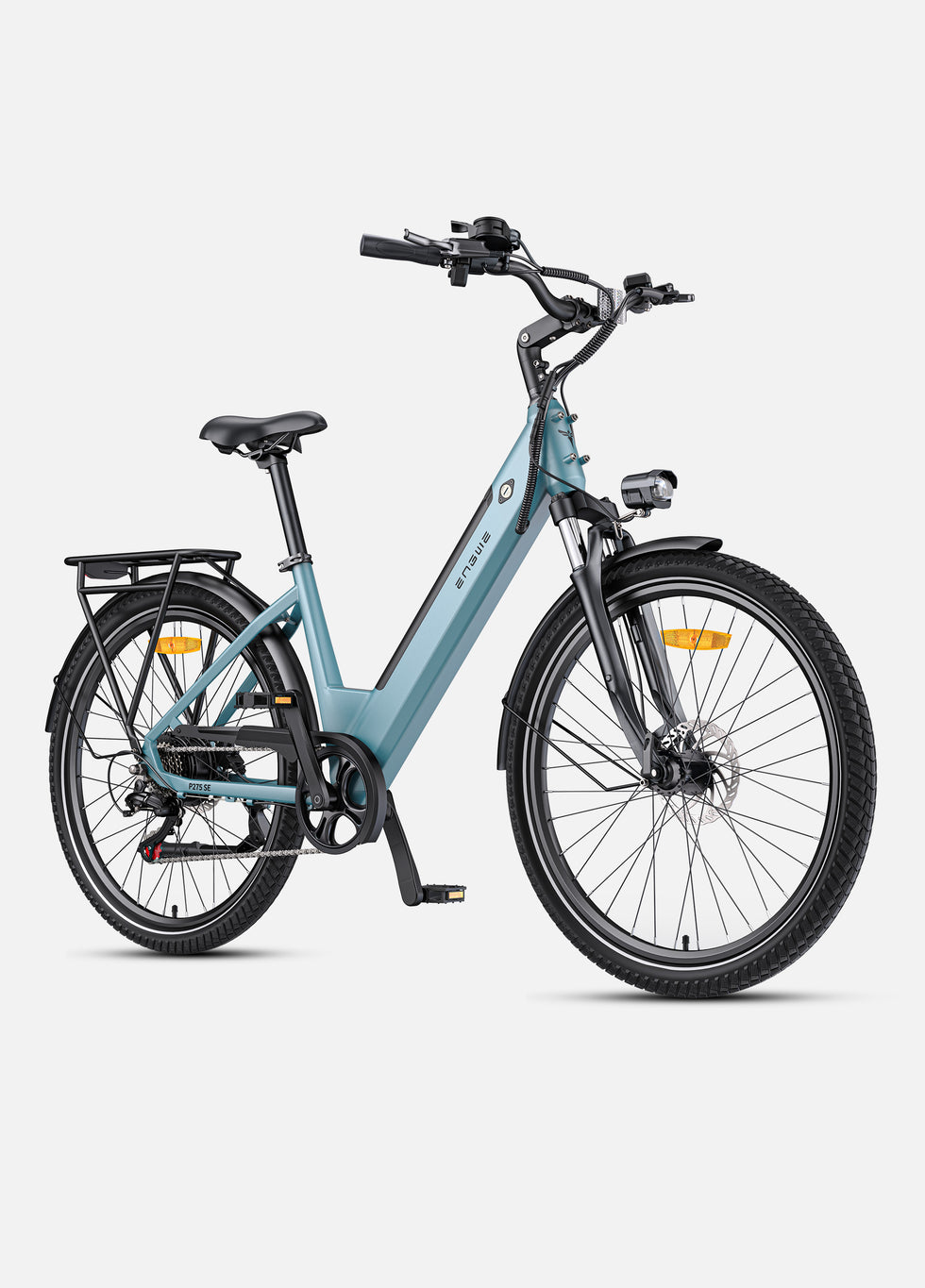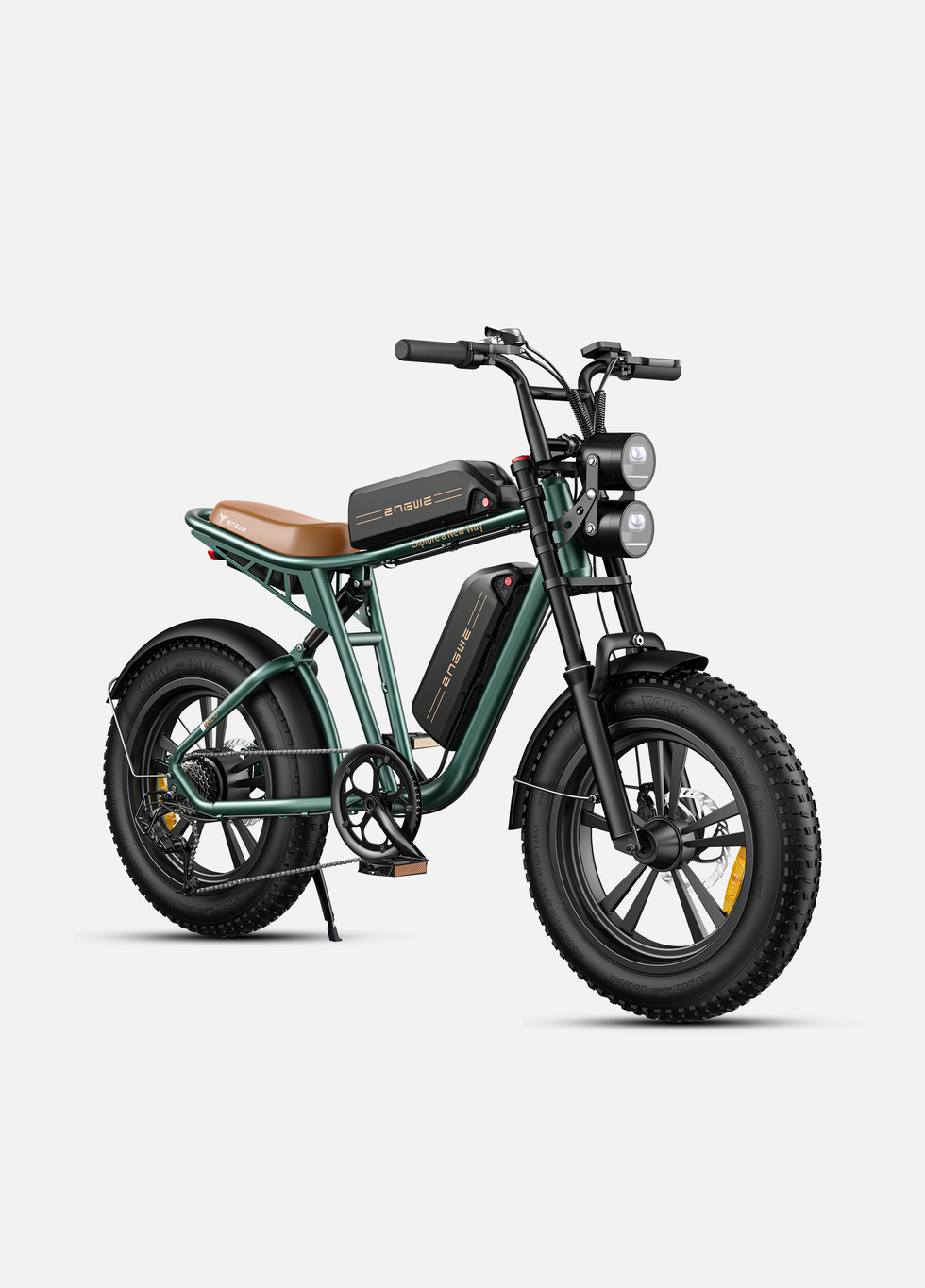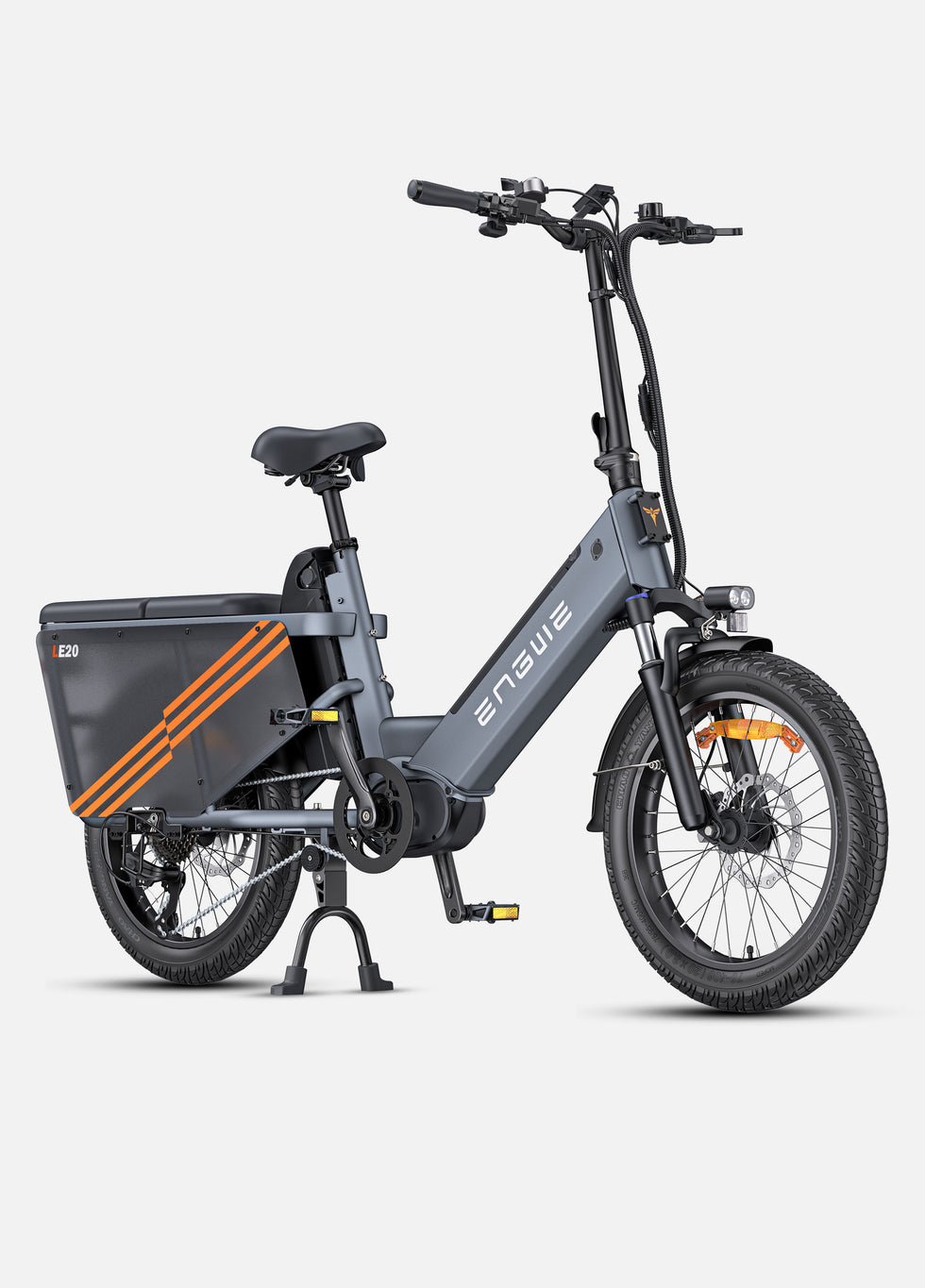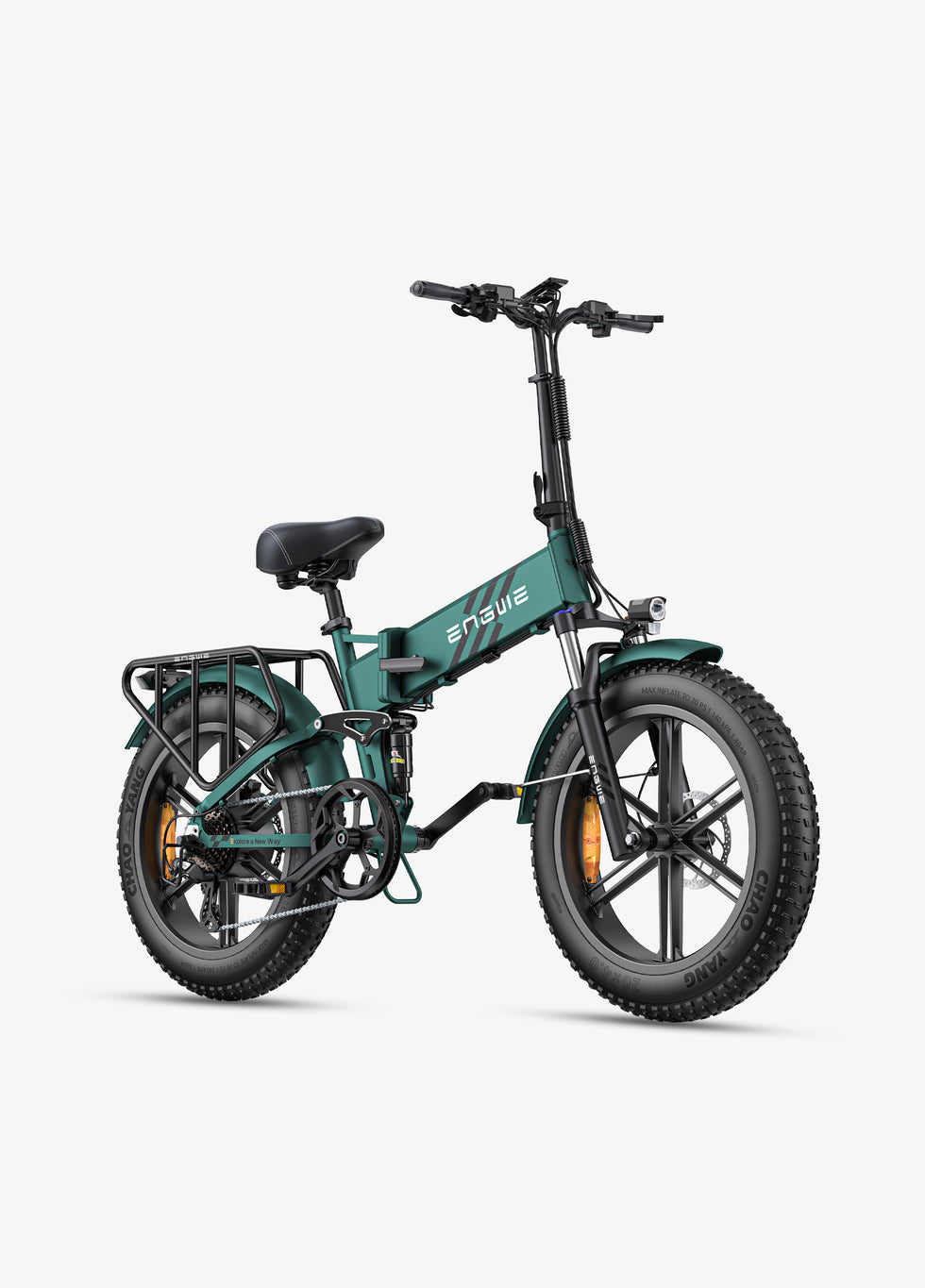


Las bicicletas eléctricas queman calorías porque el ciclista sigue pedaleando, estabilizando la bicicleta y controlando la velocidad, el esfuerzo y la cadencia. La diferencia radica en que la asistencia del motor reduce el esfuerzo que deben realizar las piernas, especialmente en cuestas, arranques y recorridos largos.
Para Alemania, esta guía trata sobre el uso común de la carretera. bicicletas eléctricas Bicicletas tipo Pedelec: bicicletas con asistencia al pedaleo que funcionan mientras se pedalea y que cortan la asistencia a 25 km/h, con una potencia nominal continua máxima de 250 W según el marco común EPAC de la UE.
¿Las bicicletas eléctricas queman calorías igual que las bicicletas convencionales?
Las bicicletas eléctricas queman calorías, pero una bicicleta convencional suele quemar más calorías para la misma distancia, ruta y velocidad. Una bicicleta tradicional depende totalmente del esfuerzo del ciclista, mientras que una bicicleta eléctrica comparte parte del esfuerzo con el motor.
Eso no significa que una bicicleta eléctrica sea "perezosa". Simplemente cambia la ecuación energética. En una bicicleta convencional, las piernas proporcionan casi toda la propulsión. En una bicicleta eléctrica, el cuerpo sigue trabajando, pero el motor reduce el esfuerzo máximo durante los arranques, las subidas y las aceleraciones.
| Tipo de conducción | Esfuerzo del ciclista | Lógica típica de calorías | Mejor caso de uso |
|---|---|---|---|
| Bicicleta normal | Más alto | Más esfuerzo por kilómetro | Equitación deportiva, entrenamiento de alta intensidad |
| Bicicleta eléctrica con asistencia baja | Moderado | Buen aprovechamiento de las calorías con menor esfuerzo. | Desplazamientos diarios, viajes más largos |
| Bicicleta eléctrica con alta asistencia | Más bajo | Menos calorías por kilómetro | Paseos de recuperación, cuestas, fatiga |
| Bicicleta eléctrica de uso frecuente | Variable | Un mayor tiempo total de ciclismo puede compensar una menor intensidad. | Movilidad y aptitud física diarias |
Para Alemania, esto es importante porque muchos ciclistas usan bicicletas eléctricas para ir al trabajo, hacer recados en la ciudad y circular por diferentes tipos de carreteras. Si la bicicleta ayuda a alguien a usarla cinco días a la semana en lugar de solo un fin de semana, el total de kilómetros recorridos semanalmente puede mejorar.
¿Cuántas calorías queman las bicicletas eléctricas por recorrido?
Las calorías que se queman al andar en bicicleta eléctrica varían desde una actividad ligera hasta un ejercicio moderado, dependiendo del nivel de asistencia y del esfuerzo del ciclista. Un paseo con poca asistencia y pedaleo constante puede sentirse similar al ciclismo normal, mientras que un paseo con asistencia máxima puede sentirse más como un movimiento ligero.
El rango práctico de calorías quemadas en un paseo en bicicleta suele ser amplio, ya que el peso corporal, la ruta, el viento, la velocidad, la cadencia y la asistencia del motor influyen en el resultado. Para muchos ciclistas, el consumo calórico de una bicicleta eléctrica puede oscilar entre 100 y 600 calorías por hora, dependiendo de la intensidad y el nivel de asistencia.
La forma más útil de evaluar una bicicleta no es solo por su tipo. Presta atención a tres señales:
- Tu respiración se vuelve más rápida pero controlada.
- Los músculos de tus piernas se sienten activos, no pasivos.
- Tu ritmo cardíaco aumenta por encima del nivel de reposo.
Un trayecto de 30 minutos en bicicleta por calles llanas en Alemania puede quemar menos calorías que un recorrido con cuestas fuera de la ciudad. Una ruta de 60 minutos por terreno mixto puede generar un mayor gasto energético total, incluso con asistencia al pedaleo, debido al aumento del tiempo de recorrido.
Quema de calorías según el nivel de asistencia.
Las bicicletas eléctricas modifican la quema de calorías principalmente mediante el nivel de asistencia. Cuanto menor sea el nivel de asistencia, mayor será el esfuerzo físico; cuanto mayor sea el nivel de asistencia, menor será el esfuerzo que realice el motor.
| Nivel de asistencia | Esfuerzo del ciclista | Patrón de quema de calorías | Mejor uso del estado físico |
|---|---|---|---|
| Sin ayuda | Alto | Lo más parecido al ciclismo regular | Paseos cortos para mantenerse en forma |
| Asistencia media | Moderado | Esfuerzo y comodidad equilibrados | Desplazamientos diarios al trabajo |
| Asistencia máxima | Bajo | Esfuerzo mínimo del ciclista | Colinas, fatiga, recuperación |
Viaje sin asistencia
Un paseo sin asistencia quema más calorías porque el ciclista mueve todo el peso de la bicicleta sin ayuda del motor. En una bicicleta eléctrica, esto puede resultar más difícil que en una bicicleta convencional debido al peso adicional de la batería y el motor.
Este modo es ideal para sesiones cortas de ejercicio, rutas llanas o ciclistas que buscan un mayor esfuerzo en las piernas. Puede que no sea adecuado para todos los trayectos, especialmente si la ruta incluye cuestas, viento en contra o tráfico con paradas y arranques frecuentes.
Paseo con asistencia media
La asistencia intermedia suele ofrecer el mejor equilibrio entre comodidad y ejercicio. El motor suaviza la aceleración y las pendientes, pero el ciclista sigue pedaleando lo suficiente como para generar un gasto energético significativo.
Para la mayoría de los ciclistas alemanes que se desplazan al trabajo en bicicleta, la asistencia intermedia puede hacer que el ciclismo diario sea más realista. Reduce la fatiga sin eliminar el beneficio físico que hace que montar en bicicleta sea útil para quemar calorías.
Conducción con asistencia máxima
La asistencia máxima quema menos calorías porque el motor soporta una mayor parte del esfuerzo. Resulta útil cuando el ciclista se enfrenta a subidas pronunciadas, mal tiempo, piernas cansadas o un trayecto de vuelta más largo.
Este modo implica movimiento, dirección, postura y pedaleo ligero, pero no debe considerarse como la configuración principal para el entrenamiento. Para quemar más calorías, utilice la asistencia máxima solo cuando la ruta o su condición física lo requieran.
¿Pueden las bicicletas eléctricas ayudar a perder peso?
bicicletas eléctricas Pueden ayudar a perder peso si aumentan la actividad física semanal y favorecen un déficit calórico. La pérdida de peso sigue dependiendo de quemar más energía de la que se consume, pero las bicicletas eléctricas pueden facilitar el mantenimiento de una rutina de ciclismo regular.
La mayor ventaja es la constancia. Un ciclista que evita montar en bicicleta con regularidad debido a las cuestas, la distancia o el cansancio, puede hacerlo con más frecuencia gracias a la asistencia al pedaleo. Un mayor tiempo de pedaleo puede favorecer un estilo de vida activo, sobre todo cuando la bicicleta sustituye a los trayectos cortos en coche o a los desplazamientos sedentarios al trabajo.
Una estructura semanal útil podría ser la siguiente:
| Meta | Patrón de equitación | Estrategia de asistencia |
|---|---|---|
| Actividad ligera | 20-30 minutos, 3 veces por semana | Asistencia media |
| Control de peso | 30-45 minutos, 4-5 veces por semana | Asistencia baja a media |
| Desarrollo físico | 45-60 minutos, 3-4 veces por semana | Asistencia baja con intervalos |
| Ejercicio físico para ir al trabajo | Paseos cortos diarios | Asistencia baja en los viajes de ida, asistencia media en los viajes de vuelta. |
Las directrices de la OMS recomiendan que los adultos realicen al menos entre 150 y 300 minutos de actividad aeróbica moderada por semana, o una cantidad equivalente de actividad vigorosa. El ciclismo regular puede ayudar a los ciclistas a alcanzar ese objetivo semanal cuando la intensidad sea la adecuada.
Cómo calcular el consumo de calorías de una bicicleta eléctrica
El consumo de calorías de una bicicleta eléctrica se estima mejor a partir del tiempo de recorrido, el peso corporal, la frecuencia cardíaca, el nivel de asistencia y la dificultad de la ruta. Una simple estimación basada en la distancia puede ser engañosa, ya que recorrer 10 km en terreno llano y 10 km con viento en contra requiere un esfuerzo muy diferente.
Utilice este método básico:
- Duración del recorrido en pista.
- Registro de la frecuencia cardíaca promedio.
- Nota: modo de asistencia.
- Añade contexto a la ruta, como colinas o viento.
- Compara viajes similares a lo largo del tiempo.
Un reloj deportivo o una aplicación de ciclismo pueden ser útiles, pero el cálculo de calorías sigue siendo una estimación. Los datos de frecuencia cardíaca suelen ser más precisos, ya que reflejan el esfuerzo real realizado, en lugar de solo la velocidad o la distancia.
En las páginas de contenido o productos, evite prometer un cálculo exacto de las calorías quemadas. Una afirmación más apropiada sería: las bicicletas eléctricas pueden contribuir a la quema regular de calorías cuando los ciclistas pedalean activamente y eligen un nivel de asistencia que aún requiera esfuerzo.
La ciencia detrás del uso de la energía en el ciclismo
Las calorías que se queman al andar en bicicleta provienen del trabajo muscular, el esfuerzo cardiovascular y la demanda metabólica. El cuerpo utiliza energía para impulsar los pedales, estabilizar la bicicleta, mantener la postura y adaptarse al terreno.
La asistencia del motor modifica la carga de trabajo, no la fisiología básica. Si el motor reduce la fuerza necesaria en los pedales, los músculos necesitan menos energía. Si se pedalea durante más tiempo porque la bicicleta eléctrica resulta manejable, el consumo total de energía puede volver a aumentar.
Los minutos MET ayudan a explicar esta diferencia. Una bicicleta convencional puede generar mayor intensidad por minuto, mientras que una bicicleta eléctrica puede fomentar recorridos más largos o más frecuentes. El valor final de la condición física depende tanto de la intensidad como de la duración.
Para Alemania, esto hace que los desplazamientos diarios sean importantes. Un ciclista que usa una bicicleta eléctrica para viajes semanales repetidos puede acumular más actividad física que alguien que tiene una bicicleta normal pero la usa poco.
Velocidad, terreno y tiempo. Distribución de calorías.
El gasto calórico al andar en bicicleta varía considerablemente según la velocidad, el terreno y la duración del recorrido. Un pedaleo más rápido, las subidas, las superficies irregulares y un mayor tiempo sobre el sillín suelen aumentar el consumo total de energía.
| Variable | Escenario de bajo contenido calórico | Escenario de mayor ingesta calórica |
|---|---|---|
| Velocidad | Asistencia lenta y alta | Velocidad moderada, pedaleo activo |
| Terreno | Carril bici plano | Colinas, caminos de grava y terrenos mixtos. |
| Tiempo | 10-15 minutos | 45–60 minutos |
| Clima | viento de cola | Viento en contra |
| Asistir | Soporte máximo | Soporte bajo o medio |
Diferentes velocidades de conducción
La velocidad importa porque un ritmo más rápido suele exigir más esfuerzo al ciclista. En una bicicleta convencional, una mayor velocidad casi siempre implica un mayor esfuerzo; en una bicicleta eléctrica, el nivel de asistencia determina cuánto esfuerzo debe realizar el ciclista.
Para mantenerse en forma, los ciclistas alemanes no deberían centrarse únicamente en la velocidad. Un paseo constante a 20-25 km/h en bicicleta eléctrica con asistencia baja puede resultar más beneficioso para el entrenamiento que un paseo corto con asistencia alta que se sienta sin esfuerzo.
Terreno urbano y de grava
El terreno urbano genera un esfuerzo intermitente debido a los semáforos, los cruces y las aceleraciones. Los caminos de grava o las rutas irregulares pueden aumentar la resistencia a la rodadura, lo que incrementa el trabajo muscular incluso a velocidad moderada.
En Alemania, muchos ciclistas combinan calles urbanas, carriles bici, senderos fluviales y carreteras suburbanas. Esta variedad puede mejorar el gasto calórico, ya que el cuerpo se adapta a los cambios de superficie y a las aceleraciones repetidas.
Viajes cortos y largos
Los trayectos cortos pueden contribuir a la actividad física diaria, pero los trayectos más largos suelen quemar más calorías. Un recado de 15 minutos puede parecer ligero; un trayecto de 45 minutos con poca asistencia puede convertirse en un ejercicio significativo.
El mejor enfoque es aquel que se puede repetir.Un ciclista que realiza cinco paseos moderados en bicicleta eléctrica por semana puede obtener mejores resultados en su estado físico que alguien que planea un paseo intenso y luego no lo realiza.
Factores del ciclista que modifican el gasto calórico
Las calorías que se queman al andar en bicicleta varían según el ciclista, ya que cada cuerpo utiliza la energía de forma diferente. Dos personas pueden recorrer la misma ruta en bicicleta eléctrica y registrar un consumo de calorías distinto, puesto que el peso, la condición física, el metabolismo, la técnica y las condiciones climáticas influyen en estos factores.
Peso corporal
El peso corporal influye en la quema de calorías, ya que mover mayor masa corporal requiere más energía. Un ciclista más pesado suele quemar más calorías que uno más ligero en la misma ruta y con la misma intensidad.
El peso de la bicicleta también importa. Las bicicletas eléctricas suelen ser más pesadas que las bicicletas convencionales, por lo que pedalear sin asistencia o con poca asistencia puede aumentar el esfuerzo, especialmente al arrancar y subir cuestas.
Nivel de condición física
El nivel de condición física influye en la intensidad del mismo recorrido. Un ciclista entrenado puede utilizar la energía de forma más eficiente, mientras que un principiante puede quemar más energía al mismo ritmo porque su cuerpo funciona con menos fluidez.
Esto no mejora ni empeora ninguno de los resultados. Significa que cada ciclista debe medir su progreso comparándolo con su propio punto de partida, no con una estimación genérica de calorías.
Tasa metabólica
El metabolismo influye en la cantidad de calorías que el cuerpo utiliza en reposo y durante la actividad física. La masa muscular, la edad, el sexo, el sueño, la nutrición y los hábitos de entrenamiento pueden afectar el consumo de energía.
Los contadores de calorías no pueden reflejar completamente estas diferencias. Proporcionan estimaciones útiles, pero deberían orientar el comportamiento en lugar de definir resultados exactos.
Viento y clima
El viento puede aumentar el esfuerzo rápidamente, especialmente en carreteras abiertas fuera de las ciudades alemanas. Un viento de frente obliga al ciclista a esforzarse más para mantener la velocidad, mientras que un viento de cola reduce el esfuerzo.
El frío, el calor, la lluvia y la ropa también pueden afectar la comodidad del recorrido y el consumo de energía. El mal tiempo puede reducir el tiempo de recorrido, por lo que la comodidad práctica suele ser tan importante como el gasto calórico.
Técnica de equitación
Una técnica eficiente ayuda a los ciclistas a aprovechar mejor la energía. Una cadencia fluida, una postura estable y un frenado controlado pueden reducir el esfuerzo innecesario y mantener el pedaleo activo.
Para quemar calorías, el objetivo no es desperdiciar energía. El objetivo es mantener una carga de trabajo constante que resulte sostenible a lo largo de más sesiones de ejercicio.
Consejo práctico para montar a caballo
Un ritmo constante suele ser más efectivo que ráfagas cortas seguidas de largos periodos de inercia. Intenta pedalear de forma constante, usa una asistencia baja en los tramos más fáciles y auméntala solo cuando las cuestas o el cansancio pongan fin al recorrido.
Este enfoque mantiene el paseo cómodo a la vez que favorece la quema de calorías al andar en bicicleta. Además, se adapta mejor a los desplazamientos diarios que los entrenamientos intensivos.
Beneficios para la salud de montar en bicicleta eléctrica
Las bicicletas eléctricas pueden contribuir a la salud porque fomentan la actividad física regular al aire libre, reducen las barreras para el ciclismo y facilitan los desplazamientos activos. El beneficio para la salud depende de la frecuencia con la que el ciclista pedalee y del esfuerzo que realice.
La actividad física regular favorece la salud cardiovascular, la salud metabólica, el bienestar mental y la buena forma física en general. La OMS afirma que la actividad física regular proporciona importantes beneficios para la salud física y mental, y ayuda a prevenir o controlar diversas enfermedades no transmisibles.
Beneficios cardiovasculares
Pedalear eleva la frecuencia cardíaca y favorece el acondicionamiento aeróbico cuando el recorrido alcanza una intensidad moderada. Las bicicletas eléctricas pueden ayudar a los ciclistas a alcanzar esa intensidad sin que la ruta resulte demasiado difícil.
Los ciclistas con problemas cardíacos preexistentes deben consultar a un médico antes de usar el ciclismo como parte de su programa de entrenamiento. Un monitor de frecuencia cardíaca puede ayudar a mantener el esfuerzo dentro de un rango seguro y planificado.
Fuerza y resistencia
Los paseos más largos en bicicleta eléctrica pueden mejorar la resistencia, ya que el ciclista se mantiene activo durante más tiempo. Los niveles de asistencia bajos y medios también mantienen las piernas trabajando lo suficiente como para favorecer el desarrollo de la fuerza.
Aquí la cadencia es importante. Una cadencia más alta y fluida con una resistencia moderada puede entrenar la resistencia sin sobrecargar las rodillas ni hacer que el paseo resulte agotador.
Estrés y recuperación
Montar en bicicleta al aire libre puede reducir el estrés al combinar movimiento, aire fresco y una rutina de desplazamiento clara. Para muchos trabajadores alemanes, sustituir parte del trayecto al trabajo por la bicicleta puede crear una transición más fluida entre el hogar y el trabajo.
El beneficio psicológico depende de la constancia. Una bicicleta eléctrica cómoda y fácil de usar puede favorecer el uso regular del vehículo mejor que una bicicleta demasiado exigente para el día a día.
Consejos para maximizar la quema de calorías
Las bicicletas eléctricas queman más calorías cuando se reduce la asistencia, se prolonga el tiempo de recorrido y se eligen rutas que requieren un pedaleo constante. Pequeños cambios pueden hacer que un trayecto diario sea más beneficioso para la salud.
Utilice estos ajustes prácticos:
- Comience con asistencia baja en carreteras llanas.
- Mantén la asistencia intermedia activada para trayectos más largos.
- Reserva la asistencia alta para las cuestas empinadas.
- Añade una ruta más larga cada semana.
- Mantén un ritmo constante.
- Elija terrenos mixtos cuando sea seguro.
- Controla la frecuencia cardíaca, no solo la velocidad.
- Evite ir a la deriva durante largos periodos.
Para quemar calorías en bicicleta, la constancia es mejor que la intensidad que no se puede repetir. Un plan de entrenamiento semanal sostenible suele dar mejores resultados a largo plazo que las salidas intensas ocasionales.
Cómo ENGWE Las bicicletas eléctricas son ideales para los desplazamientos diarios en Alemania.
Un
Para uso en Alemania y la UE,
| Mejor ajuste | Lógica del trayecto diario al trabajo en forma | |
|---|---|---|
| Viajes urbanos centrados en la comodidad | El diseño de suspensión completa y de fácil acceso permite un uso regular. | |
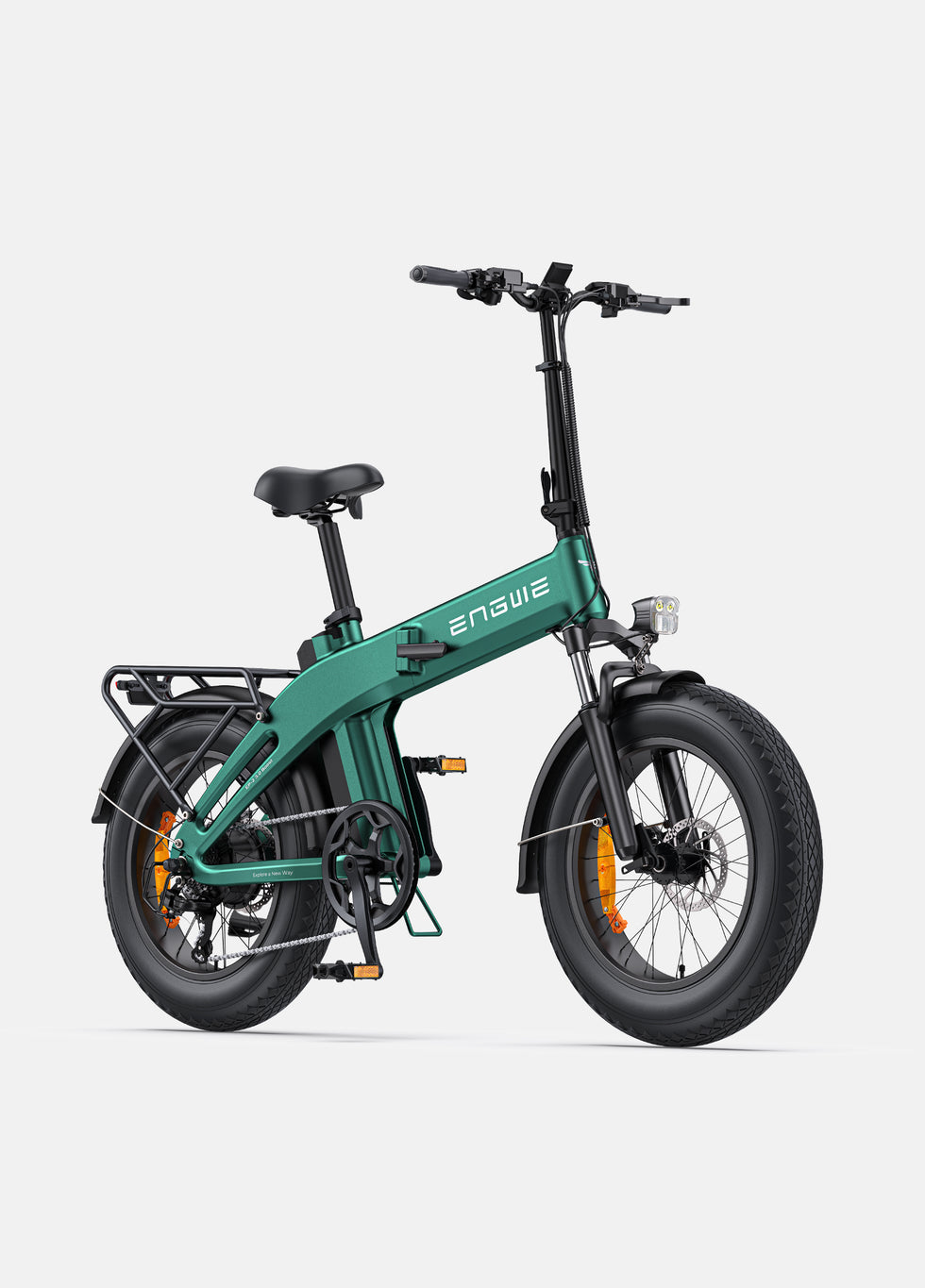
| Rutas mixtas y valor | El formato plegable de neumáticos anchos se adapta a diversas superficies. | |
| Recorridos más largos por terrenos mixtos | La suspensión completa y el mayor par motor brindan soporte en rutas exigentes. | |
| Cualquier modelo adecuado | Creación de hábitos | La bicicleta solo ayuda a mantenerse en forma cuando se usa con frecuencia. |
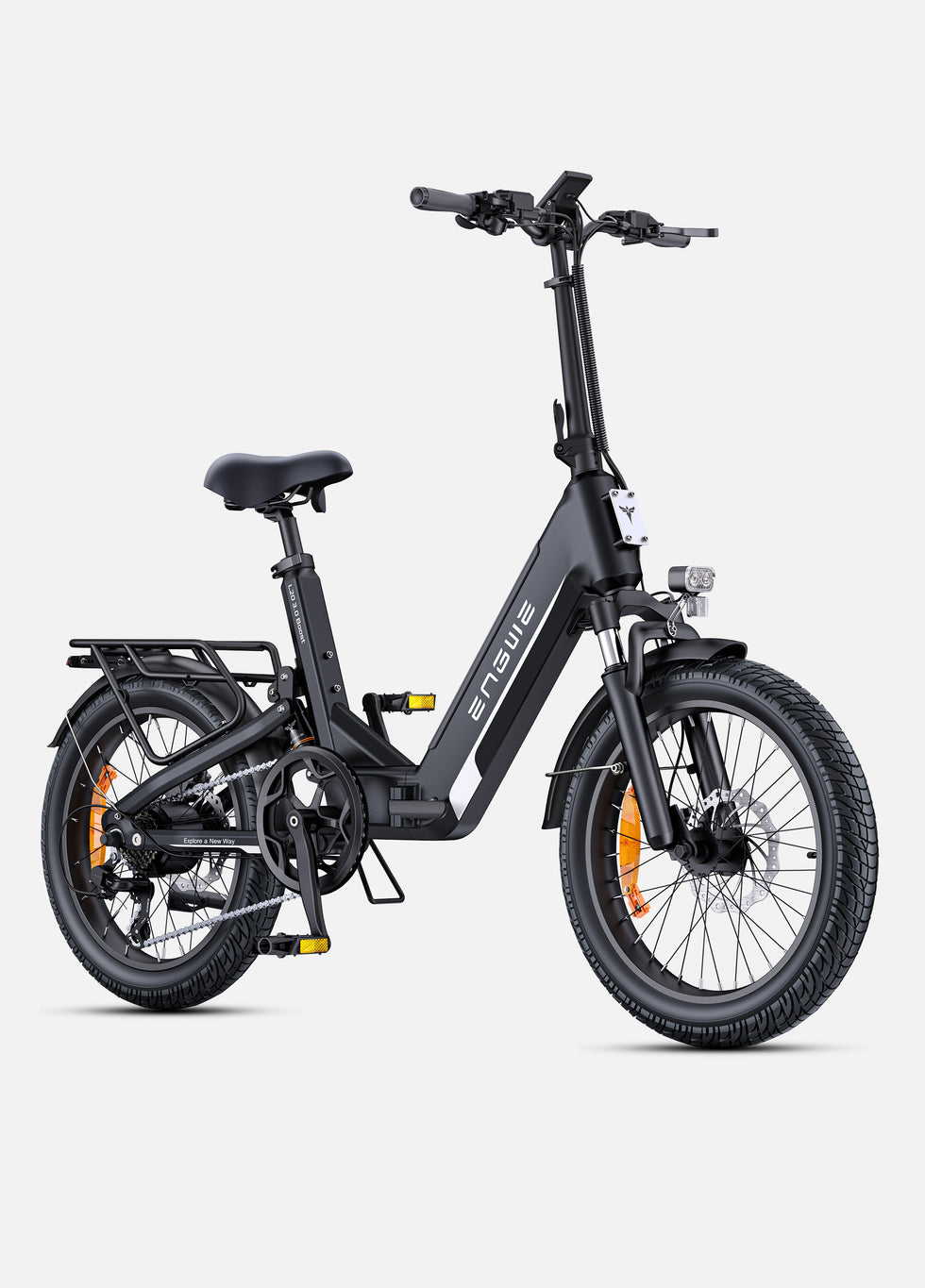
ENGWE L20 3.0 Pro
El
Para quienes se desplazan al trabajo en bicicleta, la comodidad es fundamental. Un ciclista que siente menos tensión por las vibraciones de la carretera puede montar en bicicleta con más frecuencia, lo que puede mejorar su actividad física semanal total.

Bicicleta eléctrica compacta con motor central de 250 W y 100 Nm, suspensión completa y motor de tracción total.
Comprar ahoraENGWE EP-2 3.0 Boost
El
Para quemar calorías, el sensor de par proporciona una sensación de pedaleo más natural, ya que la asistencia responde a la acción del ciclista. Esto permite a los usuarios de la bicicleta mantener un pedaleo activo en lugar de depender únicamente del motor.

Bicicleta eléctrica homologada por la UE con sensor de par, 250 W, 75 Nm y autonomía de 120 km.
Comprar ahoraENGWE Engine Pro 3.0 Boost
El
Para los ciclistas alemanes, este tipo de modelo resulta práctico cuando la comodidad y la flexibilidad de ruta son importantes. Sin embargo, si el objetivo es quemar calorías en lugar de simplemente buscar comodidad, conviene utilizar ajustes de asistencia adecuados.

Bicicleta eléctrica de doble suspensión homologada por la UE, 250 W, 90 Nm, 130 km de autonomía.
Comprar ahoraMonta más a menudo
El mejor
Aquí es donde las ofertas de bicicletas eléctricas pueden influir en la decisión de compra, pero el precio no debería ser el único criterio. Para desplazarse al trabajo en bicicleta en Alemania, los usuarios también deberían comparar el ajuste del cuadro, la sensación de la asistencia, la autonomía de la batería, el frenado, las luces, la comodidad y si el modelo se ajusta a las expectativas locales de las bicicletas eléctricas.