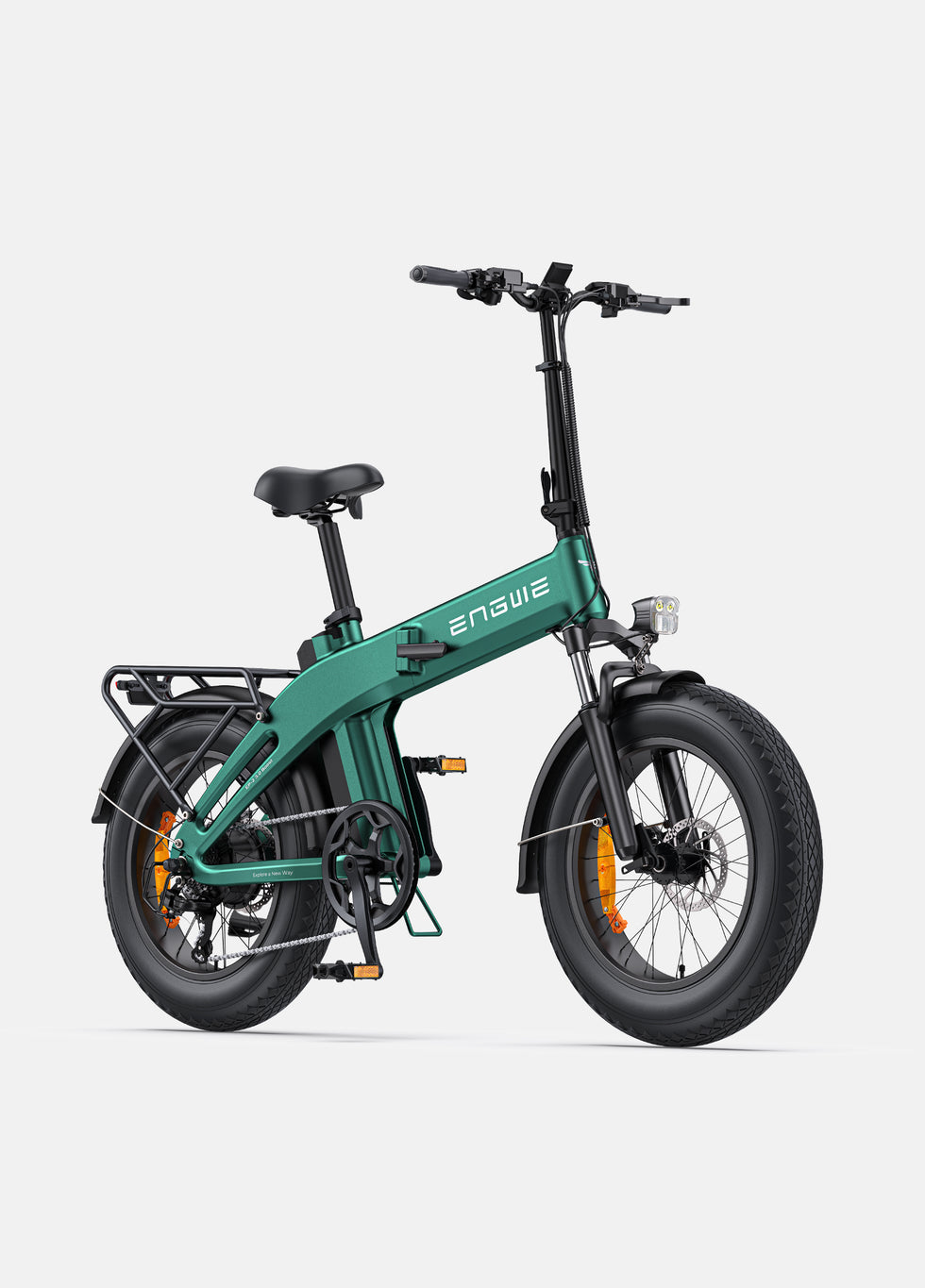


Montando un bicicleta eléctrica urbana En Europa es fácil, pero existen normas que son evidentes. Estos principios básicos pueden informar a los ciclistas sobre los límites de velocidad y el comportamiento en la carretera para mantenerse seguros y evitar multas. Según la normativa de la UE, una bicicleta con asistencia al pedaleo típica no está sujeta a la homologación de tipo de la UE para vehículos de motor si el motor auxiliar tiene una potencia nominal continua máxima de 250 W, que disminuye progresivamente a medida que aumenta la velocidad hasta los 25 km/h o antes si el ciclista deja de pedalear.
Es un bicicleta eléctrica urbana Un vehículo urbano está diseñado para circular dentro de la ciudad, lo que implica que debe cumplir con la legislación local. Además, resulta más sencillo y transparente comprender cómo una bicicleta eléctrica urbana cumple con la normativa europea, ya que las particularidades de cada país pueden variar en cuanto al uso del casco, la posibilidad de utilizar los carriles bici y las normas locales de circulación.

¿Cuál es el límite de velocidad legal para una bicicleta eléctrica urbana en Europa?
En la mayoría de los países de la UE, la presión máxima del pedaleo asistido es de 25 km/h. Al alcanzar dicha velocidad, la asistencia del motor debe desactivarse, a menos que la bicicleta se considere un vehículo motorizado de mayor velocidad, y no una bicicleta en el sentido tradicional del término.
El bicicleta eléctrica urbana Debe dejar de recibir potencia por encima de esta velocidad. Esto hace que se clasifique como bicicleta en lugar de vehículo de motor cuando se usa normalmente en la UE. Cuando se aplica al caso de ciclistas en una vía urbana bicicleta eléctrica, Esta norma contribuye a garantizar un viaje seguro en entornos urbanos de mucho tráfico, en lo que respecta a la previsibilidad de las interacciones con peatones, ciclistas y otros usuarios de la vía.
¿Necesitas licencia para conducir una bicicleta eléctrica urbana?
Salvo que se trate de una bicicleta eléctrica de pedaleo asistido que alcance los 25 km/h y supere el límite habitual de velocidad en la UE, no se requiere licencia. Las bicicletas eléctricas de mayor velocidad no son idénticas y pueden conducirse de forma similar a los ciclomotores, por lo que conviene mantenerse dentro de la categoría estándar.
El bicicleta eléctrica urbana Esta es una de las razones por las que una bicicleta eléctrica homologada por la UE puede utilizarse sin necesidad de matricularse, asegurarse ni tener carné de conducir, lo que la hace más accesible que los patinetes o los coches. No obstante, los usuarios deben consultar la normativa nacional y local, ya que esta puede variar entre países y las bicicletas eléctricas más rápidas podrían generar nuevas exigencias.
¿Dónde se puede circular en bicicleta eléctrica urbana en las ciudades de la UE?
Un bicicleta eléctrica urbana Generalmente está permitido en carreteras y como parte de un sistema de ciclismo donde se permiten bicicletas regulares, pero la respuesta a esta pregunta varía según el país y el tipo de carretera. En Alemania, como por ejemplo ADAC, En los carriles bici se pueden utilizar bicicletas normales y bicicletas eléctricas (Pedelecs) a una velocidad máxima de 25 km/h, así como patinetes eléctricos.
Las ciudades europeas hoy en día cuentan con una infraestructura ciclista cada vez más dedicada que nunca, lo que facilita más que nunca el desplazamiento al trabajo con una bicicleta. bicicleta eléctrica para desplazamientos diarios. Por lo general, no está permitido circular en bicicleta por las aceras, salvo en los casos en que lo indique la señalización o la legislación local, y los ciclistas deben tratar la bicicleta como una bicicleta convencional en lo que respecta a su posición en la carretera y la consideración hacia los peatones.

¿Qué normas de cortesía vial deben seguir los usuarios de bicicletas eléctricas en la ciudad?
La seguridad exige un buen comportamiento en la carretera. Una bicicleta eléctrica urbana debe circular de la misma manera que una bicicleta convencional: respetar los semáforos, ceder el paso cuando sea necesario, circular de forma predecible y no asustar a peatones ni a otros ciclistas. Esto cobra especial importancia en zonas urbanas de baja densidad, donde la velocidad es reducida y la interacción es constante. Esta conclusión se basa en la normativa de tráfico y las regulaciones para ciclistas.
El jinete en un bicicleta eléctrica urbana Se supone que debe obedecer los semáforos, ceder el paso a los peatones y tener el control de la bicicleta en todo momento. Una buena visibilidad se logra mediante el uso de luces y señales manuales claras, especialmente durante períodos de poca luz o en lugares concurridos. bicicleta eléctrica para ir al trabajo Debe tratarse como cualquier otra motocicleta en lo que respecta a las normas de circulación, a pesar de la facilidad que ofrece el motor para ir al trabajo a diario. Se trata de una especulación basada en las mismas fuentes oficiales.
¿Qué opciones de bicicletas eléctricas urbanas merece la pena considerar?
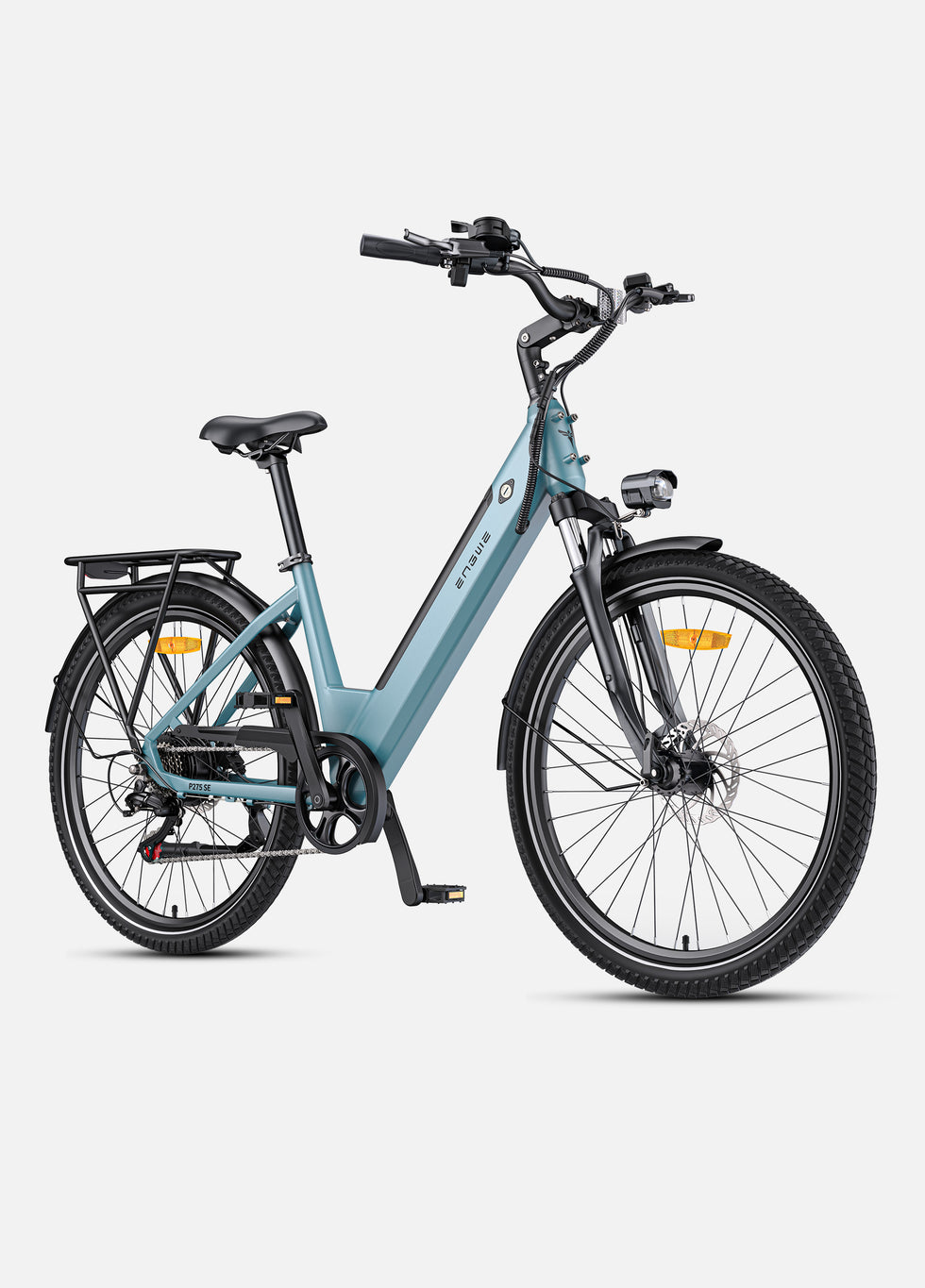
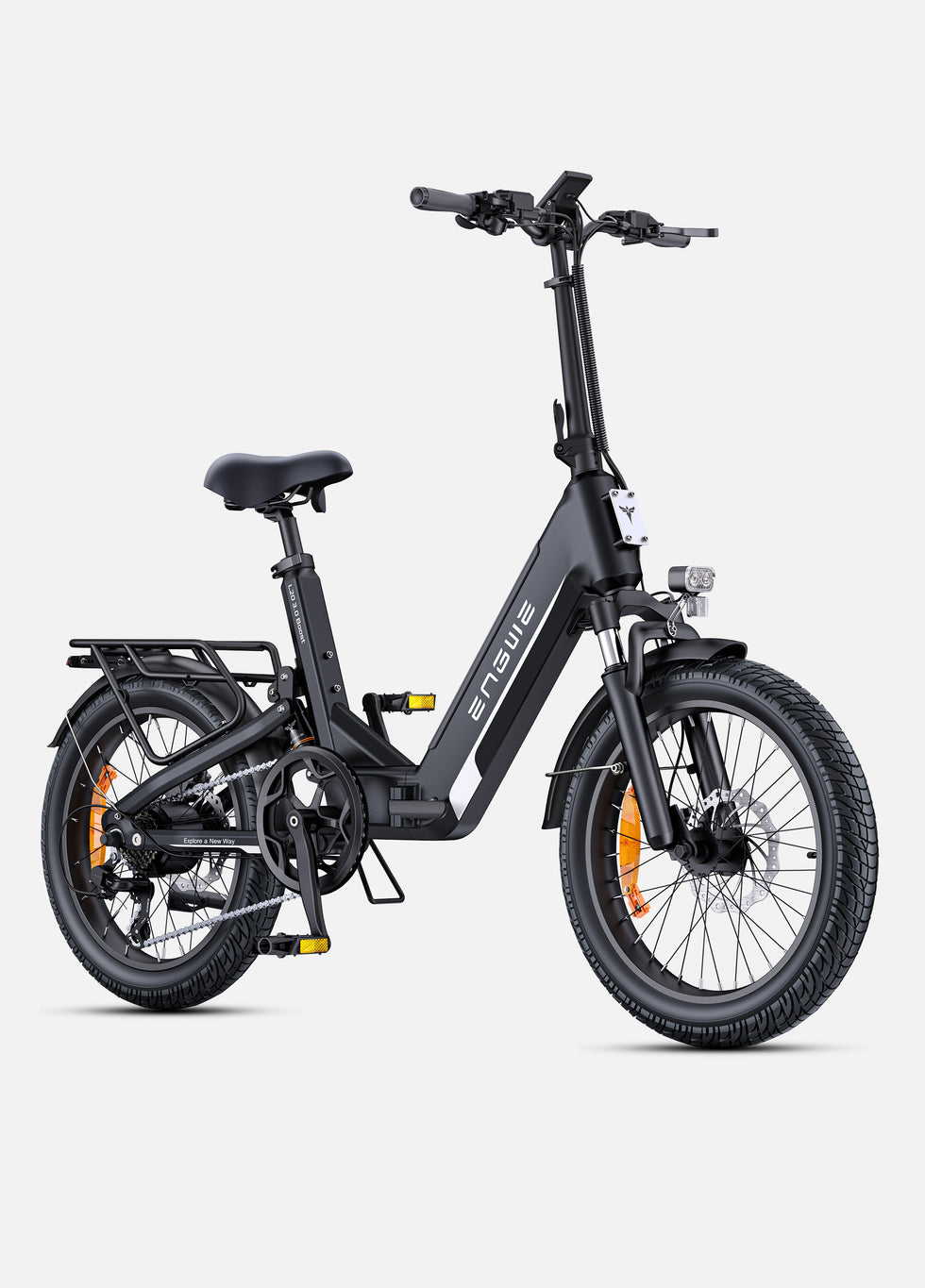
ENGWE L20 3.0 Pro – Cómodo viajero urbano
Está diseñado para ser fácil de manejar y usar en entornos urbanos. Este tipo de cuadro y sistema de suspensión puede ser particularmente conveniente para ciclistas que buscan una mayor comodidad. bicicleta eléctrica urbana montar todos los días de forma repetitiva. Esta es la última frase; es una inferencia basada en las características del producto.

Gazelle Medeo T9 HMB – Rendimiento equilibrado en ciudad
La Gazelle Medeo T9 HMB está diseñada pensando en la comodidad y la practicidad diarias. Gazelle presenta la línea Medeo como una bicicleta para recorrer colinas, la ciudad o hacer la compra a domicilio, lo que la mantiene directamente relacionada con el uso cotidiano en la ciudad.
Su diseño permite una conducción relajada en las ciudades. Eso la convierte en un buen ejemplo de bicicleta eléctrica de cercanías Está más orientada al uso cotidiano y recreativo que a la conducción deportiva de competición. Esta última frase es una conclusión extraída del posicionamiento del producto Gazelle.

Cube Town Hybrid One: una opción práctica para la ciudad.
El Cube Town Hybrid One tiene un diseño sencillo y urbano. Cube basa sus híbridos urbanos y de turismo en la utilidad diaria y el transporte diario, lo que sigue haciendo que este modelo sea pertinente para los ciclistas que buscan comprar bicicleta eléctrica Opción para usar a diario en la ciudad.
Este bicicleta eléctrica urbana Facilita un rendimiento constante y una gran comodidad. Este tipo de configuración resulta muy accesible para ciclistas que buscan una experiencia más familiar, similar a la de una bicicleta urbana, con una geometría práctica para el día a día. Esta conclusión se deriva del posicionamiento de producto de Cube.

¿Existen requisitos de seguridad para circular en bicicleta eléctrica urbana?
Sí, el equipo de seguridad es importante incluso si la bicicleta permanece dentro de la categoría de bicicleta común. bicicleta eléctrica urbana Deben contar con luces, reflectores y timbre donde sea necesario, ya que la visibilidad y la señalización clara son fundamentales para la seguridad en la ciudad. Esta conclusión se basa en consejos sobre seguridad vial para ciclistas y en la normativa general de circulación.
Aunque no sea obligatorio, se suele recomendar el uso del casco. En Alemania, la ADAC señala que no existe un requisito general de uso de casco para las bicicletas eléctricas de hasta 25 km/h, pero las de mayor velocidad se rigen por una normativa diferente y deben llevar cascos adecuados. Esto también indica que los ciclistas deben consultar la normativa nacional antes de asumir que se aplica el mismo estándar en todas partes.
¿Cómo influyen las normas de la UE en su decisión de compra?
Conocer las reglas te ayudará a elegir correctamente la bicicleta al principio. Cuando estés comprar bicicletas eléctricas Puede resultar interesante saber si el modelo en cuestión es una bicicleta eléctrica normal de 250 W/25 km/h o algo más agresivo, ya que esto puede marcar la diferencia en la forma en que la bicicleta será percibida en una carretera normal.
Un sencillo bicicleta eléctrica urbana Se selecciona una opción que no causará problemas en el futuro. La opción de compra más segura para la mayoría de los ciclistas es una bicicleta que no exceda la categoría de bicicleta urbana y que se ajuste al uso habitual de las bicicletas en Europa. Esta conclusión se basa en la legislación y las normas de circulación mencionadas anteriormente.
Conclusión
Un bicicleta eléctrica urbana Es un medio de transporte eficaz y práctico en las ciudades europeas, pero es importante respetar las normas. El límite de velocidad de 25 km/h, la circulación de bicicletas y el cumplimiento de la normativa local son factores que condicionan la sencillez del trayecto y su legalidad.
Seleccionar un apropiado bicicleta eléctrica urbana Y al saber cómo se integra con la normativa de tráfico europea, los usuarios podrán disfrutar de un trayecto más cómodo, seguro y sin estrés. Esto suele traducirse en una mejor experiencia de uso diario en comparación con priorizar la velocidad o la apariencia. La última frase es una conclusión extraída con la ayuda de la misma evidencia.
Preguntas frecuentes
¿Qué velocidad alcanza una bicicleta eléctrica urbana europea?
¿Qué velocidad alcanza una bicicleta eléctrica urbana europea?
La velocidad máxima típica es de 25 km/h de asistencia del motor en una bicicleta de pedaleo asistido estándar. A partir de ahí, la asistencia debe reducirse gradualmente para mantenerse dentro de la categoría general de bicicletas de la UE.
¿Es matriculable una bicicleta eléctrica urbana?
¿Es matriculable una bicicleta eléctrica urbana?
Generalmente no se proporciona, siempre y cuando la bicicleta no exceda las normativas estándar para pedelecs. Las speed-pedelecs de mayor velocidad podrían considerarse similares a los ciclomotores y podrían requerir cumplimiento normativo adicional.
¿Dónde usaré una bicicleta eléctrica urbana?
¿Dónde usaré una bicicleta eléctrica urbana?
Normalmente en vías/infraestructura ciclista donde se permiten las bicicletas convencionales, sujeto a la legislación local. El uso de aceras está normalmente prohibido a menos que se cuente con el permiso necesario.
¿Es necesario usar casco en las bicicletas eléctricas?
¿Es necesario usar casco en las bicicletas eléctricas?
No necesariamente para las pedelecs estándar de 25 km/h, pero el uso del casco suele recomendarse encarecidamente. Dependiendo del país, pueden aplicarse diferentes normativas y las speed-pedelecs que alcanzan mayor velocidad están sujetas a reglas más estrictas.
¿Qué debo hacer para que mi bicicleta eléctrica sea legal?
¿Qué debo hacer para que mi bicicleta eléctrica sea legal?
Asegúrese de que cumple con la especificación típica de las pedelec de la UE: potencia nominal continua máxima del motor de 250 W y desconexión de la asistencia del motor a los 25 km/h sin estar basada en el pedaleo asistido.