

El Día Sin Coches 2026 ofrece a los ciclistas de toda Europa una razón oportuna para replantearse los trayectos cortos cotidianos, y
La pregunta útil, sin embargo, no es simplemente qué ofertas de bicicletas eléctricas ofrecen el mayor ahorro inicial. Un usuario que recorre largas distancias a diario, alguien que vive en un apartamento pequeño y un ciclista que se enfrenta a cuestas o superficies mixtas necesitan cosas diferentes de una bicicleta eléctrica. Esta guía explica qué incluye el valor de la campaña, cómo cinco
Elegir
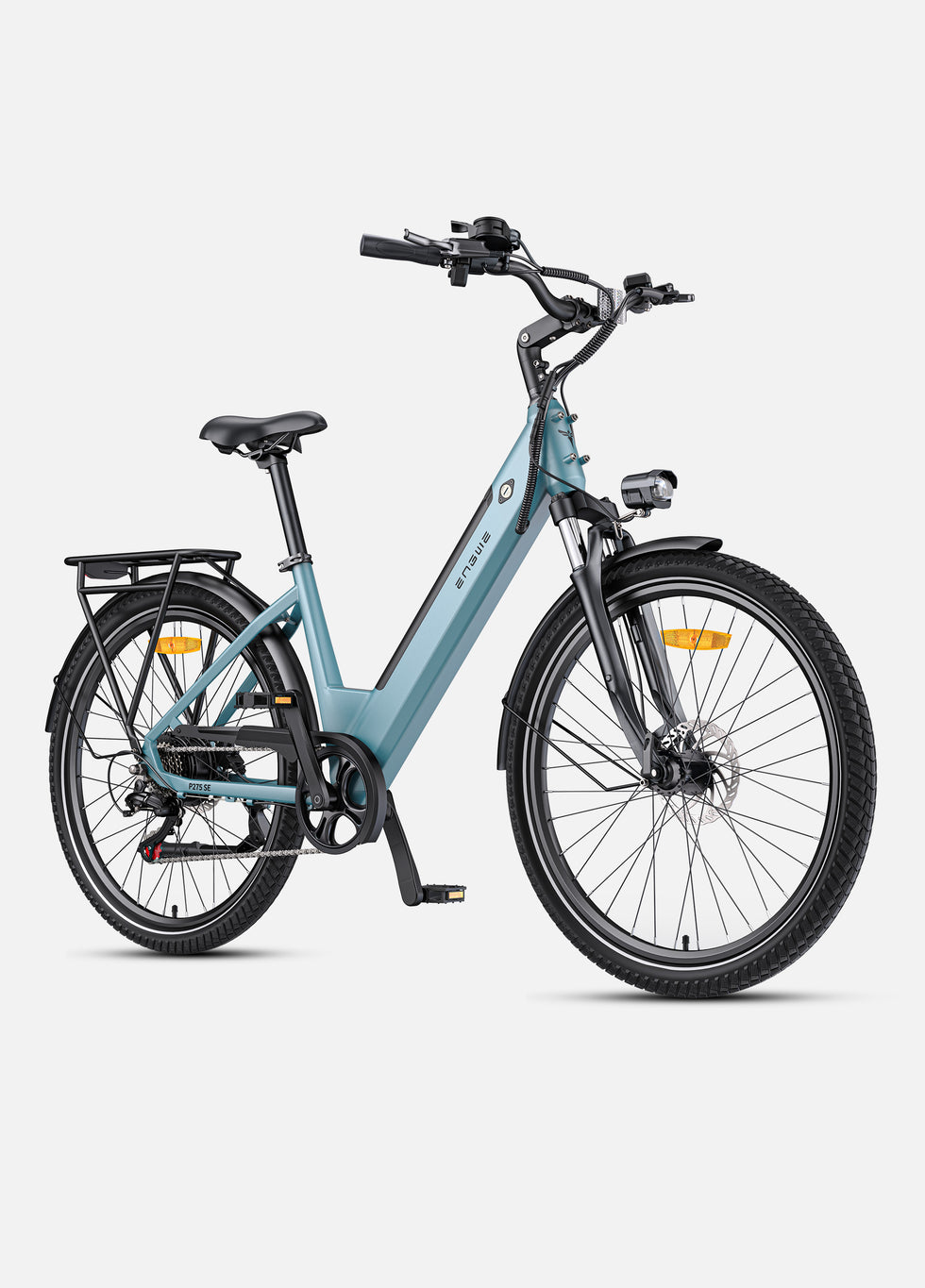
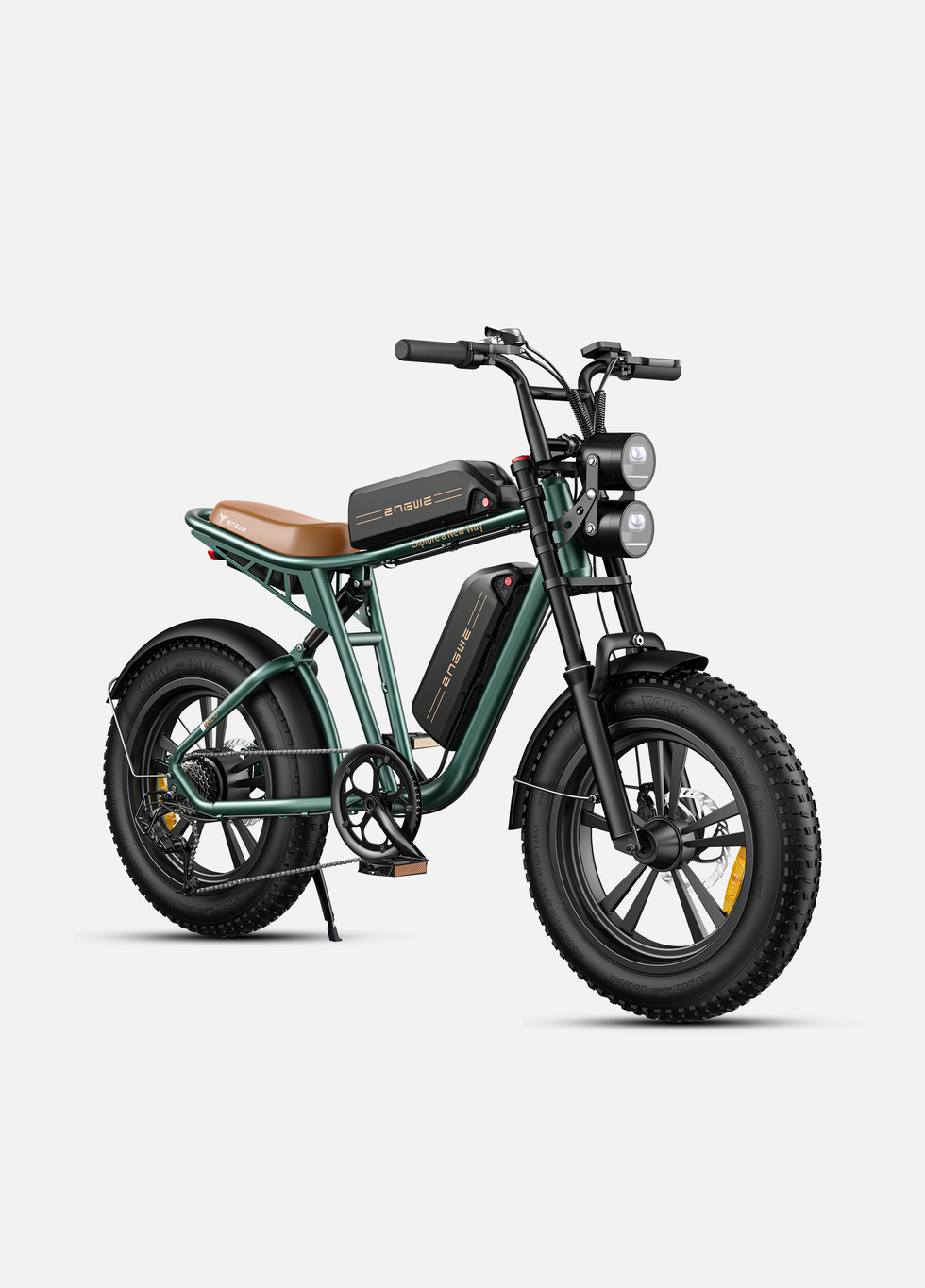
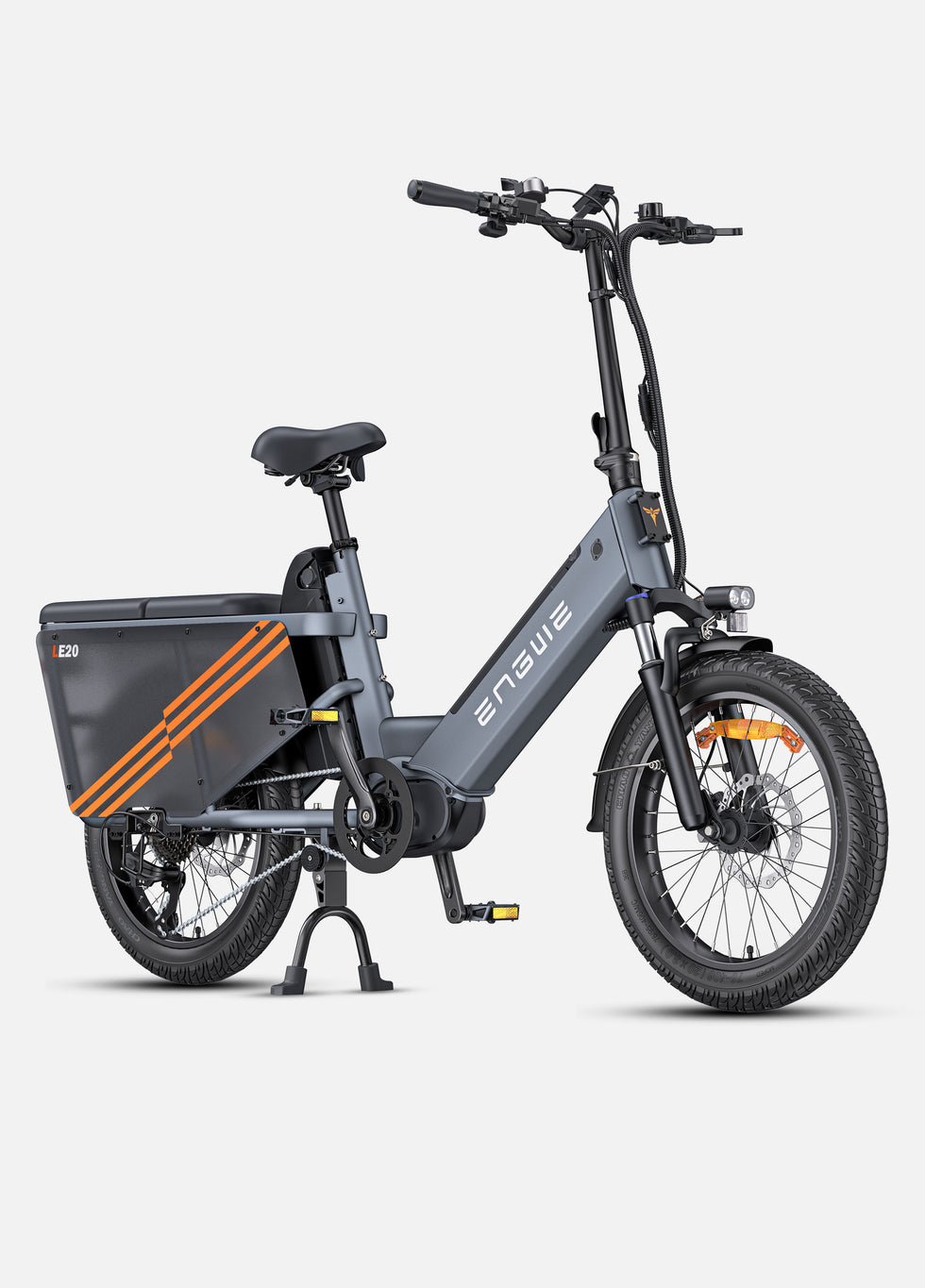
¿Qué hacer? ENGWE ¿Qué ofertas de bicicletas eléctricas se incluyen en el Día Sin Coches de 2026?
¿Qué significa “Hasta cuándo”? €685¿Ahorro incluido?
El ahorro principal es de hasta €685 está representado por el
| Componente de campaña | Valor indicado |
|---|---|
| Ahorro en el precio de la bicicleta | €100 |
| Caja de regalo | €199 |
| Garantía gratuita durante el segundo año | €159 |
| Bolsa para maletero | €69 |
| Portaequipajes trasero | €89 |
| Guardabarros | €69 |
| Valor promocional total | €685 |
Esto facilita la evaluación de la oferta. El ahorro directo repercute inmediatamente en el precio de compra, mientras que los accesorios añaden utilidad para transportar equipo, para los desplazamientos diarios y para su uso en condiciones de lluvia. La garantía adicional extiende la cobertura hasta el segundo año. Por lo tanto, quienes comparen ofertas de bicicletas eléctricas deberían tener en cuenta tanto la reducción inmediata como si los extras incluidos son artículos que comprarían por separado.
¿Durante cuánto tiempo estará vigente la promoción del día sin coches?
Esto le da a la campaña un margen de tiempo mayor que el del propio Día Sin Coches. En lugar de tratar el 22 de septiembre como una venta de un solo día, los ciclistas tienen tiempo para comparar el formato del cuadro, la configuración del motor, la capacidad de la batería, las necesidades de almacenamiento y la disponibilidad local antes de decidir qué bicicleta eléctrica se ajusta mejor a su rutina.
¿Se aplican las mismas ofertas en Alemania e Italia?
La campaña "Sin coche, sin preocupaciones" es una promoción europea, pero los precios, el stock y los artículos promocionales pueden variar según el país.
Para los ciclistas en Alemania e Italia, lo más práctico es usar el valor de la promoción como punto de partida y luego consultar la versión local de la página del producto antes de realizar el pedido. Las especificaciones de la bicicleta también son importantes: la configuración para el mercado de la UE, el equipamiento local y los accesorios disponibles deben tener prioridad sobre las especificaciones indicadas para las versiones vendidas en otras regiones.
Presentado ENGWE Ofertas de bicicletas eléctricas para diferentes trayectos diarios
La forma más útil de comparar estas ofertas de bicicletas eléctricas es según el tipo de uso que se les dé, en lugar de basarse en el descuento. Los desplazamientos de larga distancia, el almacenamiento compacto, las subidas frecuentes y la conducción en terrenos mixtos imponen exigencias muy diferentes a una bicicleta.
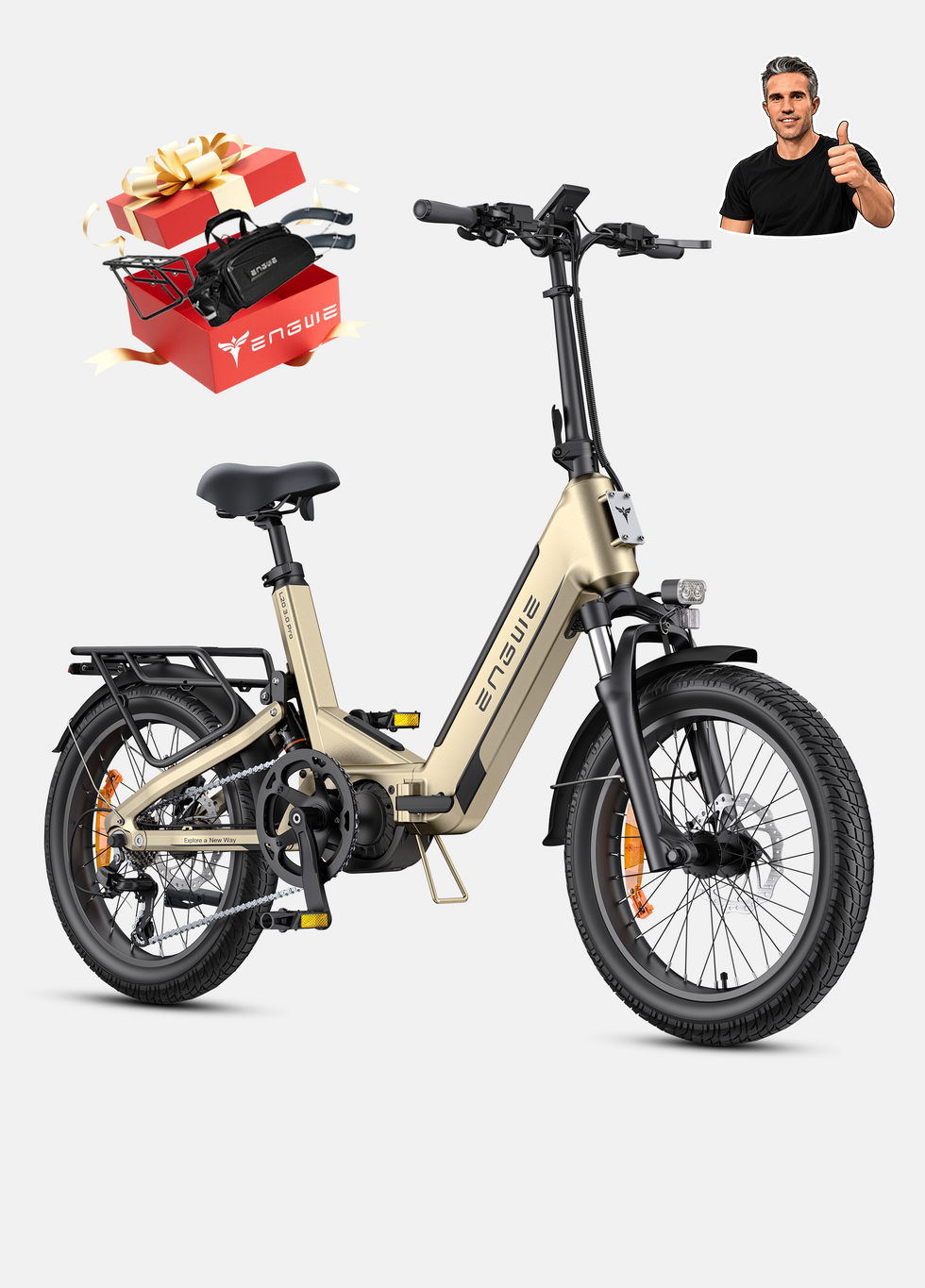
L20 3.0 Pro Comodidad de largo alcance y soporte de motor central
Parámetros principales: Motor central Mivice X700 de 250 W | 100 Nm | Batería extraíble de 720 Wh | Autonomía de hasta 160 km (probada en laboratorio) | Carga de 8 A | Suspensión completa | 32,8 kg | CE EN15194
El
Un sensor de par ajusta la asistencia en función de la fuerza de pedaleo, mientras que la batería extraíble de 720 Wh proporciona a la bicicleta una capacidad energética sustancial para los ciclistas que no quieren que la carga domine una rutina de desplazamiento más larga.
La carga es otro aspecto fundamental del conjunto. El cargador de 8 A está diseñado para una carga completa en aproximadamente dos horas, lo que facilita considerablemente la recarga al mediodía o por la tarde, en comparación con una rutina nocturna. La suspensión completa, los neumáticos híbridos urbanos de 20 × 3,0 pulgadas y los frenos de disco hidráulicos de 180 mm refuerzan su carácter orientado al confort, mientras que el cuadro de fácil acceso facilita las paradas y arranques repetidos.
El

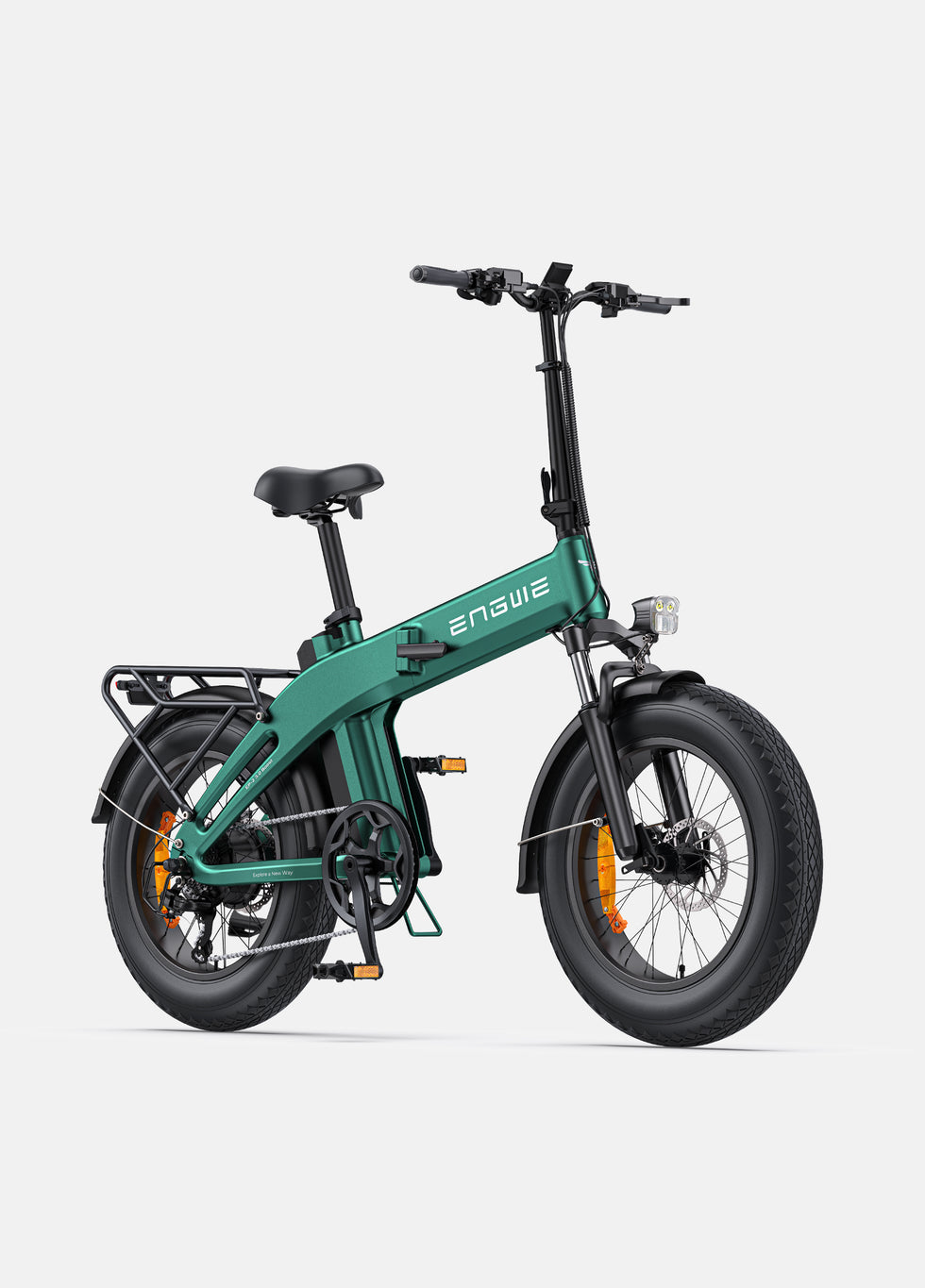
Bicicleta eléctrica compacta con motor central de 250 W y 100 Nm, suspensión completa y motor de tracción total.
Comprar ahoraL20 3.0 Boost : Comodidad compacta con suspensión integral para los desplazamientos diarios
Parámetros principales: Motor de buje trasero de 250 W | 75 Nm | Batería extraíble de 648 Wh | Hasta 135 km | Carga de 8 A | Suspensión completa | 33,2 kg | CE EN15194
El
Su batería extraíble de 648 Wh utiliza celdas 21700 con protección BMS, y el cargador de 8 A puede cargar la batería por completo en aproximadamente dos horas.
La suspensión completa y los neumáticos híbridos urbanos de 20 × 3,0 pulgadas le dan al vehículo la
El cuadro plegable compacto es útil cuando el espacio en el suelo es más importante que el peso a transportar. Para ciclistas que buscan un bicicleta eléctrica compacta con un formato de paso bajo vertical, un práctico portaequipajes trasero y carga rápida, el

Bicicleta eléctrica compacta de suspensión completa con 250 W de potencia y 75 Nm de par motor.
Comprar ahoraO20 Boost: Versatilidad plegable para viajes urbanos y suburbanos
Parámetros principales: Motor de buje trasero de 250 W | 75 Nm | Batería LG de 720 Wh | Hasta 141 km con asistencia al pedaleo (PAS) 1
La O20 Boost se sitúa de forma natural entre la comodidad diaria de una bicicleta de tamaño completo y unas dimensiones de plegado realmente manejables. Con 26,5 kg, es notablemente más ligera que la serie L20 3.0, manteniendo una batería LG extraíble de 720 Wh, un par motor de 75 Nm y un sistema de asistencia con sensor de par.
Esa combinación resulta útil para los ciclistas cuyo trayecto diario entre semana combina calles urbanas con tramos suburbanos más largos.
Los neumáticos híbridos urbanos de 20 × 2,125 pulgadas hacen que la bicicleta sea más apta para la ciudad que un diseño todoterreno con neumáticos anchos, mientras que la suspensión delantera bloqueable de 50 mm absorbe las irregularidades del pavimento, las juntas de la carretera y los caminos más accidentados. El cambio Shimano Altus de 8 velocidades proporciona un rango mecánico útil para afrontar los cambios de pendiente, y los frenos de disco hidráulicos garantizan una frenada eficaz.
Para personas que buscan específicamente un bicicleta eléctrica plegable Debido a problemas de almacenamiento en el hogar, desplazamientos combinados o espacio limitado en el garaje, la O20 Boost tiene una función especialmente clara. Su diseño plegable reduce el espacio que ocupa la bicicleta; su batería extraíble permite que no sea necesario llevarla a un enchufe cada vez que necesite recargarse.

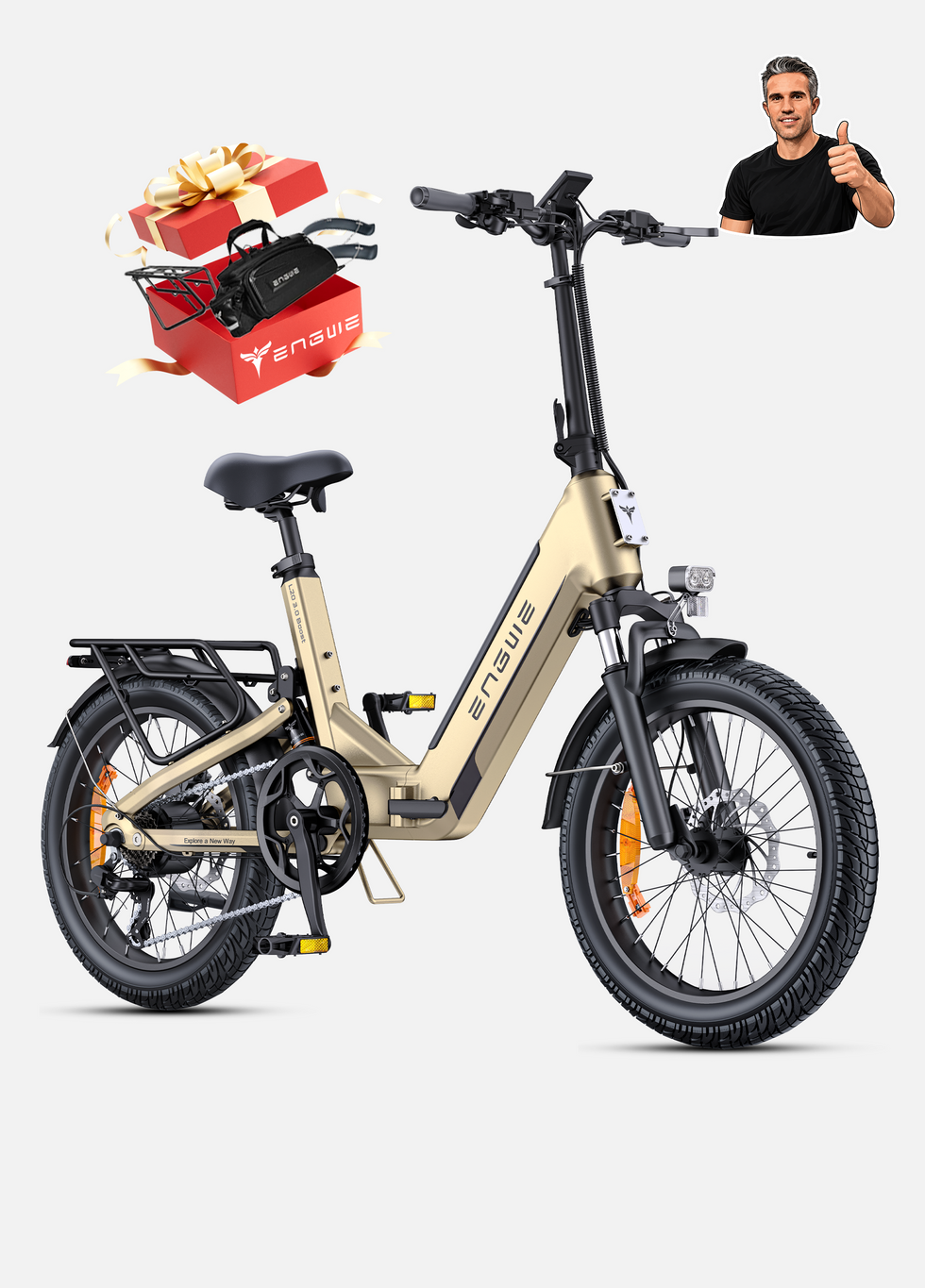
Bicicleta eléctrica plegable con suspensión delantera Boost Power de 75 Nm
Comprar ahoraE26 3.0 Pro : Suspensión completa con motor central para pendientes y superficies mixtas
Parámetros principales: Motor central Mivice X700 de 250 W | 100 Nm | Batería extraíble LG de 720 Wh | Hasta 135 km | Suspensión completa de cuatro barras | Neumáticos todoterreno de 26 × 3,0 pulgadas | 34 kg | Certificación CE EN15194 TÜV
El
El motor Mivice X700 de 250 W impulsa la bicicleta a través de su sistema de transmisión, permitiendo que las marchas contribuyan al arrancar o subir cuestas. Un sensor de par ajusta la asistencia al pedaleo, mientras que la batería extraíble LG de 720 Wh ofrece una autonomía máxima de hasta 135 km. Un cargador de 4 A requiere entre cuatro y cinco horas para una recarga completa.
El sistema de suspensión combina una horquilla delantera ajustable de 80 mm con un amortiguador trasero neumático ajustable de 30 mm y un sistema de cuatro barras. En lugar de depender únicamente del volumen de los neumáticos para absorber las irregularidades del terreno, el cuadro permite que ambos extremos de la bicicleta se muevan en respuesta a los baches. Los neumáticos todoterreno de 26 × 3,0 pulgadas ofrecen una amplia superficie de contacto para carreteras asfaltadas, caminos de grava y rutas mixtas cotidianas, mientras que los frenos de disco hidráulicos de 180 mm proporcionan un control de frenado óptimo.
Para los ciclistas cuya búsqueda comienza originalmente con un bicicleta eléctrica con neumáticos anchos, Vale la pena identificar la necesidad real detrás de esa búsqueda.
Con 34 kg con la batería instalada, el

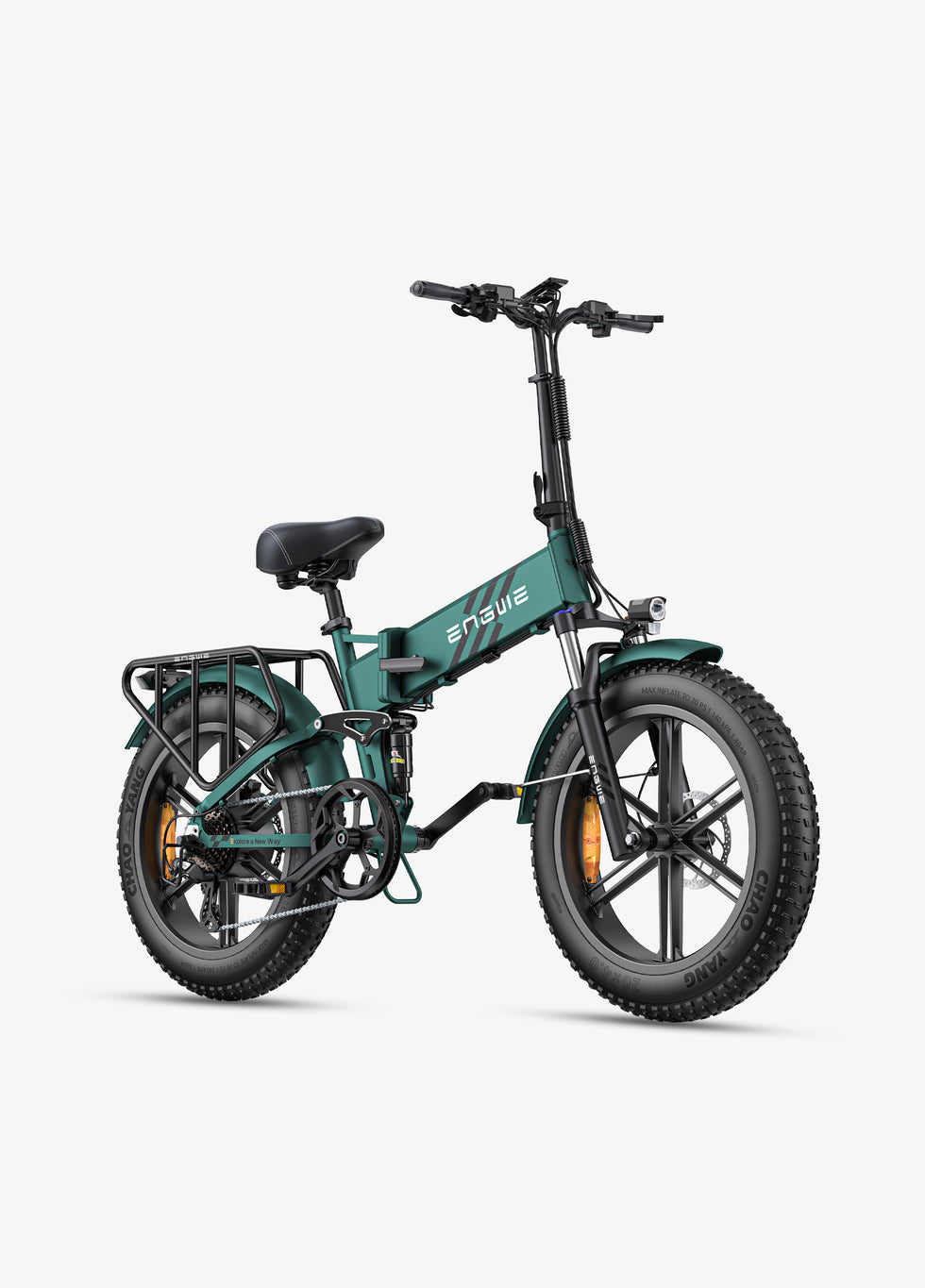
SUV eléctrico inteligente de 100 Nm con motor central y suspensión completa
Comprar ahoraENGWE Zip Movilidad plegable y compacta para ciclistas que priorizan el espacio de almacenamiento.
Parámetros principales: Motor de buje trasero de 250 W | 40 Nm | Batería extraíble de 360 Wh | Hasta 120 km con asistencia al pedaleo (PAS) nivel 1 | 16,9 kg sin batería | Sistema de plegado triple en tres segundos | Frenos de disco hidráulicos
Zip toma el bicicleta eléctrica compacta La idea apunta en una dirección muy diferente. Su característica principal no es el par máximo ni una batería grande, sino la portabilidad.
Eso cambia la forma en que deben interpretarse las especificaciones. Una batería de 360 Wh es más pequeña que las utilizadas en las series L20 u O20, pero una batería más pequeña también se ajusta al propósito de una plataforma más ligera y compacta.
El motor de buje trasero de 250 W produce 40 Nm y funciona con un sensor de par, mientras que los neumáticos híbridos urbanos de 16 × 1,95 pulgadas mantienen el conjunto compacto.Los frenos de disco hidráulicos, la transmisión Shimano de 7 velocidades y la tija de sillín con suspensión le proporcionan a la bicicleta el equipamiento necesario para el uso diario en la ciudad sin convertirla en una bicicleta plegable pesada.
Para un ciclista que se enfrenta a un pequeño ascensor, almacenamiento en un apartamento, almacenamiento en una oficina o transiciones frecuentes entre la bicicleta y otros medios de transporte, Zip tiene la identidad más claramente orientada a la portabilidad entre estos

¿Son los destacados? ENGWE ¿Las bicicletas eléctricas son aptas para circular por carretera en Alemania e Italia?
Las versiones para el mercado de la UE que se muestran aquí están diseñadas con un sistema de asistencia al pedaleo de 250 W y un límite de asistencia de 25 km/h, pero los ciclistas deben usar la versión local correcta y mantener la bicicleta en su configuración reglamentaria. La certificación EN15194 garantiza la conformidad del producto; no debe considerarse un sustituto de todas las normas de circulación específicas de cada país.
Explicación de las normas de 250 W y 25 km/h
A nivel de la UE, una bicicleta con asistencia al pedaleo queda fuera del marco de homologación de vehículos a motor establecido en el Reglamento (UE) n.º 168/2013 cuando su motor eléctrico auxiliar tiene una potencia nominal continua máxima de no más de 250 W, la asistencia se detiene cuando el ciclista deja de pedalear y se reduce progresivamente hasta su interrupción definitiva antes de que la bicicleta alcance los 25 km/h.
Alemania utiliza la misma definición básica en el §63a de la StVZO: una bicicleta eléctrica de pedaleo asistido, considerada como una bicicleta convencional, puede usar un motor eléctrico con una potencia nominal continua máxima de 0,25 kW, cuya asistencia se reduce progresivamente hasta alcanzar los 25 km/h o cuando se deja de pedalear. También se permite la asistencia al arranque o al caminar hasta 6 km/h.
El artículo 50 del Código de la Carretera de Italia define una bicicleta con asistencia al pedaleo como aquella equipada con un motor auxiliar continuo de 0,25 kW como máximo y una asistencia que se reduce progresivamente hasta alcanzar los 25 km/h o cuando el ciclista deja de pedalear. Asimismo, permite un control que funciona sin pedalear hasta los 6 km/h. Los vehículos modificados que no cumplan con la normativa pueden quedar fuera de la categoría de bicicleta ordinaria.
Esto también explica una especificación que se malinterpreta fácilmente. 100 Nm de par no significa que una bicicleta tenga un motor de 1000 W. Los vatios describen la potencia; los newton metros describen el par de rotación.
Verifique la certificación y el equipo específico del país.
La idoneidad para circular por carretera va más allá de leer "250 W" en la ficha técnica. Es importante elegir el modelo adecuado para la región, su sistema de asistencia a la conducción, la iluminación y el sistema de frenado.
El
Además, Alemania exige que las bicicletas tengan dos frenos independientes y un timbre audible, mientras que la normativa StVZO contiene requisitos detallados para la iluminación y los reflectores de las bicicletas.
La regla práctica es sencilla: compre la versión destinada al país donde se va a utilizar, mantenga intacta la configuración para uso en carretera y compruebe los requisitos locales si se modifica el equipamiento después de la compra.Eso es más fiable que suponer que todas las bicicletas eléctricas con el mismo nombre de modelo en todo el mundo tienen la misma configuración.
¿Podría el Día Sin Coches convertirse en el punto de partida de más desplazamientos diarios en bicicleta eléctrica?
El Día Sin Coches funciona mejor como un experimento práctico que como una declaración de un solo día. La Semana Europea de la Movilidad de la Comisión Europea promueve específicamente la movilidad activa, el transporte público y otras alternativas de transporte urbano sostenible, y el Día Sin Coches constituye la culminación del programa que se desarrolla del 16 al 22 de septiembre.
Para un ciclista individual, eso puede significar simplemente identificar qué trayectos cortos en coche son realmente reemplazables y elegir una bicicleta eléctrica que se adapte a esos trayectos.
Viajes urbanos cortos y desplazamientos diarios al trabajo
Es en los desplazamientos rutinarios donde las especificaciones cobran importancia. Un trayecto diario de 10 km con almacenamiento seguro en la planta baja tiene requisitos muy diferentes a un viaje de ida y vuelta de 30 km que incluye cuestas y una escalera en un edificio de apartamentos.
Para viajes frecuentes por la ciudad y las afueras, considere toda la rutina:
-
Distancia: Compare el kilometraje diario con un rango de asistencia realista, no solo con la cifra máxima de laboratorio.
-
Terreno: Las pendientes frecuentes hacen que el par motor, la transmisión y la disposición del motor sean más relevantes.
-
Acceso para cargar: Una batería extraíble puede resultar más útil que transportar la bicicleta completa hasta una toma de corriente.
-
Calidad de la carretera: La suspensión y el tipo de neumáticos cobran mayor importancia en pavimentos en mal estado, tramos de grava y rutas ciclistas irregulares.
-
Carga: Los portaequipajes y las bolsas compatibles son importantes cuando la bicicleta eléctrica sustituye a los viajes de compras o al trabajo, así como a los paseos recreativos.
-
Almacenamiento: En un apartamento, el peso de la bicicleta y sus dimensiones plegada pueden ser más importantes que la capacidad de la batería.
Entre las ofertas actuales de bicicletas eléctricas, el ahorro adecuado se consigue con la bicicleta que elimina la mayor parte de las dificultades del trayecto que realmente realizas.
Bicicletas plegables y ligeras para viajes multimodales
A bicicleta eléctrica plegable No se trata automáticamente de una bicicleta eléctrica ligera. Esta distinción es especialmente importante para quienes combinan el ciclismo con el almacenamiento en apartamentos, el tren, el ascensor o el coche.
El
Esa distinción es más útil que tratar cada bicicleta eléctrica compacta como intercambiables. Si una bicicleta se pliega una vez por semana para guardarla en un rincón, la comodidad y la capacidad de la batería pueden ser factores más importantes a la hora de decidir. Si tiene que pasar por un pequeño ascensor o moverse con frecuencia, el peso real de la bicicleta se convierte en una especificación mucho más importante.
Conclusión
El Día Sin Coches de 2026 es un buen momento para mirar más allá del descuento anunciado y preguntarse qué necesita hacer una bicicleta eléctrica en una mañana cualquiera de lunes.
El destacado
Por lo tanto, el siguiente paso útil no consiste simplemente en elegir el mayor descuento. Empiece por la distancia, las pendientes, el espacio de almacenamiento, el acceso a puntos de recarga y los tipos de terreno por los que circula con más frecuencia; luego, compare esas necesidades con las ofertas de bicicletas eléctricas pertinentes y la configuración local adecuada para Alemania o Italia.
Preguntas frecuentes
¿Es el? €685 <tc>ENGWE</tc> Día sin coches ahorrando €685 ¿Descuento en el precio de la bicicleta?
¿Es el? €685 <tc>ENGWE</tc> Día sin coches ahorrando €685 ¿Descuento en el precio de la bicicleta?
No. El titular €685 representa el valor promocional total para el <tc>L20 3.0 Pro</tc> en lugar de un €685 reducción del precio de la bicicleta solamente. El paquete actual combina una €100 ahorro en el precio de la bicicleta con una €199 caja de regalo, €159 garantía de segundo año, €69 bolsa de maletero, €89 portaequipajes trasero y €69 Guardabarros. Consulta la página del producto local al realizar tu pedido, ya que los artículos en promoción y su disponibilidad pueden variar.
Cual <tc>ENGWE</tc> ¿Es más fácil guardar una bicicleta eléctrica plegable en un apartamento?
Cual <tc>ENGWE</tc> ¿Es más fácil guardar una bicicleta eléctrica plegable en un apartamento?
El peso debe ser la primera especificación para comprobar si la bicicleta debe pasar regularmente por escaleras, ascensores o espacios interiores estrechos. Zip pesa 16,9 kg sin su batería extraíble y utiliza un diseño de triple pliegue, lo que le otorga una función de portabilidad. El O20 Boost pesa 26,5 kg y combina el plegado con una batería más grande de 720 Wh, lo que lo hace ideal para usuarios que buscan equilibrar el almacenamiento compacto con viajes diarios más largos.
¿Cuál es la diferencia práctica entre un motor de tracción media y un motor de cubo?
¿Cuál es la diferencia práctica entre un motor de tracción media y un motor de cubo?
Un motor central envía asistencia a través del sistema de transmisión de la bicicleta, de modo que las marchas seleccionadas pueden ayudar al motor a funcionar en arranques, pendientes y cambios de velocidad. <tc>L20 3.0 Pro</tc> y <tc>E26 3.0 Pro</tc> Por esta razón, utilice sistemas de transmisión central de 100 Nm. Un motor de buje acciona una rueda directamente; O20 Boost y <tc>L20 3.0 Boost</tc> Combinan motores en el buje trasero con sensores de par para proporcionar una asistencia eficaz en la conducción urbana y suburbana.
¿Puedo quitar la batería y cargarla lejos de la bicicleta?
¿Puedo quitar la batería y cargarla lejos de la bicicleta?
Sí, el destacado <tc>L20 3.0 Pro</tc>, <tc>L20 3.0 Boost</tc>, Impulso de O2, <tc>E26 3.0 Pro</tc> y Zip utilizan baterías extraíbles. Esto es importante cuando la bicicleta se guarda en un garaje, área común u otro lugar sin una toma de corriente conveniente. La capacidad de la batería y la salida del cargador aún difieren considerablemente: por ejemplo, <tc>L20 3.0 Pro</tc> Combina una batería de 720 Wh con un cargador de 8 A, mientras que Zip utiliza una batería compacta de 360 Wh y carga PD 3.0.
¿Cómo debo comparar las afirmaciones sobre la autonomía de las bicicletas eléctricas antes de comprarlas?
¿Cómo debo comparar las afirmaciones sobre la autonomía de las bicicletas eléctricas antes de comprarlas?
Comience con la distancia diaria que recorre y el nivel de asistencia que prevé utilizar, y luego deje un margen para pendientes, clima frío, peso del ciclista, paradas y presión de los neumáticos. La autonomía máxima no garantiza la distancia total para ir al trabajo. <tc>ENGWE</tc> Publica cifras de nivel de asistencia para varios modelos: el O20 Boost, por ejemplo, registra 141 km en PAS 1, 108 km en PAS 3 y 80 km en PAS 5 en sus pruebas de ciclismo, lo que ilustra cómo la demanda de asistencia afecta la autonomía.