





off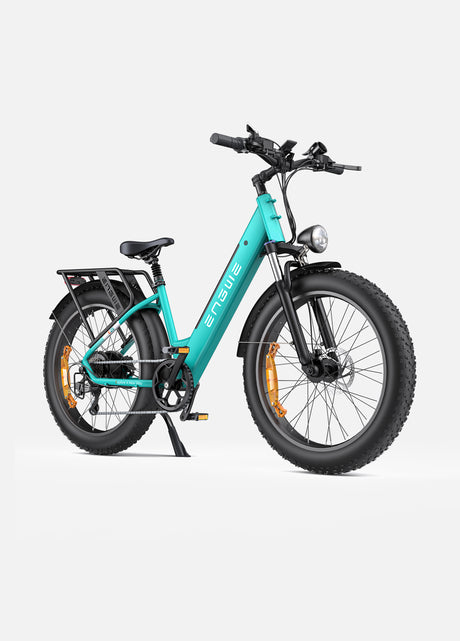





off


E-Bikes Under €2,000: Frequently Asked Questions
What should I look for in the best e-bike under €2,000?
What should I look for in the best e-bike under €2,000?
The best e-bike under €2,000 is the one whose motor layout, range, frame and weight match your real route. Start with where you ride most, how much climbing you do, whether you need to fold or carry the bike, and how often you want to charge.
- ENGWE P275 SE — 250W hub motor, torque sensor, 100 km PAS 1 range, 24 kg: suited to everyday city riding where smooth assistance and manageable weight matter.
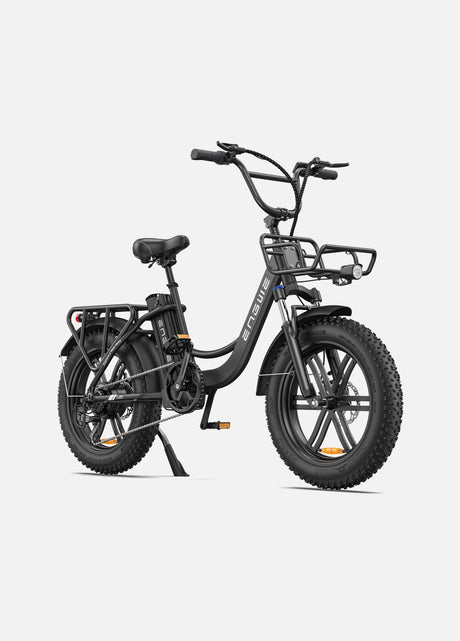
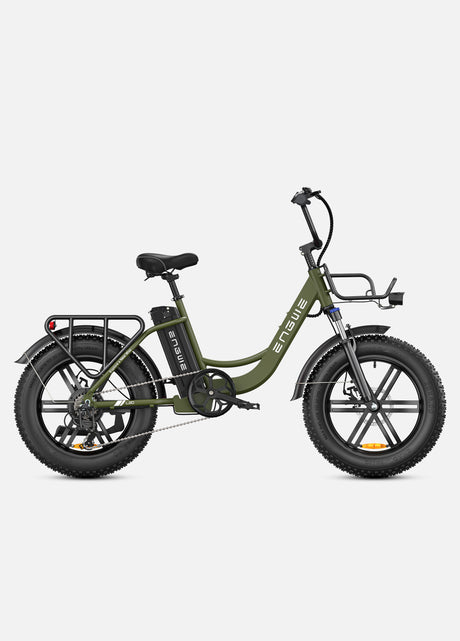
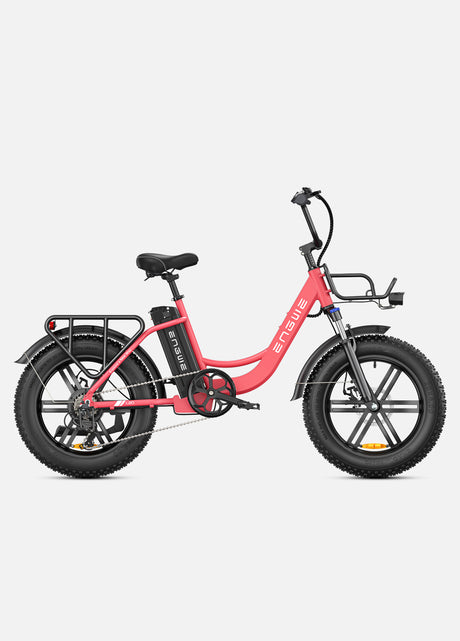
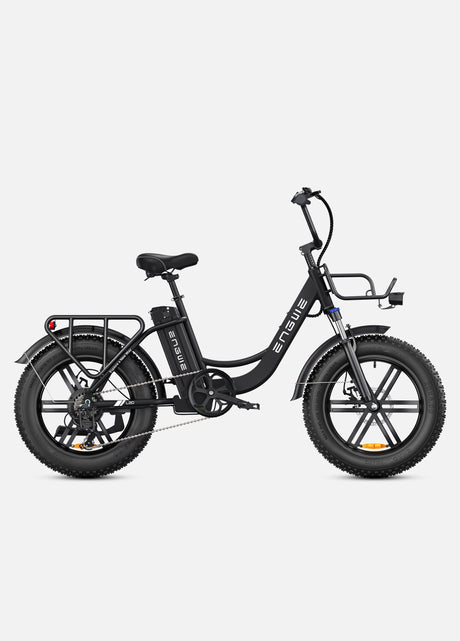
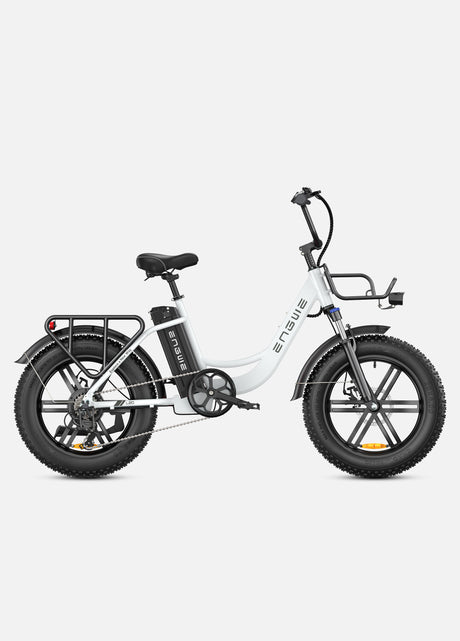
- ENGWE L20 3.0 Pro — 250W mid-drive, 100 Nm, full suspension, 140 km PAS 1 real-world range: suited to riders prioritising hill support, comfort and longer trips.
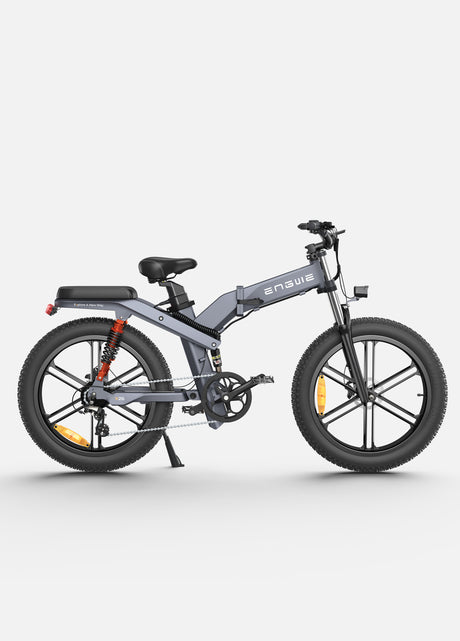
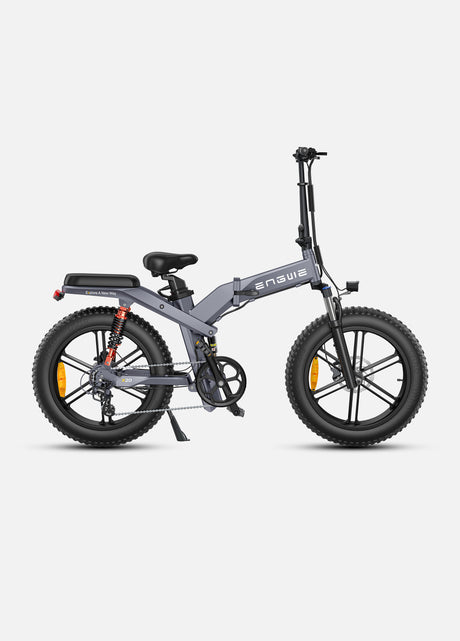
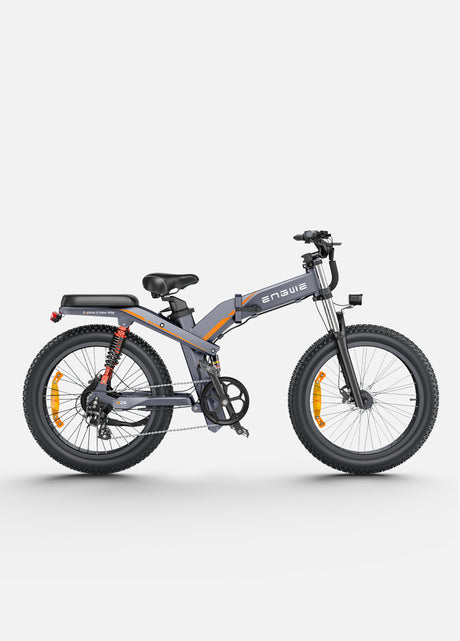
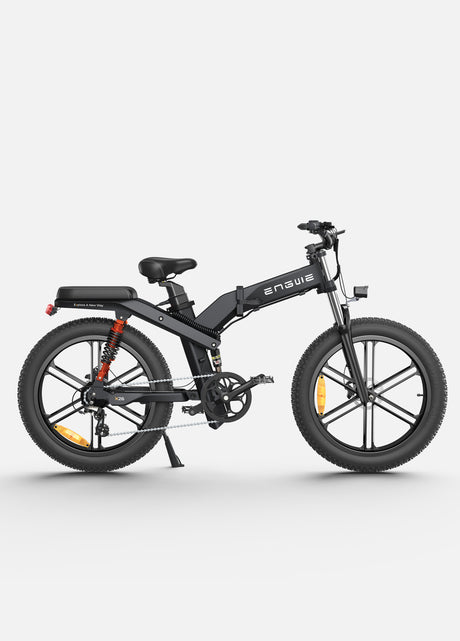
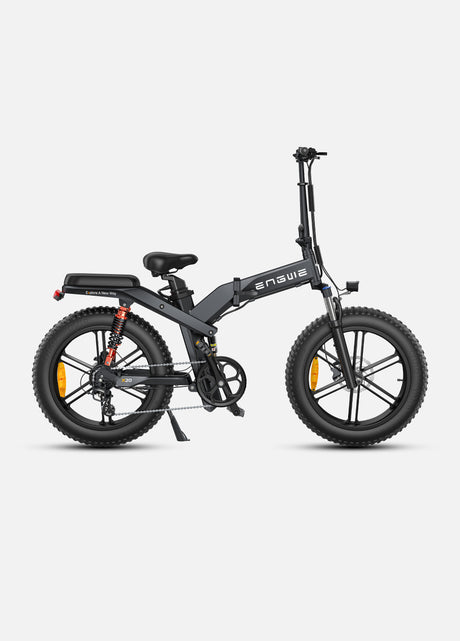
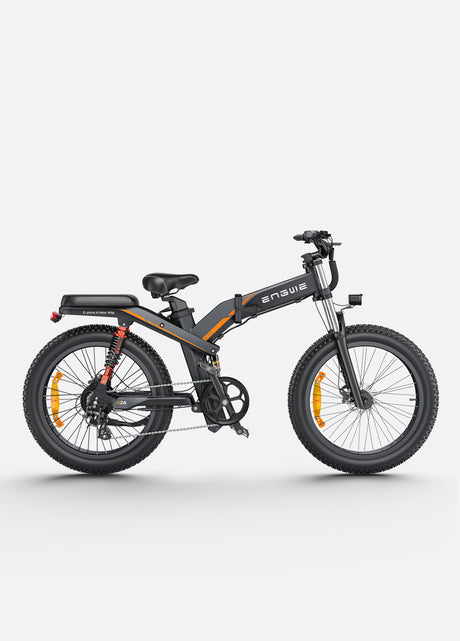
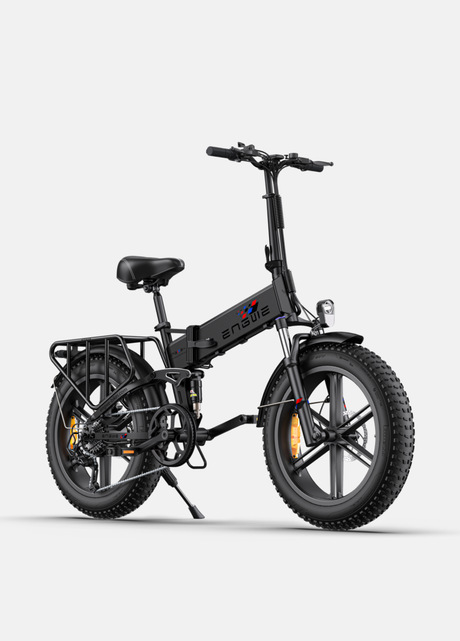
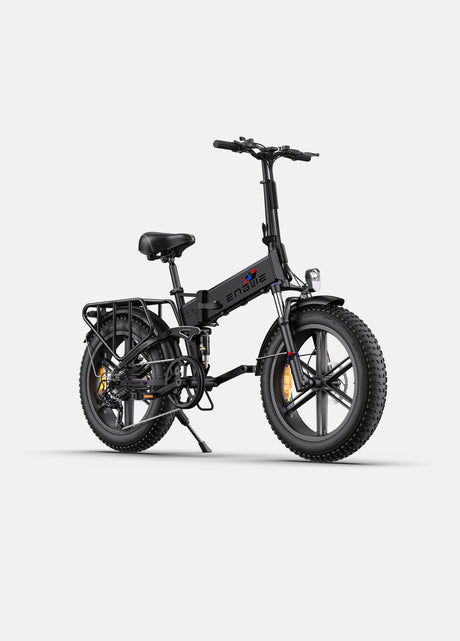
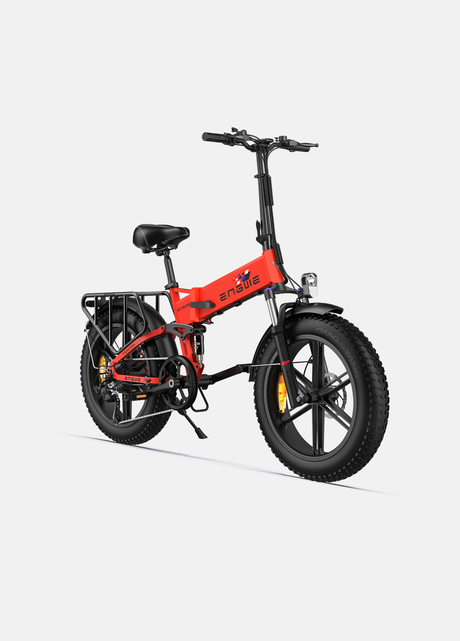
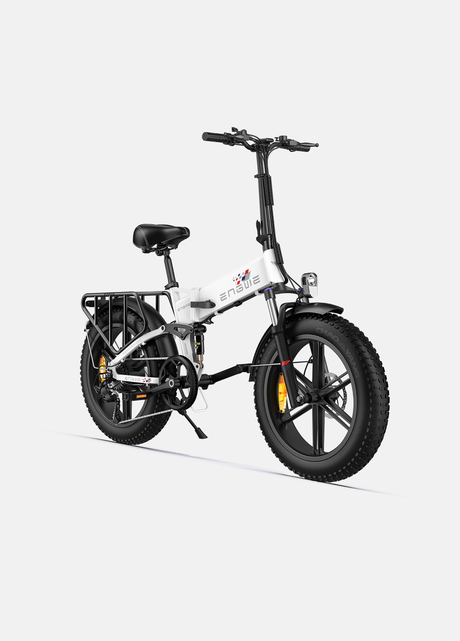
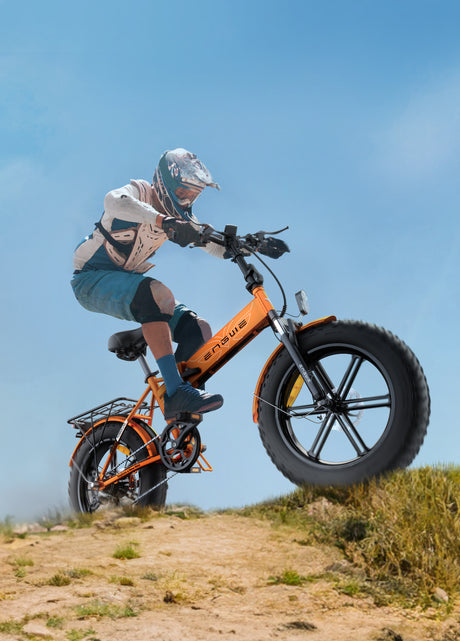
- ENGWE Engine Pro 3.0 Boost — 90 Nm, full suspension, 130 km PAS 1 range, folding frame: suited to mixed-surface rides where traction, comfort and storage flexibility matter.
The best e-bike under €2,000 is the one whose motor layout, range, frame and weight match your real route. Start with where you ride most, how much climbing you do, whether you need to fold or carry the bike, and how often you want to charge.
- ENGWE P275 SE — 250W hub motor, torque sensor, 100 km PAS 1 range, 24 kg: suited to everyday city riding where smooth assistance and manageable weight matter.
- ENGWE L20 3.0 Pro — 250W mid-drive, 100 Nm, full suspension, 140 km PAS 1 real-world range: suited to riders prioritising hill support, comfort and longer trips.
- ENGWE Engine Pro 3.0 Boost — 90 Nm, full suspension, 130 km PAS 1 range, folding frame: suited to mixed-surface rides where traction, comfort and storage flexibility matter.
Which ENGWE e-bike under €2,000 is best for commuting in Italy?
Which ENGWE e-bike under €2,000 is best for commuting in Italy?
For commuting in Italy, focus on bike weight, riding position, storage, range and whether you need a rack. A lighter city bike is easier to carry; a folding model reduces storage space; a higher-capacity battery can reduce charging frequency on longer commutes.
- ENGWE N1 Air — 15.6 kg, torque sensor, removable Samsung battery, up to 100 km PAS 1 range: suited to riders who regularly lift or carry their bike.
- ENGWE P20 — 18.5 kg, folding frame, torque sensor, hydraulic disc brakes, 100 km range: suited to compact storage and multimodal commuting.
- ENGWE O20 Boost — folding step-through frame, 75 Nm, 720 Wh battery, 141 km PAS 1 range: suited to longer urban trips, hills and riders who want easier mounting.
For commuting in Italy, focus on bike weight, riding position, storage, range and whether you need a rack. A lighter city bike is easier to carry; a folding model reduces storage space; a higher-capacity battery can reduce charging frequency on longer commutes.
- ENGWE N1 Air — 15.6 kg, torque sensor, removable Samsung battery, up to 100 km PAS 1 range: suited to riders who regularly lift or carry their bike.
- ENGWE P20 — 18.5 kg, folding frame, torque sensor, hydraulic disc brakes, 100 km range: suited to compact storage and multimodal commuting.
- ENGWE O20 Boost — folding step-through frame, 75 Nm, 720 Wh battery, 141 km PAS 1 range: suited to longer urban trips, hills and riders who want easier mounting.
Which e-bike under €2,000 should I choose for hills?
Which e-bike under €2,000 should I choose for hills?
For frequent hills, look first at motor placement, torque, gearing and battery capacity. A mid-drive sends assistance through the bike’s drivetrain, so the motor can work with the gears as gradients change. A hub motor drives the wheel directly and can provide strong, simple assistance for mixed urban and leisure routes.
- ENGWE E26 3.0 Pro — 250W mid-drive, 100 Nm, 720 Wh battery, Shimano 8-speed: suited to sustained climbs and varied mixed-terrain riding.
- ENGWE L20 3.0 Pro — 250W mid-drive, 100 Nm, torque sensor, Shimano 7-speed: suited to compact step-through riding with frequent gradients.
- ENGWE Engine Pro 3.0 Boost — 90 Nm rear-hub assistance, torque sensor, 720 Wh battery: suited to riders who want direct boost support plus full-suspension comfort on mixed routes.
For frequent hills, look first at motor placement, torque, gearing and battery capacity. A mid-drive sends assistance through the bike’s drivetrain, so the motor can work with the gears as gradients change. A hub motor drives the wheel directly and can provide strong, simple assistance for mixed urban and leisure routes.
- ENGWE E26 3.0 Pro — 250W mid-drive, 100 Nm, 720 Wh battery, Shimano 8-speed: suited to sustained climbs and varied mixed-terrain riding.
- ENGWE L20 3.0 Pro — 250W mid-drive, 100 Nm, torque sensor, Shimano 7-speed: suited to compact step-through riding with frequent gradients.
- ENGWE Engine Pro 3.0 Boost — 90 Nm rear-hub assistance, torque sensor, 720 Wh battery: suited to riders who want direct boost support plus full-suspension comfort on mixed routes.
Can I get a long-range e-bike for under €2,000?
Can I get a long-range e-bike for under €2,000?
Yes. Several ENGWE e-bikes below €2,000 are designed for long daily distances. Compare PAS-level range rather than only the largest headline figure, because higher assistance, hills, rider weight, temperature and frequent stops all reduce real-world distance. For a 20 km daily round trip, a 100–140 km test-range figure can represent several commutes between charges under favourable conditions.
- ENGWE L20 3.0 Pro — 140 km PAS 1, 110 km PAS 3 and 96 km PAS 5 real-world range: useful when long-range capability and full-suspension comfort are both priorities.
- ENGWE O20 Boost — 141 km PAS 1, 108 km PAS 3 and 80 km PAS 5: suited to longer city and mixed-surface rides.
- ENGWE Engine Pro 3.0 Boost — 130 km PAS 1, 108 km PAS 3 and 80 km PAS 5: suited to longer rides that also benefit from fat tyres and full suspension.
Yes. Several ENGWE e-bikes below €2,000 are designed for long daily distances. Compare PAS-level range rather than only the largest headline figure, because higher assistance, hills, rider weight, temperature and frequent stops all reduce real-world distance. For a 20 km daily round trip, a 100–140 km test-range figure can represent several commutes between charges under favourable conditions.
- ENGWE L20 3.0 Pro — 140 km PAS 1, 110 km PAS 3 and 96 km PAS 5 real-world range: useful when long-range capability and full-suspension comfort are both priorities.
- ENGWE O20 Boost — 141 km PAS 1, 108 km PAS 3 and 80 km PAS 5: suited to longer city and mixed-surface rides.
- ENGWE Engine Pro 3.0 Boost — 130 km PAS 1, 108 km PAS 3 and 80 km PAS 5: suited to longer rides that also benefit from fat tyres and full suspension.
Which e-bike under €2,000 is easiest to fold and store?
Which e-bike under €2,000 is easiest to fold and store?
If storage or carrying is a daily issue, compare folded size and bike weight before motor torque. A folding hinge makes a bike smaller, but a heavy folding bike can still be difficult to carry upstairs or onto public transport.
- ENGWE P20 — 18.5 kg and a folded size of 90 × 42 × 62 cm: designed for riders who need a compact e-bike that can be lifted and stored more easily.
- ENGWE O20 Boost — 26.5 kg with a folding step-through frame and 720 Wh battery: suited to riders who want compact storage while retaining longer-range capacity and front suspension.
If storage or carrying is a daily issue, compare folded size and bike weight before motor torque. A folding hinge makes a bike smaller, but a heavy folding bike can still be difficult to carry upstairs or onto public transport.
- ENGWE P20 — 18.5 kg and a folded size of 90 × 42 × 62 cm: designed for riders who need a compact e-bike that can be lifted and stored more easily.
- ENGWE O20 Boost — 26.5 kg with a folding step-through frame and 720 Wh battery: suited to riders who want compact storage while retaining longer-range capacity and front suspension.
Should I choose a mid-drive or hub-motor e-bike under €2,000?
Should I choose a mid-drive or hub-motor e-bike under €2,000?
A mid-drive motor sits at the crank and sends assistance through the bike’s gears, while a hub motor drives the wheel directly. Mid-drive systems are useful when gradients change often because gearing affects how the motor delivers torque. Hub systems suit many city, folding and mixed-use designs because assistance is delivered directly at the wheel.
- ENGWE E26 3.0 Pro — 250W mid-drive, 100 Nm and Shimano 8-speed: configured for hills and varied surfaces.
- ENGWE L20 3.0 Pro — 250W mid-drive, 100 Nm and torque sensor: combines mid-drive assistance with a compact step-through full-suspension frame.
- ENGWE O20 Boost — 250W hub motor, 75 Nm and torque sensor: combines direct wheel assistance with a folding frame for city and mixed-surface use.
A mid-drive motor sits at the crank and sends assistance through the bike’s gears, while a hub motor drives the wheel directly. Mid-drive systems are useful when gradients change often because gearing affects how the motor delivers torque. Hub systems suit many city, folding and mixed-use designs because assistance is delivered directly at the wheel.
- ENGWE E26 3.0 Pro — 250W mid-drive, 100 Nm and Shimano 8-speed: configured for hills and varied surfaces.
- ENGWE L20 3.0 Pro — 250W mid-drive, 100 Nm and torque sensor: combines mid-drive assistance with a compact step-through full-suspension frame.
- ENGWE O20 Boost — 250W hub motor, 75 Nm and torque sensor: combines direct wheel assistance with a folding frame for city and mixed-surface use.
Are ENGWE e-bikes under €2,000 legal to ride in Italy?
Are ENGWE e-bikes under €2,000 legal to ride in Italy?
For a standard pedal-assist e-bike to fall within the usual bicycle rules in Italy, the auxiliary motor must have a maximum continuous rated power of 250 W, assistance must stop when you stop pedalling, and it must progressively reduce and cut off before 25 km/h. Always use the bike in its road-legal configuration.
- ENGWE E26 3.0 Pro — 250W mid-drive, 25 km/h assistance limit and CE EN15194 certification: configured around EU pedal-assist requirements.
- ENGWE L20 3.0 Pro — 250W mid-drive and CE EN15194 certification: a compact full-suspension option for riders who want a certified pedelec platform.
- ENGWE Engine Pro 3.0 Boost — EU-legal 250W specification with CE EN15194 certification: a folding full-suspension option for mixed routes.
For a standard pedal-assist e-bike to fall within the usual bicycle rules in Italy, the auxiliary motor must have a maximum continuous rated power of 250 W, assistance must stop when you stop pedalling, and it must progressively reduce and cut off before 25 km/h. Always use the bike in its road-legal configuration.
- ENGWE E26 3.0 Pro — 250W mid-drive, 25 km/h assistance limit and CE EN15194 certification: configured around EU pedal-assist requirements.
- ENGWE L20 3.0 Pro — 250W mid-drive and CE EN15194 certification: a compact full-suspension option for riders who want a certified pedelec platform.
- ENGWE Engine Pro 3.0 Boost — EU-legal 250W specification with CE EN15194 certification: a folding full-suspension option for mixed routes.
