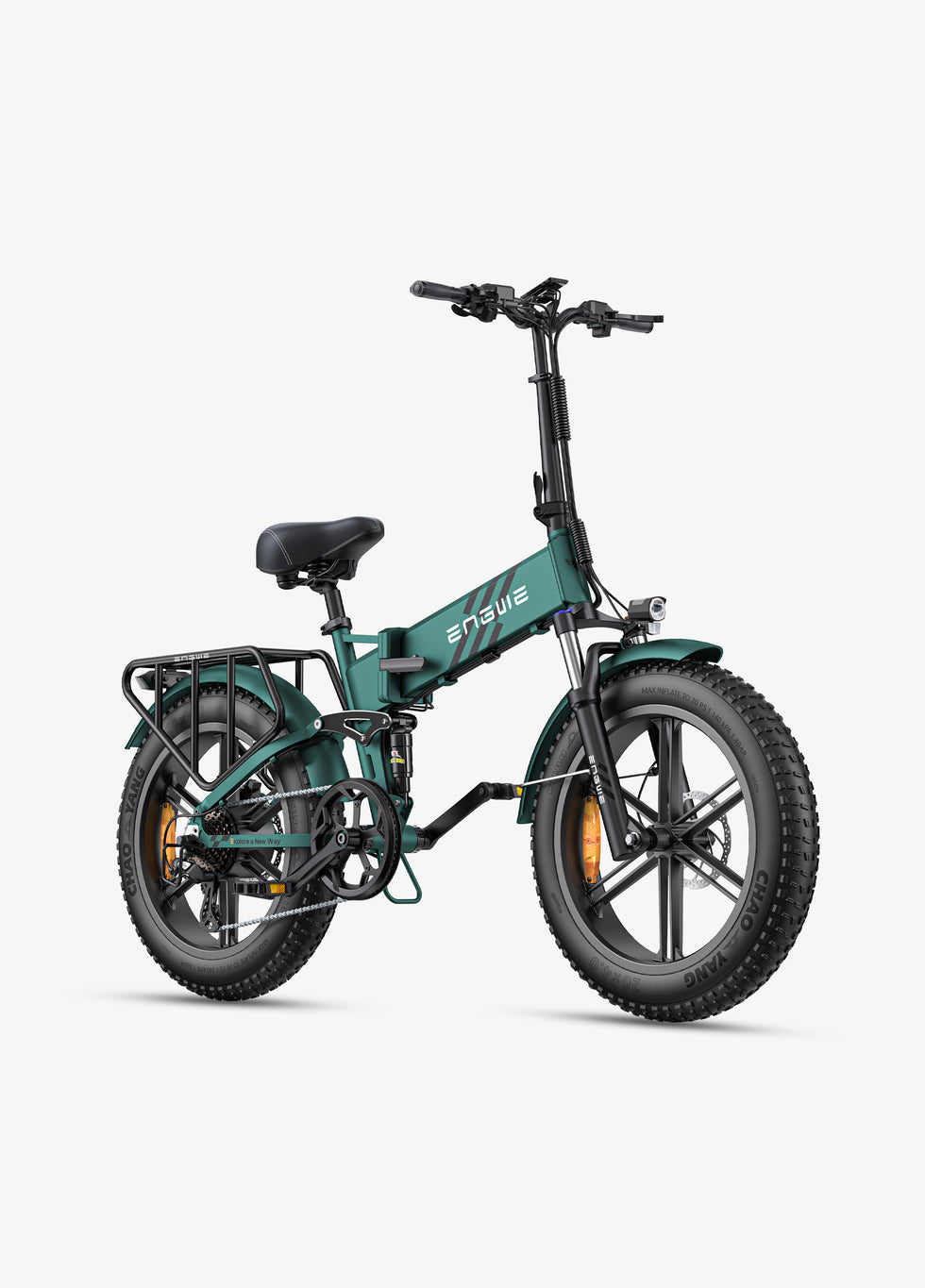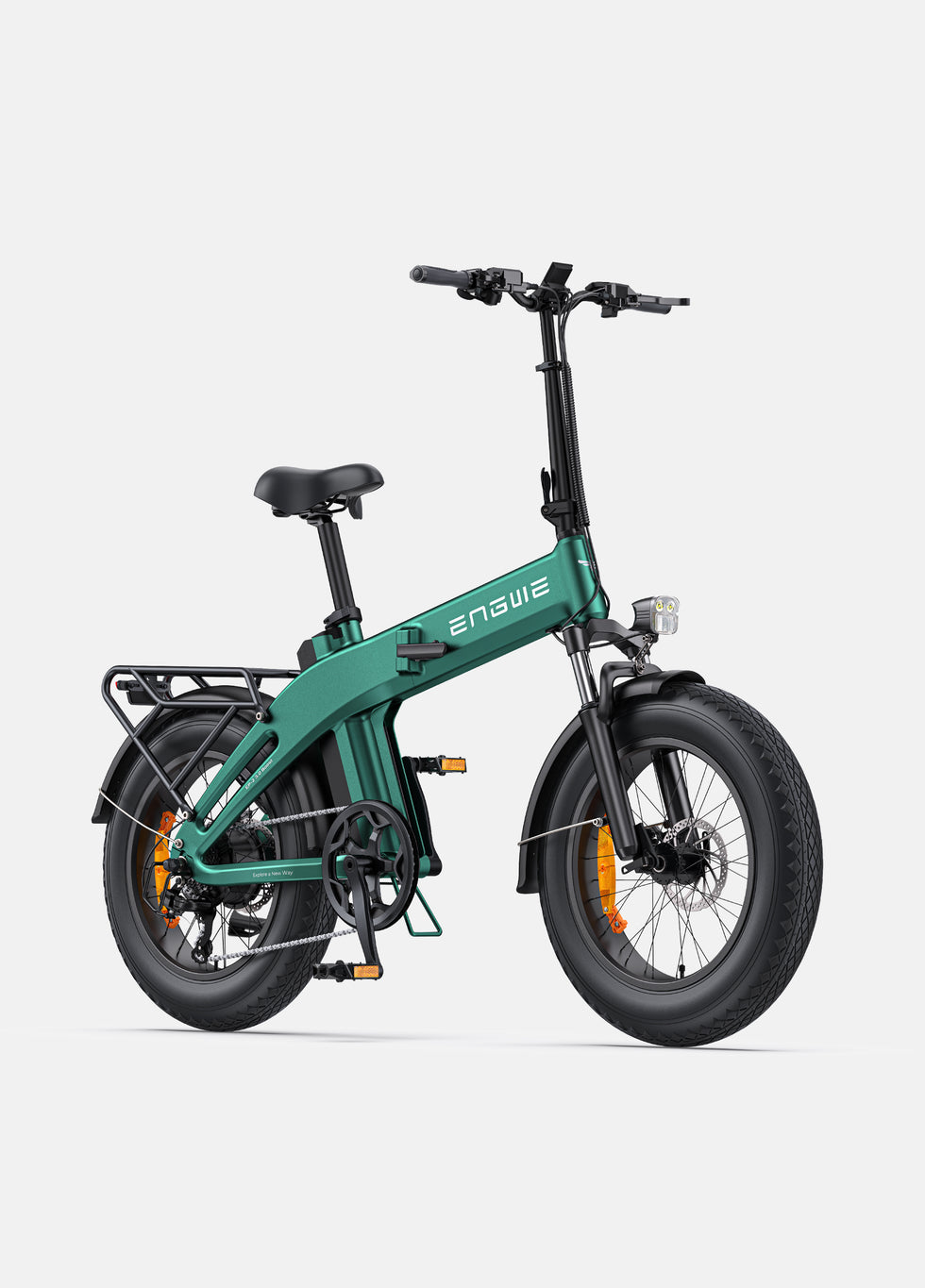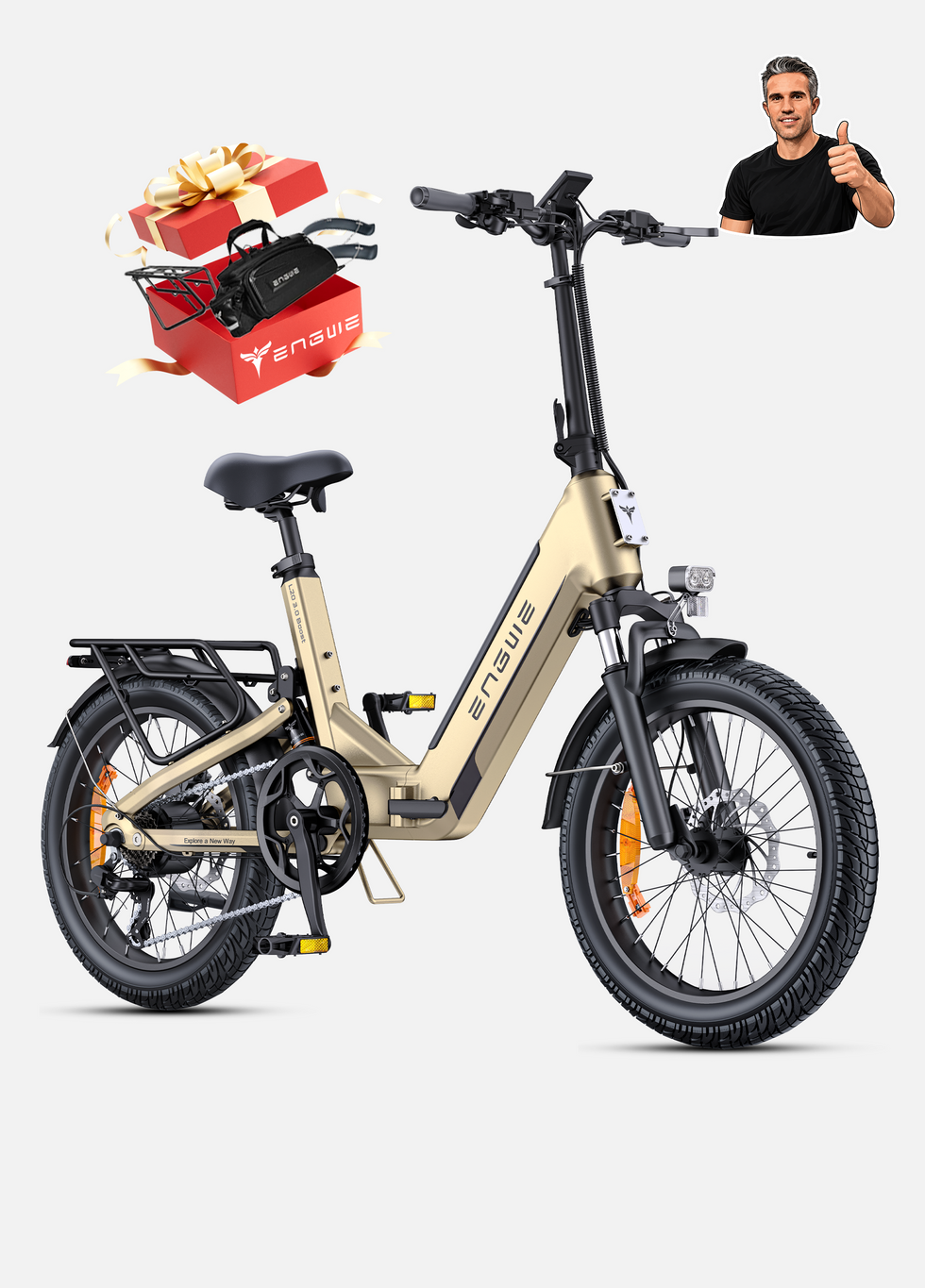

Interested in experiencing the thrill of electric riding on two wheels without a valid motorcycle license, registration, or insurance? E-bikes, 25 km/h, and the Modern World: The Best of Both Worlds. There could not be an easier, healthier, or more ecological way to get around on two wheels. These beasts of the street are engineered for regulations so they can be accessed by almost everybody. This guide will walk you through the top options and everything else you need to know so you can choose the perfect ride for your urban adventures.
Our Top Pick for Urban Riding: ENGWE L20 3.0 Boost
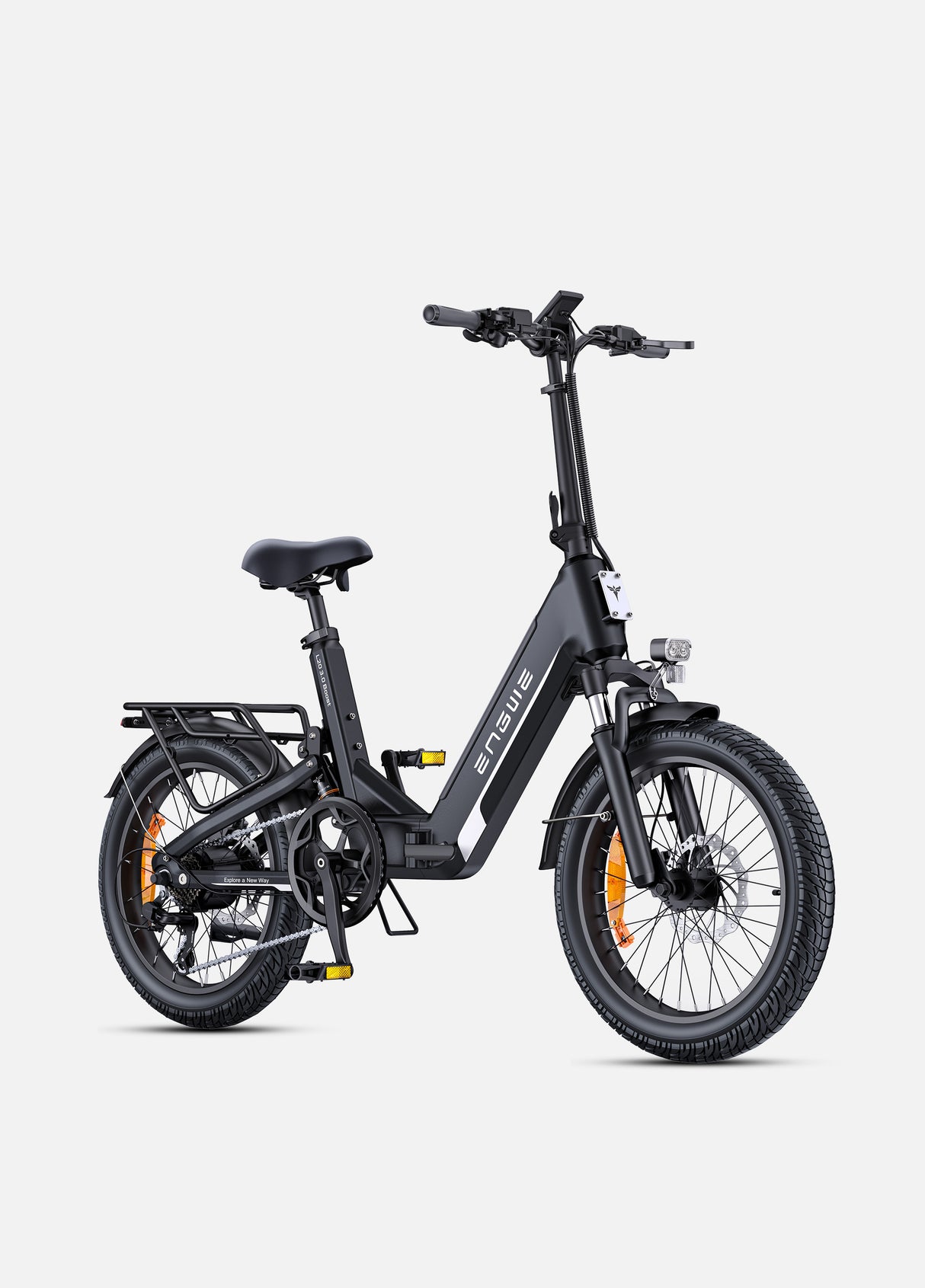
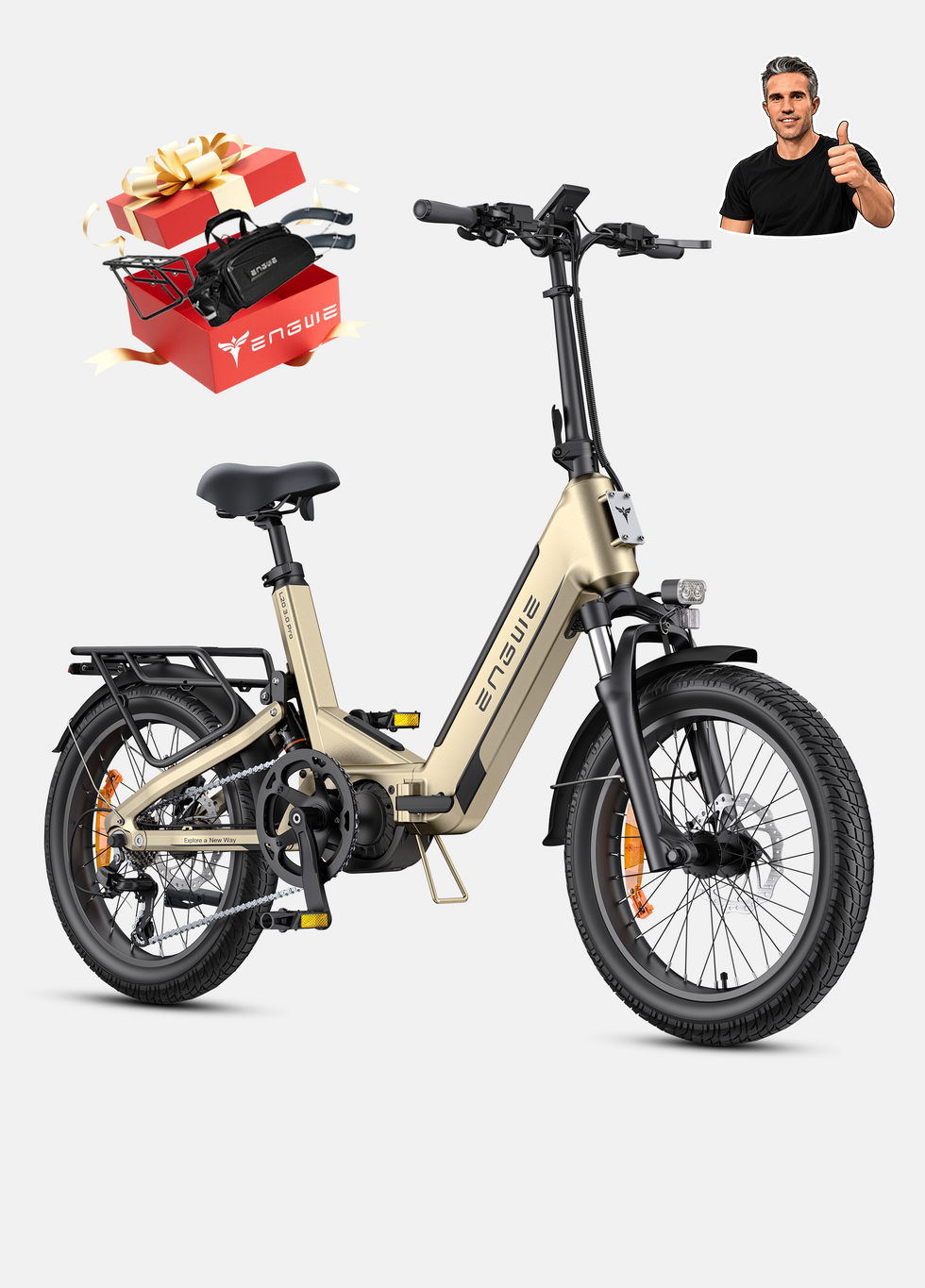
When in the pursuit of design, comfort, and performance within the license-free classification, the ENGWE L20 3.0 Boost is in a league of its own. It is designed not just to comply with the 25 km/h category but also to offer a riding experience without equal in that category. Its most innovative detail, however, is that it's the first compact e-bike to feature a full-suspension system, something that turns bumpy city streets into smooth and pretty much vibration-free roads by absorbing almost all vibrations. Boost Mode alone is a game changer for city hills, giving you 75Nm of instant torque to climb with ease. In addition, the advanced torque sensing capabilities contribute even greater to that natural and intuitive riding feel, almost like a bit of the bike is a part of you. This is the ideal model for those who would like an electric bike that can be extremely compliant as well as very agile.

Key Features That Redefine Commuting:
- Unrivaled Ride Quality: The best full-suspension system offers a smooth ride on any urban terrain.
- Power When You Need It: With 75Nm of boost mode power, you’ll make quick work of steep climbs and finish sprints without breaking a sweat.
- Minimal Downtime: Recharge the slim battery to full capacity in 2 hours with our fast charger for a more active commute.
- Natural and Smooth Riding Experience: With the advanced torque sensor, the motor power better matches your own pedaling. You will get a natural and smooth assist system; it is an intuitive riding experience.
- Ultimate Portability: With a lightweight design, this e-bike can be easily moved around an apartment, office, or into the back of your car for use anywhere and anytime.
| Specification | Description |
|---|---|
| Motor | 250W EU Standard Hub Motor |
| Max Torque | 75Nm (930W) Boost Mode |
| Battery | 48V 13.5Ah (648Wh) Lithium-Ion |
| Max Distance | 135 km (in PAS1) |
| Charging | 8A Fast Charger (Approx. 2-hour charge time) |
| Suspension | Full suspension (Front/Back) |
| Brakes | 180mm Hydraulic Disc Brakes |
| Wheels | 20" x 3.0" Puncture-Resistant Urban Tires |
| Sensor | Torque sensor |
| Max Load | 150kg (330 lbs) |
Grasping the "No License Required" Legal Scene
Whether you need a license for an electric bike has to do with the technical specifics of e-bikes, which are more or less defined at the European Union level (as EPAC — Electrically Power Assisted Cycles). Knowing these rules is the first aspect of making a wise purchase and ensuring your e-bike is street-legal. At its root is the idea that the bike should augment your own pedaling, not replace it altogether with motorized assistance. The latter is what distinguishes it from a moped or motorcycle. This way, if a purchase goes through, you know for sure that it's legal and won't come back to haunt you later.
Main Legal Requirements to Check:
- Motor Power: The maximum continuous rated power must not exceed 250W.
- Speed Limitation: The motor assistance has to switch off when you reach a speed of 25 km/h, which means that you can pedal up to a higher speed but the motor won't assist you further.
- Pedal-Assist System (PAS): The motor is only powered while you are pedaling. Some models even have a 'walk assist' mode that can push the bike up to 6 km/h without pedaling, which is usually permissible.
Smart Buyer's Pre-Purchase Checklist:
- Check for Certification: The e-bike must possess a CE mark or have a certificate of conformity from the manufacturer stating that it complies with EU standards.
- Know Throttle Laws: Beware of e-bikes with throttles that function without pedaling above 6 km/h — they may fall into a legally distinct category, necessitating a license and insurance.
- Verify Local Variations: Although EPAC rules are prevalent, be sure to check what the local or national rules may require that's slightly different.

Pair Your Electric Bike Type with Your Lifestyle
Not all 25 km/h e-bikes are created equal. Perhaps the second most important aspect is choosing which category of e-bike fits best with your typical ride and lifestyle. Choose the wrong kind and you risk a day of nonstop hunching over, laced with back pain, while the right one responds as if it had been custom-built for you. There’s a variation to fit your activity, be it daily commuting, weekend cruising, or ferrying groceries. This choice will affect your bike’s practicality, ride comfort, and general usability more than any other single element.
Most Popular E-Bike Categories:
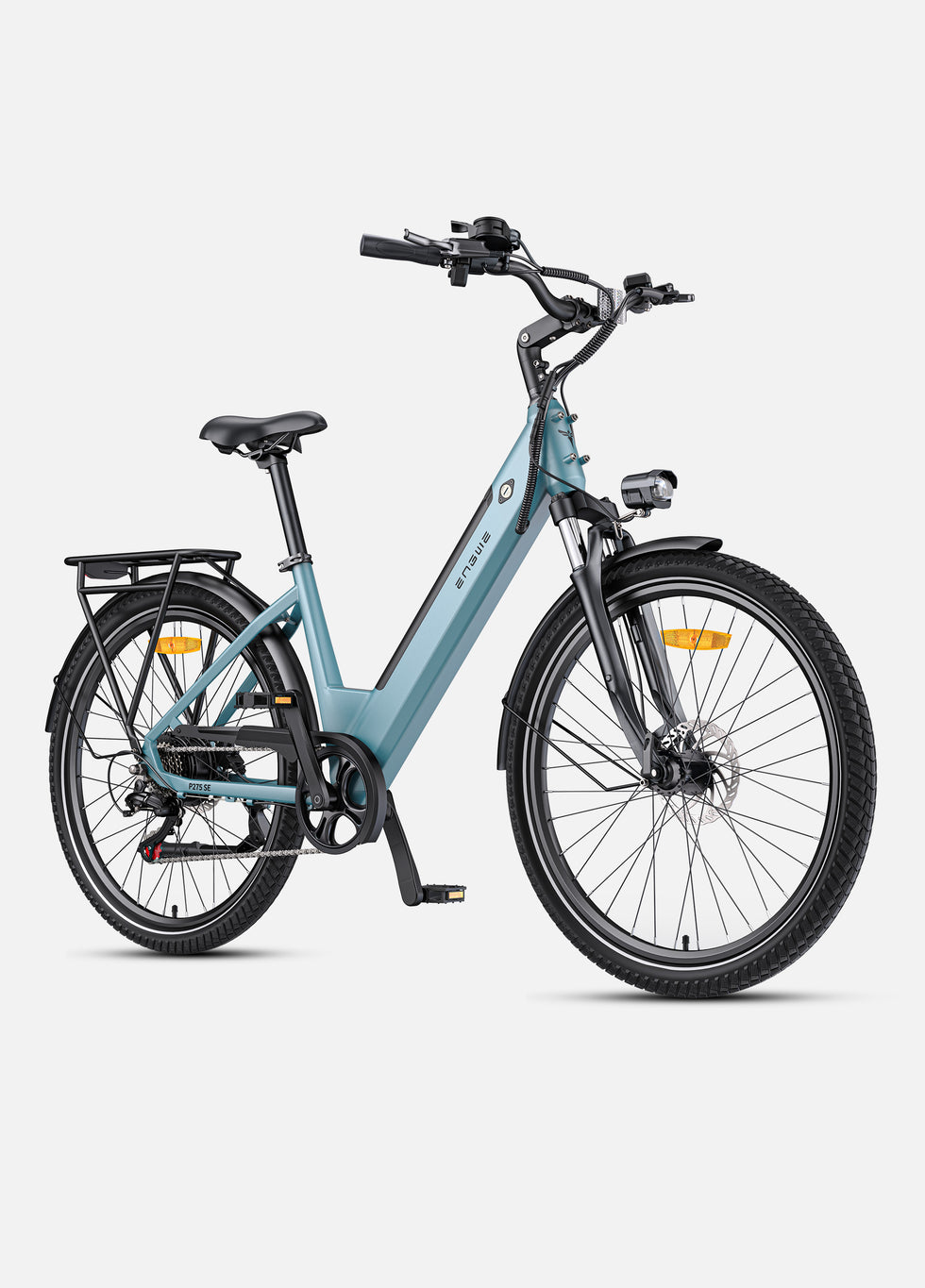
- Urban Commuter E-Bikes: These are the workhorses of the city. Most of the time, they offer useful amenities for daily commutes. Ideal uses: Daily commute to the office, running errands, and cruising on predictable city-paved roads. Seek models with built-in fenders, racks, and lights.
- Folding E-Bikes: They’ve got the power of portability on their side. These are for multi-modal commuting (bike + train, etc.) or for saving space. Who it’s for: Apartment-dwellers, boat owners, and commuters who need a 'last-mile' solution. However, the folded dimensions and weight are things to consider before purchasing.
- Hybrid E-Bikes: The all-rounders. They combine the characteristics of road and mountain bikes, allowing them to be versatile for various terrain types. Best for: Cyclists who want a bike for weekday commuting and weekend outings along light trails or park paths. Front suspension and tires wider than those of a typical commuter are common.
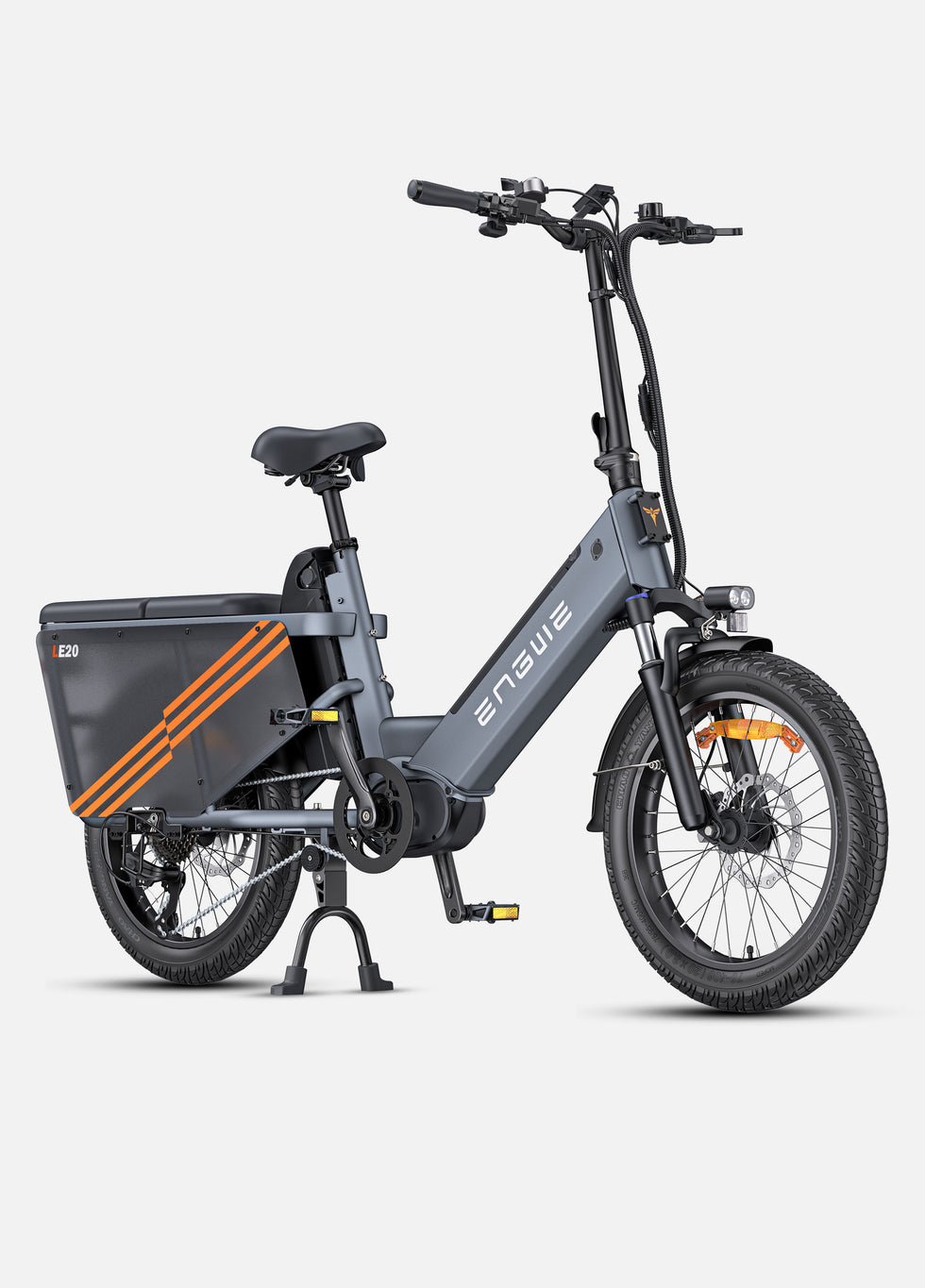
- Cargo E-Bikes: Made for heavy hauling. They have long frames and strong racks and can carry a lot of weight. Best for: Substituting for a car on grocery hauls, school drop-offs, or deliveries for small businesses. They offer unmatched utility.
Essential Features and Quality-Check Masterclass
Beyond brand and type, the third dimension takes you to the most essential parts. Knowing what distinguishes a great electric bike will enable you to make decisions that result in lasting satisfaction with your purchase. Because the battery, brakes, and sensor system are what’s most important on an e-bike — in terms of performance, safety, and ease of use — concentrating on those key features is the only way to make sure you get great value and have as safe a ride as possible. Upgraded components typically cost more, but it’s an investment that should save money in repairs and upgrades down the road. That knowledge enables you to read a spec sheet like a pro and immediately identify where manufacturers have spent money on quality, and where they’ve skimped.
The Power and Control Trio:
- Motor: In the world of 250W motors, there are hub-drive (in the wheel) and mid-drive (at the pedals). Hub motors are common and well-liked, but mid-drives typically offer a more balanced feel and better climbing capabilities.
- Battery: The most precise indicator of range is the Watt-hours (Wh) rating, which is Volts x Amp-hours. The higher this Wh number, the longer the potential range. Never store the battery fully charged or empty for a long period.
- Sensor: A torque sensor is a premium feature that measures how hard you pedal, delivering balanced power. That’s way better than a cadence sensor, as found on lower-end e-bikes, where it just knows you’re pedaling and doles out a fixed level of assistance.
Essential Safety and Durability Features:
- Brakes: Hydraulic disc brakes are much better than mechanical disc or rim brakes, as they stop the electric bike quickly and safely, even in the rain.
- Tires: Invest in puncture-resistant tires to avoid flats. The width should be suitable for your primary riding surface — narrower for speed on pavement, wider for comfort and grip over varied terrain.
- Frame Quality: Find a frame constructed from 6061 or comparable grade aluminum alloy, which gives an excellent combination of strength, weight, and anti-corrosion properties.

Rounding Out the Top Contenders
Although the ENGWE L20 3.0 Boost is our top pick, the market is ripe with some great alternatives that make good on the "Top 5" promise. This involves exploring other worthy options which accommodate alternative factors, be it minimalist design, utility, ruggedness, or seamless connected-tech. These bikes all comply with the license-free regulation for 25 km/h and have built a reputation for being high-quality, rider-satisfaction-oriented products in their niche!
Four Other Great Options:
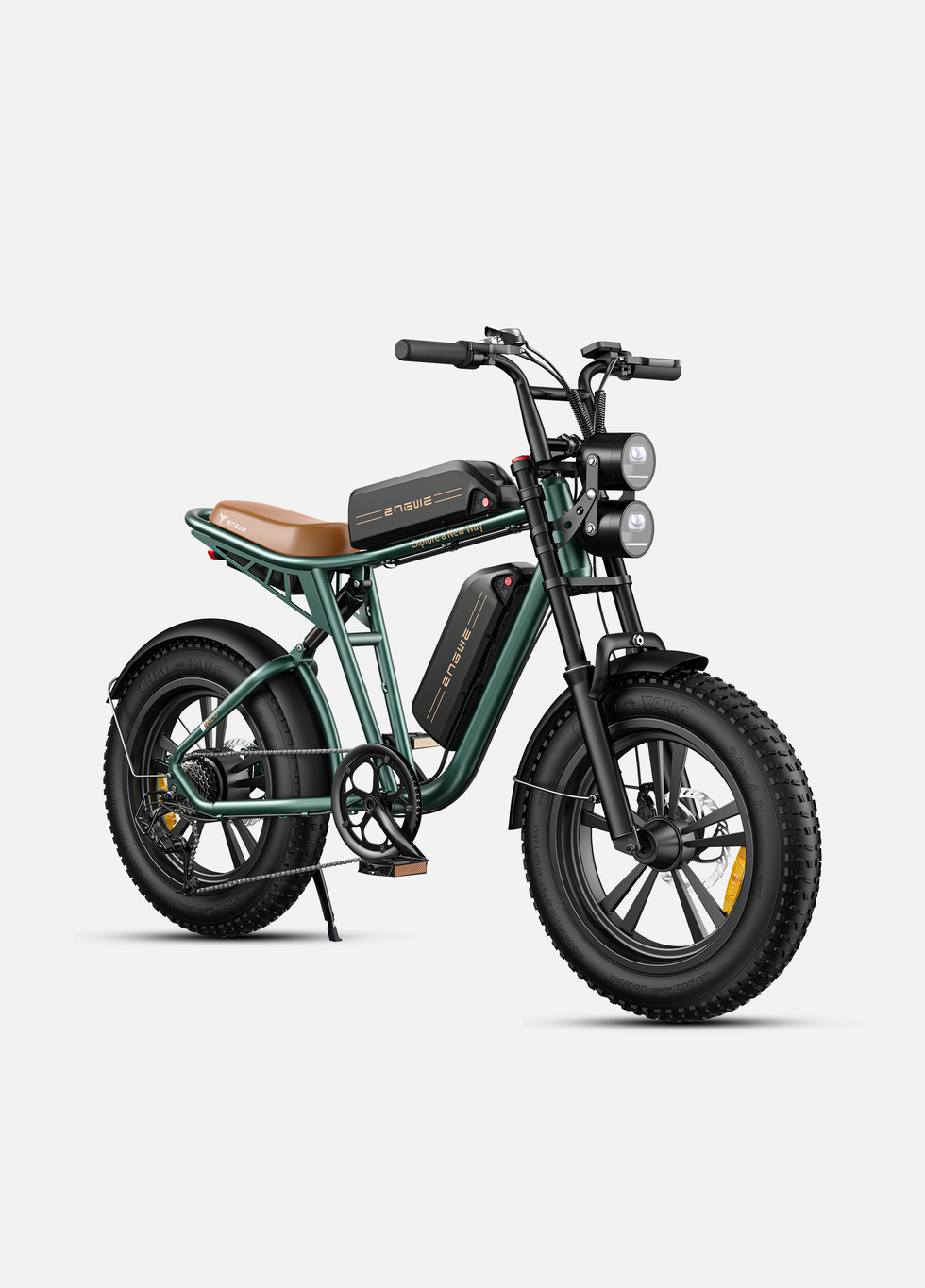
- Rad Power Bikes RadRunner: A utility e-bike with a moped-style frame, a big selection of accessories, and a very soothing ride. It is a chameleon that can be configured to carry cargo or passengers.
- VanMoof S5/A5: For the tech enthusiast in us all, it’s discreet, theft-resistant, and comes pre-installed with an electronic gear shifter. They provide an ultra-modern and seamless ride.
- Cowboy 4: A connected ride and minimalist design are this brand’s priority. It has a lightweight frame, a detachable battery, and a smartphone app that acts as the primary dashboard and control center.
- Fiido D4S: Frequently mentioned as a leading contender in the affordable folding e-bike category. It's a solid entry point for those who want the portability and electric assist without a huge initial investment.
What is the actual range of an e-bike being driven at 25 km/h?
Real-world range will depend very much on factors such as rider weight, terrain (hills), assist level used, and even wind. If a bike is rated for 135 km, expect to get at least 50-80% of that stated maximum in real-world conditions.
Is it legal to increase the 25 km/h speed limit of an e-bike?
No. E-bike products are governed by strict regulations. Modifying your electric bicycle to go over 25 km/h makes it illegal to ride on public roads without registration, insurance, and licensing. It will also void your warranty.
Is a torque sensor truly essential?
Yes. A torque sensor is what’s responsible for making the ride feel smooth and natural, like a regular bicycle but with superpowers. It is a telltale sign of a higher-quality e-bike.
Picking the perfect license-free electric bike opens up a whole new dimension of efficient, fun, and earth-friendly travel.