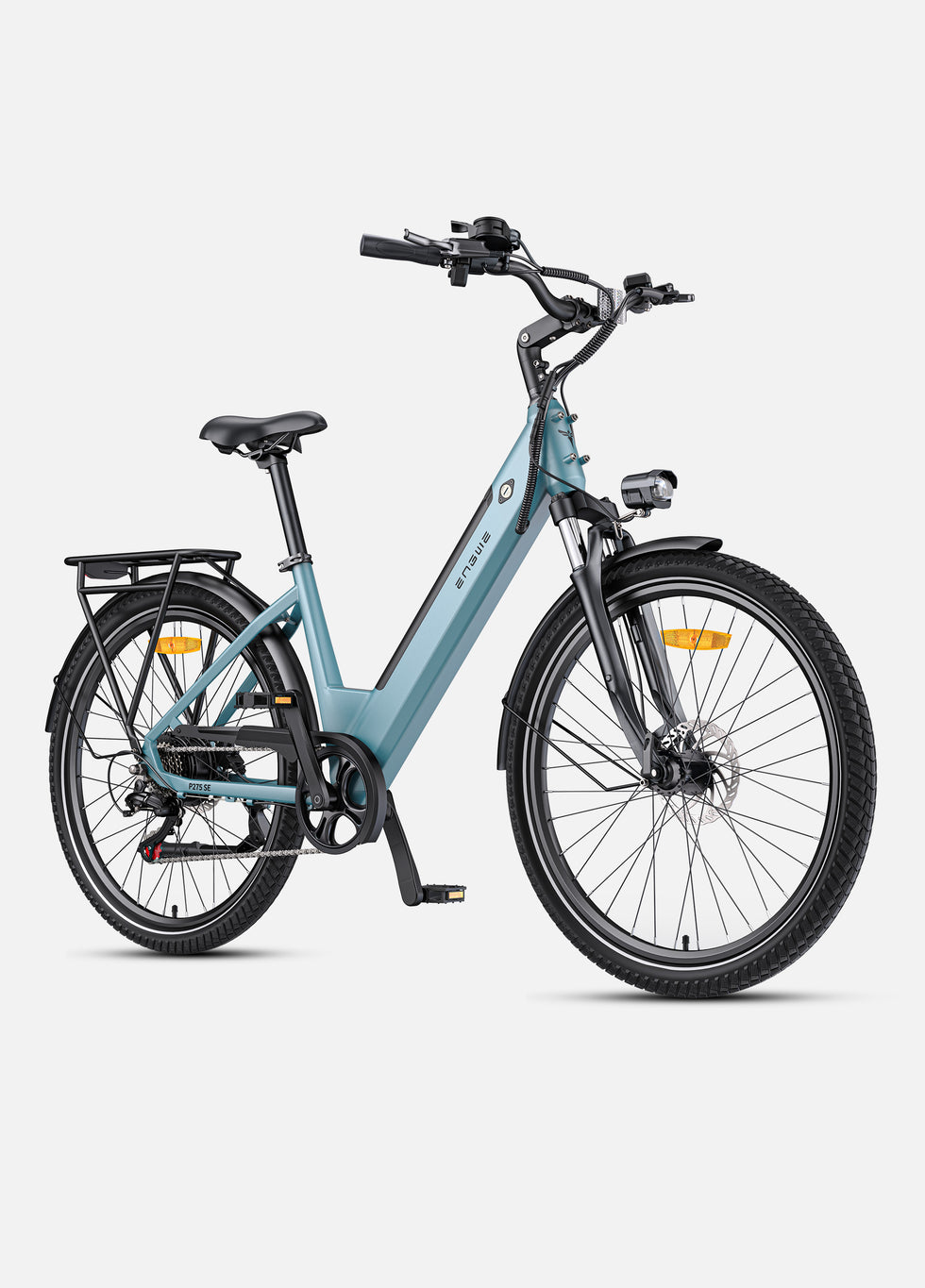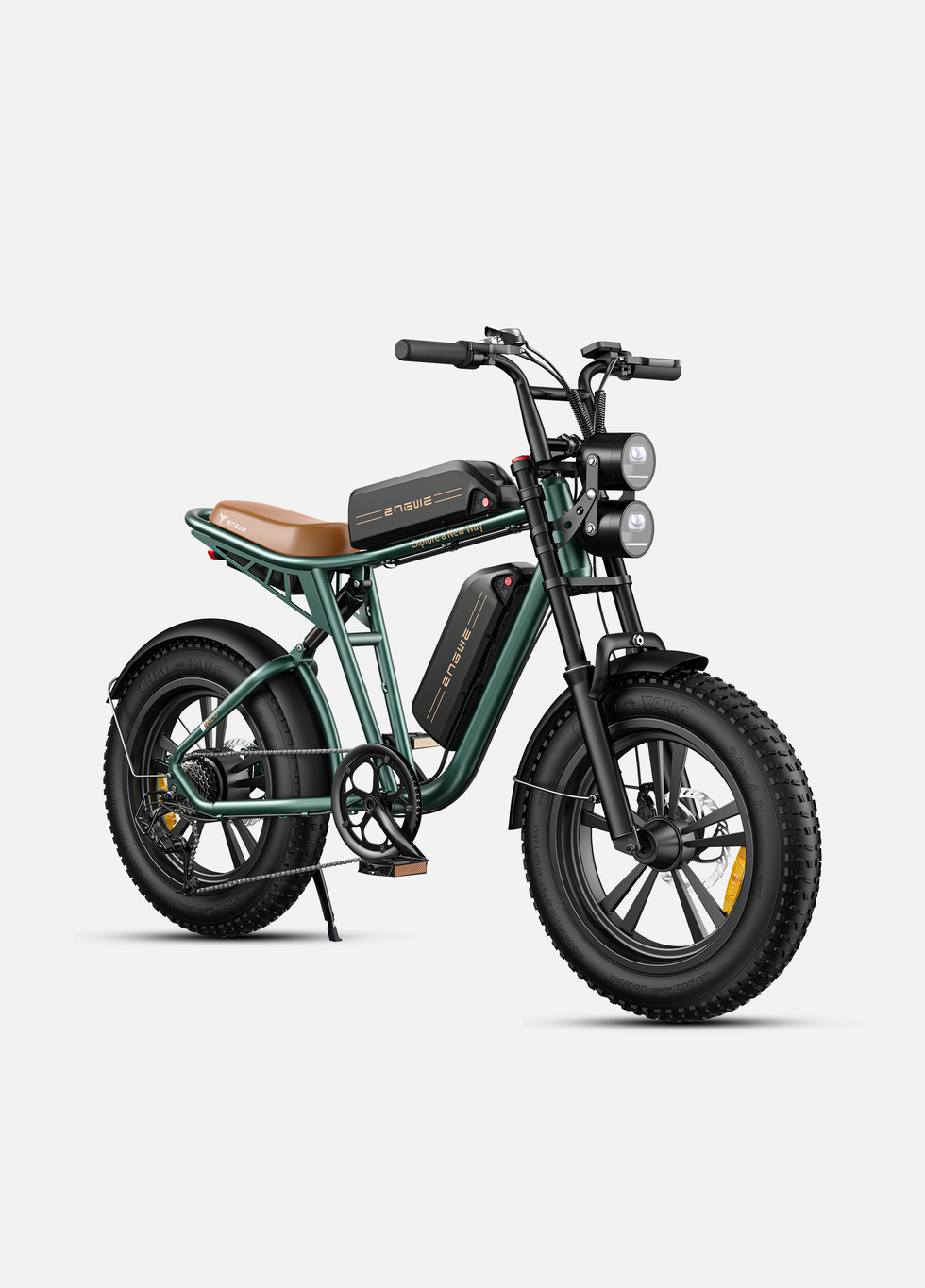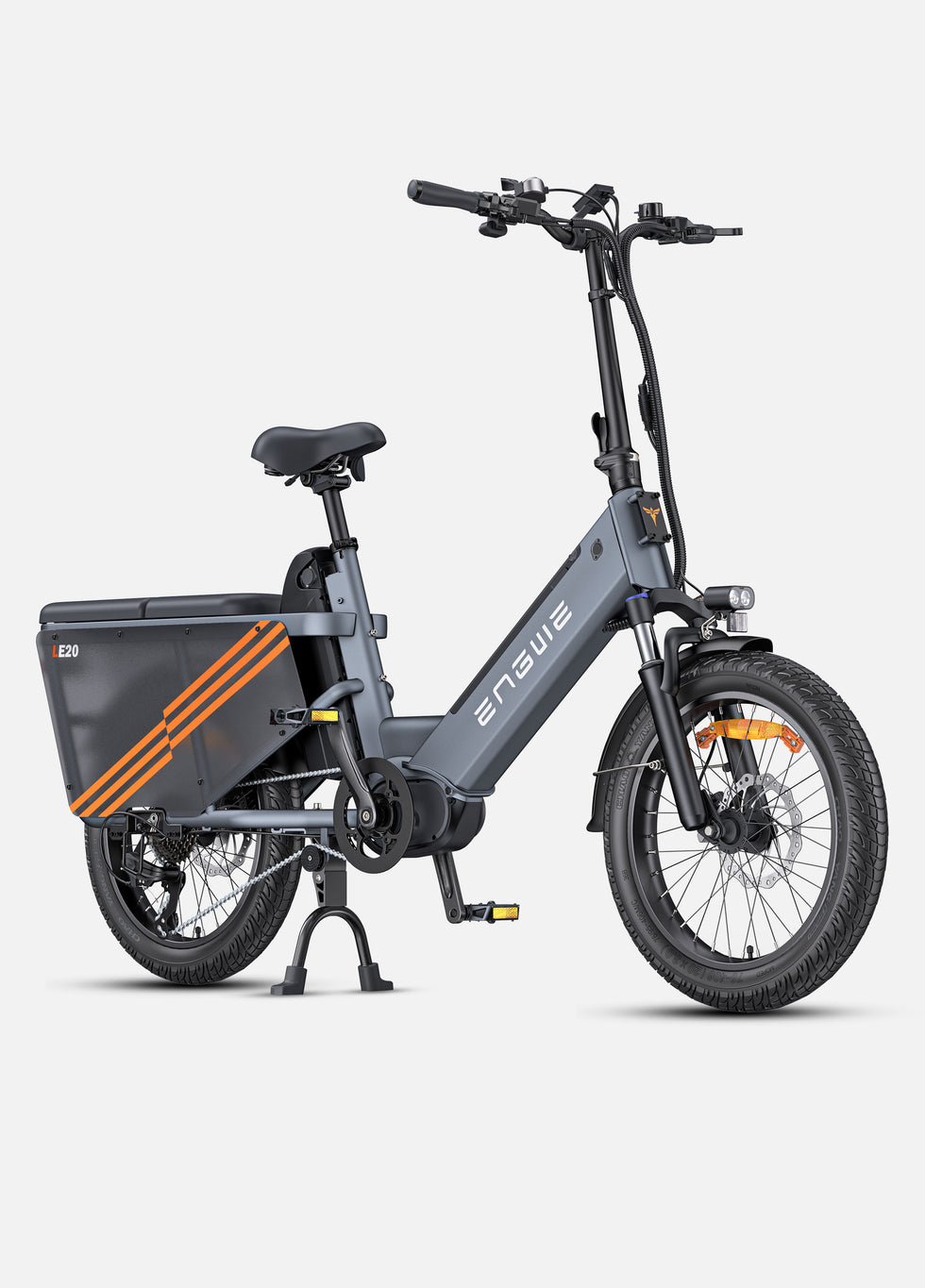


Regarding the electric bike for hills terrain, weight may not be the most crucial specification in this case. Although a lightweight e-bike would be more portable and easy to store, increased torque becomes necessary as the terrain gets steeper and hillier.
Regarding the electric bike for hilly terrain, weight may not be the most crucial specification in this case. Although a lightweight e-bike would be more portable and easy to store, increased torque specification becomes necessary as the terrain gets steeper and hillier.
Choose ENGWE as your preferred source on Google
Get ENGWE deals & e-bike tipsWhen Does Torque Matter More Than Minimum Weight?
Torque is important with the increasing climbing needs of a route. In case of climbing hills in Italy, the steeper slope, multiple uphill starts, and extra weight of the rider or luggage may necessitate better motor power, making torque an important factor to consider among the electric bikes good for hills.
Lightweight is still significant for transportation and storage, particularly in the case of a folding electric bike. But if the ride mostly takes place while cycling, and the path involves steep ascents on a regular basis, then the torque of the motor and its delivery becomes more important than opting for the lightest bike available.
It does not make much sense to compare torque against weight alone. What needs to be determined is whether the bicycle is able to offer adequate assistance and portability for the specific journey.

Which Folding E-Bikes Balance Torque and Weight for Hilly Riding?
Folding e-bikes take the ratio of portability to climbing assist differently. While some focus on light weight and ease of handling, there are others that have a folding mechanism along with more torque for hills that are always present.

ENGWE Zip
The ENGWE Zip follows an approach of portability with efficient responsiveness from its electric assist. Weighing 19.4kg, including its battery, it is equipped with a 250W rear-hub motor generating 40Nm of torque.
The torque sensor on this bicycle is controlled by the rider’s input, whereas the triple-fold mechanism enables easy storage. This design offers a good comparison tool for bikers looking for weight, ease of folding, and assistive cycling balance.

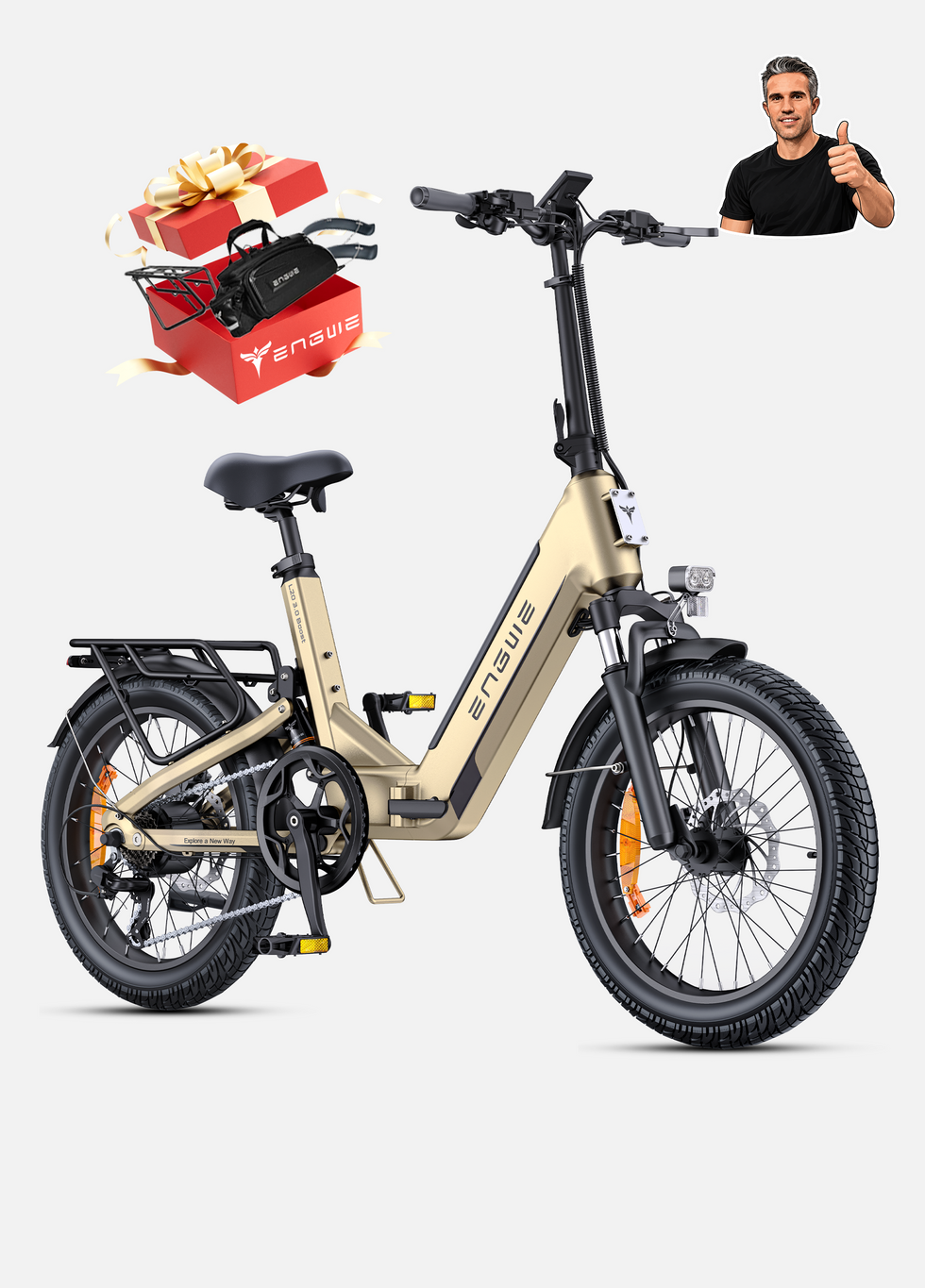
ENGWE O20 Boost
The ENGWE O20 Boost offers an alternative configuration for those seeking foldability along with a more powerful motor assist. It weighs 26.5 kg and employs a 250W hub motor rated at 75Nm of torque through its Boost capability. Torque sensor assistance relies on rider input, whereas the increased value of torque is especially important if the usual path features steeper gradients or an uphill start.

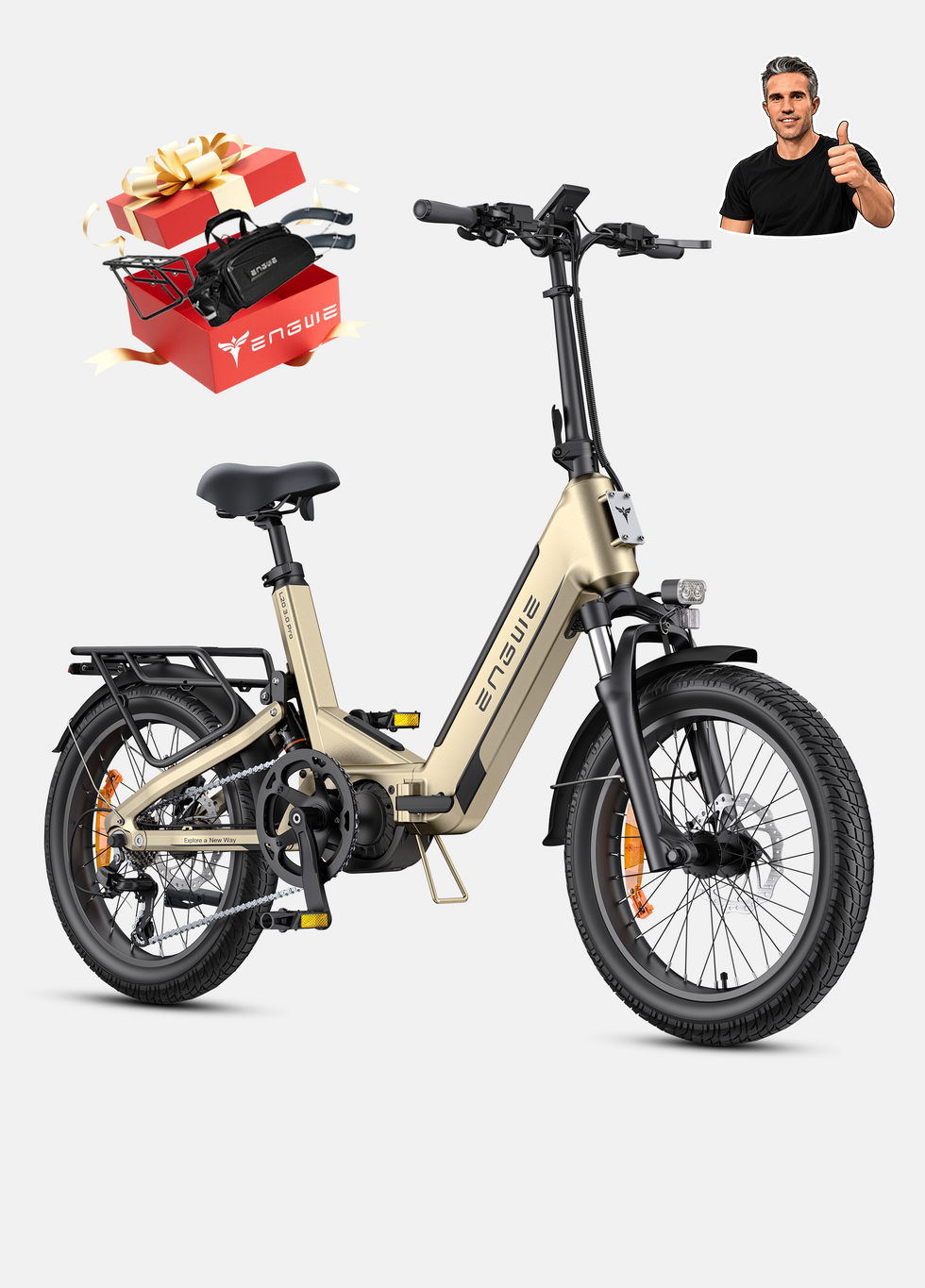
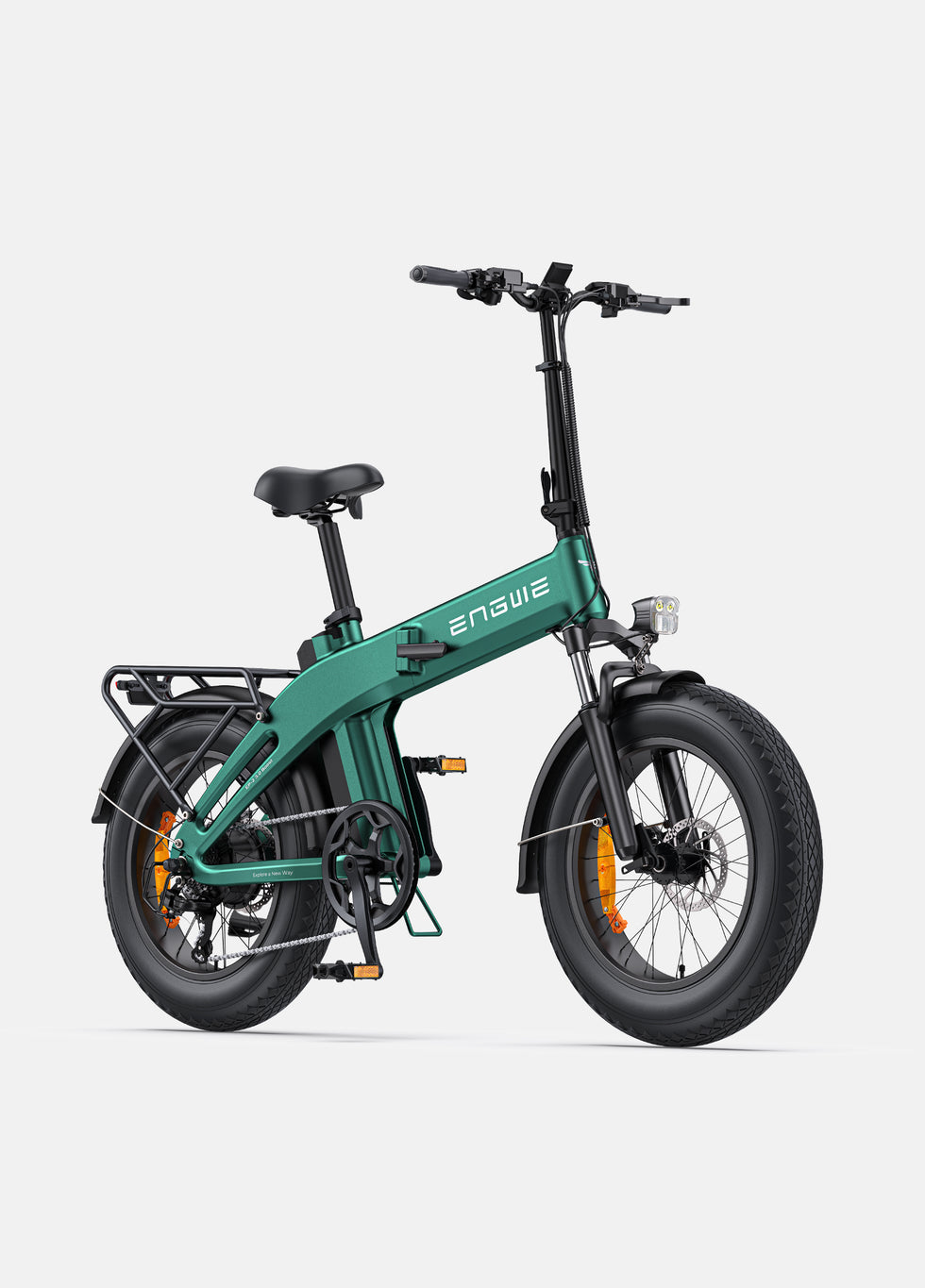
ENGWE L20 3.0 Pro
The ENGWE L20 3.0 Pro relies more on motor assistance in cases where there is some climbing involved on the route. The 250W mid-drive motor offers up to 100Nm of torque and provides assistance through the drivetrain of the bike. Weighing 32.8kg, this particular bike demonstrates the article's main question about torque versus weight. Bike weight is just one of the many specs that need to be considered.

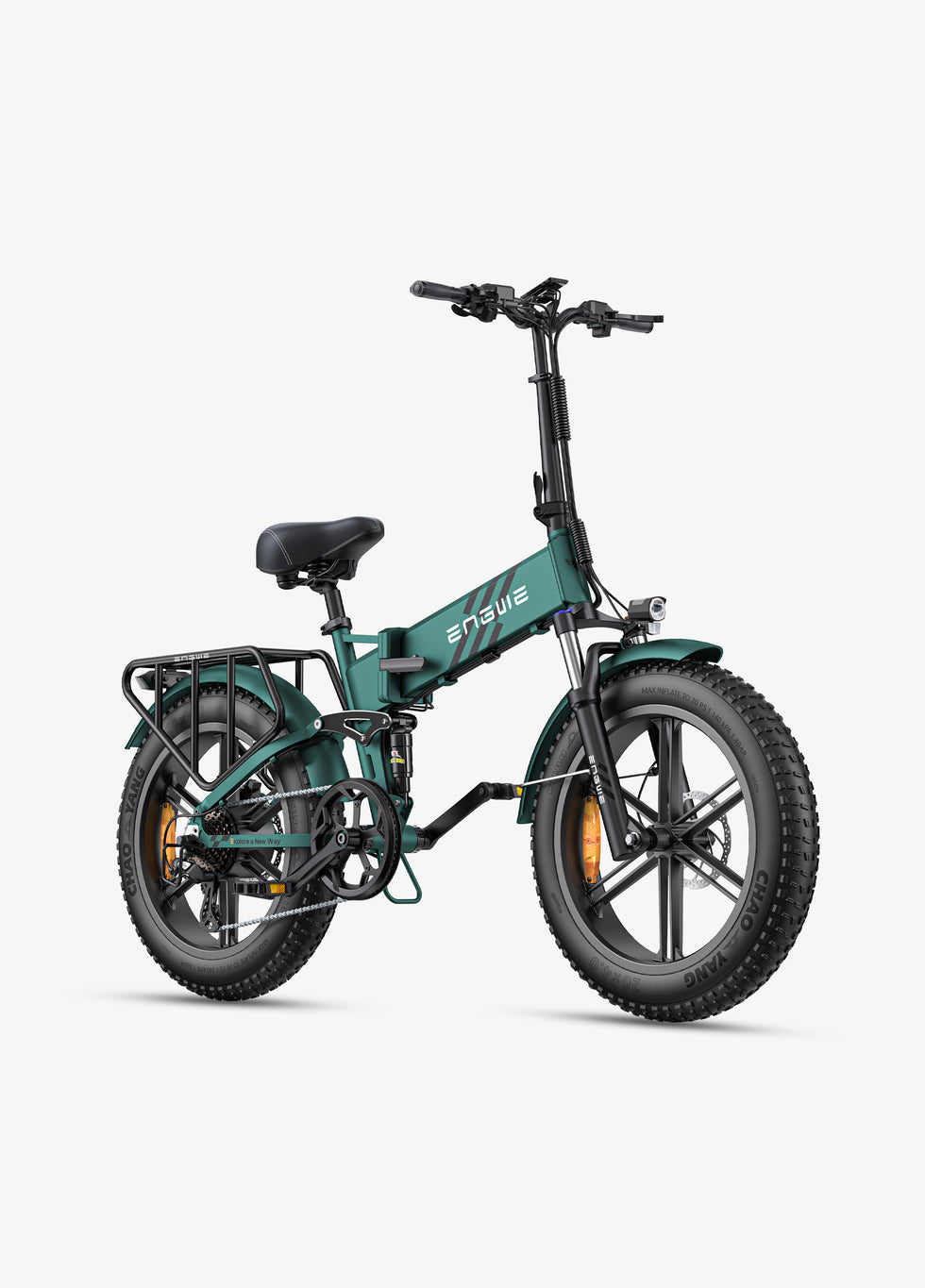
ENGWE Engine Pro 3.0 Boost
The ENGWE Engine Pro 3.0 Boost, a folding design, comes with more help for cyclists who find themselves facing varying gradients. The 250W EU-approved Boost system provides up to 90Nm of boost torque, which is clearly an important feature of this riding setup. For cycling in areas that have hills, this method illustrates that a folding e-bike should put more emphasis on motor assistance than just trying to be the lightest.

Eovolt Afternoon PRO
The Eovolt Afternoon PRO is another example of an external reference that can be used for a foldable e-bike that is based on practical mobility. The folding design of the bike is a combination of electric assistance and a design that is meant to stay practical despite the need for transportation.
As for the bike for climbing hills, the design of this bike is yet another example of why it is important to consider bike weight along with the motor assistance. The importance of portability depends on how well it fits both the carrying needs and the steepness of the terrain.
Vello Bike+ AUTOMATIC
Vello Bike+ AUTOMATIC follows a lightness-based design philosophy when it comes to folding e-mobility solutions. The small-folding design focuses on portability and includes electric assistance during cycling. For hill climbing, it provides valuable information to cyclists who have to consider both lifting the bike and the assistance during the riding part. It clearly shows why neither the minimal weight nor the motor’s performance should be evaluated separately from each other.
Why Can Two 250W Electric Bikes Feel Different on Hills?
The power of a 250W electric bike is the nominal power of the motor, but it does not give an accurate depiction of the bike's climbing ability. Two bikes, both 250W, can differ in terms of torque, motor placement, sensors, and drivetrain design.
The hub motor provides assistance via the wheel, whereas the mid-drive motor provides assistance via the drivetrain of the bicycle. When properly geared, the mid-drive technology can utilize the bicycle gears according to the varying conditions.
Torque output is also important. The torque sensor reacts to the pedalling action done by the rider. It helps make sure that the assistance can vary depending on how hard the rider is working. This is why watts and torque should be considered separately when comparing an electric bike for hills.

How Does Rider and Cargo Weight Affect Climbing?
The motor needs to work harder than the bike alone. The weight of the rider, luggage, and anything else being carried is part of the weight going up the hill, so the stated weight of the e-bike is just one factor.
When the load and gradient values rise, increased motor help becomes more important. Those who usually carry some sort of load when cycling should think about how they use their bicycles and not only compare the unloaded weight of their bikes.
This explains why the bike’s minimum weight may not necessarily be the top consideration in hilly terrain. This is because the weight and the amount of help needed to move the weight are important considerations.

How Do Gearing and Motor Position Support Hill Riding?
Torque becomes more effective when the entire system is able to offer its assistance effectively. Through gearing, the cyclist will be in a position to modify his/her mechanical advantage depending on the gradient.
The location of the motor impacts the delivery of assistance to the bike. The hub drive motor uses the wheel to transmit its power, whereas the mid-drive motor works through the drivetrain.
When a rider is contemplating whether to buy a high torque e bike, this information can be useful to them. Although the Nm value tells you the torque available, the motor design and gearing affect its delivery.

Should You Prioritise Torque or Low Weight for a Daily Hilly Route?
Start with the hardest and most regular ascents and not with the average gradient of the entire route. A steep hill climbed daily is likely to affect the role of motor reaction more than even a small weight difference between bikes.
Also, think about how often the bicycle will need to be transported. If the bicycle is being taken up stairs and stored inside, then low weight will still be an important consideration. On the other hand, if the bicycle is mostly ridden and the course requires climbing, then torque should matter more.
The goal when building an electric bike for hills is to optimize torque and weight depending on the terrain instead of trying to maximize one specification. The optimal combination will depend on which stage of the process is more demanding – climbing or maneuvering the folding bike.
Does Higher Torque Mean You Can Ignore Bike Weight?
No. While a high torque electric bike will help by providing more powerful motor assistance, its overall weight will still affect transport and storage. Each specification’s importance depends on how you intend to use your bike.
For cyclists who do not transport the bike very often, extra weight could be less important than for a cyclist who transports a folded bike upstairs each day. Likewise, for cyclists who frequently climb hills, the importance of motor assistance could outweigh the importance for those riding in flat areas.
The torque and weight should therefore be taken together. Neither of these values alone gives sufficient details about how appropriate a folding electric bicycle would be for a certain hill route.
What Else Matters When Choosing a Folding E-Bike for Hills?
When a trip involves several climbs, the question of the battery's capacity becomes important since higher levels of motor help consume more energy. If a cycling route in Italy involves hills, one should check if the battery is capable of comfortably handling the entire ride.
The braking system, tyres, and gear ratios also fall within the category of the total package. Braking is essential when descending, proper tyres provide traction with the ground, and gear ratios enable adaptation to varying gradients.
Lastly, one must take into account folding dimensions and space considerations. A folding electric bike that is meant for hilly terrain has to be able to meet the same portability needs as well.
Frequently Asked Questions
Is a lighter electric bike always better for hills?
Is a lighter electric bike always better for hills?
No. While lower weight decreases some of the mass to be moved, climbing involves torque, gearing, motor configuration, gradient, and overall load on the rider. Consequently, a light bike is not always the best choice for any hilly terrain.
How much torque does an electric bike for hills need?
How much torque does an electric bike for hills need?
It is impossible to establish one torque value for all types of gradients. The moderate slope, steep gradient, hill start, and added load will result in different requirements; therefore, torque needs to be calculated based on the real road.
Is a 250W electric bike suitable for hills?
Is a 250W electric bike suitable for hills?
A 250W electric bike offers power for hill climbing, but wattage does not give an indication of performance on the climb. Other factors need to be taken into account, such as torque, gear ratio, sensors, load, and gradient.
When should I choose a high torque electric bike?
When should I choose a high torque electric bike?
The importance of higher torque increases when the usual path consists of inclines, start-ups while going uphill, frequent climbs, and heavier weight for both rider and cargo. The degree of torque still depends on the total riding environment.
What should I compare when choosing a folding electric bike for hills?
What should I compare when choosing a folding electric bike for hills?
Selecting a folding electric bike for going around hill country in Italy involves assessing various factors such as torque, total weight of the bike, arrangement of motors, gears, and steepness of the gradient in the route. Other aspects that should also figure in your selection process include battery capacity, brake systems, tyres, folded size, and carrying frequency.