

An ideal electric bike for hills is one that has good torque response, correct gear ratio, adequate battery life, and good braking performance. Riding through hilly terrain every day requires a lot more from an e-bike than one that has a mostly flat road surface to traverse. It thus makes sense to consider all these factors while buying a bike instead of just looking at its wattage rating.
What Makes an Electric Bike for Hills Effective?
A good motor system for an electric bike for hills to cope with inclines should offer enough assistance when the rider is climbing and should still be controllable at starts and gradient changes.
Torque is one of the parameters to take into account first. It shows the amount of force that a motor generates and is measured in newton-metres (Nm). Torque may be especially useful when starting on an incline, starting from a stop, or carrying extra load. Still, how assistance is given depends on motor placement, sensors, gearing, and the entire drivetrain system.
It is crucial to note the battery power because it may consume more electrical energy during climbing compared to riding similar distances but with lower elevations. The battery capacity needs to be considered alongside distance and availability of charging.
It is also important to consider the route back home. Disc brakes will allow for easy braking while descending, while suitable tyres and suspension will ensure comfort on changing surfaces.

Are Mid-Drive Electric Bikes Good for Hills?
A mid drive electric bike can be ideal for climbing, as the motor provides assistance through the bicycle drivetrain; thus, it and the rider get to utilize the gears that are available to them.
The correct selection of gears will enable the rider to maintain a proper pedalling cadence depending on how steep the slope is. For steep slopes, lower gears will reduce the work at the wheel, and motor assistance will come in handy. It is one of the reasons why mid-drive motors are commonly used on trekking, eSUV, and performance electric bicycles.
However, the placement of the motor is not the only issue here. Hub drive motors can also offer torque and hill-climbing assistance when placed correctly for the route. The reaction of sensors, gearing, rider weight, gradient, and motor settings all play a role.
For bikers who are wondering whether electric bikes good for hills and what kind of motor they need, it would be more beneficial to think about the whole system rather than just two kinds of motors.

What Should Men Check Before Buying an Electric Bike for Hills?
The most important thing for you to do will be to examine your own commuting route. This means that cyclists will have to take into consideration steep climbs, distances, and the frequency of stopping and starting again.
Several features deserve particular attention:
● Torque: Torque may provide quick assistance on gradients and while starting uphill.
● Motor Position: Mid-drive and hub-drive motors give assistance in different ways and must also be taken into account in relation to gearing.
● Battery Capacity: Continuous ascent may consume more energy; thus, the right capacity and easy charging become necessary.
● Gearing: The right lower gearing assists both the rider and motor to perform well during continuous climbing.
● Brakes: The hydraulic disc brake assists with controlled braking during normal descent.
● Tyres: The right tyre helps in maintaining grip and control, especially if there is water on the roads or varied surfaces.
● Suspension: Suspension may make you comfortable while riding steep routes that also consist of varied terrain.
● Fit: Right frame sizing and right seat height adjustment help in maintaining control and comfort while commuting.
A high torque e bike can be suitable for steep hills, but one must always take into account the torque value relative to the whole bike.

Electric Bikes Are Worth Considering for Hills
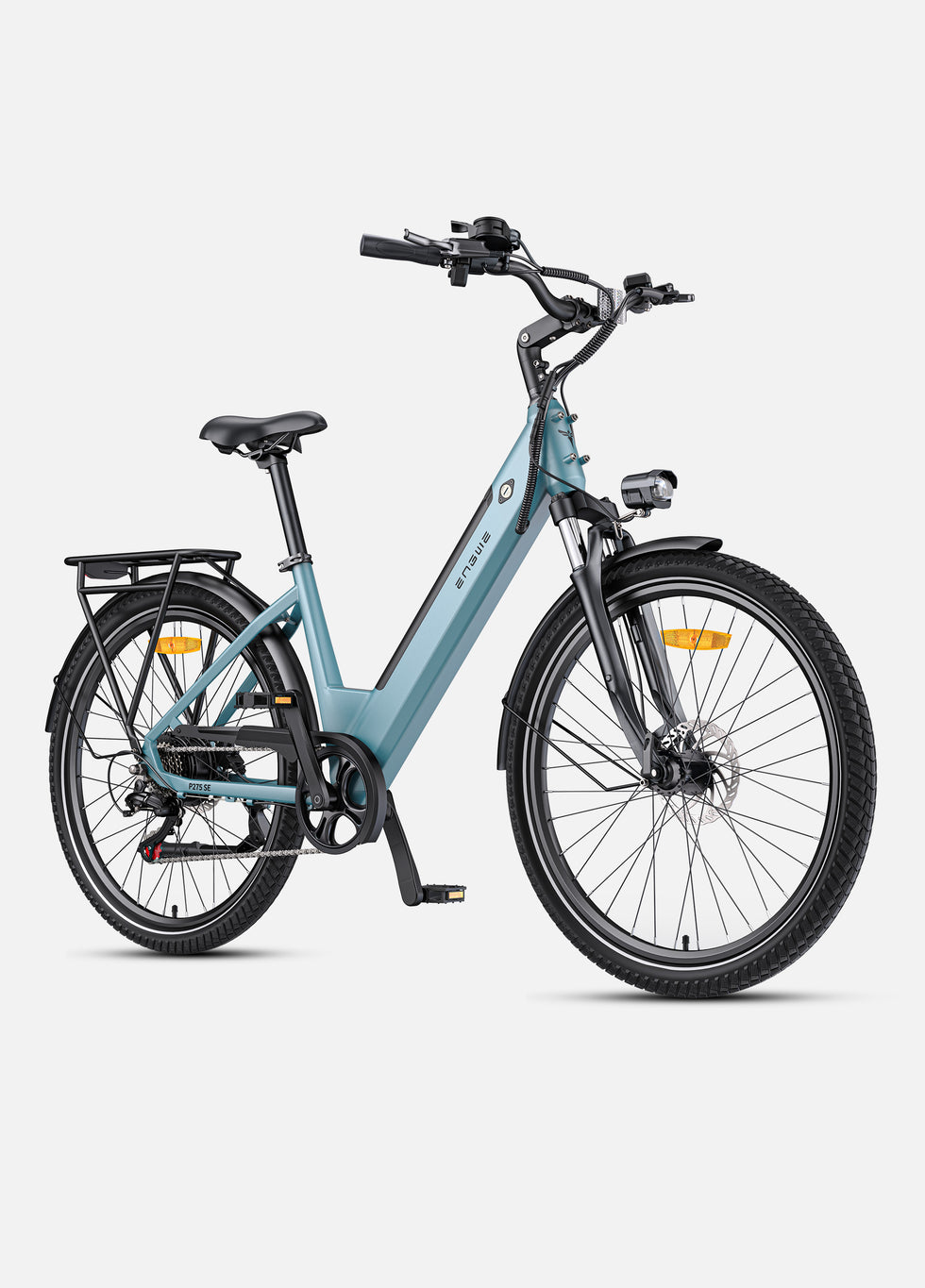
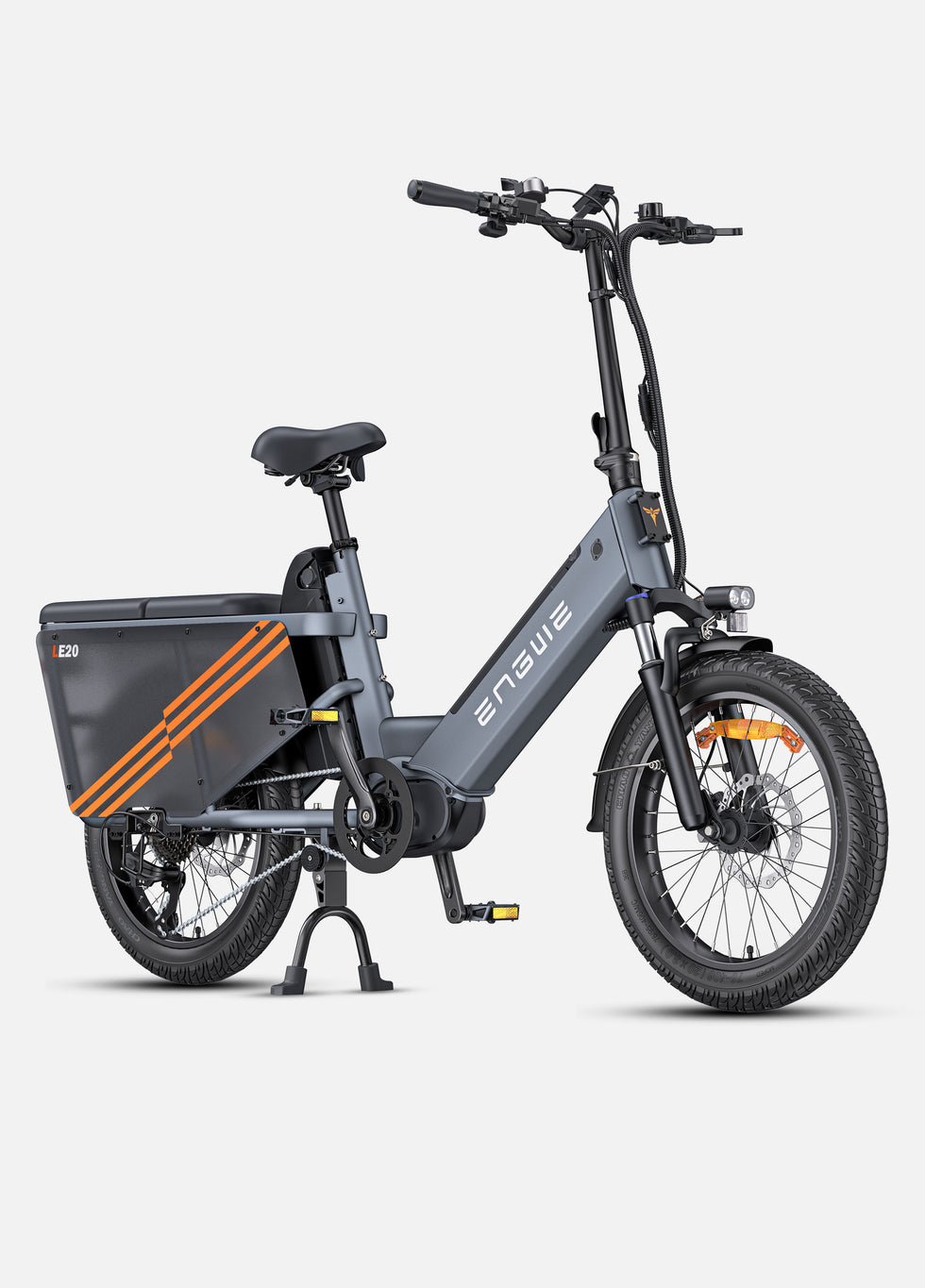
The five bikes demonstrate varying ways to tackle hilly terrain riding, from mid-drive eSUV design and small-size models to foldable and trekking bikes. The models have differences in motor torque, gearing, battery size, braking systems, and comfort systems, offering several options for daily uphill commutes.
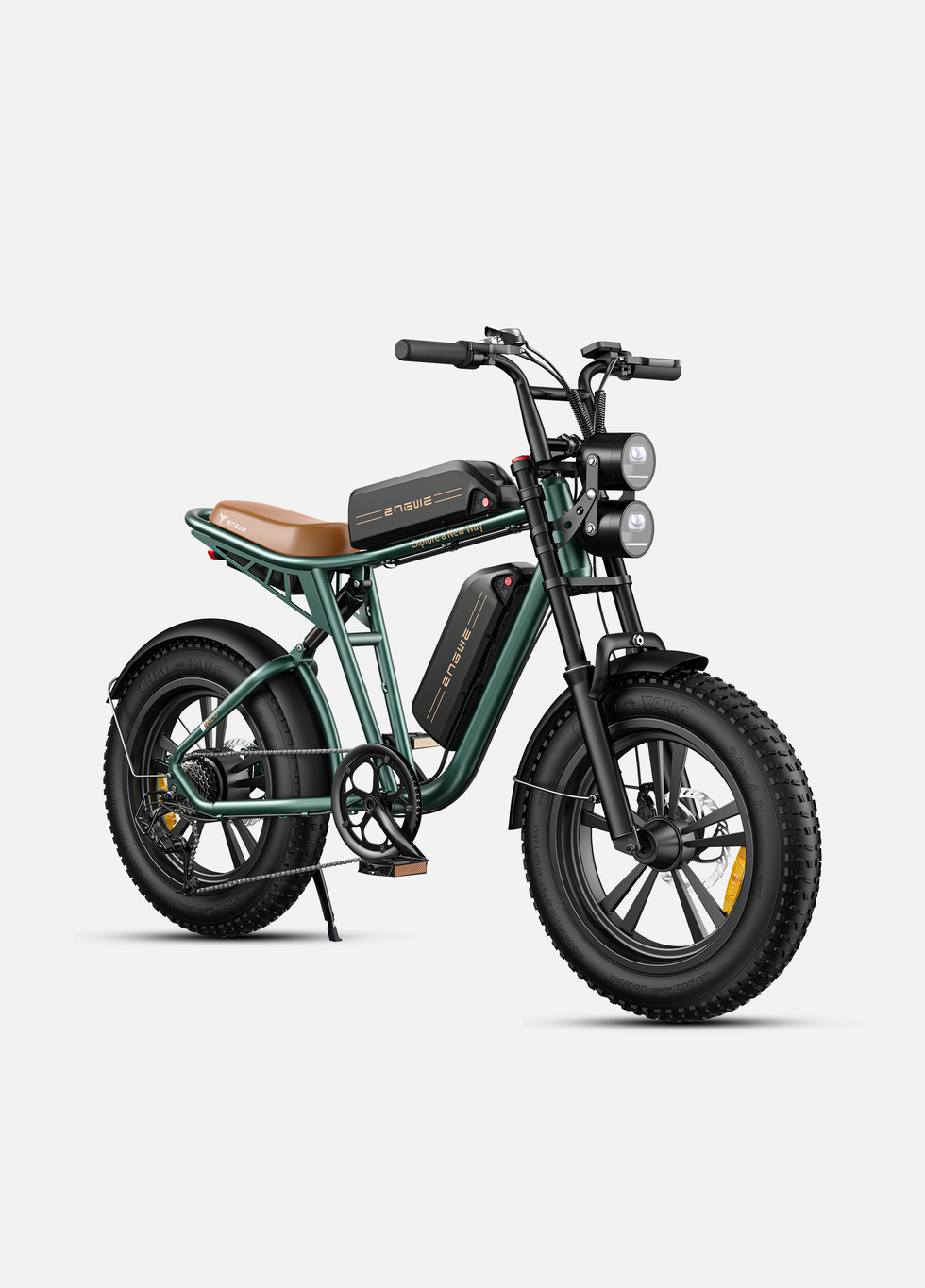
ENGWE E26 3.0 Pro
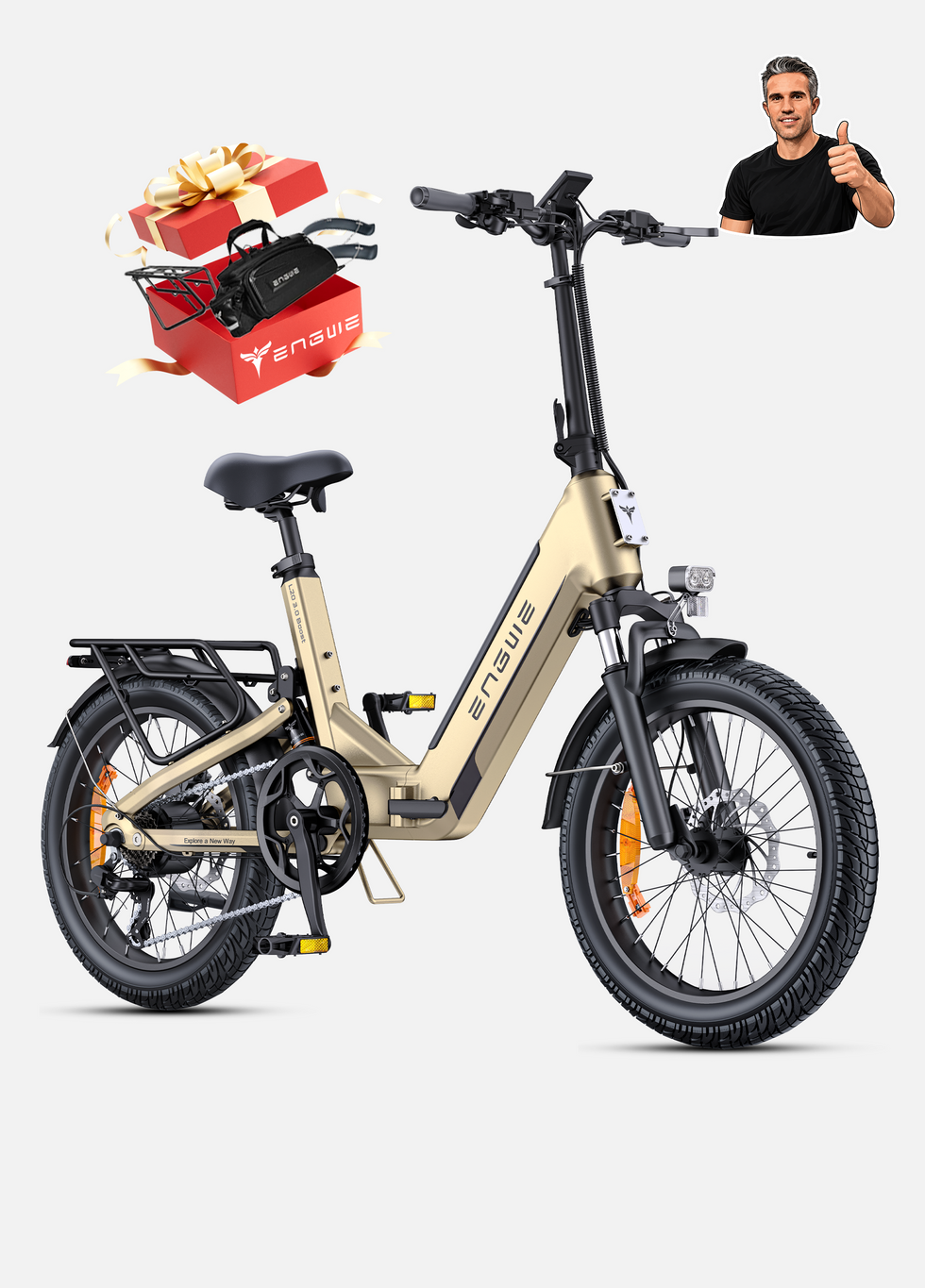
The ENGWE E26 3.0 Pro is a combination of an eSUV design and a 250W mid-drive motor providing a torque of up to 100Nm. The bike is equipped with a torque sensor and a Shimano 8-speed drivetrain offering quick response on gradient changes. The power source is a 720Wh LG battery with a stated range of up to 135km, and its all-road tyres, full suspension, and hydraulic disc brakes make for an even balance.

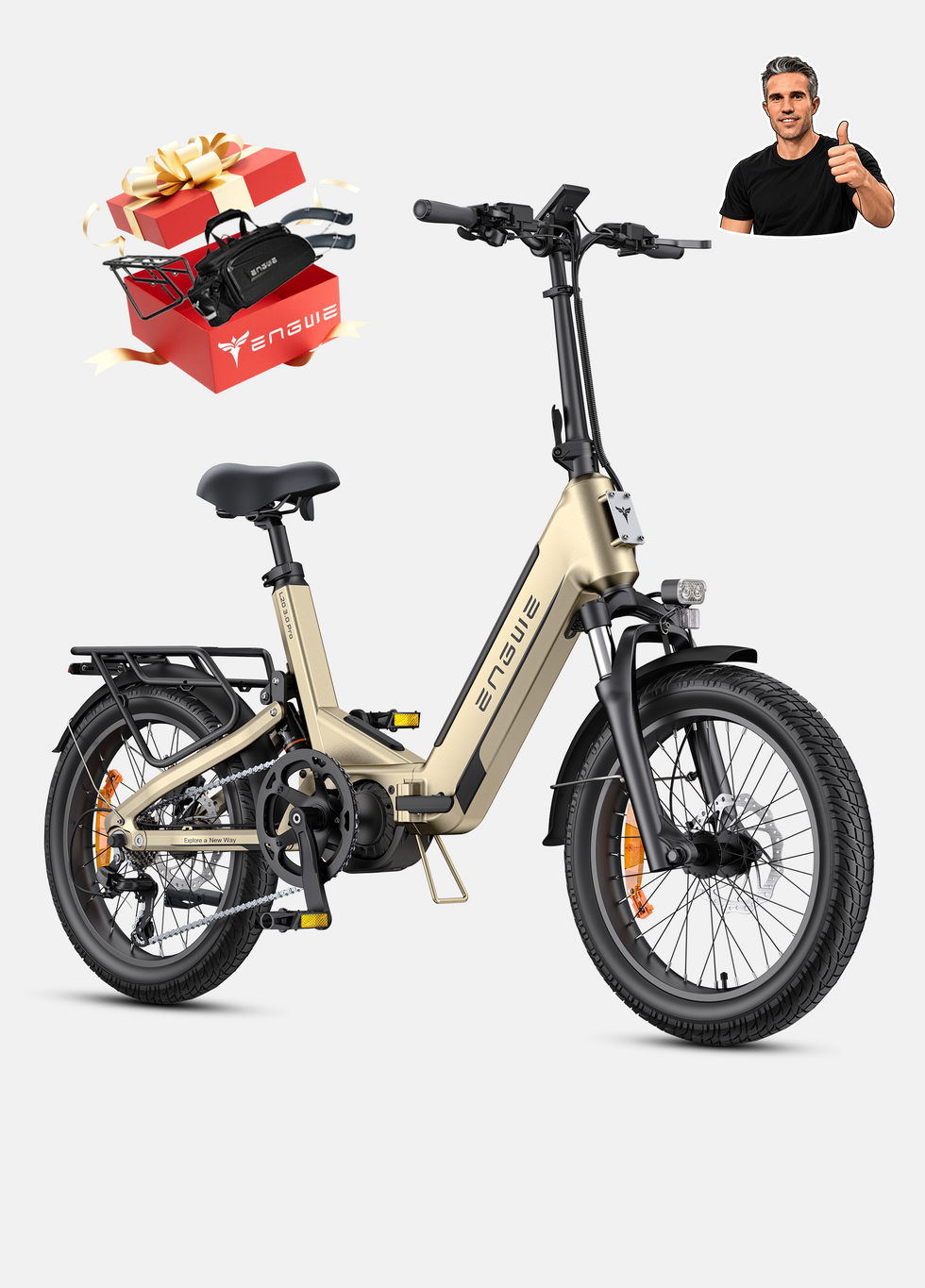
ENGWE L20 3.0 Pro
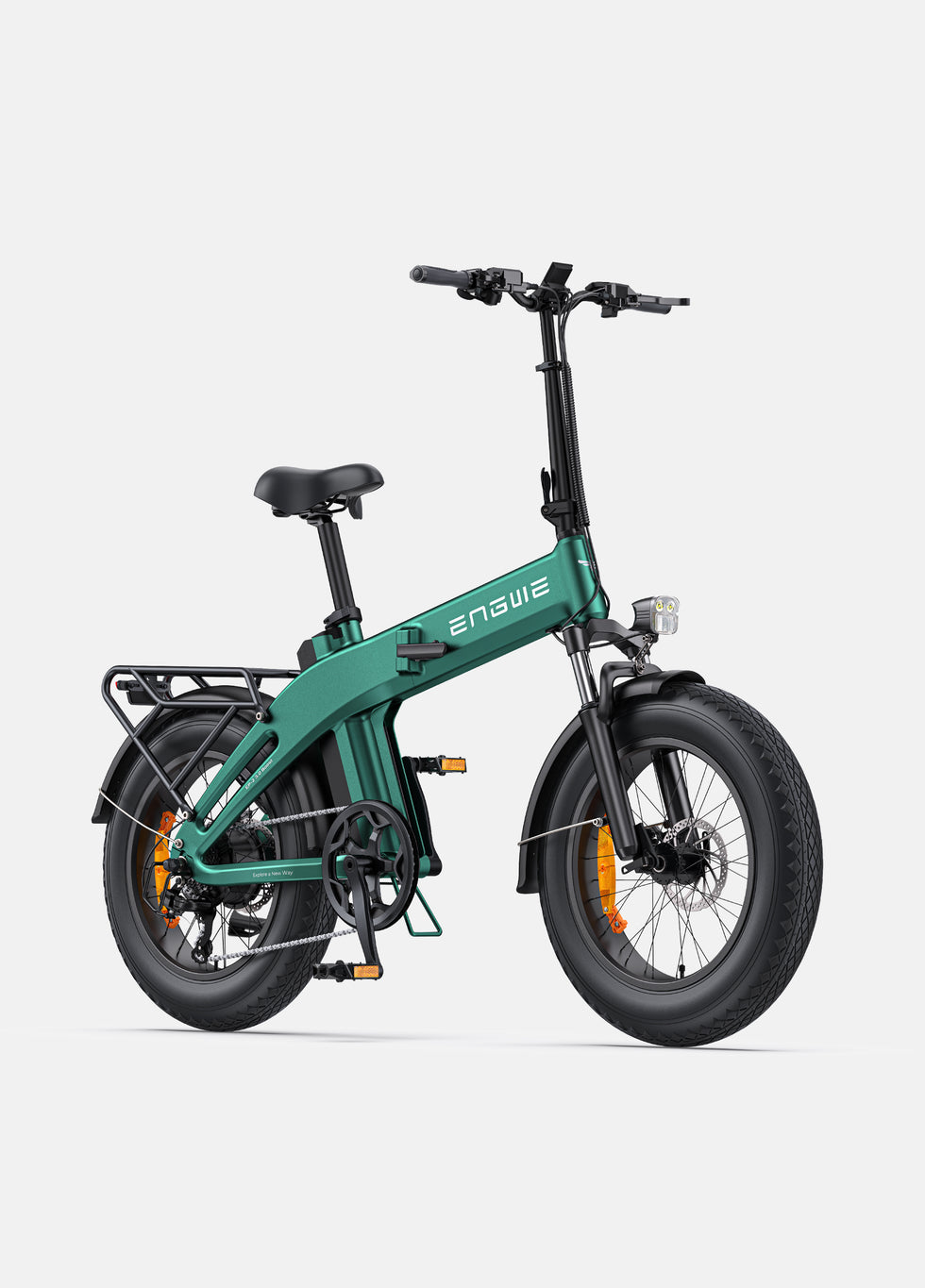
The ENGWE L20 3.0 Pro combines robust mid-drive power in a small full-suspension body. The 250W motor provides torque up to 100Nm, and it operates with a 720Wh detachable battery, which can travel up to 160km according to the manufacturer. Full suspension, 20×3.0-inch tyres, and 8A quick charge make the bike comfortable and easy to recharge after challenging journeys.

ENGWE Engine Pro 3.0 Boost
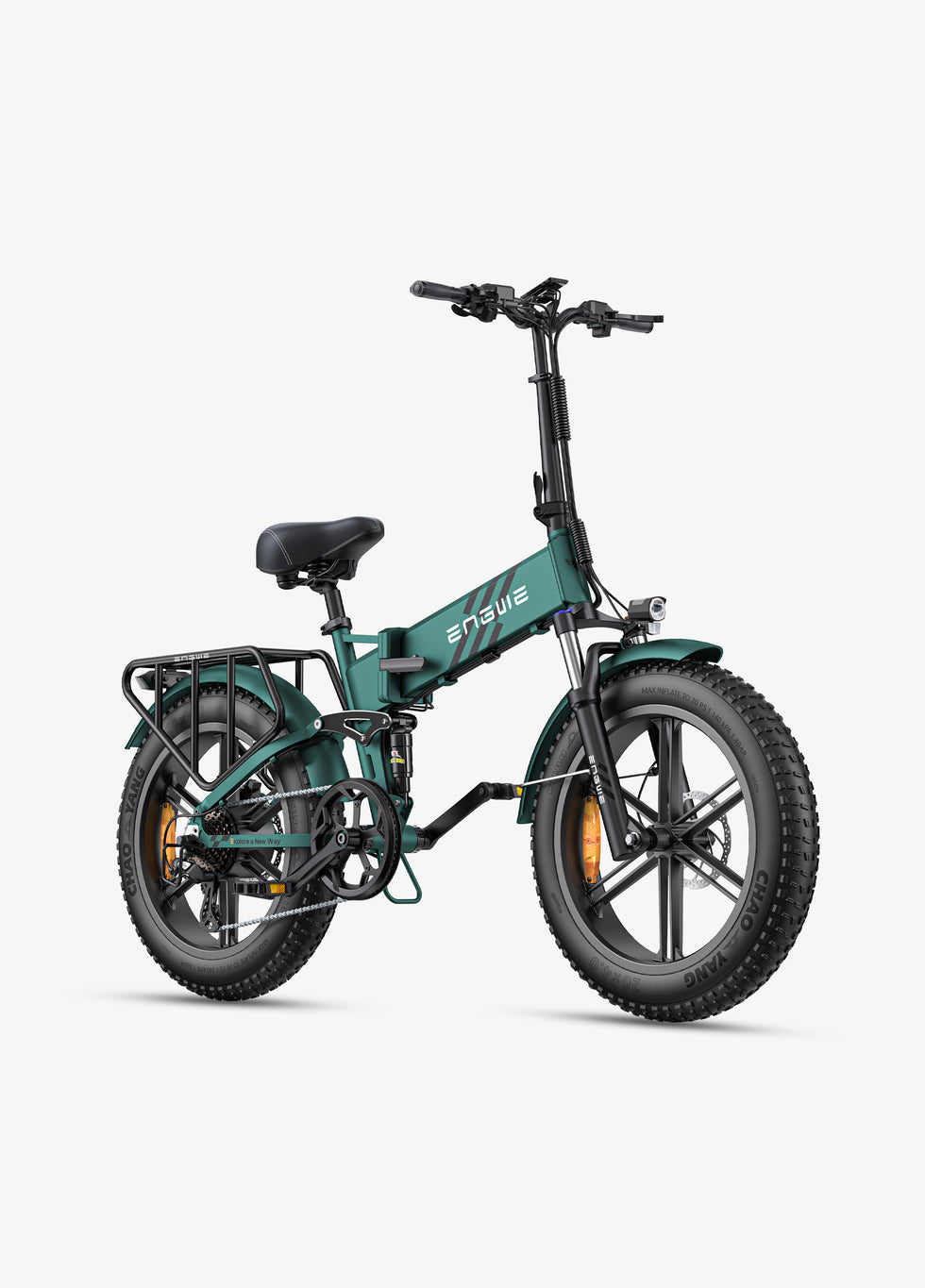
The ENGWE Engine Pro 3.0 Boost features a folding frame along with a hub motor with an output of 250W that complies with the standards set by the European Union and can deliver a torque output of up to 90 Nm. The torque sensor allows it to provide immediate support, whereas its 720Wh removable battery gives it a maximum range of 130km under PAS 1 level of pedalling assistance.

CUBE Kathmandu Hybrid ONE 800
CUBE Kathmandu Hybrid ONE 800 adopts the trekking philosophy to everyday commuting and long-distance travel. The drive system used on CUBE Kathmandu Hybrid ONE 800 is the Bosch Performance Line CX motor, which delivers efficient assistance, especially on slopes. CUBE Kathmandu Hybrid ONE 800 comes with an 800 Wh PowerTube battery. Suspension fork, hydraulic brakes, and luggage carrier are just some of the accessories that come along with the CUBE Kathmandu Hybrid ONE 800.
Gazelle Ultimate C380
Gazelle Ultimate C380 combines the design features of a comfortable trekking bicycle with Bosch mid-drive motors and an Enviolo continuously variable drivetrain. The drivetrain facilitates step-by-step gear changes that can be handy during the varying inclines encountered on daily commutes. In addition, the bike includes hydraulic disc brakes and front suspension, which are part of its riding package. Battery options also allow for various distances to be covered.
How Much Torque Does an Electric Bike for Hills Need?
Not all electric bike for hills require one specific amount of torque. Mild slopes can be tackled by well-equipped motors along with proper gearing, whereas steep hills and more frequent climbs up the slope could benefit from a greater amount of torque.
A high torque electric bike needs to be evaluated based on the way assistance is provided through the system. Torque sensors, as well as proper gearing, can assist in effective operation of the motor when slopes increase. The watts rating defines the power of the motor, while the Nm rate its torque level.
Why Do Battery and Range Matter on Steep Commutes?
Climbing always needs more physical assistance from the motor and uses more power than cycling the same distance on a flat area. Thus, the battery range is important in case of the need to climb a route during a trip.
The manufacturer's range is only a point of reference because many factors like assistance level, gradients, rider and load weight, temperature, wind, speed, and tyre pressure may influence the real range. It is also important for commuters to think about where and how easily they can charge their batteries while doing their usual commuting route.
Are Brakes Important on an Electric Bike for Hills?
Hills also come with downs and ups, and hence braking is a crucial part of riding up hills. An electric bike hydraulic brakes system operates through the use of hydraulic fluid that transfers the braking force.
Tyres will also affect braking and control since they provide the surface on which the rider rides. It is important to have the right amount of tyre pressure, as well as proper maintenance of brake pads, rotors, and other braking systems.
Which Electric Bike for Hills Fits Your Daily Commute?
An electric bike for hills is one that complements the steepness of the routes and other aspects, such as the distance travelled. A mid-drive setup could offer an option where assistance from the motor can work hand-in-hand with the gears of the bicycle, while a folding hub-drive setup could offer a choice when there is a need for portability.
Other than picking the one with the greatest torque or range, it would be more ideal to consider other aspects like the steepest inclines, daily distances travelled, roads and terrain, charging options, and storage needs.
Frequently Asked Questions
Are electric bikes good for steep hills?
Are electric bikes good for steep hills?
Yes, appropriately set up electric bicycles will help cyclists to climb very steep hills. Torque of the motor, gear ratio, capacity of the battery, weight of the rider, and gradient are the factors that affect the performance of the climb.
Is 100Nm of torque useful for hills?
Is 100Nm of torque useful for hills?
The use of a 100Nm motor would be helpful when dealing with steep grades, acceleration, and starting up an incline. However, the efficiency of such a motor also depends on the gear ratio, design of the motor, rider weight and load, and terrain.
Is a mid-drive motor suitable for hilly commuting?
Is a mid-drive motor suitable for hilly commuting?
A mid-drive motor will be ideal for hill riding since assistance is delivered through the bicycle drivetrain, and it can utilise the gears. Choosing the right gears will be vital in dealing with different slopes.
Do hills reduce an electric bike's range?
Do hills reduce an electric bike's range?
It is also possible that climbing will increase energy usage, since the engine will offer more support against the force of gravity. Range is also affected by the degree of assistance, the weight of the passenger, temperature, wind, speed, and terrain.
Why are hydraulic disc brakes useful on hills?
Why are hydraulic disc brakes useful on hills?
A hydraulic disc brake provides controlled braking and lever action that remains uniform throughout the ride. This is important when the route has several descents.