

Charging is an integral process for an electric bike regardless of its purpose - either commuting to work, making trips for errands, or going out for longer rides on weekends. Knowing where to charge your bicycle, how much time it may take, and the ways of battery maintenance will allow you to always be ready for another trip. It all depends on the distance you ride and the charging options, as well as the bike you have.
A decent charging regimen for an electric bike charging does not necessarily have to be sophisticated. Home charging allows you to prepare the bike before a new day; access to a workplace can come in handy during frequent commuting, while advance planning helps in coping with charging on the go. It may be helpful to consider the battery capacity, charger compatibility, as well as removable batteries when choosing a bike.
Choose ENGWE as your preferred source on Google
Get ENGWE deals & e-bike tipsElectric Bikes Worth Considering for Charging Convenience
Electric bikes come with different battery capacities, charging times, and removable batteries. The following are five such bikes that can be used as a point of comparison when choosing an electric bike for daily use as well as for long-distance travel. You should consider the time it takes to charge your bike as well as your travel distance.

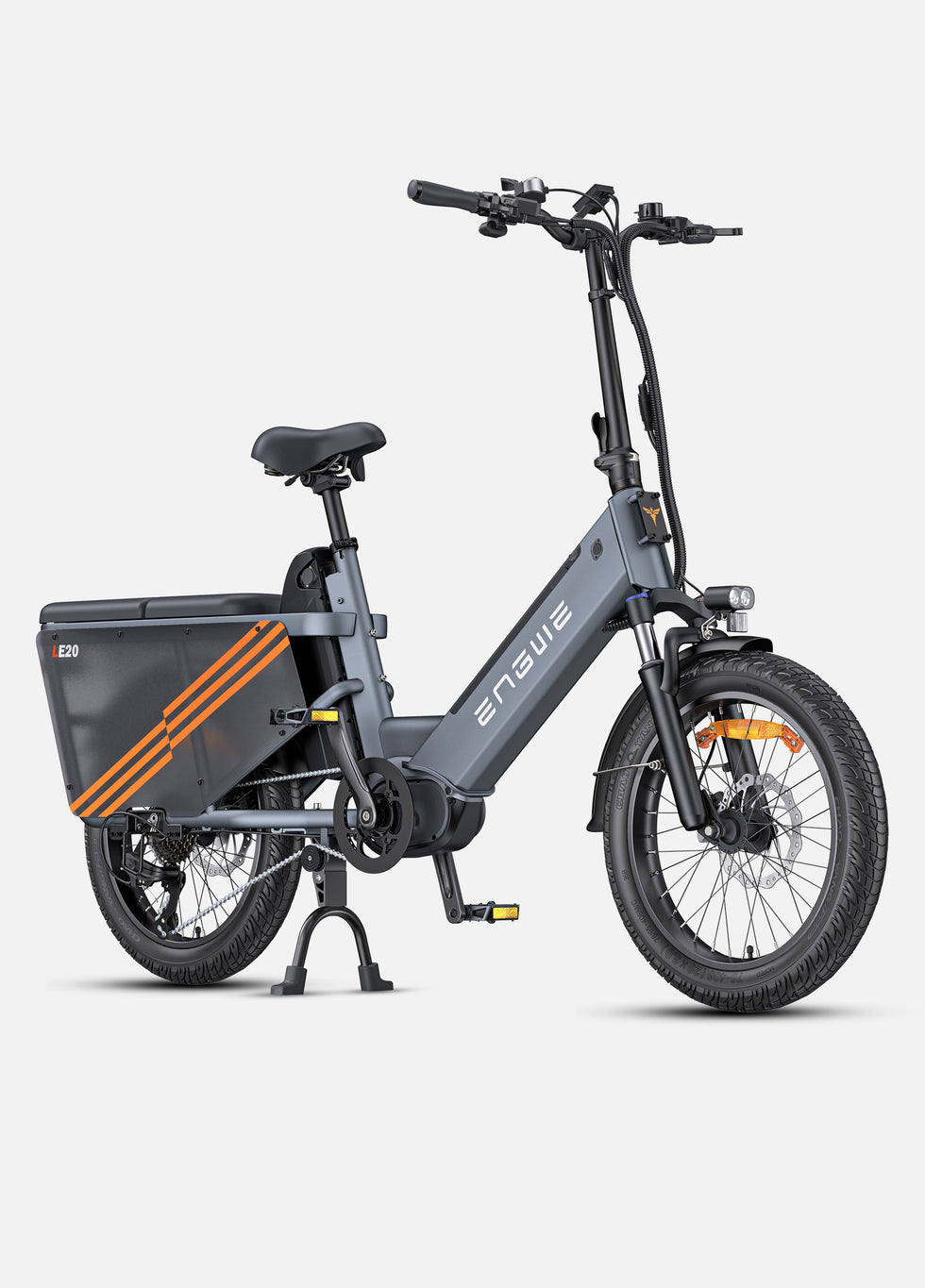
ENGWE L20 3.0 Pro
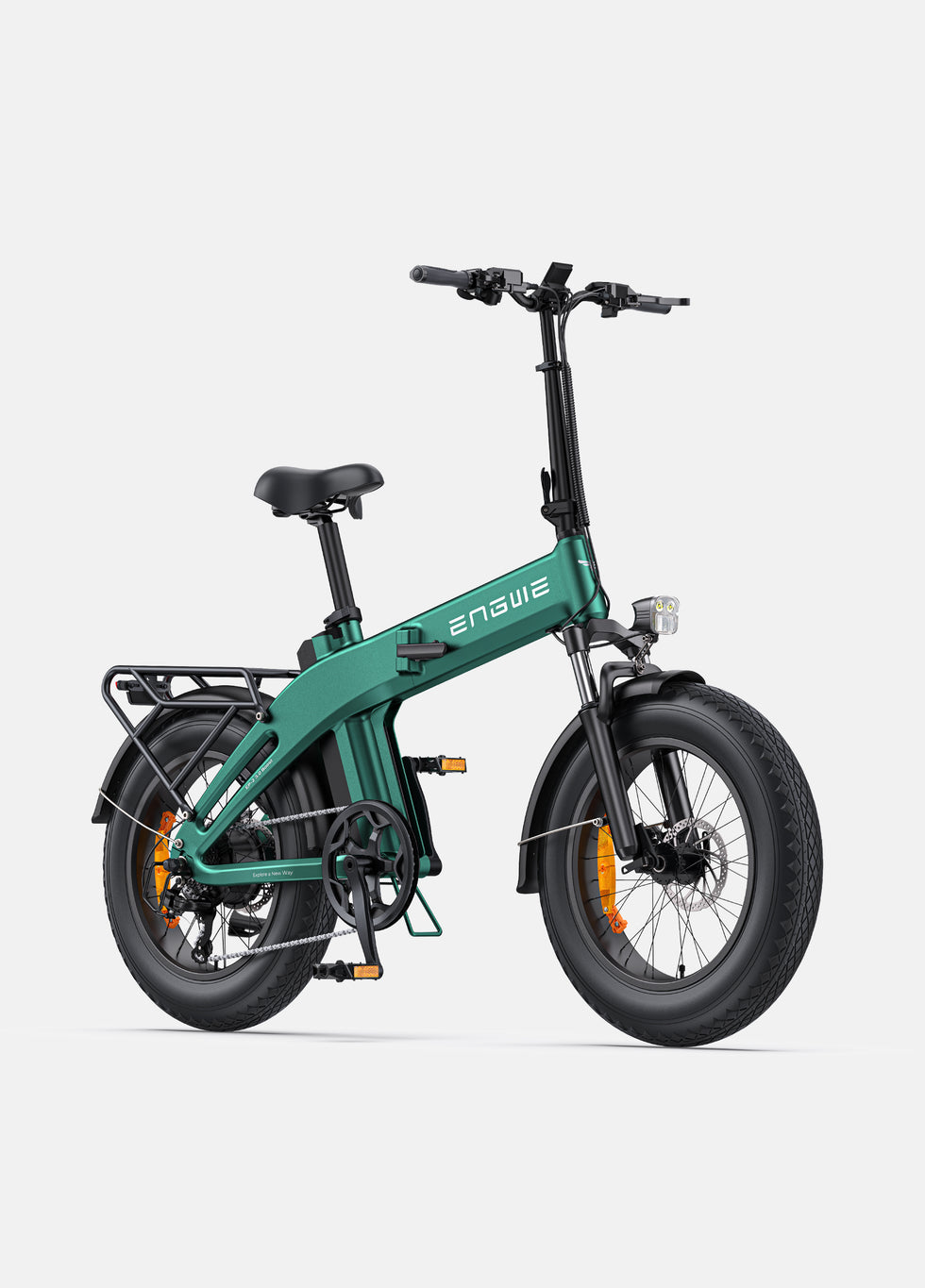
The ENGWE L20 3.0 Pro is made up of a 720Wh battery and 8A fast-charging technology, thus making it a good choice for people who need electric bike charging to be part of their schedule easily. The battery capacity can help one cover longer distances during cycling, while the chargers provided will minimize the time of charging before using the electric bicycle. It also comes with a 250W mid-drive motor, 100Nm of torque, and complete suspension technology. With its combination of battery capacity, fast charging, and comfortable design, it suits daily commuting and extended leisure rides.

ENGWE L20 3.0 Boost
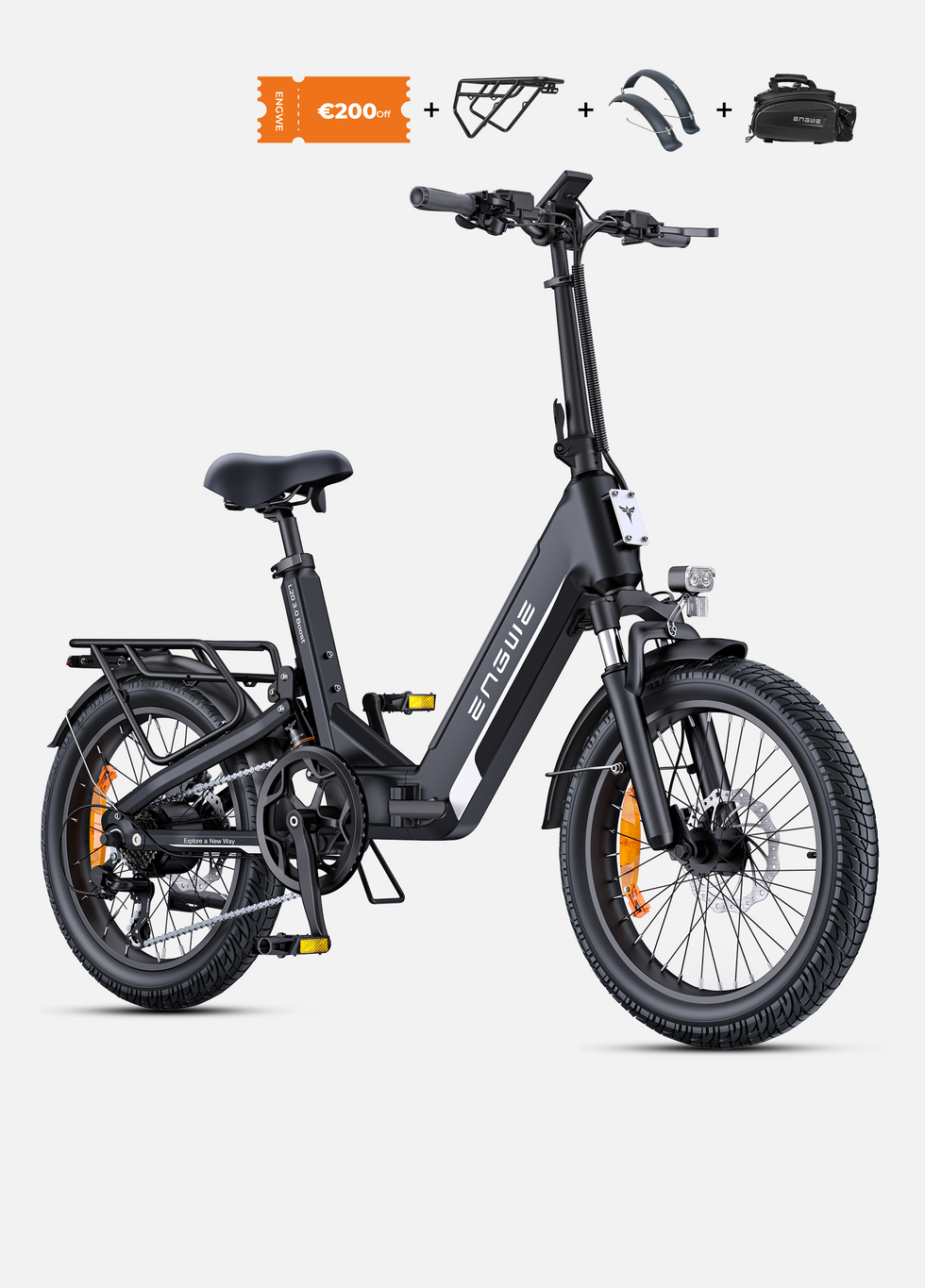
The ENGWE L20 3.0 Boost boasts a replaceable battery and an 8A charger, which ensures easy and convenient charging when you are not on a ride. The bike allows the replacement of the battery and charges quickly as well, thus ensuring that there is no need to wait long to get the bike charged. The design comes in handy for riders who wish to incorporate the charging process into their day-to-day activities without having to relocate the entire bike. Its combination of battery convenience and charging performance makes it suitable for commuting, errands, and leisure rides.

ENGWE ZIP
The ENGWE ZIP comes with a 360Wh portable LG battery and 100W USB-C PD charging capability that can be used to charge supported devices. The folding mechanism allows better storage and transportation options for the bike, while the USB-C PD allows greater versatility in charging the supported electronics. This model boasts a claimed range of up to 120km, making it a good combination of portability and effective battery usage for everyday use. Its compact folding design is useful for riders with limited storage space, while the portable battery adds flexibility to everyday charging arrangements.

Orbea Kemen SUV
Orbea Kemen SUV is an electric bicycle that could be recommended for those people who want to buy an electric bicycle for their regular trips and weekend trips as well. It is quite a universal vehicle that could be recommended for comparison when choosing the right electric bike. Before buying the electric bicycle, you should consider its specifications and see whether it will meet all your needs.
Moustache Samedi 28
Moustache Samedi 28 provides yet another choice of electric bicycles for those in search of a suitable bike for commuting as well as recreation purposes. The trekking line is definitely worth considering when both commuting and leisure cycling should be performed at once. There are certain specifications that vary from one model to another, which is why it is necessary to check all the details.
Understanding the Basics of Electric Bike Charging
In most electric bikes, the batteries used for powering the bicycle will be a lithium-ion battery pack. This battery comes with a charger that fits into the battery system. The time taken for the bike to charge will be determined by the remaining battery charge level, battery capacity, charger output, and the recommended charging parameters by the manufacturer. Knowing how to determine the battery capacity in watt-hours (Wh) will help you know which battery stores more energy.
Charger output will also play a role in determining how fast the battery will get charged. If you have a higher-output charger that fits well with your charger and battery, then it should decrease the charging time. However, you should always consult the manufacturers before choosing any other charger apart from the recommended one.
Charging Your Electric Bike at Home
The home can be a very convenient charging station since one can incorporate this into their schedule. After travelling or riding for pleasure, it will be easy to check the battery status and charge the bike in accordance with the manufacturer's guidelines. Some people like to do this at night to ensure that the bike is fully charged the next morning.
Ensure that the charging station is dry and ventilated. This station should not be near any source of heat or combustible items. One should use the appropriate electrical outlet, keep the charger and connections dry, and not cover the charger while using it. Ensure that you follow the manufacturer's guidelines on whether the bike should be charged on or off the bike.
Charging at Work and During the Day
Workplace charging could come in handy when commuting to and from work drains your battery, or when you have other plans after work time. It is good to know your company's policy regarding battery charging and to ensure there is an adequate place where to charge before counting on it. Otherwise, it is wise to check your way back home and have sufficient battery power to make the trip.
The possibility of a removable battery e-bike gives more options since one may need to charge the battery inside the office, without taking the bicycle there. It comes in handy when there are secure cycle parking facilities and electric outlets elsewhere.
Charging on the Road
Longer distances will need better planning due to the fact that a charging point might not always be available when needed. Plan your path, check your battery levels before starting out, and find places where you can recharge your bicycle. Charging stations may be found at cafes and accommodation centres, but make sure to ask for permission since a socket may not always be available for your personal items.
When planning on taking an electric bike for long distance travelling, it will be necessary to take into consideration the charging capabilities of your overnight stopovers and the distances between them. It will be helpful to have a removable battery in order to charge the battery separately from your bicycle. Always carry a proper charger, keep it dry, and have some extra battery power for hills and other unforeseen situations.

How to Make Charging Fit Your Lifestyle
Consistent charging is vital in maintaining the health of your electric bicycle's battery. Check out the manual of the manufacturer's concerning the most appropriate methods of charging the bicycle, as well as storage of the batteries when they are not in use.
● Use an appropriate charger: It is advisable to use either the manufacturer's charger or any other charger that can work with your bicycle's battery.
● Find a right location: It is advisable to find a place that is dry and ventilated and is away from any source of heat and anything flammable.
● Inspect cables and connectors: Inspect the cables and connectors to make sure there is no sign of wear and tear.
● Prevent water damage: Make sure that your battery, as well as all its connections, are away from any form of moisture.
● Charge at the recommended temperature: Charge your battery at the temperature that is recommended by the manufacturer.
● Keep your battery safe when storing: Make sure you follow the guidelines provided by the manufacture when storing your battery.
● Beware of hazards: In case you see any signs of leaking, puffing up, smokiness, or heat, it is important that you immediately cease charging.

Conclusion
Developing good electric bike charging practices will ensure that your e-bike is always ready for commuting, running errands, and other weekend activities. Having charging at home makes it easy to maintain an ideal schedule for the e-bike, while having charging facilities at the place of work makes daily commutes more feasible. Going on a road trip is made easier if one plans for charging points in advance.
Frequently Asked Questions
Can I charge my electric bike battery at work?
Can I charge my electric bike battery at work?
Yes, as long as it is allowed in your work environment and there is an appropriate place to charge it. Having a battery that can be removed makes it easier for you to charge it, especially if you cannot move the whole bicycle inside.
How long does electric bike charging take?
How long does electric bike charging take?
The time needed to charge an electric bicycle battery is determined by the capacity of the battery, the output of the charger used, the amount of battery that still needs to be charged, and the charging mechanism of the battery itself.
Is a removable electric bike battery better for charging?
Is a removable electric bike battery better for charging?
The advantage of using a removable battery is that one does not need to carry the entire bicycle when they need to charge the battery. This is important especially if you have secure bicycle storage but no place for charging indoors.
Can I use a faster charger with my electric bike?
Can I use a faster charger with my electric bike?
Use only a charger that the manufacturer states is suitable for your battery. An unsuitable charger may pose danger to you and/or to the battery itself. It is important to consult the instruction manual for the allowable charger input and charging procedure.