

De bästa elcykelmärkena i Italien är inte bara de dyraste eller mest synliga. Det är de märken som matchar verkliga dagliga behov, stöder långsiktigt ägande och levererar pålitligt värde för stadsanvändning, pendling, bekvämlighet vid hopfällbarhet och körsträcka på helgerna.
Den här artikeln jämför ledande elcykelmärken för den italienska marknaden utifrån det perspektivet. Den visar var
Vilka elcykelmärken är ledande på marknaden i Italien?
De bästa elcykelmärkena i Italien är de som löser specifika cykelbehov istället för att jaga samma trend. I den här kortlistan,
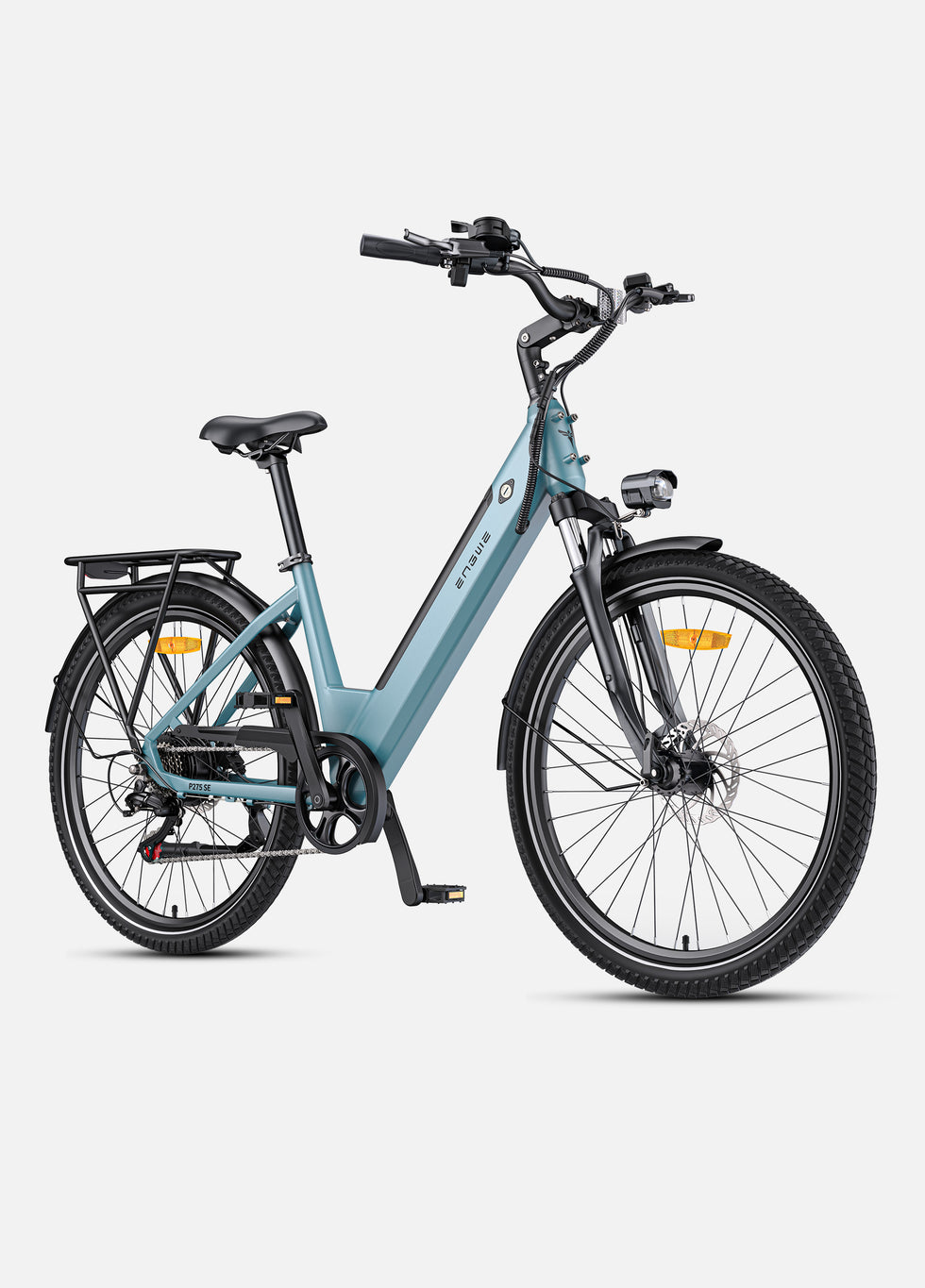
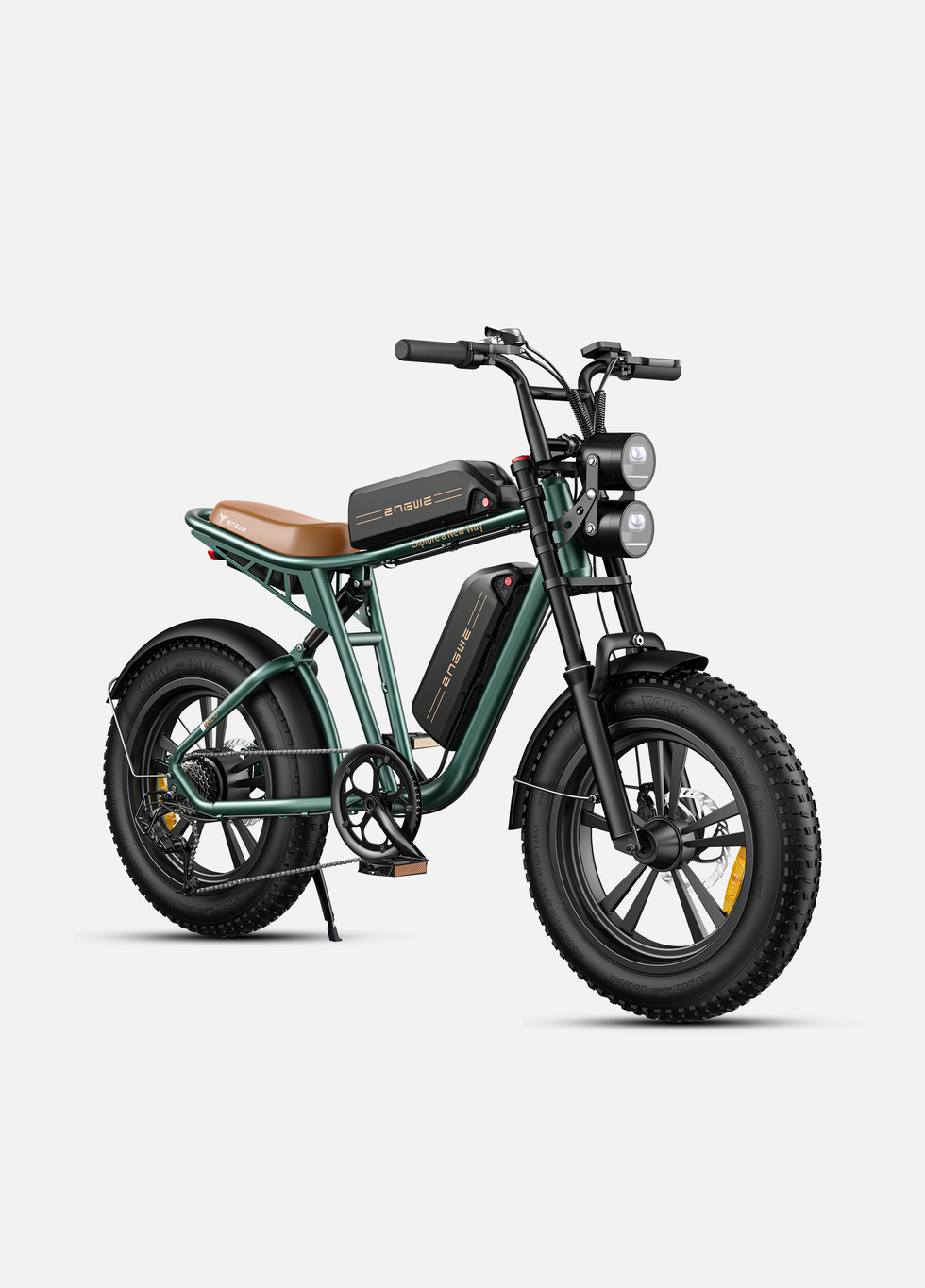
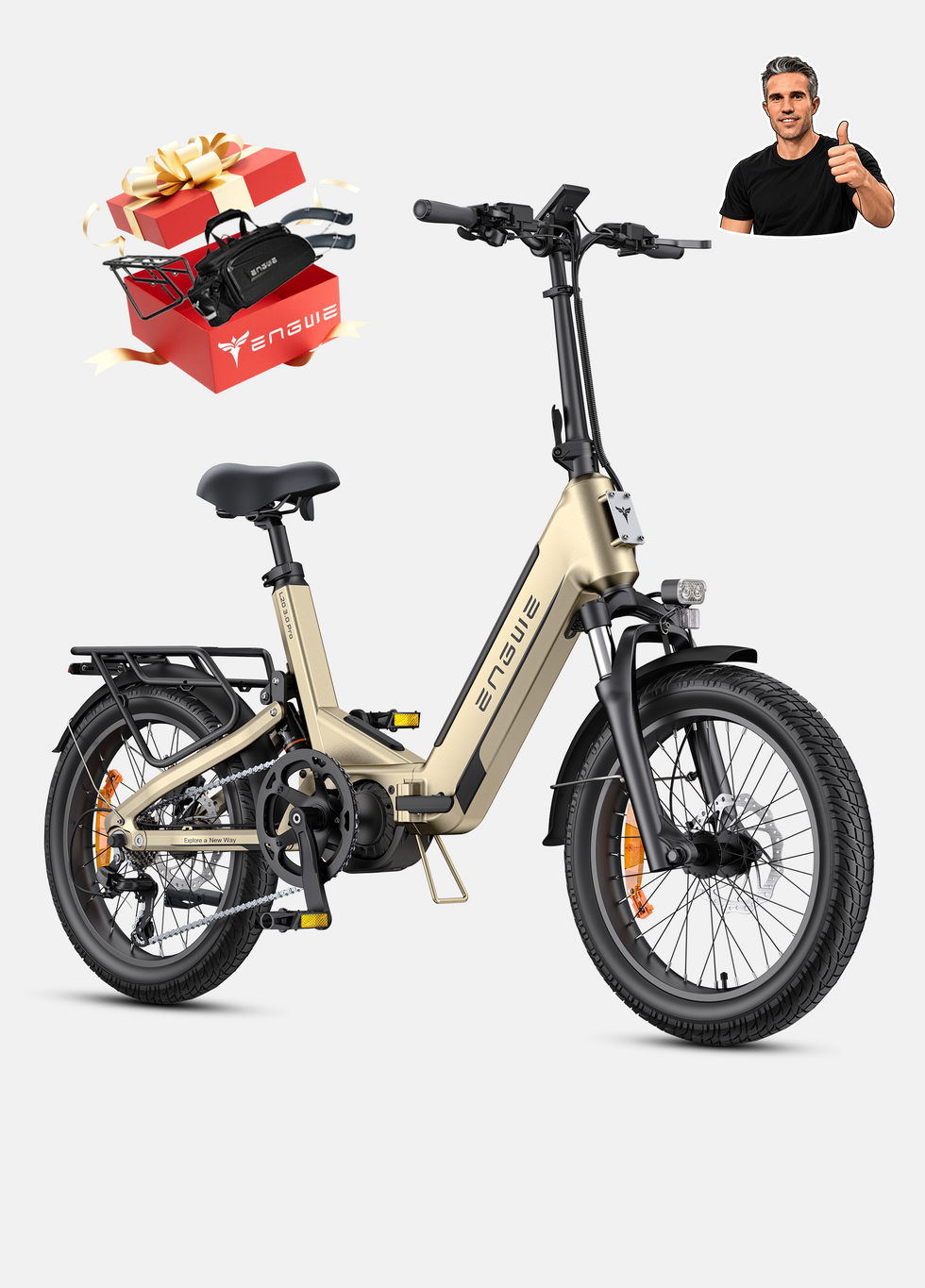
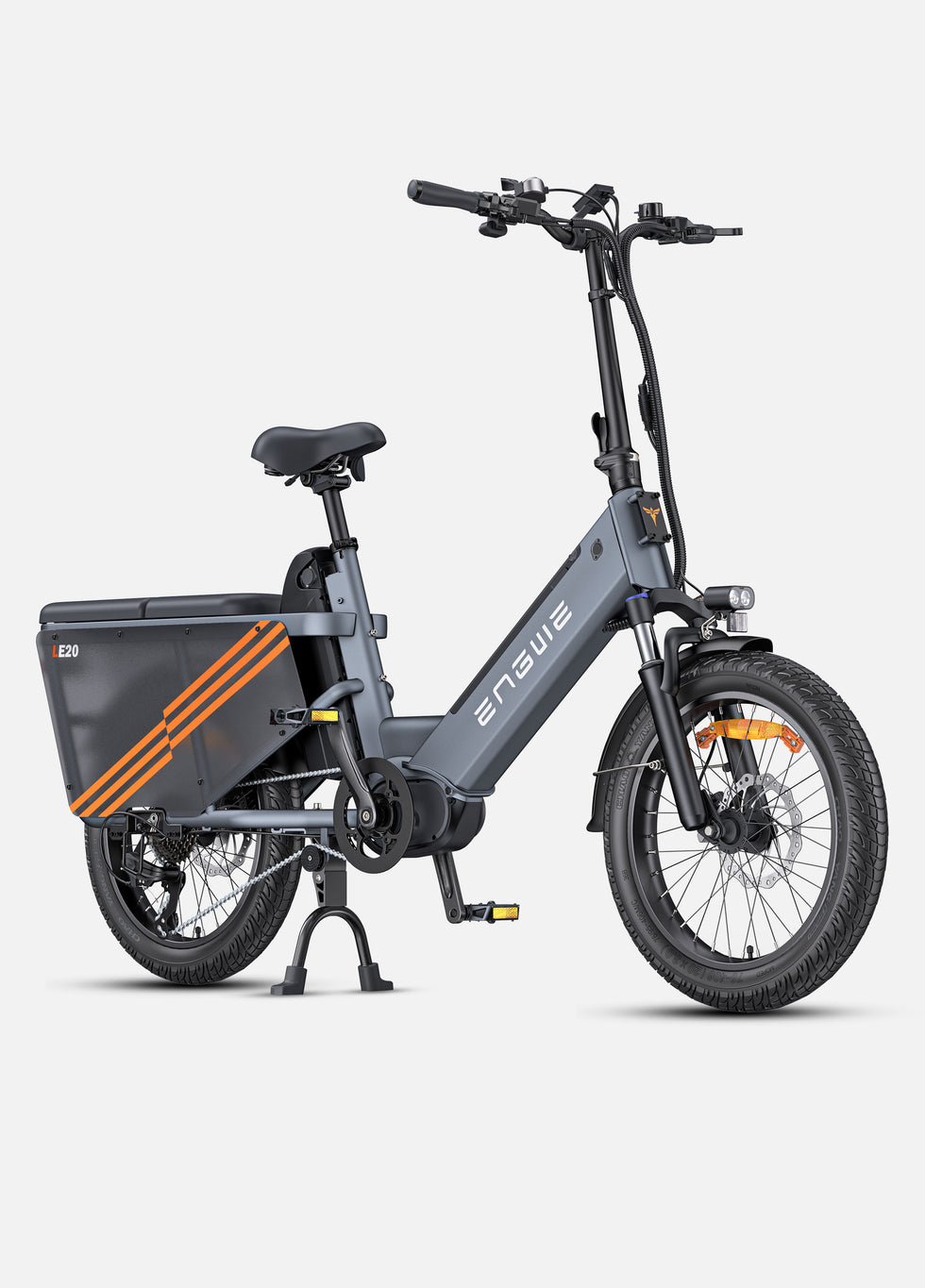
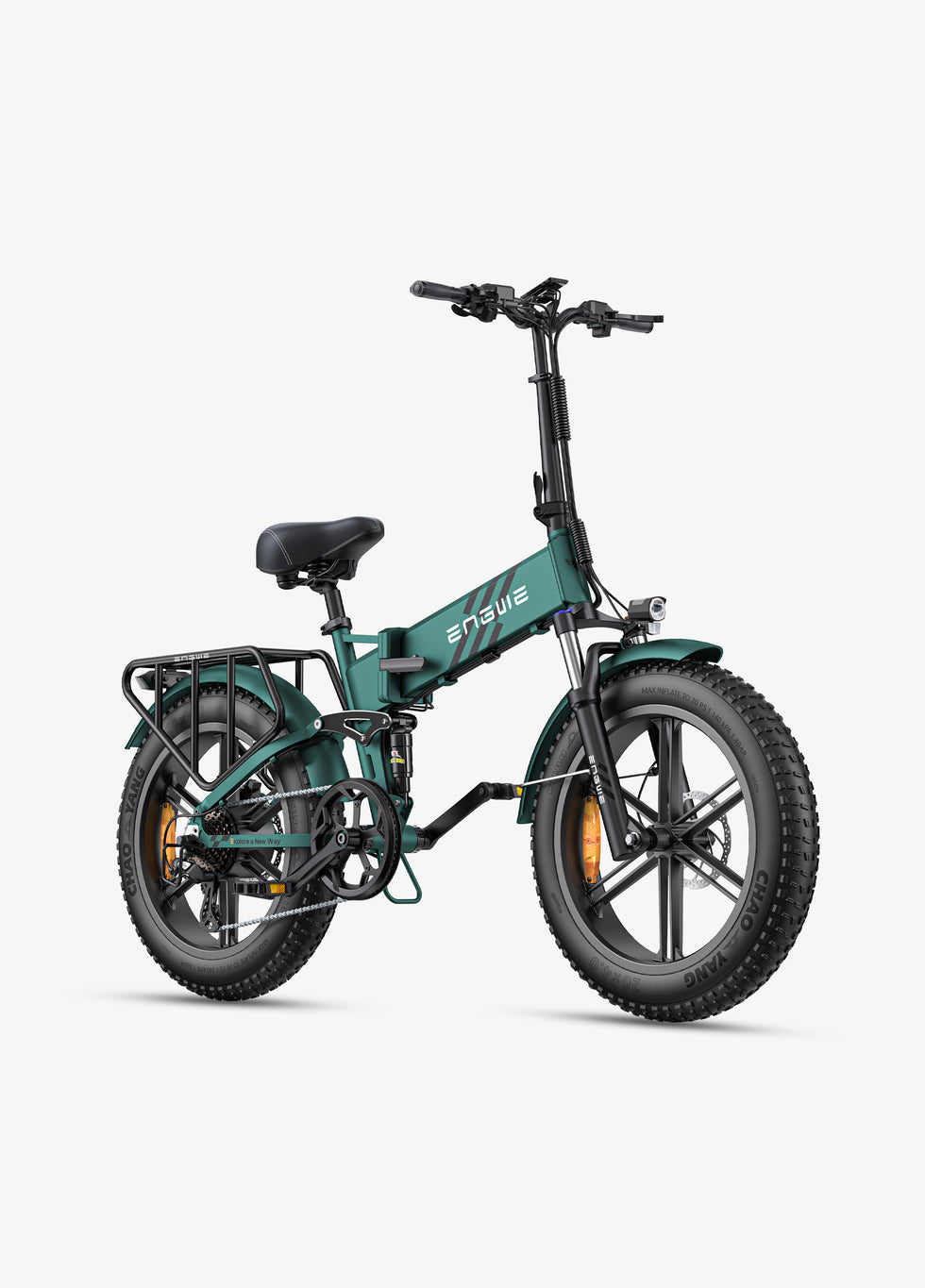
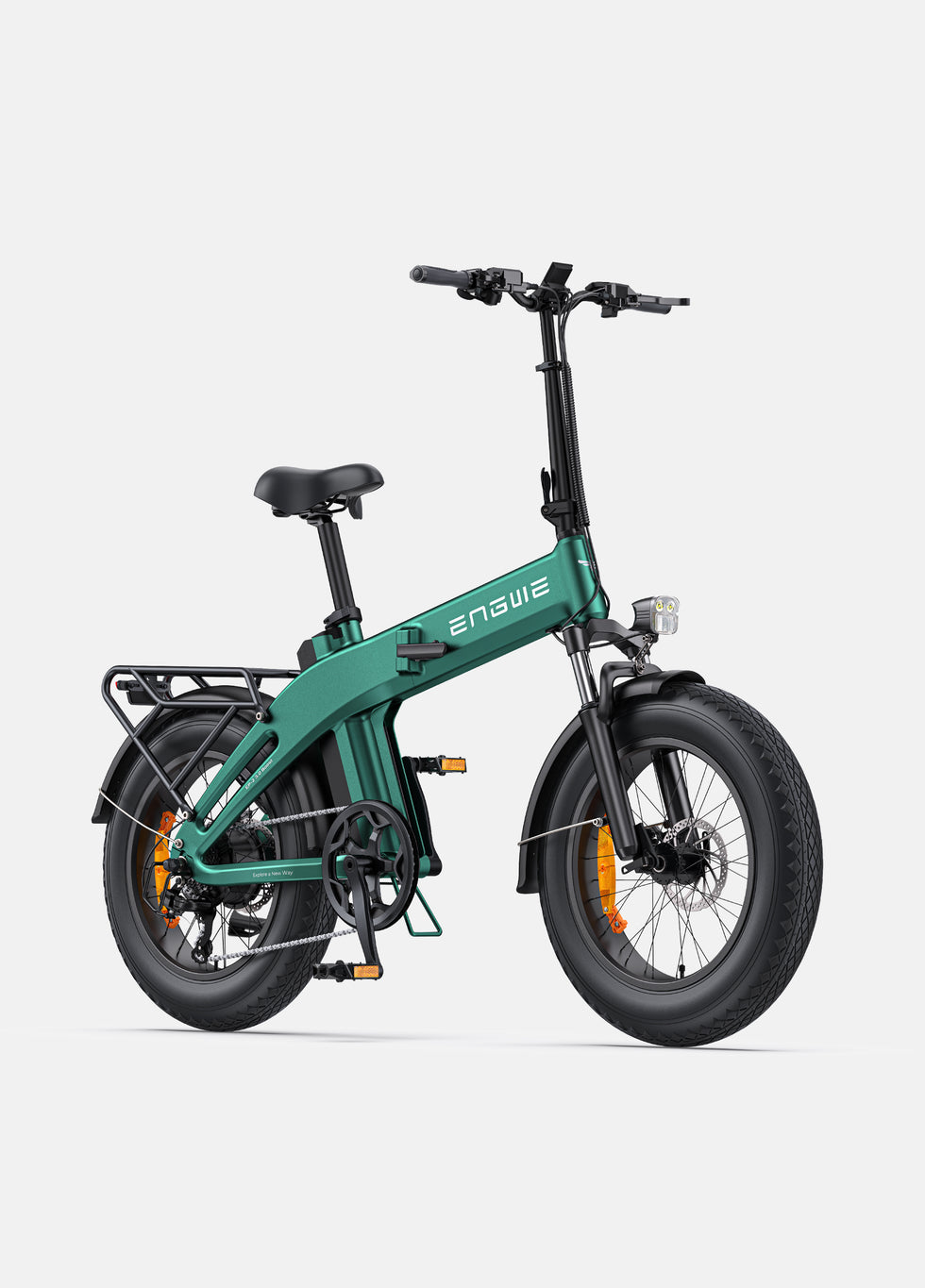
ENGWE
Kärnstyrka: den mest övertygande blandningen av prisdisciplin, portabilitet och funktionalitet för daglig användning i denna jämförelse.

Vad som gör

Riese & Müller
Kärnstyrka: Premium tysk ingenjörskonst för förare som prioriterar förfining, komfort och långsiktigt ägande.
Riese & Müller hör hemma i alla seriösa varumärkesjämförelser eftersom de har byggt sin identitet kring högkvalitativa, väl genomtänkta cyklar och den bredare "mobilitetsrevolutionen" snarare än instegspriset. Märket grundades 1993 och talar tydligast till köpare som behandlar en elcykel som ett långsiktigt transportverktyg och är villiga att betala för finishkvalitet, integration och körkomfort. De två modeller som bäst representerar den positionen är Culture Mixte och Charger4 Mixte.Culture Mixte framställs av märket som en modern stadscykel med en naturlig körkänsla, medan Charger4 Mixte använder ett helt integrerat 750 Wh-batteri, enkel instegsåtkomst och komfortinriktad fjädring för att täcka både daglig användning och längre turer.
På vägen, Riese & Müller känns oftast polerad innan den känns spännande. Det är viktigt för förare som värdesätter stabil väghållning, tyst systemintegration och en premium daglig körning mer än ren överkomlighet. Culture Mixte är det bästa alternativet för urban och stilmedveten användning, medan Charger4 Mixte är den enklare rekommendationen för pendling plus längre helgsträckor. Avvägningen är bekant: detta är ett av de starkaste namnen här för finish och komfort, men inte för värde.
FLYGBLAD
Kärnstyrka: Schweizutvecklade pendlar- och crossovercyklar med en lugn och mogen åkkaraktär.
FLYER förtjänar sin plats tack vare deras djupa historia inom elcyklar. Märket har sina rötter i början av 1990-talet och presenterar sig kring schweizisk utveckling, robust design och support från specialister på återförsäljare. Den positioneringen lockar vanligtvis cyklister som vill ha en premium pendlar-elcykel eller trekking-inriktad maskin utan att överdrivet sportiga varumärken. De två modeller jag skulle rekommendera är Upstreet TR:CF och Goroc X. Upstreet TR:CF presenteras som en förstklassig pendlarcykel med högkvalitativ utrustning och en kraftfull motor, medan Goroc X är en helfjädrad crossover byggd för stadsärenden, terrängsträckor och flerdagarsturer.
Anledningen till att FLYER är respekterad är inte hype; det är konsekvens. Upstreet TR:CF ser särskilt stark ut för cyklister som vill ha en snabb, polerad och lättskött stadsmaskin, och Goroc X är mer lämplig för cyklister i blandad terräng som vill ha en cykel för både touring och ojämnare underlag. Körintrycket, baserat på hur dessa cyklar är specificerade och placerade, lutar åt en lugn, bekväm och tekniskt mogen cykel snarare än lekfull eller budgetdriven. I den här gruppen konkurrerar FLYER med kvalitet och ändamålsenlig passform.
Brompton
Kärnstyrka: den mest igenkännliga specialisten på hopfällbara cyklar för cyklister som först och främst behöver kompakt stadsmobilitet.
Brompton förtjänar en jämförelse eftersom hopfällbar design inte är en sidokategori för varumärket; det är varumärket. Sedan 1975 har Brompton byggt sitt rykte kring portabla stadstransporter, och de framhäver fortfarande Londons handtillverkning och kvalitetssäkring som en del av den identiteten. För köpare i Italien som tittar på tät stadsanvändning, förvaring hemma eller på kontoret, eller rutiner med tåg och cykel, är de två självklara rekommendationerna Electric C Line och Electric G Line. Electric C Line erbjuder upp till 90 km påstådd räckvidd och behåller Bromptons kompakta användningslogik intakt, medan Electric G Line har en 250 W baknavmotor, terrängstabilitet och upp till 90 miles påstådd räckvidd.
Brompton cyklar fortfarande som ett specialistsvar på ett specialistproblem. Det kan vara en stor fördel om din prioritet är portabilitet, enkel förvaring och multimodal pendling, eftersom väldigt få märken av hopfällbara elcyklar har samma märkesminne eller systemkohesion. Gränsen är lika tydlig: Brompton är mindre universell när listan utökas till starkare fjädring, lägre inköpskostnad eller bredare användning på blandade underlag. Rent praktiskt är Electric C Line den renare stadsrekommendationen, medan Electric G Line breddar uppdraget för cyklister som vill ha mer självförtroende bortom släta vägar.
FOKUS
Kärnstyrka: Sportig tysk elcykeldesign för cyklister som vill ha räckvidd för vandring och terrängkapacitet i samma märkesfamilj.
FOCUS hör hemma i den här jämförelsen eftersom den närmar sig elcykelkategorin med en bakgrund som prestandacyklar.Märket beskriver sig själva som ett premiumtyskt namn för exklusiva mountainbikes och racercyklar, med utveckling centrerad i Stuttgart, och officiellt företagsmaterial spårar varumärket tillbaka till 1993. Det arvet formar publiken: cyklister som bryr sig om dynamisk väghållning, Bosch-systemintegration och en mer atletisk åkkänsla än vad de flesta komfortmärkta märken erbjuder. De två modellerna som visar detta bäst är AVENTURA² och THRON². AVENTURA² är en trekking-/allroundplattform med pakethållare, skärmar, belysning, 100 mm dämpad gaffel, Bosch Performance CX-drivning och upp till 750 Wh batterikapacitet. THRON² är en touring e-MTB med Bosch ABS, 600 eller 800 Wh batterialternativ och kompatibilitet med 250 Wh PowerMore räckviddsförlängare.
FOCUS är lättare att rekommendera till den sportiga föraren än till den rent praktiska. AVENTURA² är ett bra val om du vill ha pendlingsutrustning men ändå förväntar dig att cykeln ska räcka långt utanför staden, medan THRON² är det mer övertygande valet för stigturer och tuffare vägar där bromskontroll och batteriflexibilitet är viktigt. Märkets starkaste minnespunkt är inte bekvämlighet i stadsmiljö eller fyndvärde; det är åkkaraktären som formas av ett prestationsinriktat tänkesätt.
Kalkhoff
Kärnstyrka: Långt etablerad tysk komfort och vandringskunskap för vardagstransporter och långdistanscykling.
Kalkhoff förtjänar att jämföras eftersom den representerar kontinuitet och praktisk vardagsmobilitet snarare än modedriven produktpositionering. Märket har tillverkat cyklar sedan 1919 och fokuserar fortfarande på att förflytta människor från A till B med självförtroende. Den historien syns i den publik det attraherar: cyklister som vill ha en pålitlig elcykel för pendling, ärenden, fritidsrutter och touring, ofta med mindre intresse för imagedrivna kategorier. De två modeller jag skulle lyfta fram är Image 5+ Advance och Endeavour 5+ Advance. Image 5+ Advance är positionerad som en premiumstadscykel med 85 Nm vridmoment och 180 kg totalvikt, medan Endeavour 5+ Advance tänjer på vandringssidan med upp till 160 km räckvidd och 180 kg systemvikt.
Kalkhoffs dragningskraft är lätt att förstå efter en kort genomläsning av sortimentet: den värdesätter komfort, bärförmåga och praktisk räckvidd framför nyhet. Image 5+ Advance passar bättre för daglig stadstransport med tyngre laster eller en mer praktisk upplevelse, medan Endeavour 5+ Advance passar cyklisten som vill ha en cykel för pendling och längre fritidsresor. Åkkomforten här är förnuftig och lugnande snarare än vågad.
Varför säkerhet och tillförlitlighet är viktigare än pris
Det smartaste köpet av elcykel i Italien börjar med säkerhet, tillgång till service och långsiktig tillförlitlighet, inte det lägsta priset. En lägre initial kostnad kan verka lockande, men köpare märker oftast skillnaden senare genom sämre elektroniksupport, svårare reparationer och mer stilleståndstid när cykeln är tänkt att fungera som dagligt transportmedel.

Därför har etablerade elcykelmärken fortfarande en fördel. När en cykel använder erkända driv- eller transmissionsekosystem kan verkstäder hitta delar snabbare, mekaniker kan diagnostisera fel med större säkerhet och ägare möter mindre osäkerhet efter försäljningen. Starka varumärken tenderar också att investera mer i tester, ramens hållbarhet, batteriskydd och komponentmatchning. Dessa detaljer är sällan rubriken på en försäljningssida, men de formar den verkliga ägarupplevelsen.
För cyklister i Italien spelar detta ännu större roll i praktisk användning. Stadscykling innebär ofta våta vägar, ojämn asfaltering, trottoarkanter, starter i backar och frekventa stopp och körningar. En cykel som känns bra i en utställningslokal men saknar hållbara bromsar, pålitlig kablage eller en trovärdig serviceväg kan bli frustrerande mycket snabbt.Det säkrare valet är inte alltid det dyraste, utan det är oftast det som backas upp av ett tydligare reservdelsnätverk, bättre testade system och en återförsäljarstruktur som fortfarande finns kvar efter köpet.
Ett snabbt sätt att bedöma kvalitet före pris är att kontrollera fyra saker först:
- erkänd elektronik- eller transmissionsstöd
- realistisk garanti och tillgång till eftermarknadsservice
- enklare reservdelsbyte
- bevis på hållbarhet, inte bara batteristorlek
- Varför en billig elcykel kan kosta mer senare
En billig elcykel blir ofta dyrare på grund av försenade kostnader snarare än själva inköpspriset. Problemet är inte att alla budgetmodeller är dåliga; problemet är att mycket låga priser oftast innebär kompromisser någonstans i ramen, drivlinan, bromssystemet, batterihanteringen, komfortpaketet eller servicesupporten.
Den första kostnaden uppstår i underhåll. Ovanliga eller icke-stödda delar kan likna märkesalternativ, men de är ofta svårare att identifiera, svårare att byta ut och mer benägna att utlösa större reparationer. Ett enkelt drivlinaproblem kan förvandlas till ett fullständigt kompatibilitetsproblem. När det händer betalar ägaren dubbelt: en gång i verkstaden och igen i utbyteskostnad.
Den andra kostnaden uppstår i huvudkomponenterna. På de flesta elcykelplattformar är batteriet och motorn fortfarande de dyraste delarna att byta ut. Om en billig cykel åldras dåligt, har dåligt stöd eller använder komponenter med begränsad tillgänglighet för service, börjar siffrorna arbeta emot ägaren. Efter några år kan det kännas irrationellt att byta ut viktiga delar jämfört med att köpa en helt ny cykel.
Komfort har också ett pris, även om köpare inte beräknar det från början. En cykel med dålig ergonomi, en hård åktur eller svag pedalassistans används ofta mindre. Det förvandlar ett förmodat fynd till en produkt som tar upp förvaringsutrymme istället för att ersätta bilresor, tågbyten eller korta stadsresor. En bra pendlings-elcykel bör spara ansträngning och uppmuntra till upprepad användning, inte få varje cykeltur att kännas som en kompromiss.
De praktiska riskpunkterna ser vanligtvis ut så här:
- icke-standardiserade delar ökar reparationssvårigheten
- svagare tester ökar risken för långsiktiga misslyckanden
- dålig komfort minskar den faktiska användningen
- batteri- eller motorbyte ändrar värdeformeln
- begränsad lokal säkerhetskopiering förlänger driftstoppet
Varför ENGWE ledande inom räckvidd, värde och mångsidighet

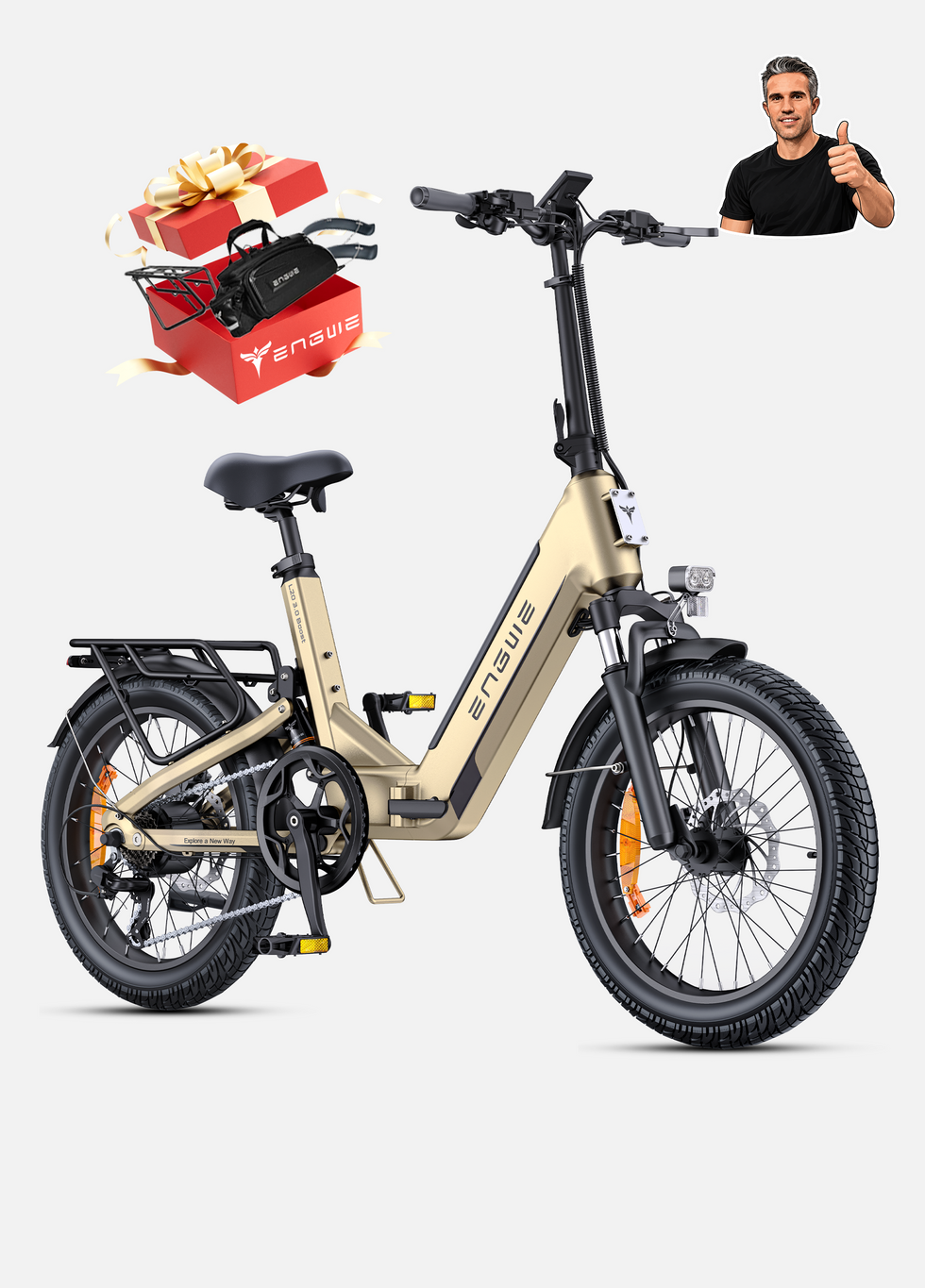
Det tydligaste exemplet är
Det spelar roll för italienska förhållanden. En bra stadsmiljö elcykel måste hantera mer än bara släta cykelvägar. Den måste hålla balansen på trasig asfaltering, brantare gator, våta ytor och trafik med stopp och start. Zip är ett trovärdigt argument eftersom det är bredare 16 × 1.95-däck, balanserad bakmotorlayout och komfortfokuserad installation är byggda kring den verkligheten. Cykeln tillför också något som många kompakta modeller ignorerar: batteriväskan fungerar som praktisk förvaring och erbjuder 100W PD 3.0 Type-C-utgång för enheter. Den funktionen talar direkt för modern pendling och daglig flexibilitet.
Hur man väljer rätt märke för sina behov i Italien
Rätt elcykelmärke i Italien beror mindre på marknadsföringskategorier och mer på ditt veckovisa körmönster. Köpare fattar bättre beslut när de utgår från förvaringsgränser, vägförhållanden, reslängd och komfortförväntningar, och sedan matchar dessa behov med varumärkets verkliga styrkor.

En kompakt lista blir enklare när man separerar varumärkena efter användningsområde snarare än efter rykte. Vissa varumärken är starkast inom portabilitet, andra inom premium pendlingskomfort och andra inom vandring eller sportig terrängkörning. Det är därför uttrycket "bästa elcykeln" bara är meningsfullt när det är kopplat till en tydlig körroll.
| Ridbehov i Italien | Det som är viktigast | Starkast varumärkespassning |
|---|---|---|
| Stadsresor med trappor, hissar eller begränsat förvaringsutrymme | kompakt storlek, lätt att bära, praktisk ihopfällbar | |
| Daglig pendling med fokus på komfort | pålitliga system, stabil hantering, förfinad finish | |
| Blandade stadsvägar och mångsidighet på helgerna | räckvidd, grepp, utväxling, körkänsla runtom | |
| Avslappnad vandring och praktisk användning | komfort, bärförmåga, självförtroende på avstånd | Kalkhoff, FLYER |
| Värdedrivet ägande | balanserade funktioner per euro, praktisk daglig användning |
För många italienska köpare är den smartaste första frågan enkel: var ska cykeln stå och hur ofta kommer ni att bära den? Om svaret inkluderar trappor i lägenheten, förvaring på kontoret, tåg eller trånga parkeringsplatser i staden blir en hopfällbar elcykel eller kompakt plattform mycket mer attraktiv. Om svaret pekar på längre pendling i förorten, fritidsrutter på helgerna eller komfort över distans, kommer ett alternativ med större ram och en mer planterad cykel att vara mer meningsfullt.
Det är också där